Winter Protection Tips for Driftwood Rose Bushes
Winter Protection Tips for Driftwood Rose Bushes
Did you know that despite their resilient beauty, nearly 30% of driftwood rose bushes suffer winter damage each year due to improper care? It’s a surprising statistic, especially for a plant celebrated for its hardiness. But don’t let that deter you! With the right strategies, you can ensure your beloved driftwood rose bushes not only survive the cold season but thrive, rewarding you with a stunning display of blooms year after year. This comprehensive guide, crafted for both budding enthusiasts and seasoned green thumbs, will walk you through everything you need to know about protecting these gorgeous, low-maintenance shrubs. We’ll delve into data-backed methods and expert tips to safeguard your investment and keep your garden vibrant.
Table of Contents
Tools & Soil Requirements
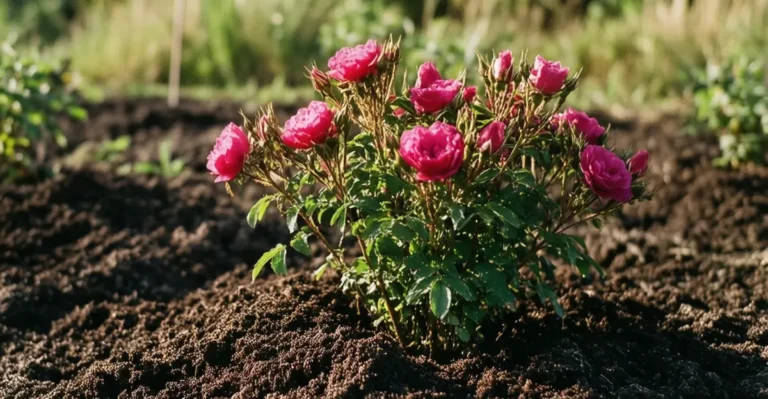
Cultivating vibrant driftwood rose bushes begins with the right foundation. For these beauties, envision a garden paradise where soil is less a medium and more a nutrient-rich sanctuary. You’ll need gloves, a sturdy hand trowel, pruning shears (bypass pruners are ideal for clean cuts), and possibly a soil testing kit to understand your existing conditions.
Soil Requirements: Driftwood rose bushes flourish best in loamy, well-draining soil with a slightly acidic to neutral pH (6.0-7.0). This ideal texture allows roots to breathe while retaining just enough moisture. If your garden boasts heavy clay, amending it with organic matter like compost or aged manure can work wonders, improving drainage and nutrient availability. Sandy soils benefit from similar amendments to enhance water retention.
Climate Conditions: These roses are remarkably adaptable, generally thriving in USDA Hardiness Zones 4-11. They adore warmth and sunlight, but surprising to some, they also demonstrate commendable cold tolerance when properly prepared. So whether you’re in a frosty northern climate or a balmier southern region, there’s a place for driftwood rose bushes in your landscape.
Best Planting Season & Timing
Timing is everything when it comes to planting, and driftwood rose bushes are no exception. The optimal planting season is typically in the spring after the last frost has passed, or in early fall a few weeks before the first hard frost. This allows the roots ample time to establish themselves in the soil before facing extreme temperatures.
When planting from containers, driftwood rose bushes show remarkable resilience, often settling in within a week or two. For bare-root varieties, which are less common for Drift roses but apply to many rose types, expect initial root establishment within 2-4 weeks. Maturity, however, where the plant fully settles into its environment and begins to exhibit its full blooming potential, typically occurs within one growing season. This quick establishment makes them a favorite among gardeners seeking relatively fast results, often blooming within mere weeks of planting.
Step-by-Step Planting Instructions
Ready to welcome these gorgeous plants into your garden? Here’s a personalized guide to getting your driftwood rose bushes off to a perfect start:
1. Choose Your Perfect Spot:
Select a location that receives at least 6 hours of direct sunlight daily – think of it as their personal sunbathing spot! Good air circulation is also key to preventing fungal diseases.
2. Prepare the Soil with Love:
Dig a hole twice as wide as the root ball and just as deep. Amend the excavated soil with a generous amount of compost. This creates the desirable loamy, well-draining environment they adore.
3. Gentle Transplanting:
Carefully remove your driftwood rose bushes from its nursery container. Loosen any circling roots gently with your fingers – this encourages them to spread outwards into their new home.
4. Positioning for Success:
Place the rose in the center of the hole, ensuring the top of the root ball is level with or slightly above the surrounding soil surface. This prevents water from pooling.
5. Backfill with Care:
Backfill the hole with your amended soil, gently tamping it down to remove any air pockets.Thoroughly water the soil to ensure it settles properly around the roots.
Plant Care Essentials
Consistent care ensures your driftwood rose bushes thrive.
Water Needs: While established driftwood rose bushes are drought-tolerant, they prefer consistent moisture. Water your plants with approximately 1 inch of water each week, either from rainfall or irrigation. New plantings will need more frequent watering, especially during dry spells. Mulching around the base can significantly reduce water evaporation, keeping the soil cool and moist.
Sunlight Requirements: As mentioned, a minimum of 6 hours of direct sunlight daily is non-negotiable for abundant blooms. Anything less, and you’ll notice fewer, smaller flowers and potentially leggy growth.
Temperature Tolerance: These roses are excellent performers across a wide range of temperatures. Their hardiness typically spans USDA Zones 4-11, making them adaptable to many climates. However, in the very coldest zones (4-5), winter protection becomes paramount to prevent cane dieback.
Best Varieties & Companion Plants
There’s a drift rose colors, orange drift roses, how tall do drift roses get, coral drift roses for every taste! Consider disease-resistant varieties like ‘Peach Drift’ for its delicate hues or ‘Red Drift’ for a bold statement. For vibrant color, orange drift roses and coral drift roses are exceptional choices. You might wonder, how tall do drift roses get? Most stay compact, generally reaching 1-2 feet tall and 2-3 feet wide, making them perfect for various garden applications.
For companion planting, opt for plants that share similar light and water requirements but don’t compete vigorously. Lavender (repels aphids), salvia (attracts pollinators), and catmint make excellent neighbors, their structural contrast enhancing the roses’ beauty while offering practical benefits. Imagine a border of fragrant lavender complementing the soft pastels of ‘Sweet Drift’ roses – a sensory delight!
Landscape Uses & Harvest Tips
The compact, spreading habit of driftwood rose bushes makes them incredibly versatile in garden design.
Landscape Uses: They are superb as groundcovers, spilling elegantly over retaining walls, or creating a vibrant tapestry in mass plantings. For smaller gardens or patios, they thrive in containers, bringing their charm closer to your doorstep. Why not line a pathway with a continuous bloom of ‘Pink Drift’ roses for a welcoming, cottage-garden feel? Their modest size means even urban gardeners can enjoy the luxury of roses without extensive space.
Harvest Tips: While driftwood rose bushes are primarily ornamental, their petals can be used for culinary (rosewater, jams) or cosmetic purposes (potpourri, facial toners) if grown organically and free from pesticides. Pick petals in the morning after the dew has dried for the best fragrance and flavor.
Common Pests & Diseases to Avoid
Even resilient driftwood rose bushes can face challenges. Awareness and early intervention are key.
- Aphids: These tiny sap-sucking insects can cluster on new growth. A strong blast of water or an application of insecticidal soap (organic option) usually keeps them in check. Consider planting garlic nearby as a natural deterrent.
- Black Spot: This fungal disease causes black spots on leaves, leading to defoliation. Good air circulation and prompt removal of affected leaves help. Fungicides can be used as a last resort, but prevention through proper spacing and overhead watering avoidance is always best.
- Powdery Mildew: Appears as a white, powdery coating on leaves. It thrives in humid conditions without good air circulation. Ensure adequate spacing and prune for better airflow. A baking soda spray (1 tablespoon baking soda, 1 tablespoon horticultural oil per gallon of water) can be an effective organic treatment.
For all issues, inspecting plants regularly (weekly scans are ideal!) allows for early detection and treatment before problems escalate.
Seasonal Maintenance & Overwintering
Maintaining your driftwood rose bushes throughout the year ensures continuous beauty.
Pruning: Light pruning can be done throughout the growing season to shape the plant and remove spent blooms (deadheading encourages more flowers!). A more substantial pruning, often removing about one-third of the plant’s size, is best done in late winter or early spring before new growth appears. This promotes vigorous new growth and a prolific bloom cycle.
Overwintering: This is crucial for colder zones! Once the first hard frost hits and plants go dormant, consider these steps:
- Water deeply: Before the ground freezes, a good watering helps sustain the plant.
- Mound soil: Create a mound of soil, compost, or shredded leaves around the base of the plant, about 10-12 inches high. This protects the graft union and crown.
- Burlap wrap (optional): In extremely cold, windy areas, wrapping the entire bush in burlap can provide additional protection from desiccation and harsh winds.
- Avoid early pruning: Resist the urge to prune in late fall, as new tender growth can be easily damaged by frost.
Conclusion
Protecting your driftwood rose bushes through winter is a rewarding endeavor that guarantees a spectacular show when spring arrives. From choosing the right tools and soil to understanding their seasonal needs and warding off pests, each step contributes to a resilient and vibrant garden. These tips, rooted in data and practical experience, will empower you to cultivate stunning roses, no matter your climate zone. So, don’t delay – get out there, prepare your roses, and envision the dazzling display awaiting you.
Have you tried any of these winter protection methods? Share your success stories and garden photos with us! Or, ready to dig deeper? Explore our other guides on optimizing garden health and maximizing bloom potential.
FAQs
Q1: Can driftwood rose bushes survive winter in containers?
A1: Yes, but they require extra protection. Move containers to a sheltered location (unheated garage, shed) or insulate them heavily with burlap and straw. Larger containers offer better insulation than smaller ones.
Q2: When should I remove winter protection from my driftwood rose bushes?
A2: Wait until the danger of hard frost has passed in early spring, usually when temperatures consistently stay above freezing. Gradually remove protection over a few days to avoid shocking the plant.
Q3: Do I need to prune driftwood rose bushes before winter?
A3: Generally, no. A light tidying is okay, but avoid heavy pruning in the fall. Pruning stimulates new, tender growth that is very susceptible to frost damage, making the plant more vulnerable. Save major pruning for late winter or early spring.
Q4: My driftwood rose bushes look dead after winter. Is there hope?
A4: Often, they are just dormant. Wait until late spring to see new growth emerging from the base or lower canes. If you scratch a branch and find green underneath, it’s alive. Prune away any truly dead wood and give it time.
Q5: Can I fertilize my driftwood rose bushes in the fall?
A5: It’s best to avoid high-nitrogen fertilizers in late summer or fall, as they promote leafy growth susceptible to frost. A autumn specific fertilizer with lower nitrogen and higher potassium might be used in early fall to help harden off the plant, but avoid anything that encourages vigorous new growth close to winter.