Read a quick guide on how to grow swiss chard in containers.
Have you ever considered that cultivating a thriving vegetable garden might be simpler than you think, even without a sprawling backyard? Many believe you need acres to produce a bountiful harvest, but what if I told you that with just a few containers, you could be enjoying fresh greens from your own patio? Today, we’re diving deep into how to grow swiss chard in containers, proving that delicious, homegrown produce is accessible to everyone. This versatile, nutrient-packed leafy green is surprisingly forgiving and an excellent choice for beginner and seasoned container gardeners alike. Let’s uncover the secrets to a successful harvest right on your doorstep.
Table of Contents
Tools & Soil Requirements
Cultivating vibrant Swiss chard in containers begins with the right foundation. Here’s what you’ll need:
- Containers: Opt for pots at least 8-12 inches deep and wide to accommodate the root system and allow for multiple plants. Ceramic, terracotta, or sturdy plastic pots with drainage holes work best. Self-watering containers are an excellent choice for busy gardeners, ensuring consistent moisture.
- Gardening Trowel: Essential for scooping soil and transplanting seedlings.
- Watering Can or Hose with a Gentle Sprayer: For even, consistent watering without disturbing young seedlings.
- High-Quality Potting Mix: This is crucial. Swiss chard thrives in a rich, loamy, well-draining soil. Look for an organic potting mix amended with compost or well-rotted manure. A pH level between 6.0 and 7.0 is ideal for optimal nutrient absorption. Avoid heavy garden soil, which can compact in containers and restrict root growth.
- Slow-Release Organic Fertilizer: To provide a steady supply of nutrients throughout the growing season.
Best Planting Season & Timing
Understanding the sweet spot for planting is key to a robust Swiss chard harvest. This cool-season crop truly shines in spring and fall.
- Spring Planting: Sow seeds 2-4 weeks before the last expected frost, or once soil temperatures consistently reach 50°F (10°C). For gardeners in warmer climates, an early spring planting allows for a good harvest before the summer heat causes bolting.
- Fall Planting: In most regions, a late summer or early fall planting (about 6-8 weeks before the first frost) will yield a fantastic second crop, often outperforming the spring harvest due to milder temperatures.
- Germination Time: Swiss chard seeds typically germinate in 7-10 days, which is 20% faster than many other common leafy greens like spinach where some varieties can take up to 14 days. Patience here is minimal!
- Time to Maturity: Expect to start harvesting outer leaves in as little as 30-40 days for baby greens, with full-sized leaves ready in 50-60 days. This rapid turnaround makes it perfect for continuous harvesting.
Step-by-Step Planting Instructions
Ready to get your hands dirty? Let’s walk through how to grow swiss chard in your containers, ensuring a successful start.
- Prepare Your Containers: Ensure your chosen containers have adequate drainage holes. If not, drill a few holes in the bottom. Add a layer of gravel or broken pot pieces at the bottom to further aid drainage – this is an old gardener’s trick that truly works!
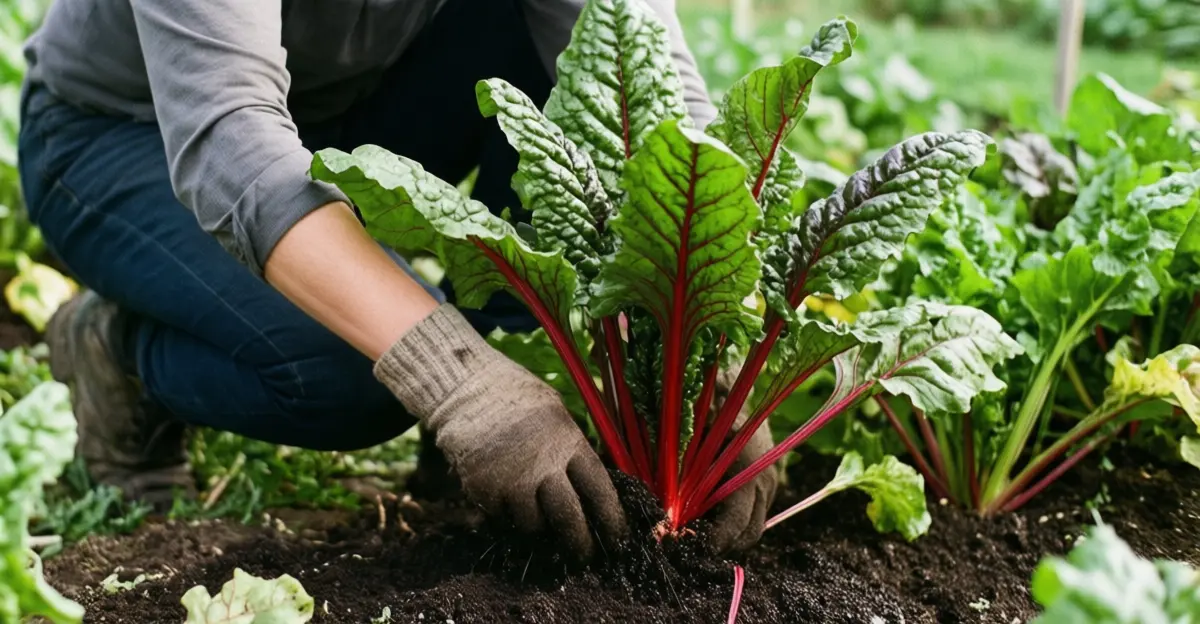
- Fill with Potting Mix: Fill your containers with the high-quality, well-draining potting mix, leaving about an inch of space from the rim. Gently moisten the soil before planting.
- Sow the Seeds: Swiss chard seeds are actually clusters of multiple seeds, meaning you might get several seedlings from one “seed.” Plant seeds about 1/2 to 1 inch deep and about 4-6 inches apart. For optimal chard spacing in containers, consider planting 3-4 seeds per 12-inch pot, thinning to the strongest 2-3 plants once they emerge. This ensures ample room for root development and leaf growth.
- Cover and Water: Lightly cover the seeds with about 1/2 inch of potting mix. Gently water the soil to ensure good seed-to-soil contact. A fine mist sprayer works wonders here to avoid displacing the seeds.
- Provide Initial Care: Place your containers in a spot that receives at least 4-6 hours of direct sunlight. Keep the soil consistently moist but not waterlogged during the germination period.
Plant Care Essentials
Once your Swiss chard seedlings emerge, consistent care is key to a bountiful harvest.
- Water Needs: Swiss chard is a thirsty plant, especially in containers where soil dries out faster. Aim for consistently moist soil – never soggy, never bone dry. Typically, this means watering daily, or even twice a day during hot, dry spells. Mulching with a thin layer of compost can help retain moisture.
- Sunlight Requirements: Provide at least 6 hours of full sun per day for the best growth and color. While Swiss chard can tolerate partial shade (4-6 hours), too little light can lead to leggy plants and reduced yields.
- Temperature Tolerance: As a cool-season crop, Swiss chard thrives in temperatures between 50-75°F (10-24°C). It can withstand light frosts (down to 20°F/-6°C) and can often be overwintered in milder climates. However, prolonged temperatures above 80°F (27°C) can cause it to bolt (send up a flower stalk), making the leaves bitter.
- Fertilization: Swiss chard is a heavy feeder. Beyond incorporating compost into the potting mix, consider a balanced liquid organic fertilizer every 2-3 weeks, or a slow-release granular fertilizer every 4-6 weeks, especially after significant harvests.
Best Varieties & Companion Plants
Choosing the right variety and companions can significantly enhance your how to grow swiss chard experience.
- Best Varieties for Containers:
- ‘Bright Lights’: A stunning mix of vibrant red, pink, orange, and yellow stems. Not only beautiful but also productive and relatively heat-tolerant.
- ‘Fordhook Giant’: A classic, reliable variety with large, dark green, crumpled leaves and white stems. Excellent for consistent yields.
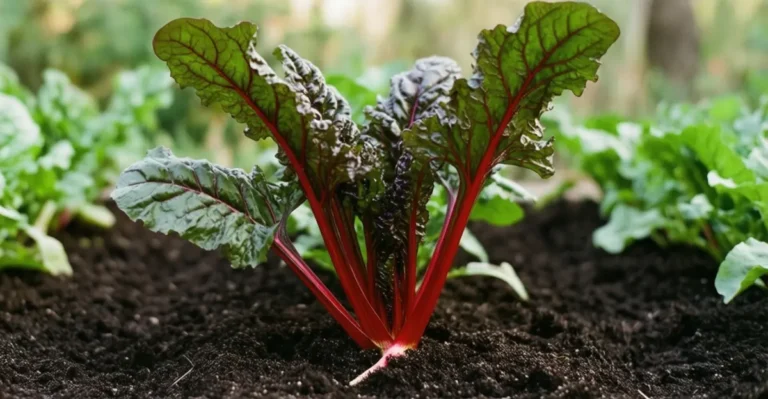
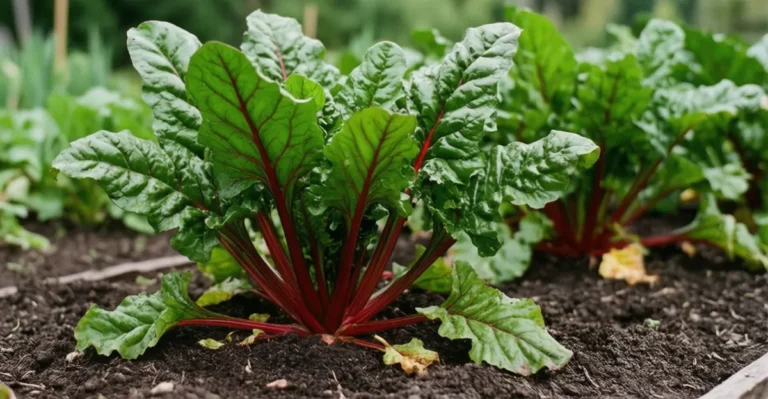
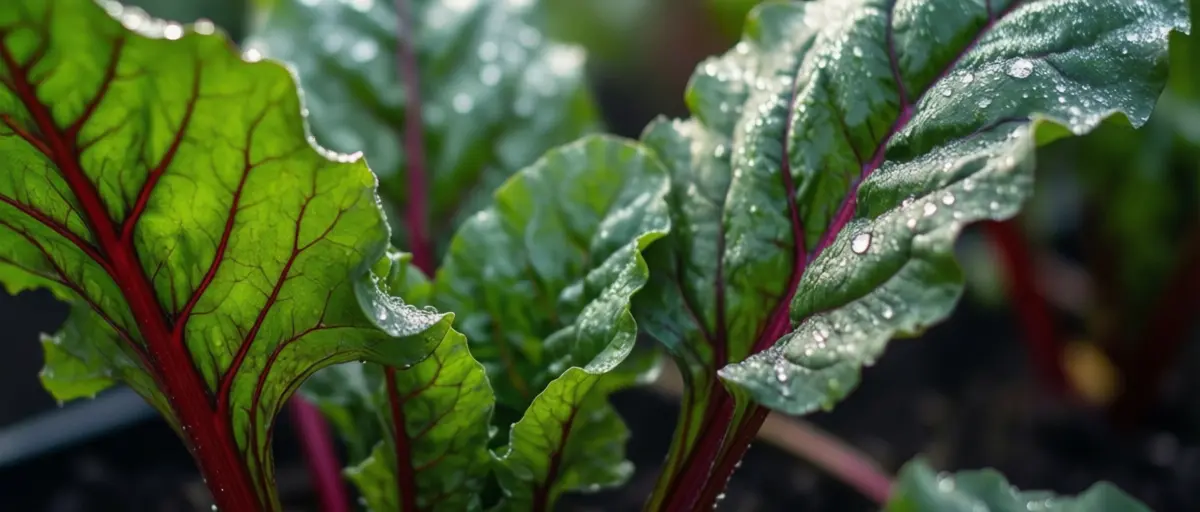
- ‘Ruby Red’ (or ‘Rhubarb Chard’): Features attractive crimson stems and deep green leaves. Adds striking color to your patio and your plate.
- ‘Lucullus’: Known for its pale green, heavily savoyed leaves and broad white stems. It’s an older, very robust variety.
- Companion Plants:
- Beans & Peas: Legumes fix nitrogen in the soil, benefiting nutrient-loving chard.
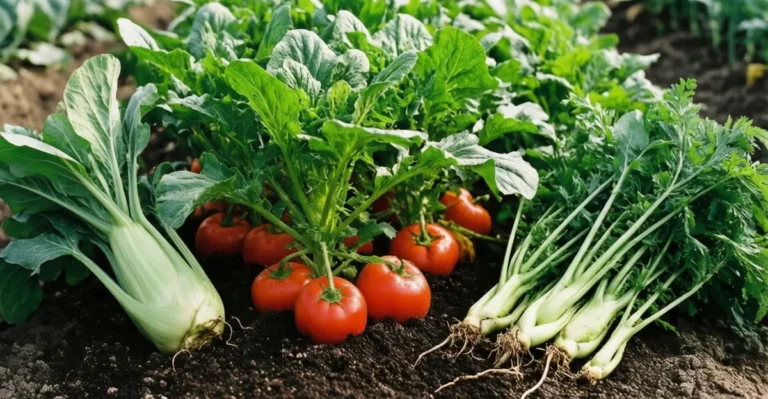
- Radishes & Carrots: These root crops don’t compete for nutrients with chard’s shallow root system, making them great container partners.
- Marigolds (Tagetes spp.): Known to deter nematodes and other pests, adding a splash of color.
- Nasturtiums: Their peppery leaves are edible, and they can act as a trap crop for aphids, drawing them away from your chard.
- Mint (in separate containers, mind you!): While not a companion plant in the same pot (mint can be invasive), growing mint nearby can help repel flea beetles.
Landscape Uses & Harvest Tips
Swiss chard isn’t just for eating; its vibrant colors and lush foliage make it a fantastic ornamental plant too!
- Landscape Uses:
- Edible Borders: Use ‘Bright Lights’ chard as a colorful, edible border along a patio edge or deck railing. It functions beautifully as an annual ornamental.
- Mixed Container Displays: Combine chard with petunias, dusty miller, or decorative grasses for a stunning, multi-textured arrangement. Its broad leaves provide excellent contrast.
- Vertical Gardens: While not traditionally vertical, smaller varieties can thrive in deeper pockets of a vertical planter, offering fresh greens at eye level.
- Harvest Tips:
- Cut-and-Come-Again: This is where container gardening truly shines. Harvest the outer leaves first, leaving the inner leaves to continue growing. Use a sharp knife or scissors, cutting about an inch above the soil line. This continuous harvesting method prolongs your yield for months.
- Baby Greens: For tender, mild baby greens, harvest leaves when they are 3-6 inches tall.
- Full-Sized Leaves: For larger, more mature leaves, wait until they are 8-12 inches tall. You can also harvest the entire plant by cutting it at the base, but you won’t get a second flush of growth.
- Frequency: During peak growing season, you can harvest leaves every 1-2 weeks.
- Storage: Store freshly harvested chard in a perforated plastic bag in the refrigerator for up to 5-7 days.
Common Pests & Diseases to Avoid
Even though how to grow swiss chard is relatively straightforward, some common issues can arise. Here’s what to watch out for and how to tackle it organically:
- Aphids: Small, soft-bodied insects that cluster on new growth and the undersides of leaves, sucking plant juices.
- Prevention/Treatment: Blast them off with a strong stream of water. For heavier infestations, use insecticidal soap or neem oil. Encourage beneficial insects like ladybugs.
- Flea Beetles: Tiny, jumping beetles that chew small, round holes in leaves.
- Prevention/Treatment: Use floating row covers early in the season. Neem oil can deter them. Keep the area weed-free as weeds can harbor these pests.
- Leaf Miners: Larvae that tunnel between the leaf surfaces, creating squiggly white trails.
- Prevention/Treatment: Remove and destroy affected leaves immediately. Floating row covers can prevent adult flies from laying eggs.
- Slugs & Snails: Especially problematic in moist, shaded environments, leaving irregular holes and silvery trails.
- Prevention/Treatment: Hand-pick them at dusk. Set beer traps or use organic slug bait (iron phosphate pellets). Ensure good air circulation around your containers.
- Bolting (Premature Flowering): Caused by heat stress or long daylight hours, resulting in bitter leaves and a woody stem.
- Prevention: Plant heat-tolerant varieties. Provide afternoon shade during hot spells. Ensure consistent watering. Harvest regularly to encourage vegetative growth.
Seasonal Maintenance & Overwintering
Keeping your container-grown Swiss chard vibrant requires a bit of seasonal savvy to extend its life.
- Summer Care: During hot summer months, provide afternoon shade, especially for dark-leaved varieties prone to scorching. Increase watering frequency and consider a light feeding to keep growth robust. Regularly harvest outer leaves to prevent bolting.
- Fall Care: As temperatures cool, Swiss chard often experiences a revival, producing tender, sweet leaves. Continue regular watering and feeding.
- Winter Protection (Milder Climates – Zones 7+): In regions with mild winters, you can often overwinter container chard.
- Move containers to a sheltered spot, such as against a warm wall or under an overhang.
- Apply a thick layer of mulch (straw, shredded leaves) to the top of the soil for insulation.
- Water sparingly during dormancy, only when the soil is completely dry.
- You might be surprised by fresh greens in early spring!
- Hard Frost/Freezing Temperatures (Colder Climates): If temperatures consistently drop below 20°F (-6°C), Swiss chard will likely perish. For a last-ditch effort, bring smaller containers indoors to a bright, cool spot, but expect reduced growth. Otherwise, enjoy your final harvest and plan for fresh planting in spring.
Conclusion
Mastering how to grow swiss chard in containers unlocks a world of fresh, vibrant greens, right at your fingertips. From the striking aesthetics of ‘Bright Lights’ to the robust yields of ‘Fordhook Giant,’ this versatile vegetable proves that impactful gardening doesn’t require vast acres. By providing the right container, quality soil, consistent moisture, and a little sun, you’ll be enjoying continuous harvests from spring through fall, even into winter in some regions.
Ready to transform your patio or balcony into a productive edible oasis? Grab some seeds, choose your favorite container, and start your Swiss chard journey today! We’d love to see your container chard successes – share your photos and growing tips in the comments below, or check out our other guides on growing edible plants for more inspiration!
FAQs
Q1: Can I grow Swiss chard from store-bought stalks?
A1: While you can sometimes root the base of celery or lettuce stalks, Swiss chard is typically grown from seed for the best results and a consistent taproot system. It’s more reliable to start with seeds.
Q2: My Swiss chard leaves are turning yellow. What’s wrong?
A2: Yellowing leaves often indicate a nutrient deficiency (especially nitrogen), inconsistent watering, or sometimes too much sun in hot climates. Ensure regular feeding with a balanced fertilizer and consistent moisture.
Q3: How many Swiss chard plants can I grow in one 12-inch container?
A3: For optimal growth and yield, we recommend no more than 2-3 mature Swiss chard plants in a 12-inch diameter container. This allows for proper chard spacing and root development.
Q4: Can Swiss chard tolerate shade?
A4: Swiss chard can tolerate partial shade (4-6 hours of sun daily), especially in hot climates where it can actually prevent bolting. However, full sun (6+ hours) generally leads to stronger, more productive plants with richer leaf color.
Q5: Is Swiss chard suitable for small spaces?
A5: Absolutely! Its upright growth habit and ability to thrive in containers make it an ideal choice for balconies, patios, and small urban gardens where space is at a premium.