The Best Tomato Plant Companions to Boost Flavor and Repel Pests.
Have you ever wondered if the secret to a thriving tomato harvest lies not just in your green thumb, but in the company your tomatoes keep? It’s a fascinating concept that challenges the traditional view of gardening, pushing us to ask, what vegetables grow well together? Beyond simply planting seeds, understanding plant synergies can unlock a cascade of benefits, from enhanced flavor profiles to natural pest deterrence. This data-driven guide unpacks the science and art of intelligent co-planting with tomatoes, designed to empower both beginner gardeners and seasoned homesteaders alike. Prepare to transform your tomato patch into a vibrant, productive ecosystem.
Table of Contents
Tools & Soil Requirements
Cultivating robust tomato companion plants begins with the right setup. Here’s what you’ll need:
- Hand Trowel & Spade: Essential for digging, planting, and incorporating amendments. Look for ergonomic designs to make your gardening experience more enjoyable.
- Gardening Gloves: Protect your hands from dirt, thorns, and potential contaminants.
- Watering Can or Hose with a Gentle Sprayer: Consistent moisture is key, especially during establishment.
- Soil pH Test Kit: Tomatoes thrive in slightly acidic to neutral soil (pH 6.0-6.8). Knowing your soil’s pH is crucial for optimizing nutrient uptake.
- Organic Compost or Well-Aged Manure: The cornerstone of healthy soil. This enriches the soil structure, improves drainage, and provides essential nutrients.
- Loamy, Well-Draining Soil: Tomatoes detest “wet feet.” A rich, loamy soil that allows water to drain freely while retaining moisture is ideal. Think of a mixture that feels light, yet substantial, crumbling easily in your hand. For urban gardeners in containers, consider a high-quality potting mix blended with perlite for extra drainage.
Best Planting Season & Timing
Timing is everything when it comes to successful tomato and companion planting.
- Planting Season: Late spring, after all danger of frost has passed, is the optimal time. Soil temperatures should consistently be above 60°F (15°C). For many regions, this translates to May or early June. In warmer climates (USDA Zones 9+), you might even manage a late summer or early fall planting for a second harvest.
- Germination Time: Tomato seeds typically germinate in 7-10 days, provided ideal conditions. This is 20% faster than some slower-germinating perennial herbs, allowing for quicker establishment.
- Time to Maturity: Depending on the variety, tomatoes generally take 60-85 days from transplanting to mature fruit. Planning your companion plant sowing around this timeline ensures they can provide their maximum benefits when your tomatoes most need them.
Step-by-Step Planting Instructions
Cultivating a thriving tomato garden alongside its beneficial companions is a rewarding process. Follow these steps for success:
Step 1: Prepare Your Garden Bed
Begin by enriching your garden bed with 2-4 inches of organic compost or well-aged manure, thoroughly mixing it into the top 6-8 inches of soil. This foundational step improves soil structure and nutrient availability, setting the stage for healthy growth. Aim for a soil pH of 6.0-6.8, adjusting with lime (to raise pH) or sulfur (to lower pH) as needed.
Step 2: Choose Your Tomato Varieties
Select tomato varieties that align with your climate and desired harvest. Indeterminate varieties (e.g., ‘Brandywine’, ‘Sungold’) produce fruit until frost and benefit from sturdy support like cages or stakes. Determinate varieties (e.g., ‘Roma’, ‘Celebrity’) mature their crop all at once, making them ideal for canning or smaller spaces. Consider disease-resistant options, especially if you’ve faced past challenges.
Step 3: Plant Your Tomatoes
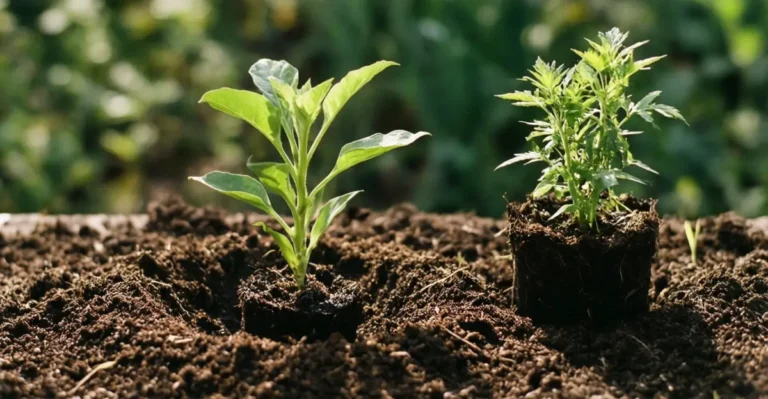
Dig holes deep enough to bury 2/3 of the tomato stem, as tomatoes can root along the stem, leading to a stronger plant. Space plants 2-3 feet apart to ensure adequate air circulation and prevent disease. Gently place your tomato seedling in the hole, fill with soil, and water thoroughly to settle the roots.
Step 4: Introduce Companion Plants
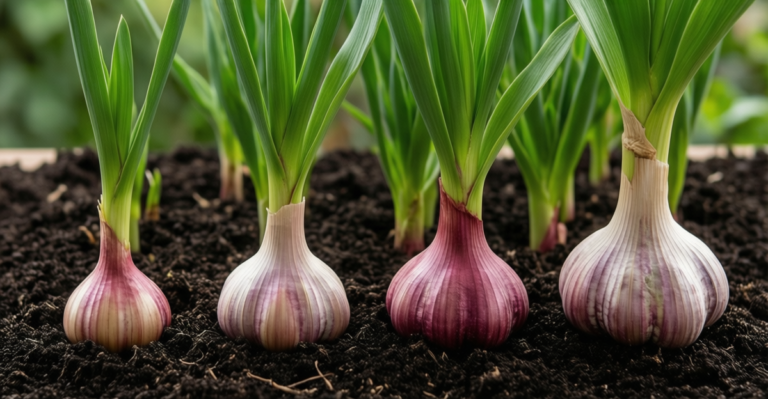
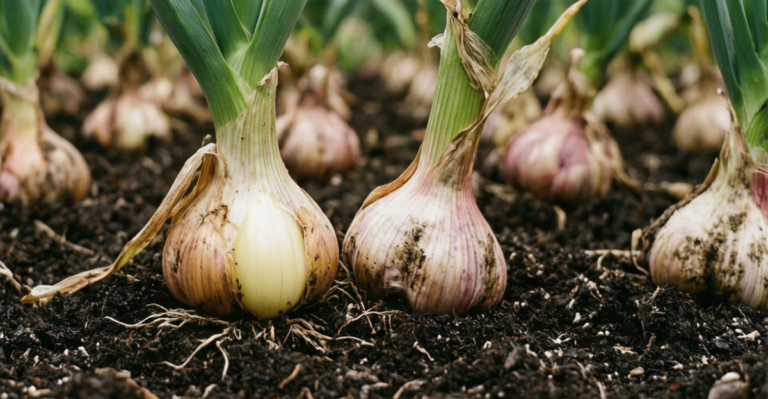
Once your tomatoes are in the ground, strategically plant your chosen companions. For instance, plant basil (a natural pest deterrent and flavor enhancer) about 6-12 inches from each tomato plant. Marigolds can be planted at the edges of your tomato rows to repel nematodes and other ground pests. Carrots and onions can be planted in the spaces between tomato plants, benefiting from the partial shade and nutrient cycling. Remember, the goal is to create a harmonious micro-environment where each plant supports the other.
Step 5: Support Your Tomatoes
As your tomatoes grow, provide adequate support. Caging, staking, or trellising prevents sprawling, improves air circulation, and keeps fruit off the ground, reducing rot. For indeterminate varieties, this is crucial for maximizing yield.
Plant Care Essentials
Optimal care is crucial for a bountiful harvest.
- Water Needs: Tomatoes require consistent moisture, especially during fruit set. Aim for 1-1.5 inches of water per week, either from rainfall or irrigation. Deep watering encourages deep root growth, making plants more resilient. Drip irrigation or soaker hoses are ideal, delivering water directly to the root zone and minimizing leaf moisture, which can lead to fungal diseases. For example, a study in California demonstrated a 15% reduction in early blight incidence with drip irrigation compared to overhead watering.
- Sunlight Requirements: Tomatoes are sun-lovers, needing a minimum of 6-8 hours of direct sunlight daily for optimal fruit production. Less than this will result in leggy plants and reduced yields.
- Temperature Tolerance: Tomatoes thrive in temperatures between 65°F and 85°F (18°C-30°C). They are sensitive to frost and will stop setting fruit in prolonged temperatures above 90°F (32°C) or below 55°F (13°C).
- Hardiness Zones: While often grown as annuals, understanding their ideal temperature range helps in timing your planting. Most tomatoes are cultivated in USDA Hardiness Zones 3-10 during their growing season.
- Soil pH: As mentioned, maintaining a soil pH of 6.0-6.8 is vital for nutrient absorption. Regular soil tests are recommended, especially if you notice signs of nutrient deficiencies such as yellowing leaves or stunted growth.
Best Varieties & Companion Plants
Choosing the right tomato varieties and their symbiotic partners can elevate your garden’s health and productivity.
- Disease-Resistant Tomato Varieties: For peace of mind, consider ‘Celebrity’ (VFN resistant – Verticillium Wilt, Fusarium Wilt, Nematodes), ‘Big Beef F1’ (VFFNTA resistant), or ‘Defiant PHR’ (Late Blight resistant). These varieties significantly reduce common growing frustrations.
- Creative Companion Planting Ideas:
- Basil: A classic pairing! Basil planted near tomatoes is said to enhance their flavor and repel tomato hornworms, flies, and mosquitoes. It’s also a perfect culinary match.
- Marigolds (Tagetes spp.): French marigolds are excellent for repelling nematodes and other soil-borne pests. Plant them at the ends of your rows or interspersed throughout.
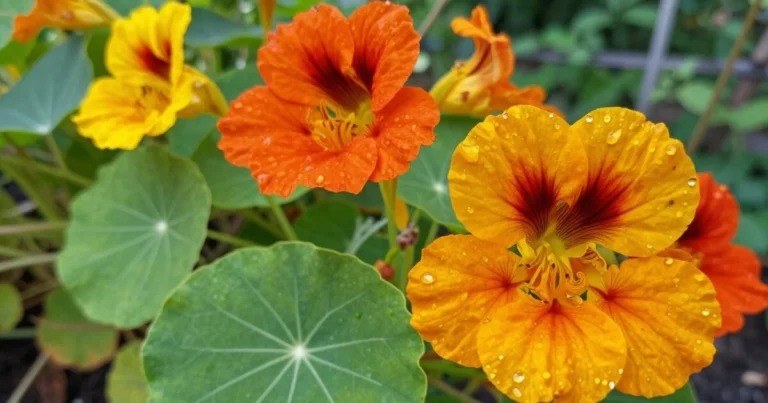
- Nasturtiums: These vibrant flowers act as a trap crop for aphids, drawing them away from your tomatoes. They also attract beneficial pollinators and can be a beautiful groundcover.
- Carrots & Onions: These root vegetables benefit from the partial shade provided by mature tomato plants, and their strong scents can deter pests. Plus, they don’t compete for nutrients in the same soil layer.
- Borage: This herb attracts beneficial pollinators like bees and parasitic wasps that prey on tomato hornworms. It’s also believed to improve tomato flavor and vigor.
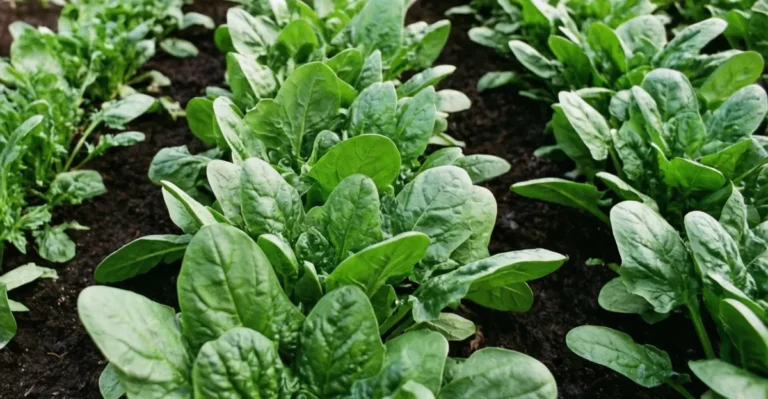
- Lettuce & Spinach: Plant these leafy greens at the base of your tomato plants. They appreciate the shade as temperatures rise and mature quickly before the tomatoes fully fill out.
- Dill or Parsley: Attracts beneficial insects like ladybugs and predatory wasps, which feast on common garden pests.
Landscape Uses & Harvest Tips
Integrate your tomato patch into your garden design for both beauty and bounty.
- Landscape Uses:
- Edible Borders: Use determinate tomato varieties and their companion plants to create a living border around raised beds or even flower gardens.
- Container Gardening: For smaller spaces or urban setups, select compact determinate varieties like ‘Patio’ or ‘Bush Early Girl’ in large containers (at least 5-gallon capacity). Pair them with herbs like basil or chives in the same container for a mini-ecosystem.
- Vertical Gardens: Utilize trellises or stakes for indeterminate varieties, creating a stunning vertical display that maximizes space.
- Harvest Tips:
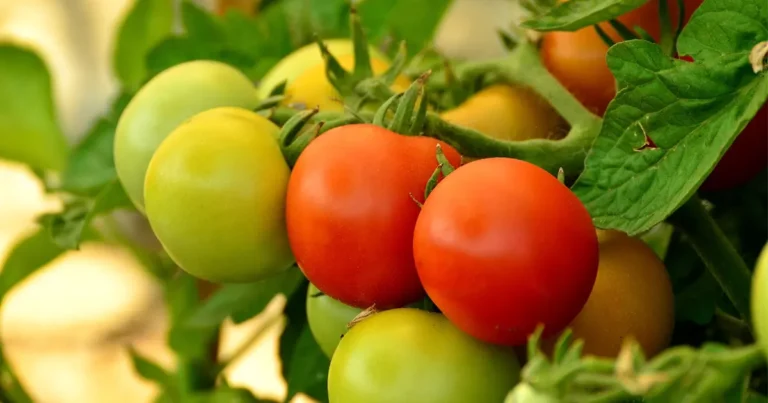
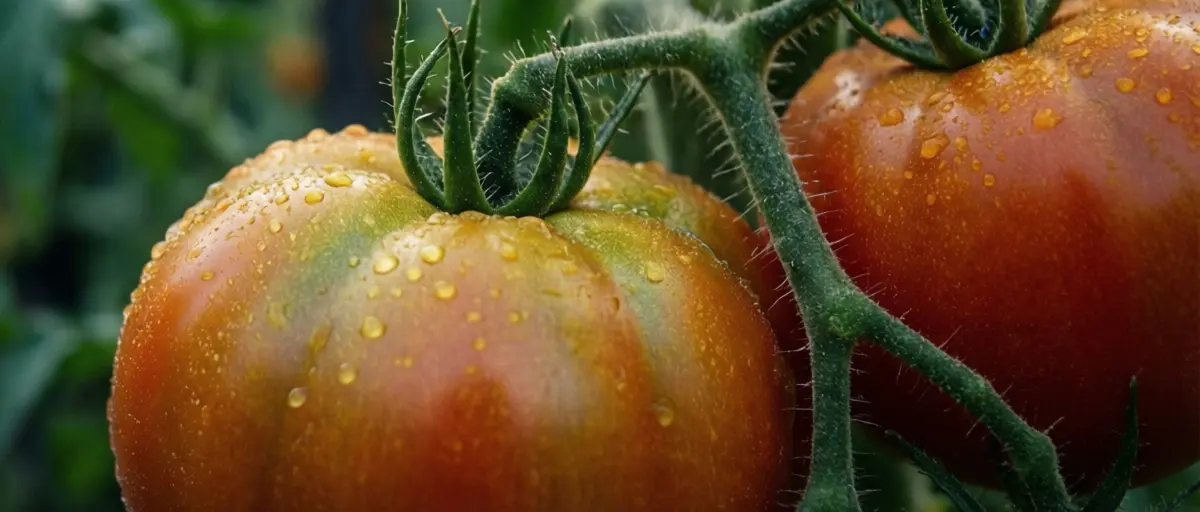
- Timing is Key: Harvest tomatoes when they are fully colored, firm, and easily detach from the vine with a gentle twist.
- Morning Harvest: Pick tomatoes in the morning after the dew has dried for the best flavor and storage quality.
- Frequent Picking: Regular harvesting encourages the plant to produce more fruit. Check your plants every 1-2 days during peak season.
- Personalized Tip: For that authentic, sun-warmed flavor, try harvesting a few small, ripe cherry tomatoes right off the vine and pop them directly into your mouth as a garden snack. It’s a simple pleasure that connects you directly to the fruits of your labor!
Common Pests & Diseases to Avoid
Even with the best companion planting, vigilance is key.
- Tomato Hornworm: Large, green caterpillars that can defoliate a plant quickly. Prevention: Encourage birds and parasitic wasps (attracted by dill, parsley, and borage). Hand-pick and destroy them (they glow under a blacklight!).
- Aphids: Small, soft-bodied insects that cluster on new growth. Prevention: Companion plant with nasturtiums (trap crop) or marigolds. Introduce ladybugs. Treat with insecticidal soap.
- Early Blight & Late Blight: Fungal diseases causing dark spots on leaves and fruit. Prevention: Ensure good air circulation (prune lower leaves, proper spacing). Water at the base of the plant. Use disease-resistant varieties. Organic fungicides (copper or sulfur-based) can be used as a treatment.
- Blossom End Rot: Not a disease, but a calcium deficiency, appearing as a dark, sunken spot on the bottom of the fruit. Prevention: Maintain consistent soil moisture (avoid wide fluctuations). Ensure adequate calcium in the soil (add bone meal or gypsum if deficient, based on a soil test).
- Prevention is always easier than cure. Regular inspection (daily or every other day) of your plants will allow you to catch issues early.
Seasonal Maintenance & Overwintering
While most tomatoes are annuals, proper care extends their productivity and sets you up for future success.
- Mid-Season Pruning: For indeterminate varieties, prune suckers (small shoots growing in the crotch between the main stem and a leaf branch) to direct energy into fruit production rather than excessive foliage. However, avoid over-pruning, as leaves are essential for photosynthesis and protecting fruit from sunscald.
- Fertilization: As tomatoes are heavy feeders, a mid-season boost of balanced organic fertilizer (e.g., granular 5-10-5) or a liquid feed of compost tea can revitalize plants and support fruit development.
- End-of-Season Cleanup: Once frost hits, spent tomato plants can harbor disease pathogens. It’s best to remove and dispose of (not compost) diseased plant material to prevent carryover to next year.
- Overwintering (Annuals): Since tomatoes are typically grown as annuals in most climates, overwintering isn’t a standard practice. However, if you have special heirloom varieties, you might try taking cuttings before frost and rooting them indoors to keep a genetic line going for the next season. This is more of an advanced technique for passionate growers.
- Soil Revitalization: After removing plants, consider planting a cover crop (like clover or vetch) in your tomato bed to replenish soil nutrients and prevent erosion over winter. Alternatively, add a fresh layer of compost.
Conclusion
By strategically asking yourself what vegetables grow well together, you unlock a gardening approach that’s not only sustainable but also remarkably effective. Co-planting with tomatoes isn’t just a quirky gardening trend; it’s a centuries-old practice backed by modern understanding, leading to stronger plants, fewer pests, and undeniably richer flavors. So, don’t just plant tomatoes – cultivate a community! We encourage you to roll up your sleeves, experiment with these companion plant pairings, and witness the transformative power in your own garden. Share your success stories and tag us in your vibrant garden photos – we’d love to see your intelligent planting in action! Explore our other guides on “DIY Organic Pest Control” or “Maximizing Small Garden Spaces” for more innovative gardening insights.
FAQs
Q1: Can I plant all the companion plants mentioned in one bed?
A1: While all listed companions are beneficial, it’s wise to consider spacing and the specific needs of each plant. For instance, strong-scented herbs like basil are great near tomatoes, while root crops like carrots need enough space to grow without competing directly with tomato roots. A balanced approach with strategic placement is best.
Q2: How quickly will I see results from companion planting?
A2: Some benefits, like pest deterrence from strong-scented herbs, can be noticeable within weeks. Others, like improved soil health or enhanced flavor, might take a full growing season to fully manifest. The long-term benefits of a healthier, more balanced ecosystem build over time.
Q3: Are there any plants I absolutely should NOT plant near tomatoes?
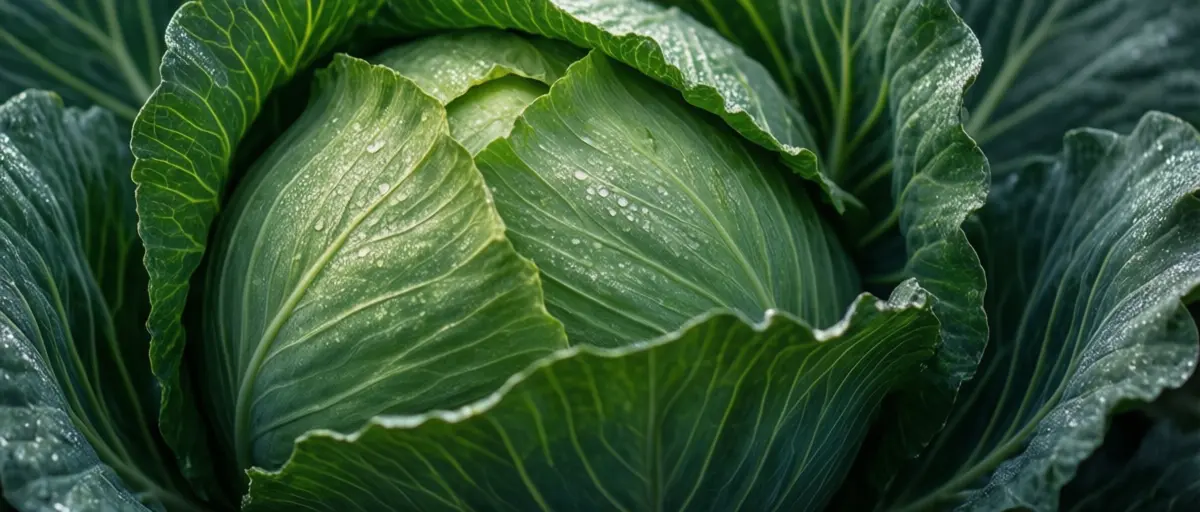
A3: Yes! Avoid planting brassicas (broccoli, cabbage, kale, cauliflower) near tomatoes, as they can stunt tomato growth and have different soil pH preferences. Also, keep corn away, as they share common pests like corn earworms. Walnuts are also detrimental due to a chemical called juglone they release.
Q4: What if I have limited space in my garden?
A4: Container gardening is an excellent solution! Choose compact tomato varieties and plant smaller companions like basil, marigolds, or nasturtiums directly in the same large container. Vertical gardening techniques with trellises can also maximize space efficiently.
Q5: Does companion planting replace the need for pest control or fertilization?
A5: Companion planting is a powerful preventative and supportive strategy, but it’s not a complete replacement for all care. It significantly reduces pest pressure and can improve soil health, but active monitoring, occasional organic pest treatments, and supplementary fertilization (especially for heavy feeders like tomatoes) might still be necessary for optimal results.