The Garlic Scape Flower: Understanding Bulbils and True Seed
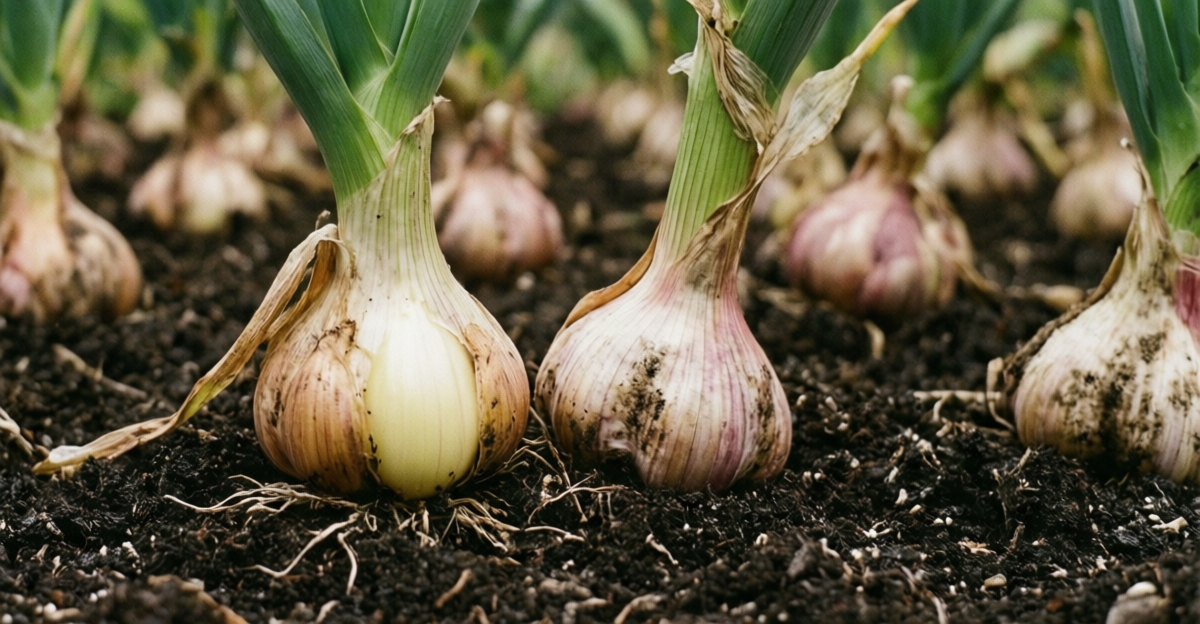
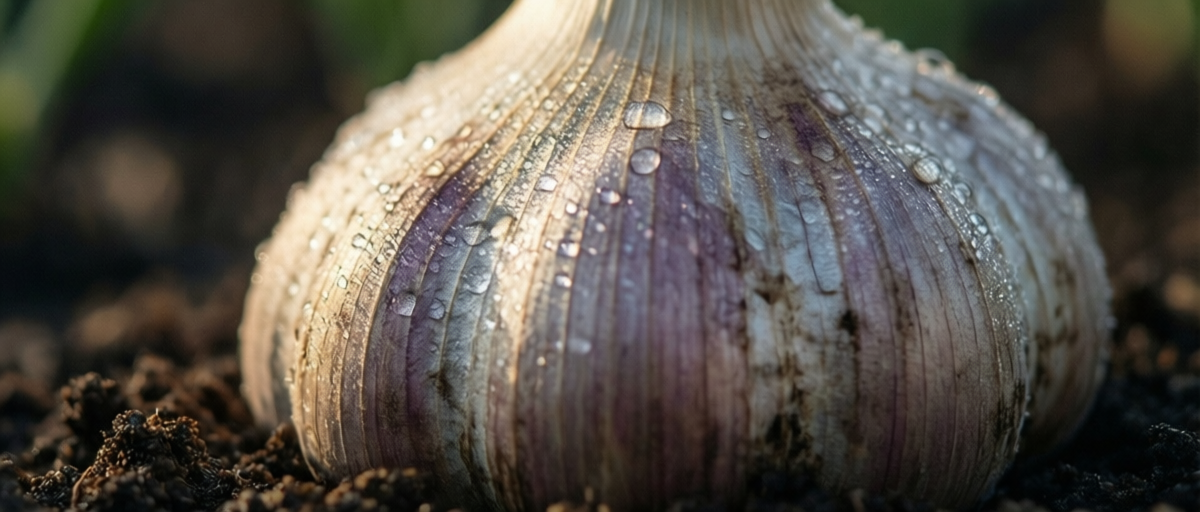
The Garlic Scape Flower reveals a hidden side to the life cycle of one of your favorite kitchen staples. If you have ever asked, “what does garlic look like growing?” you aren’t alone. While most home gardeners are familiar with planting cloves, fewer understand the fascinating process of the scape, the production of bulbils, and the rare development of true seed. This post will demystify these unique propagation methods and provide a comprehensive guide—covering garlic growing stages from clove, answering does garlic grow underground, and providing pictures of how garlic grows—to fully explain how does garlic reproduce.
Table of Contents
Tools & Soil Requirements
To cultivate flourishing garlic and truly appreciate what does garlic look like growing, you’ll need the right foundation. Think of it as creating a five-star hotel for your garlic!
- Tools:
- Trowel or Dibber: For precise clove planting.
- Gloves: To protect your hands from soil and garlic oils.
- Hand Fork or Cultivator: For loosening soil and weeding.
- Watering Can or Hose: For consistent moisture.
- Organic Mulch: Straw or shredded leaves for insulation and weed suppression.
- Soil Type: Garlic thrives in rich, loamy, well-draining soil with a pH between 6.0 and 7.0. This ideal consistency allows roots to penetrate easily and prevents waterlogging, a common enemy of underground bulbs. Amend heavy clay soils with compost and sand, and sandy soils with ample organic matter to improve water retention and nutrient availability.
- Climate Conditions: Garlic prefers cool weather for initial root development and then warmer temperatures for bulb maturation. It’s generally suited for USDA Hardiness Zones 4-9, requiring a period of cold stratification (vernalization) to promote robust bulb formation.
Best Planting Season & Timing
The secret to a spectacular garlic harvest often lies in impeccable timing. For understanding exactly what does garlic look like growing from the outset, knowing when to plant is crucial.
- Planting Season: The prime time for planting garlic is late fall, typically 4-6 weeks before the first hard freeze, giving the roots time to establish before winter dormancy. In milder climates, early winter planting can also be successful.
- Germination Time: While you won’t see “germination” in the traditional sense from a clove, roots generally begin to form within 2-4 weeks after planting, especially if soil temperatures are above 50°F (10°C). Shoots typically emerge in early spring as temperatures rise.
- Time to Maturity: From planting clove to harvest-ready bulb, garlic takes approximately 7-9 months. This longer growth cycle is a testament to the robust development needed for those pungent, flavorful bulbs. This extended period, compared to, say, radishes that mature in 3-4 weeks, demands patience but rewards heavily.
Step-by-Step Planting Instructions
Embark on your garlic-growing journey with these clear, actionable steps, transforming the theoretical what does garlic look like growing into a tangible reality in your garden bed.
Step 1: Prepare Your Soil Bed
Begin by enriching your chosen site with 2-4 inches of well-rotted compost. Turn the soil to a depth of 8-10 inches, ensuring it’s loose and free of large clumps. A well-prepared bed is the bedrock of strong garlic development.
Step 2: Select and Separate Cloves
Choose large, healthy, unblemished cloves from a reputable seed garlic supplier (not grocery store garlic, which is often treated to prevent sprouting). Gently separate the individual cloves from the head, being careful not to bruise the basal plate (the flat bottom part from which roots emerge).
Step 3: Plant Your Cloves
Plant each clove pointed-side up, about 2-3 inches deep, and 4-6 inches apart in rows spaced 12-18 inches apart. This spacing allows ample room for bulb development and good air circulation, crucial for preventing fungal issues. Picture a tidy army of future garlic bulbs!
Step 4: Water and Mulch
After planting, thoroughly water the bed to settle the soil around the cloves. Then, apply a generous 4-6 inch layer of straw or shredded leaf mulch over the planting area. This mulch insulates the soil, protects against drastic temperature swings, conserves moisture, and suppresses weeds.
Step 5: Waiting for Spring Growth
Now, the waiting game begins. The cold winter months are essential for vernalization. Come spring, as the soil warms, you’ll begin to see the first green shoots emerge, a true sign of what does garlic look like growing as it awakens from its winter slumber.
Plant Care Essentials
Maintaining a watchful eye on your garlic as it grows will ensure a bountiful harvest. Understanding its needs throughout its lifecycle directly influences what does garlic look like growing in its prime.
- Water Needs: Garlic requires consistent moisture, especially during spring growth and bulb formation (April-June). Aim for about 1 inch of water per week, either from rain or irrigation. Reduce watering as harvest approaches to prevent rot and encourage curing.
- Sunlight Requirements: Full sun is non-negotiable for garlic! At least 6-8 hours of direct sunlight daily will fuel photosynthesis and lead to larger, healthier bulbs. Any less can result in smaller, underdeveloped heads.
- Temperature Tolerance: Garlic is hardy, tolerating winter lows well into the single digits Fahrenheit with adequate mulch. During its active growth phase, it prefers temperatures between 50-80°F (10-27°C). Extreme heat can stunt bulb development.
- Nutrient Boost: Side-dress with a balanced organic fertilizer or compost tea in early spring as shoots emerge. A second feeding in late spring (around May) can also boost bulb size.
Best Varieties & Companion Plants
Choosing the right garlic variety and pairing it with beneficial companions can significantly enhance your gardening experience and the quality of your harvest, further illuminating what does garlic look like growing in a thriving ecosystem.
- Best Varieties:
- ‘Music’ (Hardneck): A robust cultivar known for large, easy-to-peel cloves, excellent flavor, and good disease resistance. It produces prominent scapes.
- ‘Inchelium Red’ (Softneck): A widely adaptable and vigorous variety, producing large, mild, and often braided bulbs.
- ‘Chesnok Red’ (Hardneck): Prized for its culinary versatility, especially for roasting, with a rich, complex flavor.
- Companion Plants:
- Chamomile: Believed to improve garlic flavor and vigor.
- Spinach & Lettuce: Shallow-rooted growers that don’t compete for nutrients.
- Tomatoes & Peppers: Garlic can deter common pests like aphids from these susceptible plants.
- Roses: Planting garlic near roses is said to deter aphids and black spot.
- Avoid: Beans and peas, as garlic can stunt their growth.
Landscape Uses & Harvest Tips
Beyond the kitchen, garlic offers aesthetic appeal and strategic benefits in your garden. Observing what does garlic look like growing at its peak also informs the perfect harvest moment.
- Landscape Uses:
- Edible Borders: Plant a row of garlic along garden beds for a practical, pest-repelling border.
- Herb Garden Integration: Incorporate garlic among other herbs for a tiered, aromatic display.
- Ornamental Scapes: Allow hardneck garlic to produce their curly scapes, adding a unique architectural element to your garden before you harvest them for culinary use.
- Harvest Tips:
- Timing is Key: Harvest when the lower 1/3 to 1/2 of the leaves have turned yellow/brown, but the upper leaves are still green. This usually occurs in late June or July.
- Gentle Extraction: Loosen the soil around the bulbs with a fork before gently pulling them out. Avoid pulling directly on the stalk the moment you see what does garlic look like growing into a fully formed plant, as this can break the neck.
- Curing: Cure garlic in a warm, dry, well-ventilated area (like a shed or garage) for 2-4 weeks. Hang them in bundles or spread them on racks. Curing allows the outer wrappers to dry, sealing in flavor and extending storage life.
Common Pests & Diseases to Avoid
Even robust garlic plants can face challenges. Being proactive about pest and disease prevention is vital for a healthy harvest and understanding the true resilience of what does garlic look like growing.
- White Rot: A serious fungal disease that attacks the bulb. Symptoms include yellowing leaves and a white, fuzzy growth at the base of the plant.
- Prevention: Practice strict crop rotation (avoid planting alliums in the same spot for 4 years), ensure good drainage, and use disease-free planting stock.
- Rust: Orange-yellow pustules on leaves. While rarely fatal to the plant, severe infestations can reduce bulb size.
- Prevention: Good air circulation, avoid overhead watering, and remove infected leaves.
- Bulb Mites: Tiny arachnids that feed on developing bulbs, causing them to rot.
- Prevention: Plant healthy, undamaged cloves, and ensure proper soil drainage.
- Thrips: Tiny insects that feed on leaves, leaving silvery streaks.
- Prevention: Maintain plant vigor, use reflective mulch, and introduce beneficial insects.
Seasonal Maintenance & Overwintering
Ensuring your garlic thrives year-round involves strategic seasonal care and preparing it for the dormant period. Observing what does garlic look like growing through the seasons offers clues for its needs.
- Spring: As green shoots emerge, remove any lingering thick mulch to allow soil to warm. Side-dress with compost or organic fertilizer. Keep the area weed-free, as weeds compete for nutrients and water. Begin weekly watering if rainfall is insufficient.
- Summer: Continue watering, especially during dry spells. Hardneck garlic will produce flower stalks (scapes) in early to mid-summer. Snap these off to direct energy into bulb formation, not flower and bulbil production. If you leave the scapes, you’ll see what does garlic look like growing into its intriguing flower form.
- Fall (Post-Harvest): Once harvested and cured, store bulbs in a cool, dry, dark pantry. Prepare your beds for next season’s planting by amending with compost.
- Winter: If planting in fall, ensure a generous layer of mulch is applied before the first hard freeze to protect developing root systems. This insulation is crucial for spring vigor.
Conclusion
From a single clove pushed into the earth to the vibrant green shoots of spring, understanding what does garlic look like growing is a deeply rewarding journey. We’ve explored everything from soil preparation and planting techniques to harvesting and curing, not forgetting the fascinating garlic scape flower and its potential for reproduction via bulbils or the rare true seed. By following these comprehensive, data-backed guidelines, you’re not just growing garlic; you’re nurturing a culinary staple with a rich history and a surprisingly complex life cycle.
Ready to plant your own resilient harvest? Share your garlic-growing pictures or questions in the comments below, or explore our other guides on edible plants for more green-thumb inspiration!
FAQs
- Q: Can I grow garlic from a grocery store garlic head?
- A: While technically possible, it’s not recommended. Grocery store garlic is often treated with sprout inhibitors and may carry diseases. For best results, purchase certified seed garlic from a reputable supplier.
- Q: What are garlic scapes, and should I remove them?
- A: Garlic scapes are the flower stalks produced by hardneck garlic varieties. Removing them (snapping them off when they form a curl) directs the plant’s energy into developing a larger bulb, rather than producing flowers and bulbils. They are also delicious to eat!
- Q: How do I know when my garlic is ready to harvest?
- A: Look for the lower 1/3 to 1/2 of the leaves turning yellow or brown while the upper leaves remain green. Harvesting too early results in smaller bulbs; too late can lead to split wrappers and reduced storage life.
- Q: Can garlic reproduce by true seed?
- A: Yes, but it’s exceptionally rare for most cultivated garlic varieties to produce viable true seeds. The flowers often produce vegetative bulbils instead. True seed propagation is mainly done by plant breeders to create new varieties.
- Q: Does garlic grow in containers?
- A: Yes, garlic can be grown in containers! Choose a pot at least 8-10 inches deep and wide with good drainage. Space cloves 4-6 inches apart. Container garlic may produce slightly smaller bulbs than garden-grown garlic but is a great option for limited space.