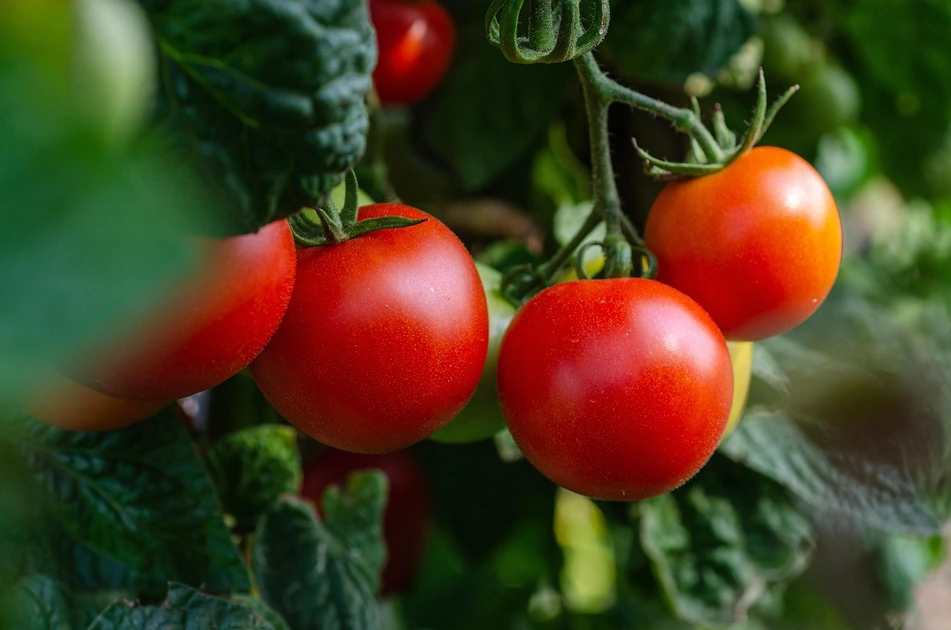
Best tips for caring for a tomaten plant.
Caring for your tomaten plant is crucial for a bountiful harvest. With the right techniques, you can enjoy a season filled with fresh, juicy tomatoes.
Proper care involves understanding the specific needs of your tomato plant. This includes providing the right amount of sunlight, water, and nutrients.
By following the tips outlined in this article, you’ll be well on your way to growing a healthy and productive tomaten plant. We’ll cover essential topics to help you achieve a successful harvest.
Table of Contents
Getting to Know Your Tomaten Plant
Knowing the ins and outs of your tomaten plant can significantly improve its yield. To start, it’s essential to understand the different types of tomato plants and their growth patterns.
Popular Tomato Plant Varieties
Tomato plants come in a variety of shapes and sizes, each with its unique characteristics. Popular varieties include ‘Brandywine’, ‘Cherry Tomatoes’, and ‘Roma’, among others. Choosing the right variety depends on your climate, available space, and personal preference.
Determinate vs. Indeterminate Types
Tomato plants are generally classified into two categories: determinate and indeterminate. Determinate plants are compact, produce fruit all at once, and are ideal for canning. Indeterminate plants are vining, produce fruit continuously, and require more support.
Understanding the Tomato Growth Cycle
The growth cycle of a tomato plant includes several stages, from germination to fruit production. Understanding these stages helps in providing the right care at the right time.
By recognizing the type of tomato plant you have and understanding its growth cycle, you can tailor your care strategies to meet its specific needs, ensuring a healthy and productive plant.
Selecting the Perfect Growing Location
Choosing the right location for your tomato plant is crucial for its growth and productivity. The ideal location provides the necessary conditions for your tomato plant to thrive.
Sunlight for Tomato Plants: How Much Is Needed
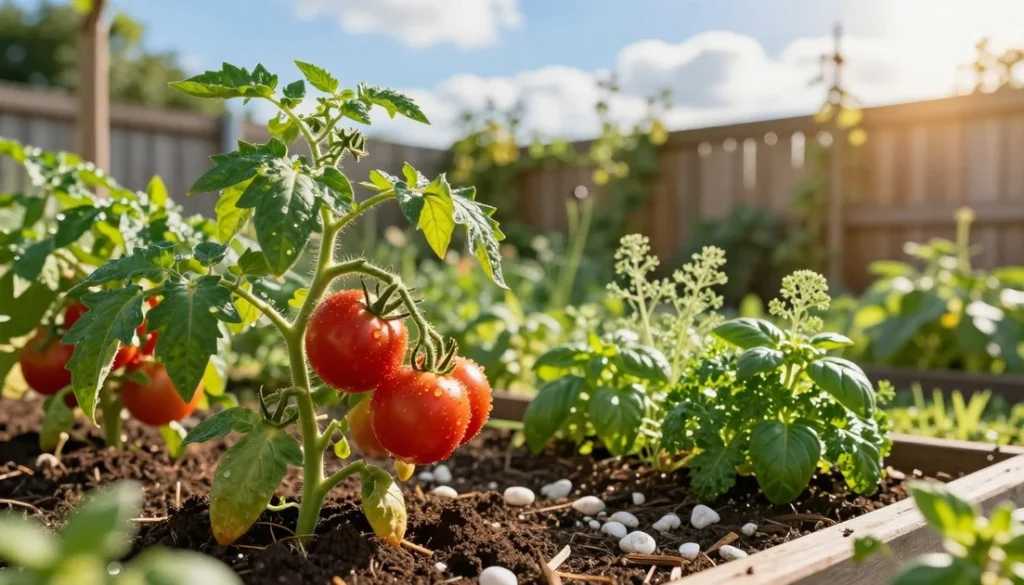
Tomato plants require a substantial amount of sunlight to produce a bountiful harvest. A minimum of 6 hours of direct sunlight per day is recommended, but 8-10 hours is ideal. Ensure that the chosen location is not shaded by trees or other structures.
Temperature and Climate Considerations
Tomatoes are warm-season crops and thrive in temperatures between 65°F and 85°F (18°C and 30°C). Avoid planting in areas with frost or where the temperature consistently drops below 55°F (13°C). Climate also plays a role; tomatoes need a relatively dry climate to prevent fungal diseases.
Space Requirements for Different Varieties
The space needed varies significantly between determinate and indeterminate tomato varieties. Determinate varieties require about 2-3 feet between plants, while indeterminate varieties need 3-4 feet. Consider using supports for indeterminate varieties to maximize space.
| Tomato Variety | Space Required | Support Needed |
| Determinate | 2-3 feet | No |
| Indeterminate | 3-4 feet | Yes |
By considering these factors, you can select the perfect growing location for your tomato plants, ensuring a healthy and productive harvest.
Best Soil for Tomato Plants
Soil quality plays a crucial role in the success of your tomato plants, affecting their growth and yield. To optimize soil conditions, it’s essential to understand the specific needs of your tomato plants.
Ideal Soil Composition and pH Balance
The ideal soil for tomato plants is well-draining, rich in organic matter, and has a balanced pH. Tomatoes prefer a slightly acidic to neutral soil pH, ranging from 6.0 to 7.0. A mix of compost, peat moss, and perlite can provide the necessary nutrients and drainage.
- Compost adds essential nutrients
- Peat moss retains moisture
- Perlite improves drainage
Amending Garden Soil for Tomatoes
To amend your garden soil, start by testing its pH and nutrient levels. Based on the results, you can add organic amendments like compost or well-rotted manure to improve soil fertility and structure.
Container Soil Mixes for Potted Plants
For container-grown tomatoes, a high-quality potting mix is essential. Look for a mix that contains vermiculite or perlite for improved drainage and compost for nutrient-rich soil.
- Choose a potting mix specifically designed for tomatoes
- Avoid using garden soil in containers
- Replenish the potting mix as needed
By optimizing your soil conditions, you can significantly improve the health and productivity of your tomato plants. Whether you’re growing in the ground or in containers, the right soil mix can make all the difference.
Planting Your Tomaten Plant Correctly
The success of your tomaten plant begins with proper planting techniques. Whether you’re a seasoned gardener or a beginner, understanding the best practices for planting tomaten plants will significantly impact their growth and productivity.
Optimal Planting Times by Region
The ideal time to plant tomaten plants varies by region, depending on the climate and soil temperature. In general, it’s best to plant when the soil has warmed up to at least 55°F (13°C). In warmer climates, this can be as early as late winter, while in cooler areas, it’s often late spring.
- In USDA zones 9-11, start planting in late February or early March.
- In zones 4-8, wait until the soil has warmed and the risk of frost has passed, typically around late May.
Proper Planting Depth and Spacing
Planting depth and spacing are critical for the healthy development of tomaten plants. Plant seedlings deeper than they were in their pots, up to the first true leaves, to encourage a strong root system. For spacing, determinate varieties can be planted closer together (about 2 feet apart), while indeterminate varieties need more space (about 3 feet apart) to accommodate their sprawling growth.
Transplanting Seedlings Successfully
When transplanting seedlings, handle them carefully to avoid damaging their roots. Harden off seedlings before transplanting by gradually exposing them to outdoor conditions over the course of 7-10 days. This helps reduce shock and promotes quicker establishment.
By following these tips for tomato plants, you’ll be well on your way to growing healthy and productive tomaten plants, regardless of the variety you choose.
Watering Tomato Plants Effectively
The right watering technique can make a significant difference in the health of your tomato plants. Consistent and appropriate watering practices help prevent common issues such as cracking, blossom-end rot, and disease susceptibility.
Establishing a Watering Schedule
To water your tomato plants effectively, you need to establish a consistent watering schedule. Tomatoes generally require about 1-2 inches of water per week, either from rainfall or irrigation. It’s best to water them deeply once or twice a week, depending on weather conditions, rather than shallowly every day.
Signs of Improper Watering
Both overwatering and underwatering can be detrimental to your tomato plants. Signs of overwatering include yellowing leaves and cracked fruit, while underwatering can cause wilted leaves and blossom-end rot. Monitoring your plants’ response to watering is crucial.
Drip Irrigation and Other Watering Methods
Drip irrigation is one of the most efficient methods for watering tomato plants, as it delivers water directly to the roots, minimizing evaporation and runoff. Other methods include soaker hoses and mulching around the plants to retain moisture.
| Watering Method | Efficiency | Cost |
| Drip Irrigation | High | Moderate |
| Soaker Hoses | Moderate | Low |
| Mulching | High | Low |
By understanding and implementing the right watering techniques, you can significantly improve the health and productivity of your tomato plants.
Fertilizing for Abundant Harvests
Understanding how to fertilize your tomato plants effectively can significantly boost your yield. Fertilization plays a critical role in providing the necessary nutrients for healthy growth and fruit production.
Essential Nutrients for Healthy Growth
Tomato plants require a balance of nutrients to grow strong and produce fruit abundantly. The key nutrients include nitrogen (N), phosphorus (P), and potassium (K). Nitrogen promotes leaf growth, phosphorus is crucial for root development and fruiting, and potassium helps with overall plant health.
Organic vs. Synthetic Fertilizer Options
When it comes to fertilizers, you have the option of using either organic or synthetic types. Organic fertilizers, such as compost or manure, release nutrients slowly and improve soil structure. Synthetic fertilizers provide quick nutrients but can harm soil health if overused.
| Fertilizer Type | Release Rate | Soil Impact |
| Organic | Slow | Improves soil structure |
| Synthetic | Quick | Potential to harm if overused |
Timing and Application Techniques
The timing and method of fertilizer application are crucial. Generally, you should fertilize your tomato plants at planting time, when they start to fruit, and again a few weeks later. It’s also important to follow the instructions on the fertilizer package to avoid over-fertilizing.
Pruning and Supporting Tomato Plants
Effective pruning and support techniques can significantly improve the health and productivity of your tomato plants. By pruning your tomato plants, you can control their shape, promote healthy growth, and increase fruit production.
Benefits of Pruning Tomato Plants
Pruning your tomato plants offers several benefits. It helps to remove diseased or damaged leaves, improves air circulation, and allows more sunlight to reach the fruit. This results in healthier plants and a more abundant harvest. Proper pruning techniques can also help prevent the spread of disease.
Step-by-Step Pruning Techniques
To prune your tomato plants effectively, start by removing any suckers that grow between the main stem and a branch. Use clean, sharp pruning tools to prevent spreading disease. Next, remove any weak or spindly growth to direct the plant’s energy towards producing fruit. Regular pruning encourages bushy growth and more fruit.
Support Systems: Stakes, Cages, and Trellises
Tomato plants need support as they grow to keep them upright and encourage better fruiting. There are several support systems you can use, including stakes, cages, and trellises. Stakes are ideal for indeterminate varieties, while cages provide excellent support for larger plants. Trellises are another option, allowing you to train your tomato plants to grow upwards.
By combining effective pruning techniques with the right support system, you can significantly improve the health and productivity of your tomato plants. This will result in a more bountiful harvest and a more enjoyable gardening experience.
Preventing and Treating Tomato Plant Diseases
Tomato plant diseases can be a significant threat to your harvest, but understanding how to prevent and treat them can save your crop. Tomato plants are vulnerable to various diseases caused by fungi, bacteria, and viruses. Effective management of these diseases is crucial for a healthy and productive garden.
Common Fungal Problems
Fungal diseases are among the most common issues affecting tomato plants. These diseases can cause significant damage if not addressed promptly.
Early Blight and Late Blight
Early blight and late blight are two of the most prevalent fungal diseases. Early blight causes yellowing leaves with concentric rings, while late blight leads to large, water-soaked lesions on leaves and stems. To manage these diseases, remove infected leaves, improve air circulation, and apply fungicides as necessary.
Powdery Mildew and Fusarium Wilt
Powdery mildew appears as a white, powdery coating on leaves, while Fusarium wilt causes yellowing and wilting of the plant. To control powdery mildew, use resistant varieties and maintain good air circulation. For Fusarium wilt, remove infected plants and improve soil drainage.
Bacterial and Viral Diseases
Bacterial and viral diseases also pose a significant threat to tomato plants. Bacterial canker, bacterial spot, and tomato spotted wilt virus are common examples. These diseases can cause a range of symptoms, including lesions, yellowing, and stunted growth. Managing these diseases involves removing infected plants, controlling insect vectors, and practicing good hygiene.
Preventive Measures and Treatment Options
Preventing diseases is always better than treating them. To protect your tomato plants, use disease-resistant varieties, maintain good garden hygiene, and ensure proper spacing and air circulation. Crop rotation and avoiding overhead watering can also help. When diseases are detected, apply appropriate treatments, such as fungicides or bactericides, according to the product’s instructions.
Managing Pests and Companion Planting
To protect your tomato plants, understanding common pests is essential. Effective management of these pests is crucial for a healthy harvest.
Identifying and Controlling Common Pests
Tomato plants are often affected by various pests that can damage the plant and reduce yield. Common pests include hornworms, aphids, whiteflies, and spider mites.
Tomato Hornworms and Aphids
Tomato hornworms are large, green caterpillars that can eat through leaves and fruit. Aphids are small, soft-bodied insects that suck plant sap. Both can be controlled using hand-picking or insecticidal soap.
Whiteflies and Spider Mites
Whiteflies are tiny, winged insects that feed on plant sap, causing yellowing leaves. Spider mites are tiny, spider-like insects that also feed on sap, causing stippling on leaves. Both can be managed with neem oil or by introducing natural predators.
Beneficial Companion Plants for Tomatoes
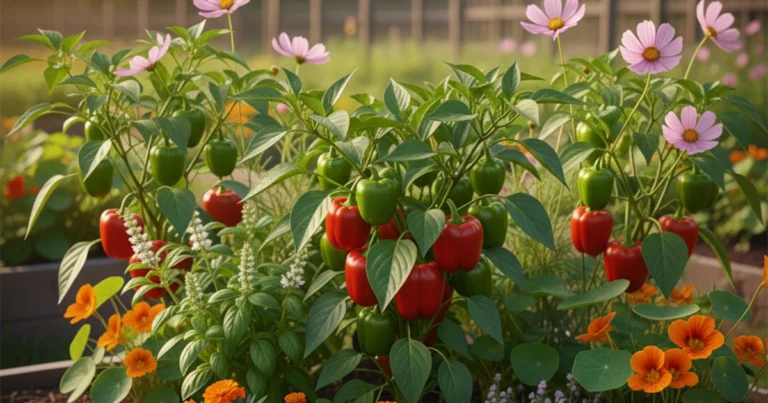
Some plants can help deter pests when planted alongside tomatoes. For example, basil repels aphids and improves flavor, while marigold repels nematodes.
| Companion Plant | Pest Repelled |
| Basil | Aphids |
| Marigold | Nematodes |
| Nasturtium | Aphids, Whiteflies |
Natural and Chemical Pest Control Methods
Both natural and chemical methods can be used to control pests. Natural methods include introducing beneficial insects, while chemical methods involve using pesticides.
Conclusion: Harvesting and Enjoying Your Tomatoes
After following the tips and strategies outlined in this article, you’re now ready to harvest and enjoy the fruits of your labor from your tomaten plant. Determining when your tomatoes are ripe is crucial for optimal flavor and texture.
Check for ripeness by gently tugging on the fruit; a ripe tomato should come off the plant easily. For tomatoes that are not yet ripe, you can speed up the ripening process by bringing them indoors or using ethylene-producing fruits like bananas to stimulate ripening.
By applying the tips for tomato plants discussed throughout this article, you can enjoy a bountiful harvest of delicious, homegrown tomatoes. Whether you’re using them in salads, sauces, or as a fresh snack, the satisfaction of growing your own tomatoes is unmatched.
FAQ
How often should I water my tomato plant?
The frequency of watering your tomato plant depends on factors like weather, soil type, and the plant’s growth stage. Generally, tomato plants need about 1-2 inches of water per week, either from rainfall or irrigation. You should check the soil moisture by inserting your finger into the soil up to the knuckle; if the soil feels dry, it’s time to water.
What is the best soil pH for tomato plants?
Tomato plants prefer a slightly acidic to neutral soil pH, ranging from 6.0 to 7.0. A pH below 6.0 can lead to nutrient deficiencies, while a pH above 7.0 can cause nutrient imbalances. You can test your soil pH and adjust it if necessary by adding lime to raise the pH or sulfur to lower it.
How much sunlight do tomato plants need?
Tomato plants require full sun to produce a bountiful harvest, which means they need at least 6 hours of direct sunlight per day. However, in warmer climates, some afternoon shade can help prevent scorching. Make sure to choose a location that receives sufficient sunlight for your tomato plants.
What are some common diseases that affect tomato plants?
Tomato plants are susceptible to various diseases, including early blight, late blight, powdery mildew, and fusarium wilt. These diseases can be caused by fungi, bacteria, or viruses. To prevent or manage these diseases, use resistant varieties, practice good sanitation, and apply organic or chemical controls as needed.
How can I prevent pests from damaging my tomato plants?
To prevent pest damage, use a combination of techniques such as companion planting, crop rotation, and organic or chemical pest control methods. Some beneficial companion plants for tomatoes include basil, marigold, and nasturtium, which can help deter pests like whiteflies, aphids, and nematodes.
How do I prune my tomato plant for optimal growth?
Pruning your tomato plant involves removing lower leaves, weak growth, and suckers to promote healthy growth and fruiting. Start by removing the lower leaves to prevent soil-borne diseases from splashing up onto the plant. Then, remove weak or spindly growth to direct the plant’s energy towards fruiting. Finally, remove suckers to control the plant’s shape and promote fruiting.
What is the best fertilizer for tomato plants?
Tomato plants require a balanced fertilizer that provides essential nutrients like nitrogen, phosphorus, and potassium. You can use organic or synthetic fertilizers, depending on your preference. Organic options include compost, manure tea, or fish emulsion, while synthetic fertilizers are available in various formulations. Follow the instructions on the label for application rates and timing.