Best Pepper Companion Plants: Boost Your Harvest
Growing pepper companion plants can significantly enhance your harvest. By choosing the right companions, you can improve soil health, reduce pests, and increase yields.
Table of Contents
Companion planting is a simple yet effective technique that involves growing different plants together to achieve mutual benefits. When it comes to peppers, selecting the best companions can make a big difference in your garden’s productivity.
Key Takeaways
- Improve soil health with the right companions
- Reduce pests and diseases naturally
- Increase yields with strategic planting
- Enhance flavor and nutrition with complementary plants
- Create a balanced ecosystem in your garden

Understanding Companion Planting for Peppers
By applying the principles of companion planting, you can create a more balanced and thriving pepper garden. Companion planting is a traditional gardening practice that involves growing different plants together to improve their growth, health, and productivity.
What Is Companion Planting?
Companion planting is based on the idea that certain plants can benefit each other when grown together. This technique involves selecting the right “buddies” for your pepper plants to enhance their health and yield. For instance, some plants repel pests that can damage peppers, while others improve soil quality or provide shade.
Historical Background of Plant Pairing
The concept of companion planting dates back to ancient times. Many traditional farming practices involved growing multiple crops together, a method known as polyculture. This approach was used by indigenous cultures and early farmers to create diverse and resilient agricultural ecosystems.
Modern Applications in Home Gardens
In modern home gardens, companion planting is used to create a more sustainable and productive growing environment. By choosing the right pepper garden companions, you can reduce the need for chemical pesticides and fertilizers, improve soil health, and increase biodiversity.
The following table illustrates some effective plant pairing for peppers:
| Pepper Companion | Benefit |
|---|---|
| Basil | Improves flavor and repels pests |
| Onions | Repels pests and improves soil health |
| Marigolds | Repels nematodes and attracts beneficial insects |
By understanding and applying the principles of companion planting, you can make informed decisions about which pepper plant buddies to include in your garden, ultimately leading to a more successful harvest.
Benefits of Companion Planting for Pepper Growth
By choosing the right companion plants, you can improve the health and productivity of your pepper plants. Companion planting is a gardening technique that involves growing different plants together to achieve mutual benefits. For pepper cultivation, this practice can lead to improved soil quality, reduced pest pressure, and enhanced yields.
Improved Soil Quality and Nutrient Availability
Certain companion plants, such as legumes, can enhance soil fertility by fixing nitrogen, a crucial nutrient for pepper plants. Other plants like comfrey act as a fertilizer plant, adding nutrients to the soil as they grow.
| Companion Plant | Benefit to Peppers |
|---|---|
| Legumes (beans, peas) | Nitrogen fixation |
| Comfrey | Acts as a fertilizer plant |
| Marigold | Repels nematodes |
Natural Pest Management
Companion plants like marigolds and nasturtiums repel pests that target peppers, reducing the need for chemical pesticides. Marigolds, for instance, are known to repel nematodes, microscopic worms that can harm pepper roots.
Enhanced Flavor and Yield
Some companion plants can improve the flavor and yield of peppers. For example, basil is known to enhance the flavor of nearby peppers, while plants like sunflowers can provide shade, potentially increasing pepper yields.
Space Optimization in Garden Beds
Companion planting allows for more efficient use of garden space. By selecting plants that complement peppers spatially, such as low-growing herbs or sprawling vines, you can maximize your garden’s productivity.
In conclusion, incorporating companion plants into your pepper garden can have numerous benefits, from improving soil quality to optimizing garden space. By understanding these advantages, you can create a more diverse and resilient garden ecosystem.
The Science Behind Pepper Companion Plants
The success of pepper companion planting lies in the complex interactions between different plant species. By understanding these interactions, you can create a more balanced and productive garden ecosystem.
Allelopathy: Chemical Interactions Between Plants
Allelopathy refers to the process by which plants release chemicals that can either inhibit or promote the growth of nearby plants. Some plants release chemicals that can suppress weeds, while others can enhance the growth of their companions.
Beneficial Insect Attraction
Certain plants attract beneficial insects that prey on pests harmful to peppers. For example, marigolds attract nematode-destroying insects, while basil attracts pollinators and repels pests.
Microclimate Creation
Companion plants can also contribute to the creation of a favorable microclimate around your pepper plants. Tall plants like sunflowers can provide shade, reducing soil temperature and retaining moisture.
| Companion Plant | Benefit to Peppers |
|---|---|
| Basil | Repels pests, attracts pollinators |
| Marigold | Repels nematodes, attracts beneficial insects |
| Sunflower | Provides shade, creates microclimate |
By understanding and leveraging these scientific principles, you can optimize your pepper companion planting strategy to achieve a healthier and more productive pepper crop.
Best Pepper Companion Plants for Your Garden
To boost your pepper crop, consider incorporating these beneficial companion plants into your garden. Companion planting is a time-tested technique that can enhance the growth, flavor, and yield of your peppers. By choosing the right companions, you can create a balanced and thriving garden ecosystem.
Top 10 Plants That Benefit Peppers
Some plants are particularly well-suited to be companions for peppers. Here are the top 10:
- Basil: Improves flavor and repels pests
- Oregano: Known for its pest-repelling properties
- Marjoram: Enhances growth and flavor
- Chives: Repels aphids and other pests
- Garlic: Natural pest control
- Onions: Repel pests and improve soil health
- Carrots: Complementary growth habits
- Radishes: Repel cucumber beetles and other pests
- Spinach: Provides shade and improves soil
- Marigolds: Repel nematodes and other pests

Companion Combinations for Maximum Effect
Combining multiple companion plants can create a synergistic effect, further enhancing the benefits for your peppers. For example, planting basil and chives together near your peppers can improve flavor and provide robust pest control. “Companion planting is not just about placing plants together; it’s about creating a harmonious garden ecosystem,” says gardening expert,Jane Smith.
Easy-to-Grow Options for Beginners
If you’re new to companion planting, start with easy-to-grow options likemarigoldsandbasil. These plants are not only beneficial for peppers but are also relatively low maintenance, making them perfect for beginners. By incorporating these companions into your garden, you’ll be taking a significant step towards a healthier, more productive pepper crop.
Herbs as Ideal Pepper Plant Allies
Companion planting is an age-old technique, and when it comes to peppers, herbs are among the best allies. By integrating specific herbs into your pepper garden, you can enhance growth, flavor, and overall plant health. Herbs not only add culinary value but also play a crucial role in pest management and soil health.
Basil: The Perfect Pepper Partner
Basil is often cited as one of the best companions for peppers. It repels pests that target peppers, such as aphids and mites, and its fragrance can improve the flavor of nearby peppers. Planting basil alongside peppers can also enhance soil health by adding organic matter as it grows.
Aromatic Herbs for Pest Control: Oregano, Thyme, and Mint
Aromatic herbs like oregano, thyme, and mint are known for their pest-repelling properties. Oregano can deter pests that target peppers, while thyme’s antimicrobial properties can help prevent disease. Mint, though it requires containment, can repel aphids and other pests.
Culinary Companions: Parsley, Cilantro, and Dill
Parsley, cilantro, and dill are not only useful in the kitchen but also beneficial in the garden. They attract beneficial insects and can add diversity to your garden, improving its overall resilience.
| Herb | Benefit to Peppers | Pest Control |
|---|---|---|
| Basil | Improves flavor and repels pests | Aphids, mites |
| Oregano | Repels pests | Pepper pests |
| Thyme | Antimicrobial properties | Disease prevention |
By incorporating these herbs into your pepper garden, you can create a balanced ecosystem that promotes healthy growth and maximizes your harvest. Whether you’re growing sweet bell peppers or hot chili peppers, the right herb companions can make a significant difference.
Vegetables That Thrive Alongside Peppers
Peppers can be paired with a variety of vegetables to create a diverse and thriving garden bed. By selecting the right companions, you can enhance the growth, flavor, and overall health of your pepper plants.
Root Vegetables: Carrots, Onions, and Garlic
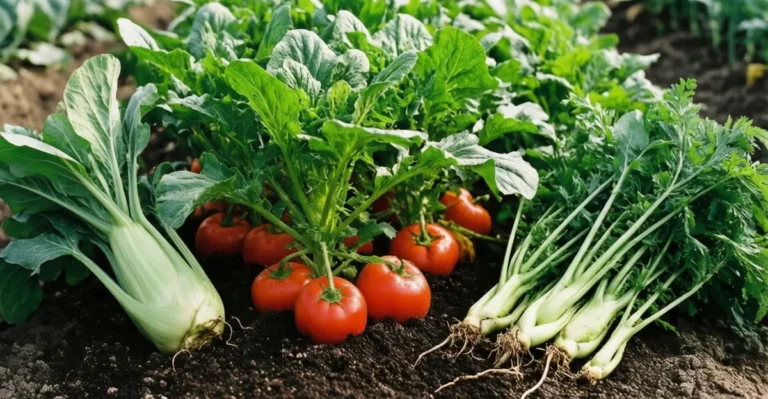
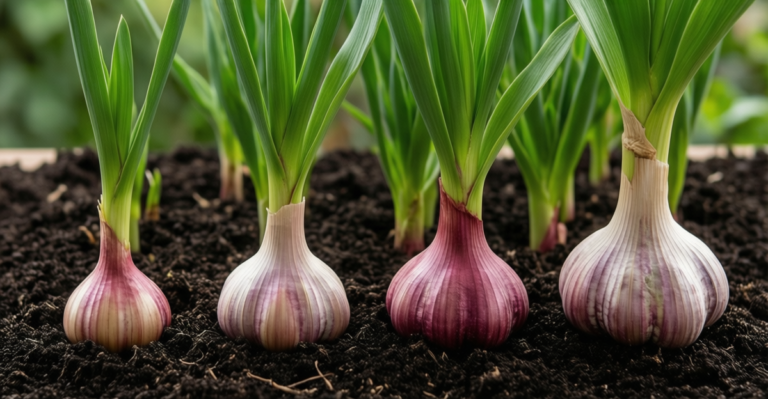
Root vegetables like carrots, onions, and garlic make excellent companions for peppers. Carrots help to break up compacted soil, allowing pepper roots to grow deeper. Onions and garlic repel pests that target peppers, such as aphids and spider mites.
- Carrots: Improve soil structure for peppers
- Onions: Deter pests with their strong scent
- Garlic: Repels aphids and other pests
Leafy Greens: Spinach, Lettuce, and Swiss Chard
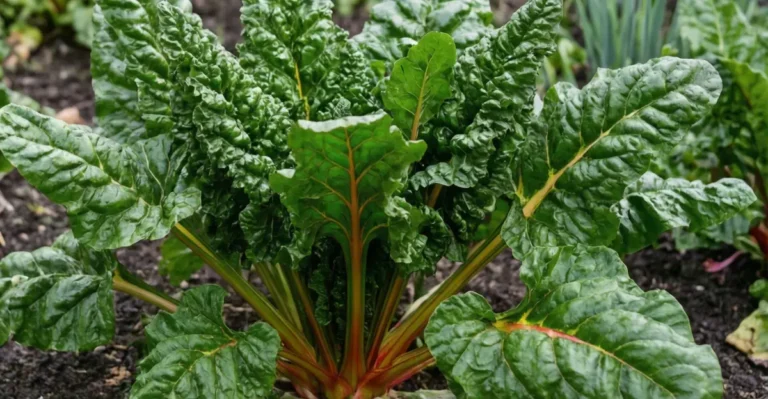
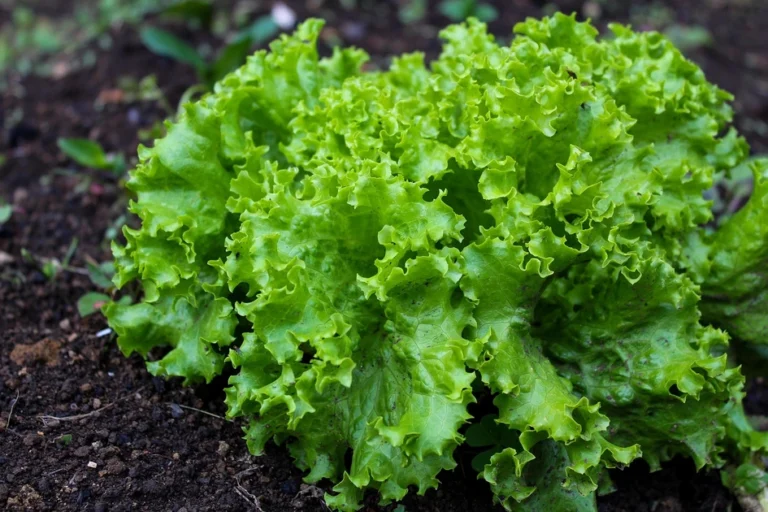
Leafy greens such as spinach, lettuce, and Swiss chard are another great option for companion planting with peppers. These vegetables shade the soil, reducing weed growth and retaining moisture.
Some benefits of leafy greens include:
- Reduced soil temperature
- Moisture retention
- Weed suppression
Other Compatible Vegetables: Cucumbers and Squash
Cucumbers and squash are also compatible with peppers and can be grown together in the same bed. These vegetables spread out, making efficient use of space and shading the soil to prevent weeds.
By incorporating a mix of these vegetables into your pepper garden, you can create a balanced and thriving ecosystem.
Flowers and Cover Crops for Pepper Gardens
Incorporating flowers and cover crops into your pepper garden can significantly enhance its overall health and productivity. By choosing the right companions, you can create a balanced ecosystem that supports your peppers’ growth and resilience.
Marigolds and Nasturtiums for Pest Management
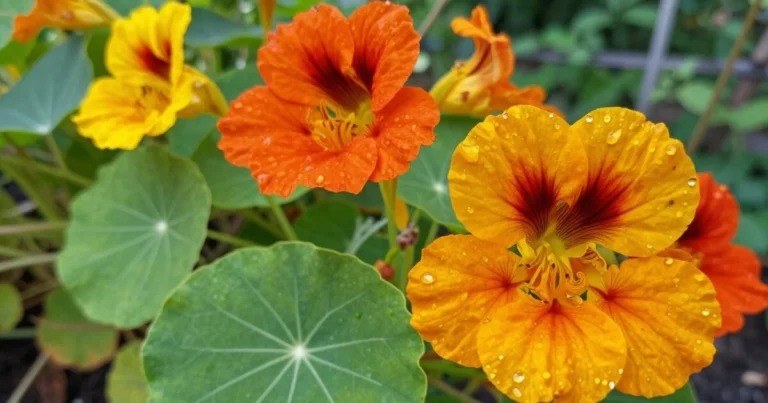
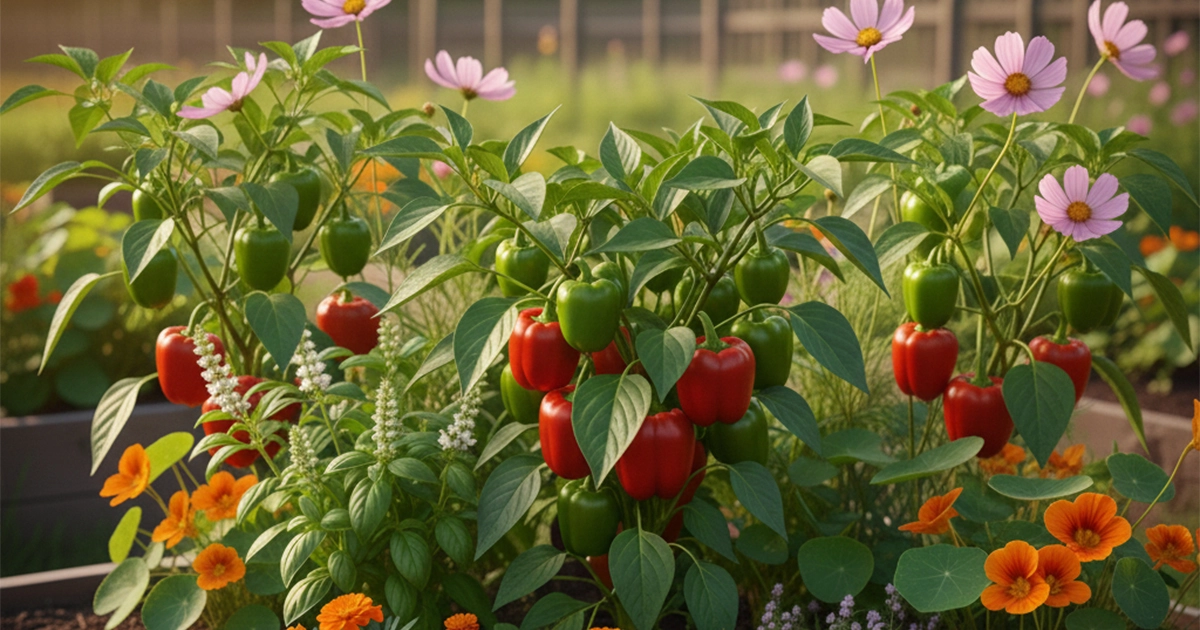
Marigolds and nasturtiums are excellent additions to any pepper garden, serving as natural pest deterrents. Marigolds repel nematodes, microscopic worms that can harm peppers, while nasturtiums attract aphids away from your pepper plants, protecting them from damage. By incorporating these flowers, you can reduce the need for pesticides and maintain a healthier garden environment.
Sunflowers and Cosmos for Beneficial Insects
Sunflowers and cosmos are not only visually appealing but also attract beneficial insects to your pepper garden. Sunflowers provide a tall structure that shelters beneficial insects, while cosmos attract pollinators and other beneficial insects that help maintain a balanced ecosystem. This diversity can lead to healthier pepper plants and a more abundant harvest.
Cover Crops for Soil Health: Clover and Buckwheat
Cover crops like clover and buckwheat are invaluable for maintaining soil health in pepper gardens. Clover fixes nitrogen in the soil, enriching it for your peppers, while buckwheat suppresses weeds and improves soil structure. By incorporating these cover crops into your garden rotation, you can enhance soil fertility and overall garden productivity.
As
“The way to get started is to quit talking and begin doing.”
This quote, though not directly related to gardening, emphasizes the importance of taking action. In the context of pepper gardening, it encourages you to experiment with different flowers and cover crops to find what works best for your garden.
Plants to Avoid Planting Near Peppers
Not all plants are beneficial companions for peppers; some can hinder their growth or attract pests. When planning your pepper garden, it’s essential to be aware of these plants to avoid common pitfalls in companion planting.
Competing Nightshades
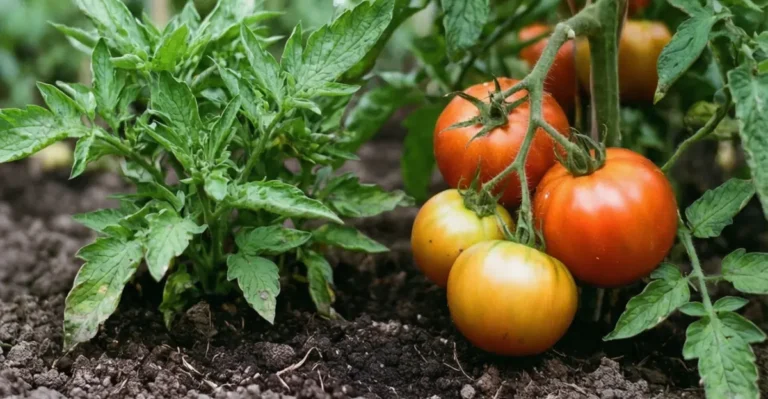
Peppers belong to the nightshade family, and planting other nightshades nearby can lead to competition for resources and increased susceptibility to diseases. Tomatoes, eggplants, and potatoes are examples of nightshades that should be kept away from peppers.
Fennel, Kohlrabi, and Other Antagonistic Plants
Some plants release chemicals that can inhibit the growth of peppers. Fennel and kohlrabi are known to have this effect. It’s best to avoid planting these in close proximity to your pepper plants.
Plants That Attract Pepper Pests
Certain plants attract pests that can damage peppers. For example, plants that attract aphids or spider mites can indirectly harm your pepper crop. Being mindful of these plants can help you protect your peppers.
| Plant to Avoid | Reason |
|---|---|
| Tomatoes | Competing nightshade, shares diseases |
| Fennel | Inhibits pepper growth |
| Kohlrabi | Antagonistic plant |

By avoiding these plants, you can create a more harmonious and productive pepper garden. Remember, the right companions can significantly impact the health and yield of your peppers.
Companion Planting Strategies for Different Pepper Varieties
Different pepper varieties benefit from different companion plants, a factor crucial for a bountiful harvest. By selecting the right “pepper plant buddies,” you can enhance growth, flavor, and pest resistance. Companion planting is not a one-size-fits-all solution; it requires understanding the specific needs and characteristics of each pepper type.
Sweet Bell Pepper Companions
Sweet bell peppers thrive when planted alongside companions that enhance their growth and deter pests. Basil is an excellent ally, as it repels aphids and other pests while improving flavor. Oregano and thyme are other beneficial companions that can help manage pests and diseases.
Hot Chili Pepper Plant Associations
Hot chili peppers have different needs compared to their sweet counterparts. They benefit from companions like marigolds, which deter nematodes, and garlic, which repels aphids and other pests. Planting these allies around your hot chili peppers can lead to a healthier and more resilient crop.
Specialized Companions for Unique Pepper Varieties
Unique pepper varieties, such as ornamental peppers or specialty sweet peppers, may require specialized companions. For instance, parsley can help improve the growth and flavor of nearby peppers. Understanding the specific needs of your pepper variety is key to selecting the most beneficial “pepper plant allies.”
As noted by gardening experts, “The right companions can elevate your pepper plants from good to great.” By choosing the appropriate companions for your pepper varieties, you can create a thriving and diverse garden ecosystem.
Implementing Companion Planting in Your Pepper Garden
Companion planting can significantly boost your pepper garden’s productivity. By carefully selecting and placing companion plants, you can create a balanced ecosystem that promotes healthy growth and maximizes yields.
Planning Your Garden Layout
When planning your garden, consider the mature size of both your pepper plants and their companions. Ensure there’s adequate space for air circulation and sunlight penetration.
Spacing and Timing Considerations
Proper spacing and timing are crucial. Plant companions according to their growth habits and requirements, taking into account the specific needs of your pepper varieties.
Succession Planting Strategies
Implement succession planting to maintain continuous harvests. Consider the following strategies:
Spring Planting Combinations
- Pair peppers with early-spring crops like spinach or lettuce.
- Use cold-hardy companions like onions and garlic.
Summer Maintenance
- Keep the area around peppers weed-free.
- Ensure adequate watering for both peppers and their companions.
Fall Transition Plans
As summer ends, transition your garden to fall crops. Replace spent companions with cool-season crops like kale or broccoli.
| Companion Plant | Benefits | Season |
|---|---|---|
| Basil | Pest control, flavor enhancement | Summer |
| Onions | Pest deterrence | Spring/Fall |
| Marigold | Nematode control | Summer |
Conclusion: Maximizing Your Pepper Harvest Through Companion Planting
By incorporating the right companion plants, you can significantly boost your pepper harvest. Ideal companions for sweet peppers, such as basil and oregano, not only enhance flavor but also improve growth. The best companions for peppers, including marigolds and nasturtiums, help deter pests and attract beneficial insects.
As you’ve learned, companion planting offers numerous benefits, from improved soil quality to natural pest management. By applying these strategies in your garden, you’ll be on your way to a bountiful pepper harvest. Start planning your garden layout today and discover the difference that companion planting can make.
FAQ
What are the best companion plants for peppers?
Some of the best companion plants for peppers include basil, oregano, thyme, marigolds, and nasturtiums, which can help improve growth, flavor, and pest resistance.
Can I plant tomatoes and peppers together?
While both are members of the nightshade family, it’s generally not recommended to plant tomatoes and peppers together, as they can be susceptible to the same diseases and pests.
How do I choose the right companion plants for my pepper variety?
Consider the specific needs and characteristics of your pepper variety, such as its growth habits, pest susceptibility, and flavor profile, to select companion plants that complement it.
Are there any plants that can harm my pepper plants?
Yes, plants like fennel, kohlrabi, and other antagonistic plants can inhibit pepper growth or attract pests, so it’s best to avoid planting them near your peppers.
Can I use companion planting to improve soil health for my peppers?
Yes, cover crops like clover and buckwheat can help improve soil health, and plants like comfrey can act as a fertilizer plant, benefiting your pepper crop.
How do I plan my garden layout for companion planting with peppers?
Consider the mature size of your pepper plants, as well as the growth habits and space requirements of your chosen companion plants, to create a harmonious and beneficial garden layout.
What are some easy-to-grow companion plants for beginners?
Basil, marigolds, and nasturtiums are all relatively easy to grow and can be great companions for peppers, making them a good starting point for beginners.
Can companion planting help with pest control for peppers?
Yes, certain companion plants like marigolds, nasturtiums, and aromatic herbs can help deter pests that target peppers, reducing the need for pesticides.