cucumber companion plants: What to Grow
Grow healthier, higher-yielding cucumbers by choosing smart companion plants. Companion planting is a practical gardening method that places compatible plants together so they help one another — deterring pests, improving soil conditions, saving space, and sometimes even enhancing flavor.

Table of Contents
By planting the right companions next to your cucumber rows or trellis, you can reduce common problems, support steady growth, and make your garden more productive. This short guide explains companion planting principles and gives practical tips so you can confidently plant cucumbers with supportive herbs, flowers, and vegetables.
Key Takeaways
- Strategic companion planting can help improve cucumber health and yields while reducing pest pressure.
- Some companion plants act as pest deterrents or trap crops; others improve soil or attract pollinators.
- Using companions wisely saves space — think trellised cucumber plants with low-growing herbs at the base.
- Herbs and flowers planted nearby can influence flavor and attract beneficial insects.
- With a simple bed plan, you can mix vegetables, herbs, and flowers to create a resilient home garden.
What you’ll learn: which companion plant types help with pest control, soil and nutrient support, and practical spacing tips for small and larger gardens. Read on to plan your cucumber bed and try a tested layout for healthy, productive cucumbers.
The Benefits of Companion Planting for Cucumbers
Companion planting offers a low‑input, natural way to support healthier cucumbers and often improve yields. Planting complementary plants together creates a small ecosystem in your garden that can reduce pest pressure, improve soil conditions, and optimize growth and space.
What is Companion Planting?
Companion planting means placing different species near one another so they provide practical benefits — for example, shading young seedlings, acting as a living trellis, attracting helpful insects, or improving nutrient availability. For a home grower, that might look like trellised cucumber plants with low‑growing herbs at the base and flowers along the edge to attract pollinators.
How Companion Planting Improves Cucumber Health
Used thoughtfully, companion planting can improve cucumber health in several ways:
- Pest reduction: Certain companion species can deter or distract common pests. For example, marigolds are often planted to help reduce some soil nematodes (note: effects vary by species and context), while basil and nasturtiums can make it harder for aphids and other soft‑bodied pests to find cucumbers. These plant interactions can reduce reliance on chemical controls.
- Attracting beneficial insects: Flowering companions such as dill and marigolds provide nectar and pollen that attract predators and parasitoids — lady beetles, lacewings, and hoverflies — that feed on aphids and other pests. By choosing plants that attract beneficial insects, you help create natural pest control in the bed.
- Soil and nutrient support: Some companions improve soil structure and nutrient cycling. Legumes (beans) fix atmospheric nitrogen, while deep‑rooted plants can mine nutrients and improve drainage and aeration for shallow‑rooted cucumber vines.
- Microclimate and physical support: Taller plants or structures can provide dappled shade for hot afternoons, and other plants can act as a living trellis or windbreak, protecting delicate vines and fruit.
Natural pest management through plant diversity is especially useful because it reduces single‑target pesticide use and fosters a balanced garden ecosystem. For instance, dill’s umbrella‑shaped flowers attract predatory wasps and hoverflies that feed on aphids, while nasturtiums often function as trap crops that lure aphids away from your cucumbers.
Some of the best companion plants commonly used with cucumbers include dill, basil, marigolds, nasturtiums, and radish — each contributes in different ways to pest control, pollinator attraction, or soil health. When you mix these companions, you get overlapping benefits: pest reduction, more pollinators for better fruit set, and improved soil conditions supporting stronger vines and higher yields.
Practical tips for planting:
- Plant flowers and nectar‑rich herbs (dill, marigolds) near but not crowded into the cucumber canopy so beneficial insects can access them.
- Use aromatic herbs like basil close to cucumber rows to help mask plant odors that attract pests; basil also pairs well in the kitchen with freshly harvested cucumbers.
- Interplant radishes or nasturtiums at the edge as trap crops — they are inexpensive sacrificial plants that can draw pests away.
- Place legumes or beans on a neighboring trellis rather than directly amid sprawling vines so they fix nitrogen without competing for the same soil space.
Timing and spacing matter: sow or transplant most companions a week or two before planting cucumbers to let them establish, and give each plant the recommended spacing to avoid competition for light and nutrients. For more hands‑on visuals and a sample layout, see the linked video for a quick garden plan.
Adopting companion planting in your home garden can be a stepwise process: start with one or two companion species, observe how they interact with your cucumbers, and expand the mix as you learn which combinations reduce pests and support steady growth and yields.
Best Cucumber Companion Plants
Now that you understand the benefits of companion planting for cucumbers, here are the best companion plants to grow with them — organized by what they do best. Thoughtful pairings help your cucumber plants use space efficiently, attract pollinators, reduce pests, and support steady growth and higher yields.
Best for Pest Control
These companions either deter pests, act as trap crops, or help mask cucumber scents that attract pests like aphids and cucumber beetles:
- Nasturtiums — Plant at the border as a trap crop; nasturtiums can lure aphids away from your cucumbers and make it easier to manage infestations.
- Basil — Planted near the base of trellised vines, basil may help repel some pests and is an easy culinary companion when you plant cucumbers for fresh salads.
- Marigolds (Tagetes) — Certain marigold species are associated with reduced numbers of some soil pests; plant a border of marigolds to help protect roots and deter a range of garden pests.
- Dill — Its flowers attract predators (lady beetles, lacewings, hoverflies) that feed on aphids and other soft‑bodied pests; place dill a short distance from the cucumber canopy so the flowers are accessible to beneficial insects.
Best for Attracting Beneficial Insects and Pollinators
Flowering companions bring in pollinators and predators that improve fruit set and biological control:
- Marigolds and dill — Nectar and pollen sources that attract hoverflies and parasitic wasps, which help control aphids and other pests.
- Sunflowers — Use as visual beacons to attract bees and pollinators; they also provide temporary shade and vertical interest in larger gardens.
- Flowers and herbs (e.g., calendula, borage) — Scatter in and around beds to increase biodiversity and draw beneficial predators and pollinators to your cucumber crop.
Best for Soil and Nutrient Support
Some companion species improve nutrient availability or soil structure — useful where soil is light or depleted:
- Legumes (beans) — Fix atmospheric nitrogen and can support neighboring crops when sited carefully; use pole beans on a separate trellis or adjacent structure so vines don’t tangle with sprawling cucumber vines.
- Comfrey/Deep‑rooted herbs — Mine nutrients from deep soil layers and help concentrate minerals near the surface when their leaves are used as mulch.
- Radishes and carrots — Quick, shallow-rooted vegetables that can be interplanted early; radishes serve as a quick harvest and occasional trap crop while carrots occupy lower soil layers without shading cucumber vines.
Best for Saving Space and Structural Support
If you want to maximize yields in a small garden, combine vertical and low‑growing companions:
- Trellised cucumbers — Train cucumber vines up a trellis to open space beneath for low herbs like basil or salad greens.
- Pole beans — When grown on a neighboring trellis, they add vertical nitrogen‑fixing capacity without competing directly in the same footprint.
- Sunflowers or corn — In larger plots, these tall plants can serve as visual anchors and partial windbreaks; avoid shading the cucumber trellis during peak sun hours.
Best for Flavor and Kitchen Pairing
Some herbs are traditionally planted near cucumbers not only for pest benefits but also because they complement cucumbers in the kitchen:
- Basil — Anecdotally said to enhance aroma and flavor when grown beside cucumbers; plant every 2–3 feet at the base of trellised rows.
- Dill — Useful both as a pest‑management companion and for pickling; sow dill a few feet away so its tall umbrels don’t shade the vines.
Quick Practical Layouts and Spacing
Use these sample pairings depending on bed size:
- Small bed / container: plant one trellised cucumber, surround base with 3–4 basil plants and a ring of marigolds to attract pollinators and deter pests.
- Medium bed: two trellised rows of cucumbers separated by 18–24″ with alternating blocks of dill and nasturtiums planted along the outer edges; interplant radishes between cucumber plants to use soil space early in the season.
- Larger plot: stagger rows of cucumbers and pole beans on adjacent trellises; plant sunflowers or corn down the middle aisle for pollinator attraction and microclimate benefits, taking care to avoid excessive shade on the cucumber trellis.
Notes on Problem Plants and Crop Rotation
Avoid planting cucumbers immediately after heavy cucurbit crops in the same soil to reduce disease risk. Some aromatic or competing crops may not pair well in close quarters — place potatoes and sage in separate beds if possible, and rotate crops yearly to maintain soil nutrients and control disease buildup.
Experiment with combinations that fit your garden, and keep records of what reduces pests and increases yields. Try one new companion each season until you find the best mix for your site — small changes can lead to healthier cucumber crops and tastier harvests.
Ready to try a layout? Download or sketch a bed plan that places trellised cucumber plants in the center, flowers on the edges to attract pollinators, and legumes or nutrient‑building plants on adjacent trellises. Adjust spacing to avoid crowding and ensure good air circulation for disease prevention.
FAQ
What are the best companion plants for cucumbers?
Some of the most helpful companion plants for cucumbers include dill, basil, mint, nasturtium, and radish. These companions can help deter certain pests, attract beneficial predators, and improve the working environment around your cucumber plants.
How do companion plants help with natural pest control for cucumbers?
Companion planting supports natural pest control by masking cucumber scents, attracting predators, or serving as trap crops. For example, marigolds and nasturtiums may help reduce some pests, and flowering herbs like dill attract lady beetles and hoverflies that eat aphids. Use these plants to build a balanced garden ecosystem and reduce reliance on insecticides.
Can I grow cucumbers with other vegetables?
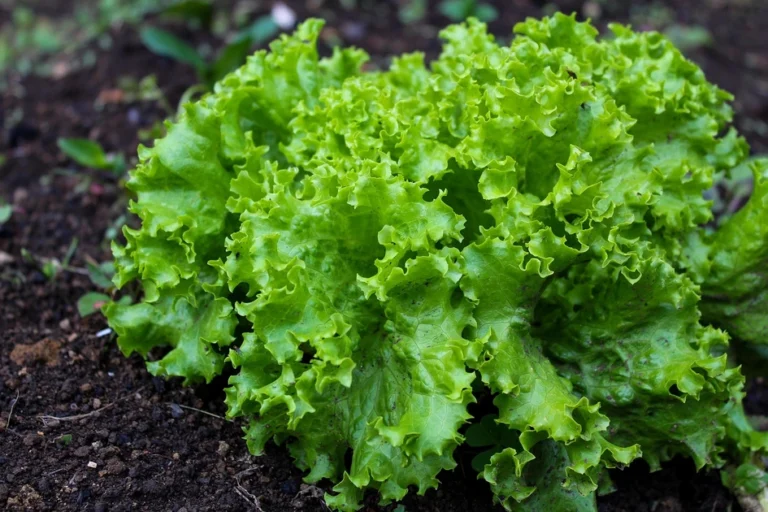
Yes. Grow cucumbers on a trellis to save space, plant quick crops like radishes or lettuce between the rows, and place pole beans on an adjacent trellis to add nitrogen without tangling vines. A common layout is cucumbers on vertical supports, beans on a neighboring trellis, and low herbs at the base.
How do I choose the right companion plants for my cucumber garden?
Choose companions based on three factors: (1) purpose (pest control, pollinator attraction, or soil support), (2) growth habit and space needs (avoid crowding vines), and (3) timing (sow companions early enough to establish before cucumber vines spread). Prioritize flowers and herbs that attract beneficial predators and pollinators, and place nutrient‑building plants nearby but not competing in the same root zone.
Are there any plants that should not be grown with cucumbers?
Some pairings are best avoided. Potatoes can host shared diseases and pests, so keep them in a separate bed; very aromatic or strongly competitive plants (in small beds) may interfere with cucumber growth. When in doubt, rotate cucurbits and avoid planting back‑to‑back in the same soil to reduce disease pressure.
How can companion planting improve soil health for cucumbers?
Companion species such as legumes fix atmospheric nitrogen, while deep‑rooted plants like comfrey bring up minerals and improve soil structure. Using these plants in rotation or on adjacent trellises boosts soil nutrients and biodiversity, creating a healthier environment for higher yields of cucumber crops.
Can companion planting boost the flavor of my cucumbers?
Some gardeners report that nearby herbs like basil and dill improve the perceived aroma and flavor of harvested cucumbers. This effect is largely anecdotal, but planting aromatic herbs near cucumber rows is low‑risk and adds culinary convenience.Quick 3‑step micro‑guide to pick companions: 1) Identify the main problem (pests, low pollination, poor soil); 2) Choose one flower or herb to attract beneficial insects and one vegetable or legume for nutrient support; 3) Map them so tall plants don’t shade cucumbers and leave good airflow to reduce disease. Try this 4‑plant layout this season: trellised cucumber, basil at the base, a ring of marigolds, and pole beans on an adjacent trellis — observe results and adjust next season.