Check the best planting calendar for growing swiss chard in your zone.
Have you ever wondered if your gardening efforts are truly aligned with nature’s rhythm, or are you just guessing when it comes to planting? Many home gardeners miss out on bountiful harvests simply because they overlook the critical aspect of timing. But what if I told you there’s a secret to unlocking vibrant, healthy greens, especially when it comes to growing swiss chard? This superfood, celebrated for its nutritional profile and colorful stems, thrives when planted at just the right moment in your specific hardiness zone. Forget generic advice. This data-driven guide will provide you with the optimal planting calendar and insider tips for growing swiss chard that will not only survive but truly flourish in your garden, transforming it into a verdant paradise.
Table of Contents
Tools & Soil Requirements
Successful growing swiss chard begins with the right foundation: your tools and soil. Don’t underestimate their power! For an optimal start, you’ll need:
- Hand Trowel & Fork: Essential for loosening soil and precise planting.
- Gardening Gloves: Protect your hands while working.
- Watering Can or Hose with a Gentle Sprayer: For consistent, even moisture.
- Soil pH Test Kit: Critical for achieving the ideal soil environment.
- Organic Compost or Well-Aged Manure: To enrich your soil’s nutrients.
Swiss chard truly shines in loamy, well-draining soil that’s rich in organic matter. Imagine a soil that feels crumbly yet holds moisture beautifully – that’s the sweet spot. It prefers a slightly acidic to neutral pH, ideally between 6.0 and 7.0. In climates with moderate temperatures (ideally between 60-75°F or 15-24°C), swiss chard performs exceptionally well, tolerating both cooler springs and slightly warmer summers better than many other leafy greens. If your soil is heavy clay, amending it generously with compost will dramatically improve drainage and aeration, creating the perfect cozy home for your chard roots.
Best Planting Season & Timing
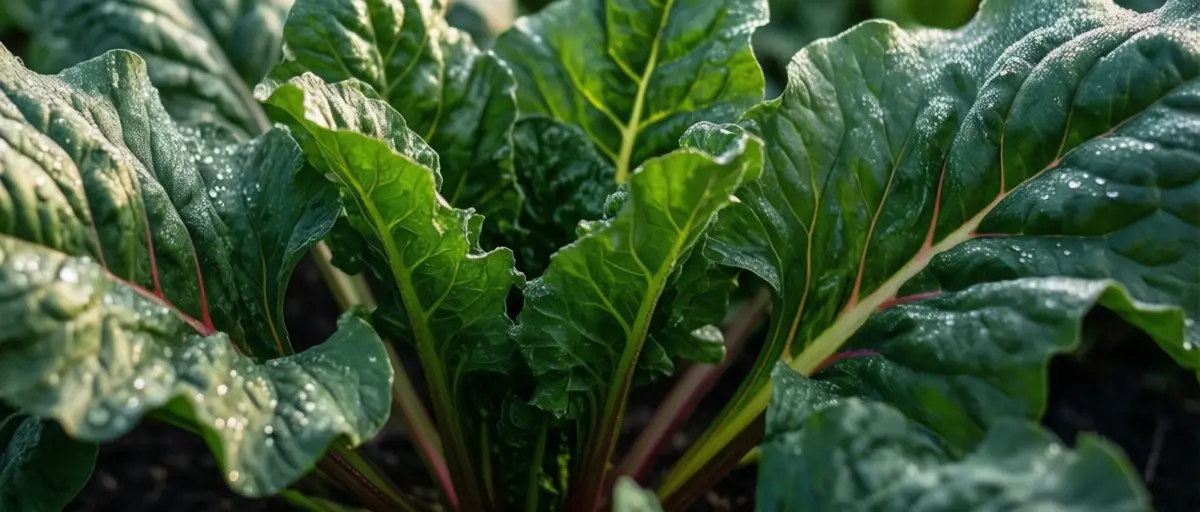
Timing is everything when it comes to growing swiss chard. This biennial, often grown as an annual, thrives in cool weather, making spring and late summer its prime planting windows. For most zones, the ideal time to plant seeds directly outdoors is 2-4 weeks before the last spring frost date. This ensures the young plants establish themselves before the summer heat intensifies. For a fall harvest, sow seeds about 8-10 weeks before the first autumn frost.
Swiss chard seeds are quite eager to sprout, with germination expected in 7-10 days, which is roughly 20% faster than average perennial vegetables like asparagus, giving you quick gratification. From seed to a harvestable leaf, you can typically expect your plants to reach maturity in 50-60 days. This relatively quick turnaround time allows for successive plantings, keeping your kitchen stocked with fresh greens throughout the growing season. Planting success often hinges on consistent soil moisture during this crucial germination period.
Step-by-Step Planting Instructions
Ready to get your hands dirty and cultivate some vibrant chard? Follow these steps for growing swiss chard like a pro:
Step 1: Prepare Your Planting Bed
Start by clearing your chosen spot of weeds and debris. Dig down about 8-12 inches, incorporating a generous 2-3 inch layer of organic compost. This enriches the soil, improves drainage, and provides a nutrient boost for your hungry chard. A well-prepared bed is the secret to strong, healthy plants from day one.
Step 2: Sow Your Seeds
Using your hand trowel, create shallow furrows about 1/2 inch deep. Plant swiss chard seeds 2-4 inches apart within the rows. If you’re planning multiple rows, ensure they are spaced 18-24 inches apart to allow for mature plant growth and airflow. Don’t crowd them – healthy plants need room to breathe!
Step 3: Gentle Watering
After sowing, gently cover the seeds with about 1/2 inch of soil. Water thoroughly but carefully, using a watering can with a fine rose or a hose set to a gentle spray. Too much force can dislodge the seeds. Keep the soil consistently moist until germination.
Step 4: Thinning for Success
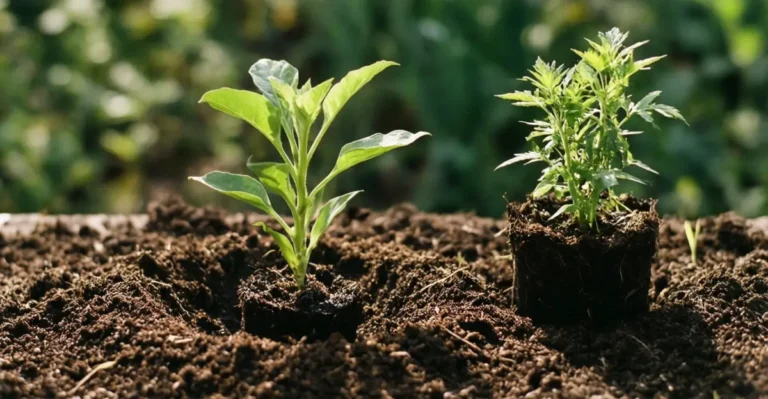
Once seedlings emerge and have their first set of true leaves (typically 2-3 inches tall), it’s crucial to thin them. This ensures each plant has adequate space and resources. Thin plants to 6-12 inches apart. You can enjoy the thinnings in a salad – they’re delicious! Proper spinach spacing (and chard spacing!) is vital for air circulation and preventing disease.
Plant Care Essentials
Consistent care is key to a continuous harvest when growing swiss chard.
- Water Needs: Swiss chard prefers consistently moist soil, especially during dry spells. Aim for 1-1.5 inches of water per week, either from rainfall or irrigation. Water deeply to encourage robust root growth. If the leaves start to wilt, it’s a clear sign they’re thirsty!
- Sunlight Requirements: Provide at least 6 hours of direct sunlight daily for optimum growth. In hotter climates (USDA zones 8+), some afternoon shade can prevent bolting and extend the harvest season.
- Temperature Tolerance: Chard is quite hardy, tolerating light frosts down to 20°F (-6°C) and performing best between 60-75°F (15-24°C). Temperatures consistently above 80°F (27°C) may cause plants to bolt (go to seed), leading to bitter leaves.
- Fertilization: Beyond initial soil amendments, a balanced organic fertilizer applied every 4-6 weeks will keep your chard vibrant and productive. Look for formulations rich in nitrogen, which promotes lush leafy growth.
Best Varieties & Companion Plants
Diversify your garden with some top-performing chard varieties. For resilience and visual appeal:
- ‘Bright Lights’: A stunning mix of yellow, orange, pink, and red stems. Highly ornamental and delicious.
- ‘Fordhook Giant’: A classic, reliable variety with large, dark green leaves and thick white stems. Known for its robust growth.
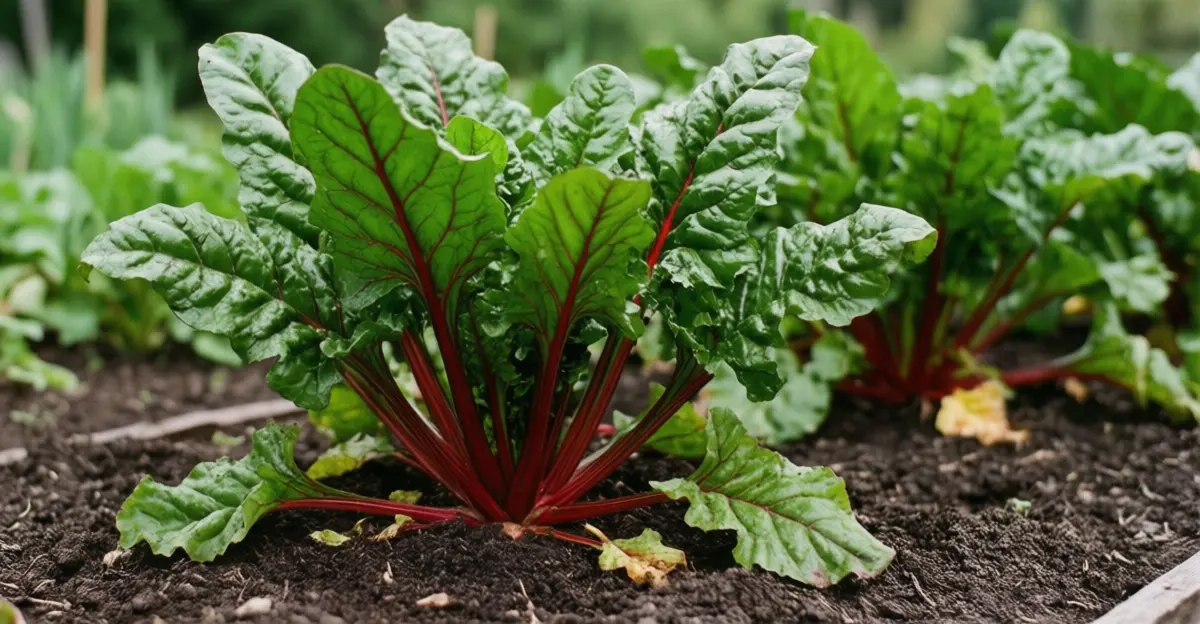
- ‘Rhubarb Chard’: Features vivid red stems and dark green leaves, offering both beauty and a slightly earthy flavor.
Creative Companion Planting for a Thriving Ecosystem:
- Bush Beans: Fix nitrogen in the soil, benefiting nutrient-hungry chard.
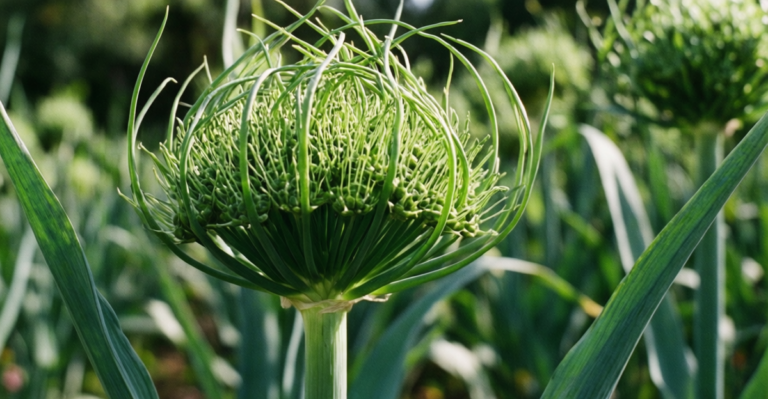
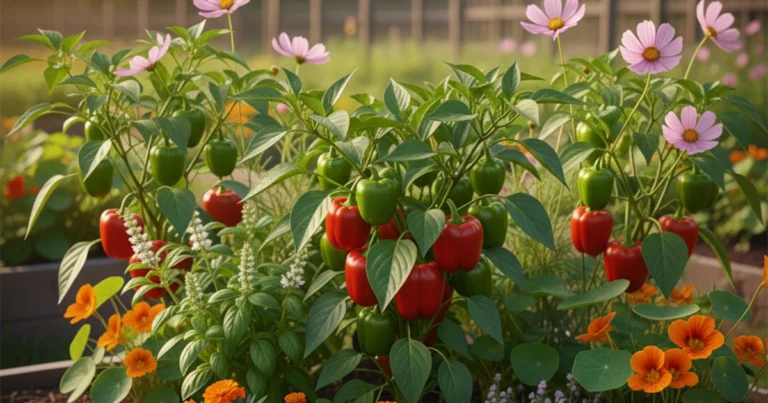
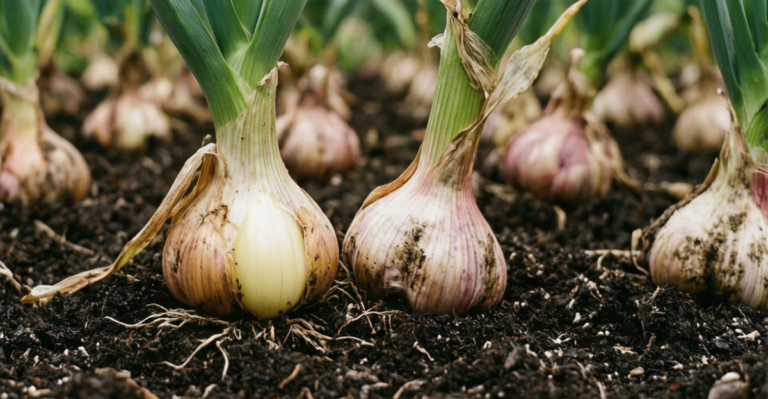
- Onions & Garlic: Their strong scent can deter common chard pests like aphids and leaf miners.
- Marigolds (Tagetes spp.): Planted nearby, these beautiful flowers can act as a trap crop for nematodes and repel other pests. Their vibrant colors add a cheerful touch to your garden.
- Nasturtiums: Not only are their leaves and flowers edible, but they can also act as a sacrificial crop, drawing aphids away from your chard.
Landscape Uses & Harvest Tips
Swiss chard isn’t just for eating; its striking colors make it an excellent choice for creative garden design. Use ‘Bright Lights’ chard as an edible border plant to line paths or define garden beds, adding a splash of color that is both beautiful and functional. It also thrives in containers, making it perfect for urban gardeners or those with limited space. Imagine a vibrant pot of chard on your patio – a fresh ingredient just steps away!
Harvesting your chard for maximum yield:
- Begin harvesting outer leaves when they are 6-12 inches long.
- Snip leaves off at their base with a sharp knife or scissors, being careful not to damage the central stalk.
- Regular harvesting encourages the plant to produce more leaves, providing a continuous supply.
- Avoid taking more than one-third of the plant’s leaves at a time to ensure continued growth.
- For a tender harvest, pick leaves when they are young. More mature leaves can be slightly tougher but still delicious when cooked.
Common Pests & Diseases to Avoid
While growing swiss chard is relatively straightforward, a few common adversaries might try to crash your party. Stay vigilant!
Pests:
- Aphids: Small, soft-bodied insects that cluster on new growth. Blast them off with a strong stream of water or apply an insecticidal soap.
- Leaf Miners: Their larvae tunnel through leaves, creating winding trails. Remove and destroy affected leaves. For severe infestations, neem oil can be effective.
- Slugs and Snails: Feast on leaves, leaving ragged holes. Hand-pick them, set beer traps, or use organic slug pellets.
Diseases:
- Cercospora Leaf Spot: Appears as small, circular spots with purple margins. Ensure good air circulation, avoid overhead watering, and remove infected leaves.
- Downy Mildew: Fuzzy, gray growth on the undersides of leaves. Primarily occurs in cool, damp conditions. Practice good garden hygiene and ensure proper spinach spacing to improve airflow.
Prevention is your best defense: monitor your plants regularly, maintain proper plant spacing, ensure good air circulation, and practice crop rotation. Healthy, well-fed plants are more resistant to pests and diseases.
Seasonal Maintenance & Overwintering
Maintaining your swiss chard throughout the seasons ensures robust growth and a prolonged harvest.
- Summer Care: In hot climates, provide afternoon shade to prevent bolting. Consistent watering is paramount during dry summer spells. Mulching around the plants helps retain soil moisture and keeps roots cool.
- Fall Care: As temperatures cool, chard will often experience a burst of renewed growth. Continue harvesting to encourage production.
- Winter Protection (for mild climates): In USDA zones where winter temperatures rarely dip below 20°F (-6°C), you can often overwinter chard. Apply a thick layer of straw or hay mulch around the plants to insulate the roots. A row cover or cold frame can provide additional protection, allowing you to harvest fresh leaves even in winter. For colder zones, treat chard as an annual.
- Pruning: Remove any yellowing, damaged, or diseased leaves promptly to redirect the plant’s energy to healthy new growth and improve air circulation.
Conclusion
Mastering the art of growing swiss chard is a rewarding journey, offering both aesthetic beauty and nutritional bounty to your garden. By adhering to the optimal planting calendar, preparing your soil thoughtfully, and providing consistent care, you’ll unlock the full potential of this versatile vegetable. From its vibrant stems illuminating your garden beds to its tender leaves gracing your plate, swiss chard truly is a garden powerhouse.
Ready to transform your garden into a chard-filled haven? Don’t just read about it, plant it! Share your photos of your thriving swiss chard harvests with us on social media using #LovePlantingChard, or tell us your favorite variety in the comments below. For more expert tips, explore our other guides on leafy greens and discover how to optimize spinach spacing for maximum yields!
FAQs
Q1: Can I grow swiss chard in containers?
A1: Absolutely! Swiss chard is an excellent choice for container gardening. Choose a pot at least 8-12 inches deep and wide with good drainage. Ensure consistent watering, as container plants dry out faster.
Q2: Why is my swiss chard bolting (going to seed)?
A2: Bolting is usually triggered by stress, often from prolonged periods of heat (above 80°F/27°C) or inconsistent watering. While you can’t stop bolting once it starts, providing afternoon shade in hot climates and maintaining consistent moisture can help delay it.
Q3: Is swiss chard deer-resistant?
A3: Unfortunately, deer often find swiss chard quite palatable. If deer are a problem in your area, consider fencing off your garden or using deer repellents.
Q4: How often should I fertilize my swiss chard?
A4: After enriching your soil at planting, a balanced organic fertilizer application every 4-6 weeks during the growing season is generally sufficient to support continuous harvesting.
Q5: Can I eat the colorful stems of swiss chard?
A5: Yes! The stems are entirely edible and delicious. They are slightly tougher than the leaves and may require a longer cooking time. Many people enjoy chopping them and sautéing them in a stir-fry or adding them to soups.