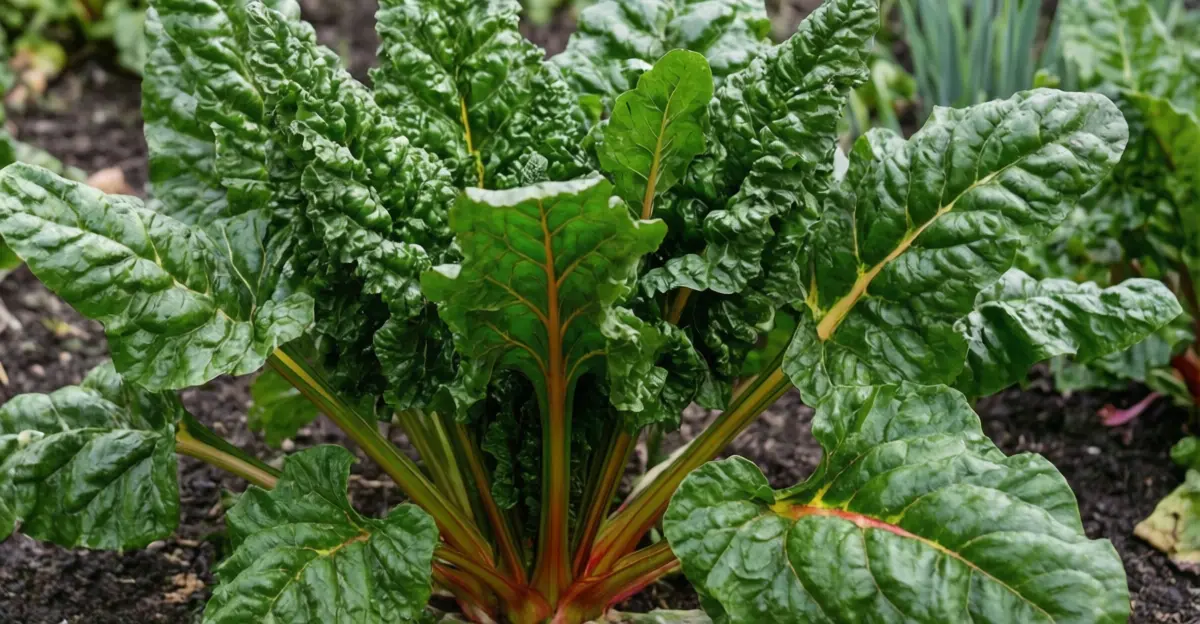
Learn the ideal soil conditions for a healthy swiss chard plant.
Is your garden soil truly ready for the vibrant beauty and nutritional powerhouse that is the swiss chard plant? Many gardeners believe a simple patch of dirt is sufficient, but data suggests that optimizing your soil can boost yields by up to 30% and significantly improve the plant’s health. Neglecting the foundational needs of your swiss chard plant isn’t just a missed opportunity; it’s practically leaving flavor and nutrition on the table! This comprehensive guide will equip you with the knowledge to cultivate the most robust and vibrant swiss chard plant, transforming your patch into a thriving haven for this versatile leafy green.
Table of Contents
Tools & Soil Requirements
Cultivating a magnificent swiss chard plant begins with the right environment, and that starts from the ground up! Here’s what you’ll need to set the stage for success:
Essential Tools:
- Garden Trowel: For precise digging and transplanting.
- Garden Fork or Spade: To break up compacted soil and mix in amendments.
- Hand Cultivator: For aerating the soil surface and weeding.
- Watering Can or Hose with a Gentle Sprayer: To provide consistent, even moisture.
- Soil Test Kit: A crucial tool to determine your existing soil’s pH and nutrient levels, guiding your amendments.
Ideal Soil Conditions:
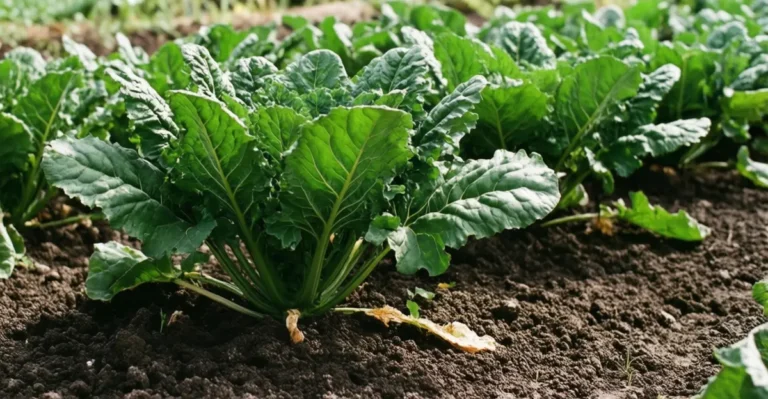
The swiss chard plant thrives in rich, fertile, well-draining soil. Imagine soil that feels soft and crumbly in your hands – that’s the texture you’re aiming for.
- Soil Type: Loamy, sandy loam, or even clay loam can work, provided it’s amended for drainage and fertility.
- pH Level: A slightly acidic to neutral pH is ideal, ranging from 6.0 to 6.8. A soil test will confirm your current pH, and you can adjust with lime to raise it or sulfur to lower it.
- Organic Matter: This is your secret weapon! Incorporating ample compost, well-rotted manure, or other organic matter (at least 2-4 inches mixed into the top 6-8 inches of soil) will improve soil structure, drainage, water retention, and nutrient availability. It creates a fluffy, moisture-holding paradise for your swiss chard plant.
- Nutrient Richness: Swiss chard is a hungry plant. Ensure your soil is high in nitrogen (for leafy growth), phosphorus (for root development), and potassium (for overall plant health). Organic amendments naturally provide many of these, but a balanced organic fertilizer can offer an additional boost if your soil test indicates deficiencies.
Best Planting Season & Timing
Timing is everything when growing swiss chard, ensuring vigorous growth and a bountiful harvest.
- Spring Planting: For most regions, sow seeds 2-4 weeks before the last expected frost. The ideal soil temperature for germination is between 50-85°F (10-29°C), with 65-75°F (18-24°C) being optimal. This allows your swiss chard plant to establish itself before the intense heat of summer.
- Fall Planting: In many climates, particularly those with mild winters, a fall planting provides a second, often more robust, harvest. Plant seeds 6-8 weeks before the first expected fall frost.
- Germination Time: Expect to see seedlings emerge in 7-10 days, a relatively quick turnaround for a leafy green, often 20% faster than some slower-germinating root vegetables.
- Time to Maturity: Typically, swiss chard plant is ready for its first harvest in 50-60 days from seeding. However, baby greens can be harvested as early as 30 days!
Step-by-Step Planting Instructions
Ready to get your hands dirty? Here’s how to plant your swiss chard plant for optimal success:
Prepare Your Bed Like a Master Chef
First, clear your chosen spot of any weeds or debris. Then, use your garden fork to loosen the soil to a depth of at least 8-10 inches. This aeration is crucial! Now, generously mix in that rich compost you’ve prepared; we’re talking a good 2-4 inches deep, ensuring the soil feels like a soft, fluffy pillow ready for your precious seeds. If your soil test was low on nutrients, sprinkle in an organic granular fertilizer now.
Sow Your Seeds with Precision
Make shallow furrows about 1/2 inch deep and 18-24 inches apart. Place your swiss chard plant seeds about 2-3 inches apart within these rows. Chard seeds are actually clusters of seeds, so you’ll often get multiple sprouts from a single “seed,” which is why spacing is important. Once placed, gently cover them with a thin layer of fine soil and lightly pat it down.
Water Gently, But Thoroughly
After sowing, give the area a good, gentle watering. Use a watering can with a fine rose or a hose setting that mimics a soft rain. The goal is to moisten the soil thoroughly without washing away the newly planted seeds. Keep the soil consistently moist (but not waterlogged) until germination occurs.
Thin for Success
Once your seedlings have emerged and developed their first true leaves (usually 1-2 inches tall), it’s time to thin them. This step is vital for robust plant development! Aim for a final spacing of 6-12 inches between plants. Don’t throw away those thinnings – they’re delicious as microgreens in salads! This process ensures each swiss chard plant has enough space, light, and nutrients to flourish.
Plant Care Essentials
Once planted, your swiss chard plant will appreciate consistent care to truly thrive.
- Water Needs: Growing swiss chard requires consistent moisture, about 1-1.5 inches of water per week, either from rain or irrigation. Uneven watering can lead to tough, bitter leaves. Water deeply at the base of the plant to encourage strong root growth and minimize fungal issues. Mulching heavily around the plants helps immensely with moisture retention and weed suppression.
- Sunlight Requirements: Your swiss chard plant loves sunshine! Aim for at least 6 hours of direct sunlight daily for the best growth and vibrant color. In hotter climates (USDA Zones 8+), some afternoon shade can prevent bolting (going to seed prematurely) and leaf scorch.
- Temperature Tolerance: Swiss chard is surprisingly resilient. It can tolerate light frosts down to 20°F (-6°C) and can handle warmer temperatures better than spinach. Its ideal growing range is 60-75°F (15-24°C).
- Fertilization: Beyond initial soil amendments, side-dress your plants with compost or a balanced organic fertilizer every 4-6 weeks, especially after heavy harvests, to support continuous leaf production.
Best Varieties & Companion Plants
Diversify your garden and enhance growth with thoughtful selections.
Top Swiss Chard Plant Varieties:
- ‘Bright Lights’: A visual stunner with stalks in brilliant shades of yellow, gold, orange, pink, and red. Not just beautiful, but also highly productive and slow to bolt.
- ‘Fordhook Giant’: A classic, reliable variety producing large, crinkled, dark green leaves with broad white stalks. Excellent heat tolerance and disease resistance.
- ‘Rhubarb Chard’: Features striking crimson-red stalks and dark green leaves, adding a splash of color to both the garden and the plate. Offers a slightly earthy flavor.
- ‘Lucullus’: Known for its large, heavily savoyed (crinkled) green leaves and white ribs. An older but still popular variety for its tenderness and productivity.
Creative Companion Planting:
- Bush Beans: Offer nitrogen fixation, which benefits the nitrogen-loving swiss chard plant.
- Radishes & Carrots: Their shallow root systems won’t compete with chard’s deeper roots, and they can help break up soil.
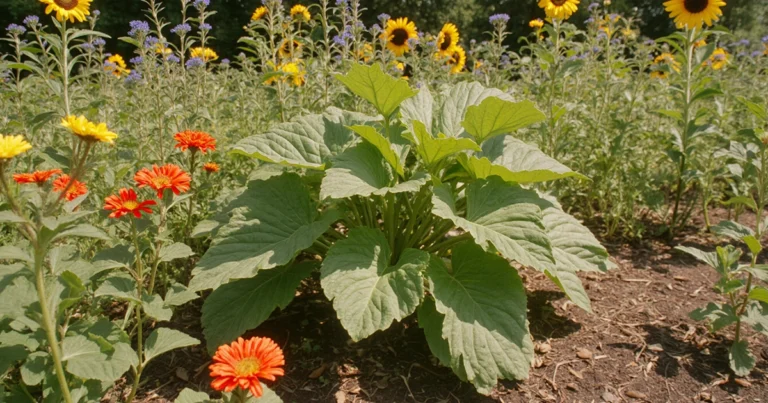
- Marigolds: The “French” variety (Tagetes patula) can deter nematodes and other soil-borne pests.
- Nasturtiums: Not only are they edible and add beauty, but they can act as a trap crop for aphids, drawing them away from your chard.
- Mint (in containers): Its strong scent can confuse and repel various insect pests. Always plant mint in containers, as it can be highly invasive!
Landscape Uses & Harvest Tips
The swiss chard plant is more than just a vegetable; it’s a garden superstar!
Landscape Uses:
- Edible Ornamentals: With varieties like ‘Bright Lights’ and ‘Rhubarb Chard’, Swiss chard makes a vibrant border plant, contrasting beautifully with green foliage.
- Container Gardening: Its upright growth and attractive leaves make it perfect for pots and containers, especially on patios or balconies where space is limited. Ensure containers are at least 10-12 inches deep and wide.
- Mixed Beds: Integrate it into flower beds for an unexpected pop of color and an edible harvest right at your fingertips.
- Kitchen Garden: Of course, it’s a staple in any dedicated kitchen garden, offering a continuous supply of fresh greens.
Harvesting Your Bounty:
- Cut-and-Come-Again: This is the magic of growing swiss chard! Harvest outer leaves first, close to the base of the plant, leaving the inner leaves to continue growing. This method ensures continuous fresh harvests for months.
- Baby Greens: For tender, mild leaves perfect for salads, harvest when leaves are 4-6 inches tall.
- Mature Leaves: For cooking, allow leaves to reach full size (8-12 inches or more). The stalks are also edible and delicious when cooked, similar to asparagus.
- Frequency: Harvest regularly to encourage new growth. In ideal conditions, you can often harvest every 1-2 weeks. Avoid stripping the plant completely; always leave at least 3-4 central leaves to ensure continued production.
Common Pests & Diseases to Avoid
Even the most robust swiss chard plant can face challenges. Here’s how to keep them healthy:
Pests:
- Aphids: Small, soft-bodied insects that cluster on new growth, sucking sap. Prevention/Treatment: Blast with a strong stream of water, use insecticidal soap, or introduce beneficial insects like ladybugs.
- Leaf Miners: Larvae tunnel between leaf layers, creating winding trails. Prevention/Treatment: Cover plants with row covers during egg-laying season, remove and destroy affected leaves, or rotate crops.
- Flea Beetles: Tiny, jumpy beetles that chew small holes in leaves. Prevention/Treatment: Use row covers, organic neem oil, or dust with diatomaceous earth. Healthy soil and strong plants are less susceptible.
- Slugs and Snails: Chews irregular holes in leaves, especially noticeable in damp conditions. Prevention/Treatment: Hand-pick them, set beer traps, or use organic slug baits.
Diseases:
- Cercospora Leaf Spot: Causes small, round spots with light centers on leaves. Prevention/Treatment: Ensure good air circulation, avoid overhead watering, and remove affected leaves. Resistant varieties like ‘Fordhook Giant’ can help.
- Downy Mildew: Appears as yellowish patches on leaf tops and fuzzy gray mold on undersides. Prevention/Treatment: Good air circulation, avoid over-watering, and choose resistant varieties. Fungicides can be used in severe cases.
- Bolting (Premature Flowering): Not a disease, but undesirable as it makes leaves bitter. Prevention/Treatment: Provide consistent moisture, some afternoon shade in hot climates, and harvest regularly to encourage vegetative growth.
General Prevention Tips:
- Crop Rotation: Don’t plant chard in the same spot year after year.
- Sanitation: Keep your garden clean of plant debris.
- Healthy Soil: A vigorous swiss chard plant grown in rich, balanced soil is naturally more resistant to pests and diseases.
Seasonal Maintenance & Overwintering
Maintain your swiss chard plant for season-long harvests and even through winter in some regions.
Spring/Summer Maintenance:
- Consistent Watering: As temperatures rise, ensure your chard receives adequate water, especially during dry spells.
- Mulching: Replenish mulch to conserve moisture, regulate soil temperature, and suppress weeds.
- Weeding: Keep the area around your chard free of weeds, which compete for nutrients and water.
- Pest Patrol: Regularly inspect your plants for signs of pests and address them promptly.
Fall Maintenance:
- Succession Planting: In many zones, fall is an excellent time for a new round of planting, extending your harvest well into colder months.
- Continued Harvest: Keep harvesting outer leaves to encourage continued production.
- Prepare for Frost: As light frosts threaten, consider covering plants with row covers or blankets overnight to protect them.
Overwintering (Zones 6-9, often with protection):
- Cut Back: In areas with mild winters, you can significantly cut back your swiss chard plant, leaving just a few central leaves.
- Heavy Mulch: Apply a thick layer (4-6 inches) of straw or leaves around the base of the plant to insulate the roots.
- Cold Frames/Row Covers: For colder regions, a cold frame or heavy-duty row cover can protect plants from harsh winter winds and prolonged freezes, allowing them to survive and often provide an early spring harvest.
- Container Plants: Move container-grown chard to a sheltered location (e.g., against a protected wall, in a garage) during severe cold snaps. While growing swiss chard is typically an annual, with protection, it can often overwinter and provide a bonus crop in spring before bolting.
Conclusion
Mastering the soil conditions and care for your swiss chard plant is not just a gardening task; it’s an investment in a vibrant, productive, and delicious garden. From ensuring rich, well-draining soil to implementing strategic companion planting and diligent pest management, every step contributes to a healthier, more yielding harvest. Remember, a thriving swiss chard plant isn’t just about fresh produce; it’s about nurturing a living piece of art!
Ready to transform your garden into a chard paradise? Share your cultivation journey with us! Post a photo of your magnificent swiss chard plant on social media using #MyChardGarden or revisit our other guides on edible plants for more inspiration!
FAQs
Q1: Can I grow swiss chard plant in containers?
A1: Absolutely! Swiss chard thrives in containers. Choose a pot at least 10-12 inches deep and wide with good drainage. Ensure excellent potting mix and consistent watering. This is a fantastic option for urban gardeners or those with limited garden space.
Q2: Why are my swiss chard plant leaves turning yellow?
A2: Yellowing leaves can indicate a few issues. It often points to a nitrogen deficiency (amend with compost or a nitrogen-rich fertilizer), overwatering (check drainage), or underwatering (ensure consistent moisture). Pests or diseases can also cause discoloration, so inspect your plant closely.
Q3: How often should I fertilize my swiss chard plant?
A3: Beyond the initial soil enrichment, side-dress your plants with compost or a balanced organic fertilizer every 4-6 weeks, especially after heavy harvests or if you notice growth slowing down. This provides the continuous nutrients growing swiss chard needs for sustained leaf production.
Q4: Can swiss chard plant tolerate heat?
A4: Yes, swiss chard is more heat-tolerant than many other leafy greens like spinach. While it prefers moderate temperatures, it generally performs well in summer, especially if it receives some afternoon shade in very hot climates and consistent moisture. Too much heat can encourage bolting, however.
Q5: What is the best way to prevent bolting in swiss chard plant?
A5: To prevent bolting, ensure consistent moisture levels, provide some afternoon shade if you’re in a hot region, and harvest regularly to encourage vegetative growth. Planting heat-tolerant varieties like ‘Fordhook Giant’ can also help.