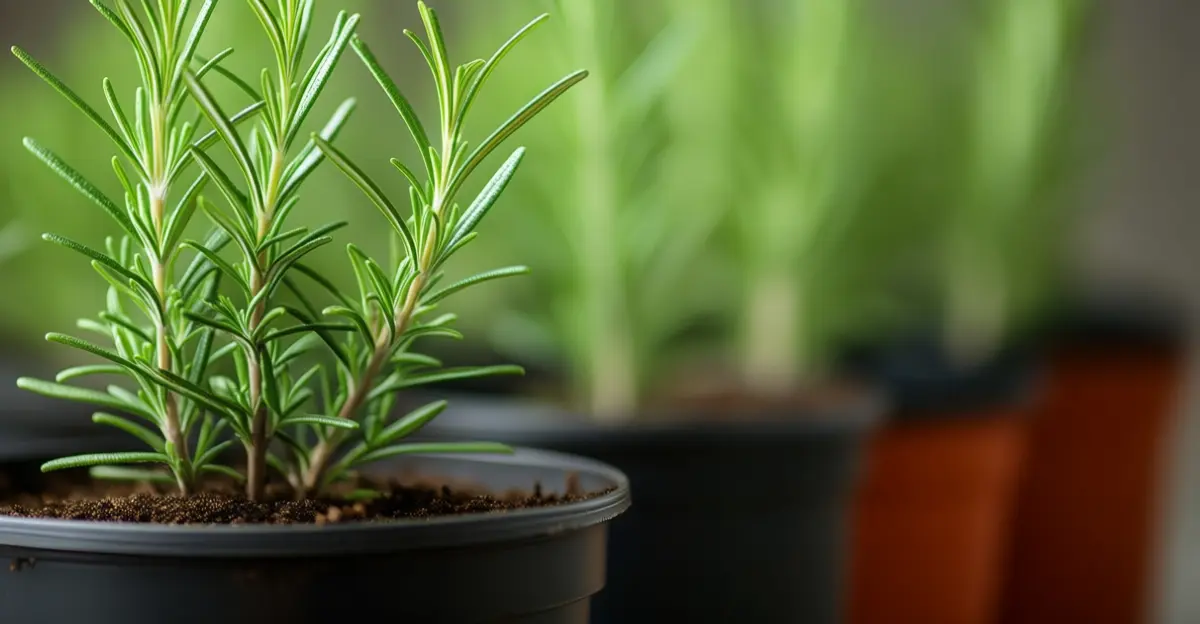
Success Tips for Growing Rosemary in Pots
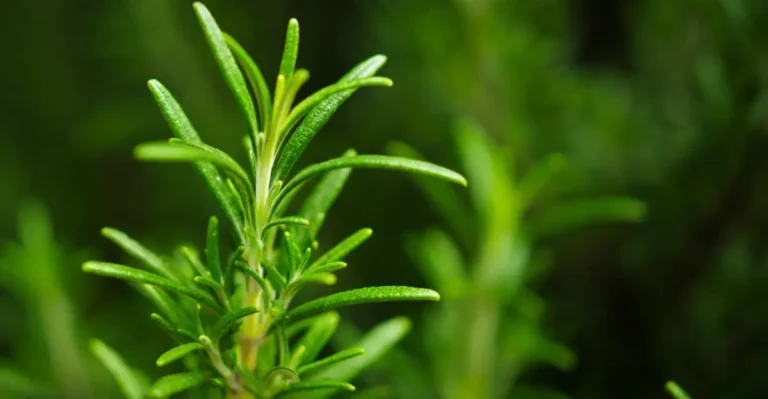
Did you know that despite its Mediterranean origins, rosemary is surprisingly adaptable, thriving in containers up to 80% as well as in-ground, especially when given the right care? This evergreen herb, celebrated for its aromatic foliage and culinary versatility, can be a stunning addition to any home, transforming an ordinary balcony into a fragrant herb garden. If you’ve ever wondered how to successfully cultivate this beloved herb in limited spaces, you’re in the right place. Delve into the art of growing rosemary in pots, a rewarding endeavor for both novice and seasoned gardeners alike. Let’s uncover the secrets to nurturing a vibrant, healthy growing rosemary plant, ensuring it flourishes and enriches your culinary adventures.
Table of Contents
Tools & Soil Requirements
Success in growing rosemary in pots begins with the right foundation. Here’s what you’ll need:
- Pots: Opt for terracotta or unglazed ceramic pots, as their porous nature promotes better airflow and drainage, preventing waterlogging, a common enemy of rosemary. A pot with a diameter of at least 12 inches is ideal for mature plants.
- Trowel & Gardening Gloves: Essential for planting and protecting your hands.
- Pruning Shears: For shaping and harvesting.
- Watering Can: A small one with a fine rose is perfect for even moisture distribution.
- Soil: Rosemary thrives in loamy, well-draining soil with a slightly acidic to neutral pH (6.0-7.0 is optimal). A good quality cactus or succulent potting mix, amended with perlite or coarse sand, will provide the ideal environment. Avoid heavy, moisture-retaining soils that can suffocate roots.
- Climate: Rosemary prefers full sun (at least 6-8 hours daily) and a warm, dry climate. It can tolerate some afternoon shade in extremely hot regions.
Best Planting Season & Timing
The optimal time for planting rosemary in pots is in spring, once the danger of the last frost has passed, or in early fall, allowing the plant to establish before winter. If starting from seed, germination typically occurs within 7-21 days under ideal conditions (around 70°F/21°C), though propagation from cuttings is often more successful and faster. Cuttings can root within 3-4 weeks, leading to a mature plant suitable for harvesting within 6-12 months. This is notably quicker than growing from seed, offering a 50% accelerated path to a robust herb supply.
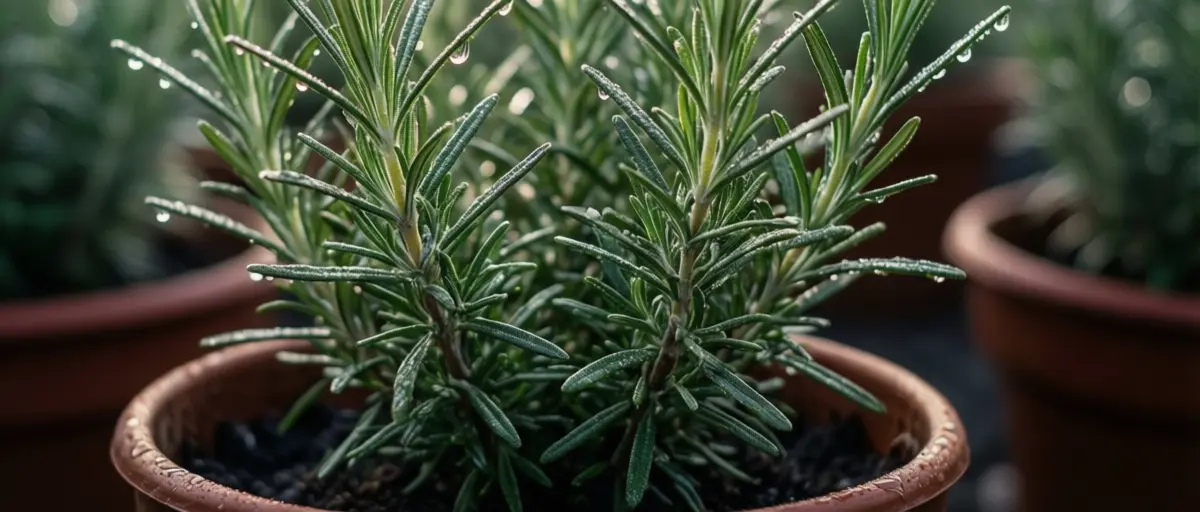
Step-by-Step Planting Instructions
Cultivating a thriving growing rosemary in pots is a breeze with these personalized steps:
Choose Your Rosemary
Select a healthy young rosemary plant from a local nursery. Look for vibrant green foliage and a strong, woody stem. Alternatively, take 4-6 inch cuttings from an existing plant, stripping the lower leaves, and planting them in a rooting medium.
Prepare the Pot
Ensure your chosen pot has excellent drainage holes. Place a layer of broken terracotta pieces or gravel at the bottom to further enhance drainage and prevent soil from escaping.
Fill with Soil
Partially fill the pot with your well-draining potting mix. Create a small depression in the center for your rosemary plant.
Plant Your Rosemary
Gently remove the rosemary from its nursery container, taking care not to disturb the root ball too much. Place it in the prepared pot, ensuring the top of the root ball is level with the soil surface. Fill the remaining space with potting mix, lightly firming it around the base of the plant.
Water Thoroughly
After planting, water your rosemary generously until water drains from the bottom of the pot. This helps settle the soil and eliminates air pockets. For best results, use room-temperature water.
Initial Placement
Place your newly potted rosemary in a sunny location where it can receive at least 6-8 hours of direct sunlight daily. A south-facing window or a sunny balcony is ideal.
Plant Care Essentials
Maintaining a healthy growing rosemary plant in a pot requires attention to these vital aspects:
- Water Needs: Rosemary prefers drier conditions. Water thoroughly when the top inch or two of soil feels dry to the touch, then allow it to dry out completely before watering again. Overwatering is the most common cause of rosemary demise in pots. Consider a moisture meter for precise watering.
- Sunlight Requirements: As mentioned, full sun is paramount. Lack of adequate light can lead to leggy growth and reduced aromatic oil production.
- Temperature Tolerance: Rosemary is hardy in USDA zones 7-10. It can tolerate temperatures down to about 20°F (-6°C) but prefers warmer conditions. In colder climates, bring potted rosemary indoors during winter.
- Fertilization: Rosemary is not a heavy feeder. A light application of a balanced liquid fertilizer (diluted to half strength) once every 2-4 weeks during the growing season (spring and summer) is sufficient. Avoid fertilizing in fall and winter.
- Pruning: Regular pruning encourages bushier growth and prevents the plant from becoming woody. Trim back about one-third of the plant after it finishes flowering or as needed for shaping and harvesting.
Best Varieties & Companion Plants
For robust growing rosemary in pots, consider these excellent varieties:
- ‘Arp’: Known for its cold hardiness and upright growth, making it a great choice for container growing.
- ‘Tuscan Blue’: A vigorous, upright variety with highly aromatic leaves, perfect for culinary uses.
- ‘Prostratus’ (Creeping Rosemary): Ideal for cascading over the edges of pots, adding a beautiful visual element.
Rosemary makes an excellent companion plant due to its strong aroma, which can deter pests.
- Cabbage Family: Rosemary can help deter cabbage moths and beetles.
- Carrots: It can ward off carrot rust flies.
- Sage, Thyme, Oregano: These Mediterranean herbs share similar growing conditions with rosemary, making them excellent pot-mates in larger containers. Their combined aromas create a delightful sensory experience.
Landscape Uses & Harvest Tips
Potted rosemary isn’t just for cooking; it’s a versatile design element!
- Patio Accent: Place large potted rosemary plants to define seating areas or pathways.
- Edible Centerpiece: A beautiful potted rosemary can serve as a fragrant and functional centerpiece for outdoor dining.
- Window Boxes: Creeping varieties look stunning cascading from window boxes.
- Entryway Welcome: A fragrant rosemary plant by your front door offers an inviting aroma.
Harvesting: Snip off sprigs as needed, preferably in the morning after the dew has dried. Avoid removing more than one-third of the plant at a time to ensure continuous growth. Regular harvesting actually encourages bushier growth!
Common Pests & Diseases to Avoid
While relatively resistant, growing rosemary plant can sometimes encounter issues:
- Root Rot: The most common problem, caused by overwatering. Ensure well-draining soil and diligent watering practices.
- Powdery Mildew: Appears as white, powdery spots on leaves, often due to poor air circulation. Provide adequate spacing and humidity control.
- Aphids & Spider Mites: Small pests that can be found on new growth. Treat with insecticidal soap or a strong spray of water. Early detection is key; check under leaves regularly. Neem oil is also an effective organic deterrent.
Seasonal Maintenance & Overwintering
To keep your growing rosemary in pots thriving year-round:
- Spring: Begin light fertilization and prune any winter-damaged growth. Repot every 2-3 years directly into a pot one size larger to refresh the soil and accommodate root growth.
- Summer: Water as needed, ensuring full sun exposure. Continue harvesting regularly.
- Fall: Reduce watering and stop fertilizing. If you live in a colder climate (below USDA zone 7), prepare to bring your plant indoors.
- Winter (Indoors): Place potted rosemary in a cool, bright location (a south-facing window is ideal). Reduce watering significantly, only watering when the soil is completely dry. Aim for temperatures between 50-65°F (10-18°C). Avoid placing it near heat vents, which can dry out the plant.
Conclusion
Mastering the art of growing rosemary in pots opens up a world of aromatic possibilities, even for those with limited space. From understanding its need for sunlight and well-draining soil to the subtle rhythm of watering and pruning, each step contributes to cultivating a resilient and rewarding herb. By following these comprehensive tips, you’re not just growing a plant; you’re inviting a touch of Mediterranean charm and a wealth of flavor into your home. Ready to transform your space? Share your rosemary journey with us! Post photos of your thriving potted rosemary on social media using #MyRosemaryGarden, and let’s inspire a community of fragrant herb lovers.
FAQs
Q: Can I grow rosemary indoors year-round?
A: Yes, with proper care and sufficient light, rosemary can thrive indoors year-round. Ensure it gets at least 6 hours of direct sunlight daily, ideally from a south-facing window, or supplement with a grow light.
Q: How often should I water my potted rosemary?
A: Water only when the top 1-2 inches of soil are dry to the touch. Rosemary prefers to dry out between waterings. Overwatering is the most common mistake.
Q: Why are the leaves on my rosemary turning yellow or brown?
A: Yellowing leaves often indicate overwatering or poor drainage, leading to root rot. Brown, crispy leaves can suggest underwatering or lack of humidity (especially indoors).
Q: Does rosemary need to be fertilized?
A: Rosemary is not a heavy feeder. A light, balanced liquid fertilizer applied once every 2-4 weeks during the active growing season (spring and summer) is usually sufficient. Avoid over-fertilizing.
Q: Can I propagate rosemary from cuttings?
A: Absolutely! This is one of the easiest ways to grow new rosemary plants. Take 4-6 inch cuttings from healthy stems, remove the lower leaves, and place them in water or a rooting medium until roots develop.