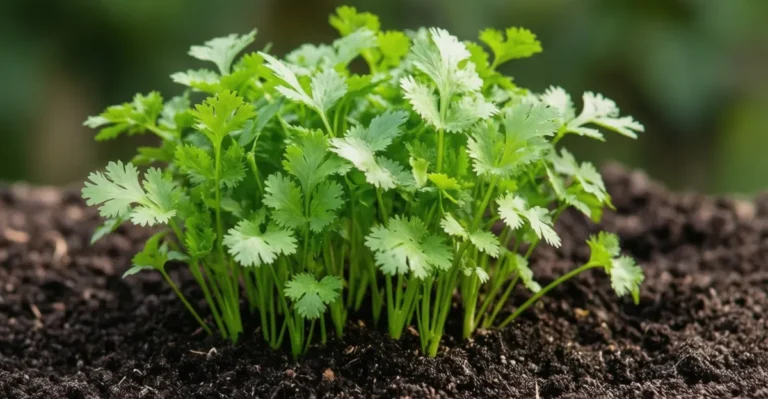
Fact Check: Does Cilantro Need Full Sun?
Have you ever wondered if that vibrant, peppery herb, cilantro, truly thrives under the scorching gaze of the midday sun, or is it a more nuanced affair? Many gardening myths persist, but when it comes to maximizing your harvest, understanding a herb’s light requirements is paramount. Today, we’re diving deep into a perennial gardener’s question: does cilantro need full sun? The answer, as we’ll uncover, might surprise you, and will fundamentally change the way you approach growing this beloved ingredient.
Table of Contents
Tools & Soil Requirements
Before we even consider sunlight, laying the right foundation is crucial for successful cilantro cultivation. Think of it as preparing a five-star dining experience for your herb!
Essential Tools:
- Garden Trowel or Hand Cultivator: For breaking up soil, digging small holes, and light weeding.
- Watering Can with a Fine Rose or Drip System: Cilantro prefers consistent moisture, and gentle watering prevents disturbing delicate seedlings.
- Seed Starting Trays or Small Pots: If starting indoors, these provide a controlled environment.
- Gloves: Protect your hands from soil and potential irritants.
- Pruning Shears/Kitchen Scissors: For harvesting leaves without damaging the plant.
Ideal Soil Conditions:
Cilantro is not overly fussy, but it absolutely flourishes in particular soil types. Aim for:
- Well-Draining Soil: This is non-negotiable. Cilantro reviles “wet feet” and standing water, which can lead to root rot. A sandy loam or a loamy soil amended with organic matter is perfect.
- Rich in Organic Matter: Incorporate compost or well-rotted manure generously. This improves soil structure, drainage, and provides essential nutrients.
- pH Level: Cilantro prefers a slightly acidic to neutral soil, ideally between 6.0 and 7.0. A simple soil test kit can confirm your pH.
Climate Considerations:
Cilantro is a cool-season annual that notoriously “bolts” (goes to seed) when temperatures rise.
- Temperature Range: Thrives between 50°F and 75°F (10°C to 24°C).
- Humidity: Average humidity is fine; avoid excessively dry or super humid conditions, which can stress the plant.
Best Planting Season & Timing
Understanding when to plant is just as critical as knowing if does cilantro need full sun. Cilantro is a spring and fall superstar.
- Spring Planting: As soon as the danger of the last frost has passed and soil temperatures consistently hit 50°F (10°C). For many regions, this is early spring (March-April).
- Fall Planting: In late summer or early fall (August-September) as temperatures begin to cool, especially in warmer climates where summer heat makes spring planting challenging.
- Germination Time: Expect seeds to sprout within 7-10 days, which is remarkably quick, often 20% faster than many common garden herbs like sage or rosemary.
- Time to Maturity: You can typically begin harvesting outer leaves in 3-4 weeks. The plant will reach full maturity, ready for a more substantial harvest, in about 6-8 weeks. Succession planting every 2-3 weeks ensures a continuous supply.
Step-by-Step Planting Instructions
Cultivating cilantro from seed is a rewarding experience. Here’s how does cilantro grow with our foolproof method:
1. Prepare Your Planting Location
Start by choosing a spot in your garden that receives the optimal sun exposure (more on that in a moment!). Loosen the soil to a depth of 6-8 inches and amend with a 2-inch layer of rich compost. This creates a fluffy, nutrient-dense home for your seeds.
2. Sow Your Seeds
Cilantro seeds are actually two seeds encased in a husk. Gently crush the husks before planting to improve germination rates. Plant seeds about 1/4 to 1/2 inch deep and 1 inch apart in rows about 12 inches apart. If planting in pots, scatter seeds evenly and lightly cover.
3. Water Gently
Immediately after planting, water the area thoroughly with a fine spray to avoid displacing seeds. The soil should be consistently moist, but never waterlogged.
4. Thin Seedlings (If Needed)
Once seedlings emerge and have their first true leaves (usually 2-3 inches tall), thin them to 4-6 inches apart. This gives each plant ample space to grow and prevents overcrowding, which can lead to early bolting. Don’t discard the thinnings; they’re delicious in salads!
5. Mulch for Moisture
Apply a thin layer of organic mulch (like straw or shredded leaves) around your seedlings. This helps retain soil moisture, suppresses weeds, and keeps soil temperatures cooler, which is crucial for preventing bolting.
Plant Care Essentials
Now, let’s address the elephant in the room: does cilantro need full sun?
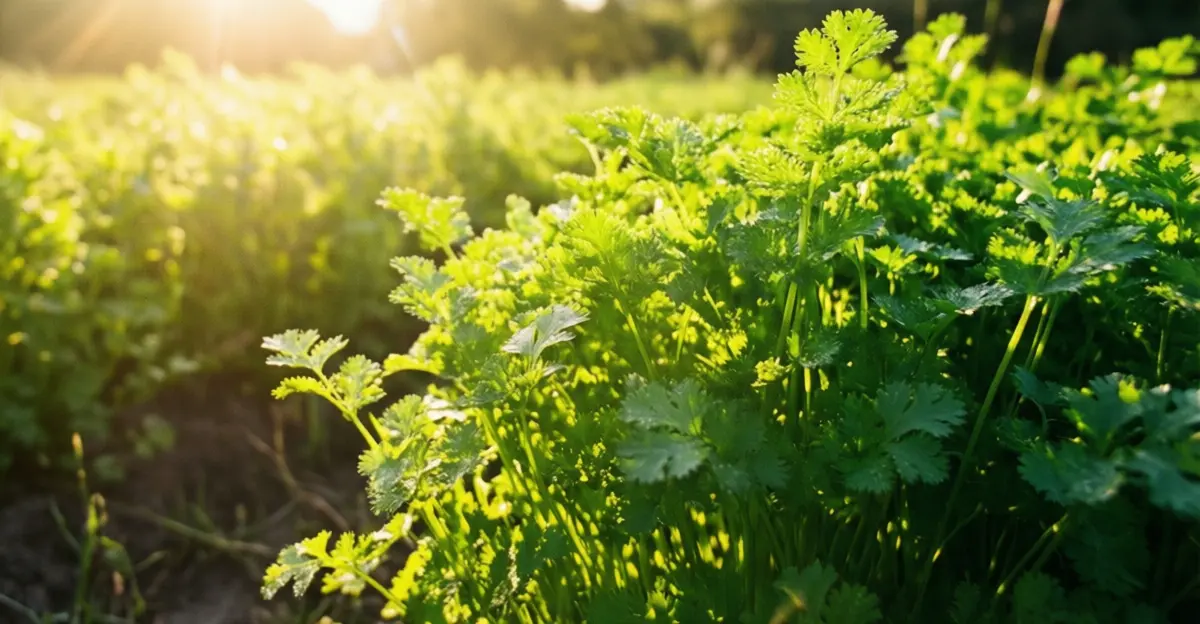
- Sunlight Requirements: This is where the myth meets reality. While many herbs crave full sun (6+ hours of direct sunlight), cilantro is an exception. It prefers partial sun or diffused light, especially in warmer climates. In reality, 3-5 hours of direct morning sun, followed by afternoon shade, is ideal. Intense, scorching afternoon sun can cause cilantro to bolt rapidly, turning its leaves bitter and sending it straight to flower. For urban gardeners with limited sun, even 2-3 hours of direct sun with bright indirect light for the rest of the day can yield a decent harvest.
- Water Needs: Consistent moisture is key. Water deeply when the top inch of soil feels dry to the touch. Avoid letting the soil completely dry out, as this stresses the plant and can trigger bolting. Drip irrigation or bottom watering for containers can be highly effective.
- Temperature Tolerance: As mentioned, cilantro thrives in cooler temperatures. It can tolerate light frosts (down to 25°F / -4°C) but will succumb to hard freezes. High temperatures (above 75°F / 24°C) are its nemesis, signaling it’s time to produce seeds.
- Nutrient Needs: Cilantro isn’t a heavy feeder. Amending the soil with compost at planting provides sufficient nutrients for most of its growth cycle. If growth seems stunted, a light application of a balanced, organic liquid fertilizer (like fish emulsion) at half strength can be beneficial, but over-fertilizing can negatively impact flavor.
Best Varieties & Companion Plants
Choosing the right variety and companions can elevate your cilantro game!
Recommended Cilantro Varieties:
- ‘Santo’: A classic, slow-to-bolt variety known for vigorous growth and broad leaves.
- ‘Calypso’: Excellent heat tolerance, making it a good choice for slightly warmer regions. Offers a longer harvest window.
- ‘Delfino’: A finely cut, fern-like leaf structure, attractive for garnishes, and good for containers.
- ‘Lemon’: Offers a subtle citrusy note, great for a culinary twist.
Creative Companion Planting:
- Lettuce & Spinach: These leafy greens also prefer shade, making them perfect partners. Their broad leaves can even help shade the cilantro roots, keeping the soil cool.
- Peas & Bush Beans: Legumes fix nitrogen in the soil, beneficial for cilantro’s growth.
- Carrots & Radishes: These root crops don’t compete for surface space and their growth habits are complementary.
- Anise & Dill: While both are also members of the carrot family, growing dill nearby can attract beneficial insects like hoverflies, whose larvae prey on aphids. Just be mindful of dill’s height, ensuring it doesn’t completely overshadow your cilantro.
Landscape Uses & Harvest Tips
Cilantro isn’t just for tacos; it can be an attractive addition to your garden and a constant source of fresh flavor!
Landscape Uses:
- Herb Patches: The obvious choice, creating a dedicated space for culinary delights.
- Container Gardening: Ideal for urban gardeners! Choose wide, shallow pots to allow for succession planting. Place pots where they get morning sun and afternoon shade.
- Edible Borders: Plant a row of cilantro along the edge of your vegetable beds.
- Under Taller Plants: Leverage the shade provided by taller plants like tomatoes or corn to protect cilantro from intense sun.
Personalized Harvest Tips:
- “Cut and Come Again”: For a continuous harvest, snip off the outer leaves first, close to the base of the plant. This encourages new growth from the center.
- Early Morning Harvest: Leaves harvested in the cool morning hours tend to have the best flavor and retain their freshness longer.
- Don’t Let it Bolt (Unless You Want Seeds!): As soon as you see a central flower stalk appearing, prune it back to delay bolting. If it does bolt, don’t despair! The seeds (coriander) are also a valuable culinary spice, and the flowers attract beneficial pollinators.
- Storage: Store freshly washed and dried cilantro in a jar with an inch of water, loosely covered with a plastic bag, in the refrigerator for up to two weeks.
Common Pests & Diseases to Avoid
Even the hardiest plants can face challenges. Here’s how to keep your cilantro happy and healthy:
- Aphids: Small, soft-bodied insects that cluster on new growth. Prevention: A strong spray of water can dislodge them. Treatment: Introduce beneficial insects like ladybugs, or use insecticidal soap, targeting affected areas.
- Leaf Miners: These larvae tunnel through leaves, leaving tell-tale trails. Prevention: Use row covers to prevent adults from laying eggs. Treatment: Remove and destroy affected leaves.
- Slugs & Snails: Especially problematic in damp conditions. Prevention: Maintain good garden hygiene, remove debris, and consider ‘beer traps’ or copper tape.
- Bolting (Premature Flowering): Not a pest or disease, but a common issue. Prevention: Choose slow-bolting varieties, ensure adequate moisture, provide afternoon shade, and succession plant. This is strong evidence that whether does cilantro need full sun isn’t a simple “yes,” but rather a nuanced “sometimes, but not too much.”
- Damping-Off: A fungal disease affecting seedlings, causing them to rot at the soil line. Prevention: Ensure good air circulation, use sterile seed-starting mix, and avoid overwatering.
Seasonal Maintenance & Overwintering
Since cilantro is an annual, true overwintering isn’t typically practiced. However, you can extend your harvest and plan for next season.
- Spring & Summer Maintenance: Focus on consistent watering, light weeding, and regular harvesting to prolong leaf production. Monitor for bolting and prune flower stalks if you want more leaves.
- Fall Planting for Winter: In mild-winter climates (USDA Zones 8-10), a fall planting can provide fresh cilantro throughout the winter, especially if protected under a cold frame or cloche.
- Seed Saving: If your cilantro does bolt, allow some plants to go to seed. Once the seeds turn brown and dry on the plant, harvest them for next season or for culinary use (coriander). This ensures a continuous cycle without having to buy new seeds. Store dried seeds in an airtight container in a cool, dark place.
Conclusion
So, to definitively answer the question: does cilantro need full sun? The data clearly shows that cilantro prefers partial sun, especially during hot afternoons, to prevent premature bolting and ensure a lush, flavorful harvest. By providing the right soil, consistent moisture, and strategic sun exposure, you can enjoy a continuous supply of this versatile herb. Don’t let old gardening adages deter you; embrace the nuances of your plants!
Are you ready to transform your cilantro growing strategy? Share your success stories and tag us in your garden photos! What other herb myths should we debunk next? Explore more of our comprehensive herb guides here.
FAQs
Q1: Can I grow cilantro indoors?
A1: Yes! Cilantro can be grown indoors near a bright, south-facing window, or under grow lights. Ensure it gets adequate light (4-6 hours), consistent moisture, and cool temperatures.
Q2: Why is my cilantro bolting so quickly?
A2: The most common reasons are high temperatures (above 75°F / 24°C), insufficient moisture, or too much direct, intense sunlight. Stress factors signal the plant to produce seeds for survival.
Q3: What’s the difference between cilantro and coriander?
A3: They are two parts of the same plant! “Cilantro” refers to the fresh leaves and stems, while “coriander” refers to the dried seeds.
Q4: Can I grow cilantro from store-bought seeds (coriander)?
A4: Yes, you absolutely can! The whole, uncrushed coriander seeds you buy in the spice aisle can typically be used for planting. Just gently crush the husks before sowing to aid germination.
Q5: My cilantro leaves are turning yellow. What’s wrong?
A5: Yellowing leaves can indicate overwatering (leading to root rot), underwatering, or a nutrient deficiency. Check your soil moisture first, then consider a balanced organic fertilizer if the issue persists.