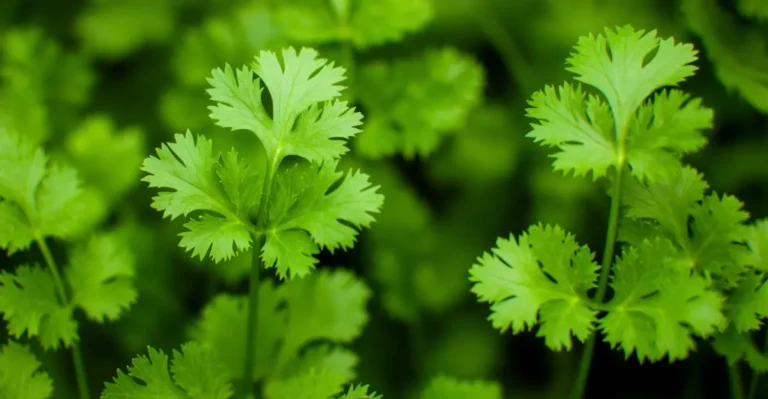
Lifecycle Stages: How Does Cilantro Grow?
Is it possible that the vibrant, versatile herb you adore in your culinary creations could also be one of the most misunderstood plants in your garden? Many aspiring green thumbs struggle with this aromatic annual, often wondering: how does cilantro grow successfully in varying climates, and what are the secrets to nurturing it from a tiny seed into a bountiful harvest? Let’s delve into the fascinating lifecycle stages of cilantro, debunking common myths and providing you with a data-driven guide to cultivate this fragrant herb with remarkable ease. By understanding its specific needs, you’ll uncover why your previous attempts might have faltered and how simple adjustments can lead to flourishing plants, even for those new to growing cilantro from seed.
Table of Contents
Tools & Soil Requirements
To embark on your cilantro-growing journey, having the right tools and understanding its preferred environment are crucial. Think of your garden as a chef’s kitchen – precision and quality ingredients yield the best results.
Essential Tools:
- Hand Trowel: For precise planting and weeding.
- Watering Can or Hose with a Gentle Sprayer: Cilantro prefers consistent moisture without being waterlogged.
- Gardening Gloves: To protect your hands.
- Seed Starting Trays or Small Pots: If starting indoors.
- Garden Fork or Cultivator: To prepare the soil.
Soil & Climate Conditions:
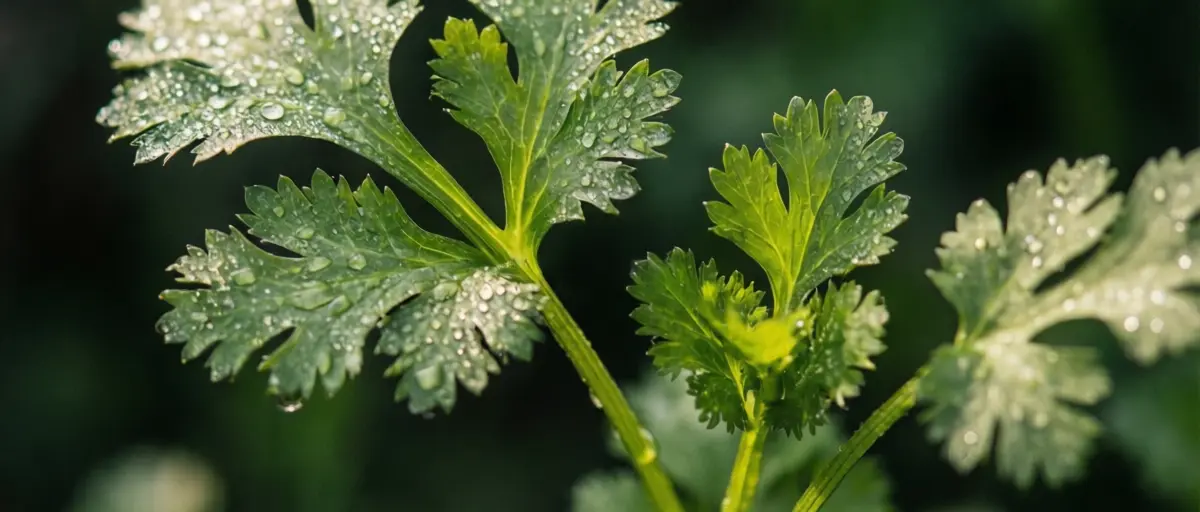
Cilantro thrives in loamy, well-draining soil with a pH between 6.0 and 7.0. Think of soil that feels rich and crumbly – not heavy clay or sandy. Good drainage is paramount; cilantro roots are susceptible to rot in waterlogged conditions. Incorporating compost or well-rotted manure before planting will enrich the soil, providing essential nutrients for robust growth.
Regarding climate, cilantro prefers cool, mild temperatures, ideally between 50-75°F (10-24°C). It struggles in extreme heat, which often triggers bolting (going to seed prematurely). If you’re in a warmer region, partial shade during the hottest part of the day can make a significant difference in prolonging its leafy stage.
Best Planting Season & Timing
Understanding the optimal planting season is key to a continuous harvest of this flavorful herb. Cilantro is a cool-season annual, meaning it performs best in spring and fall.
- Spring Planting: As soon as the last frost has passed and soil temperatures reach 50°F (10°C), you can begin planting. This typically means early spring for most temperate climates.
- Fall Planting: In zones with mild winters, a late summer or early fall planting can provide you with fresh cilantro throughout the cooler months. For hotter climates, this is often the most successful window, allowing the plants to mature before intense summer heat sets in.
Germination to Maturity:
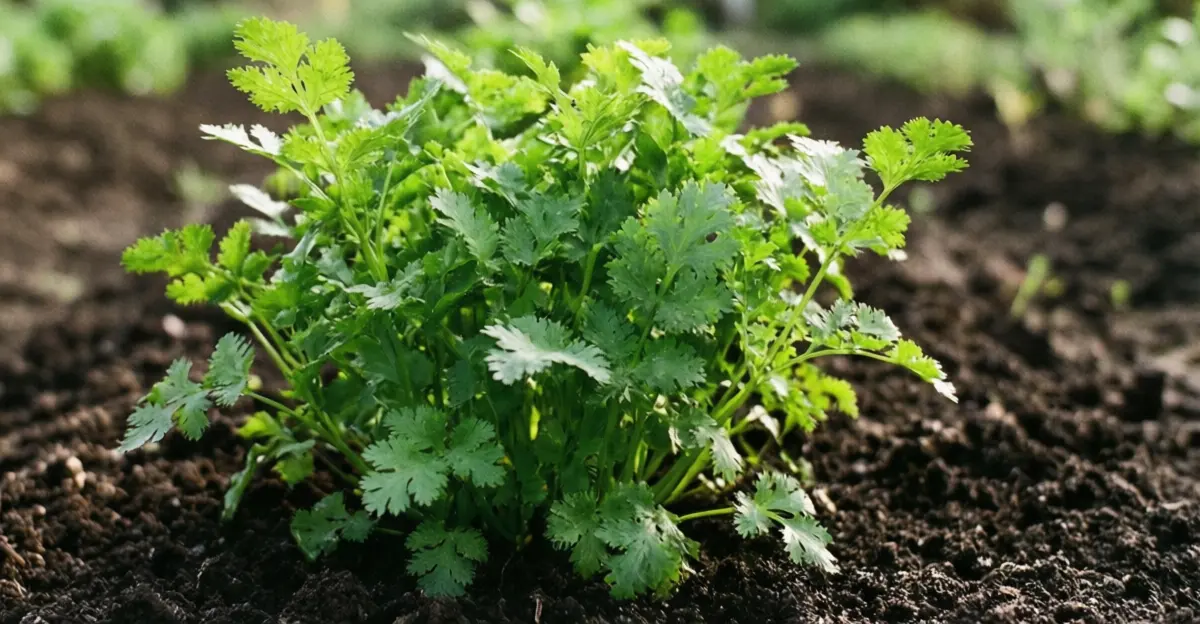
Cilantro seeds typically germinate in 7-10 days when conditions are ideal. This is remarkably fast, often 20% quicker than some slower-germinating leafy greens. From germination to a harvestable leafy stage, you can expect around 30-45 days. If you’re aiming for coriander seeds, the plant will take 90-120 days to fully mature and produce seeds. For a continuous supply, consider succession planting every 2-3 weeks.
Step-by-Step Planting Instructions
Cultivating cilantro from seed is a rewarding process. Let’s walk through the steps, ensuring your plants get the best possible start.
1. Prepare Your Seeds
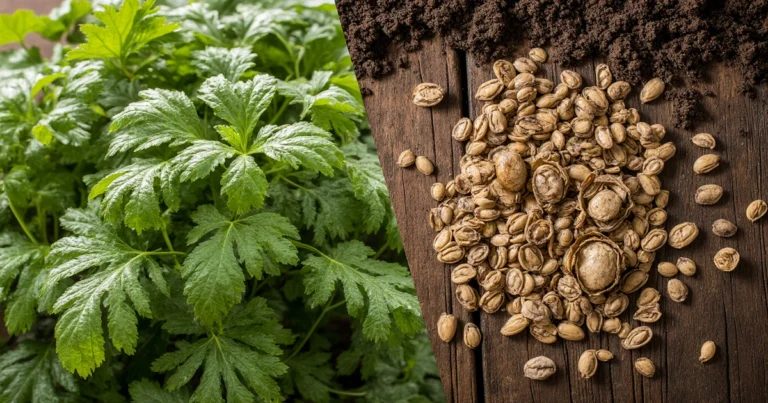
Gently crush your cilantro seeds (which are actually botanical fruits containing two seeds) before planting. This breaks open the protective outer shell, significantly improving germination rates and speed. Soak them in water for 24 hours prior to planting for an even quicker start.
2. Choose Your Planting Location
Whether in a garden bed or container, select a spot with at least 6 hours of sunlight per day, especially in cooler climates. If you’re in a hot region, aim for morning sun and afternoon shade to prevent premature bolting. Ensure your chosen container has excellent drainage holes.
3. Prepare the Soil
Loosen the soil to a depth of 6-8 inches, incorporating 1-2 inches of compost. This creates the perfect airy, nutrient-rich environment for roots to establish. Create shallow furrows about 1/4 to 1/2 inch deep.
4. Sow the Seeds
Sow the prepared seeds about 1 inch apart in rows spaced 12-15 inches apart. For container planting, scatter them evenly. Cover lightly with soil and gently pat down. This optimal spacing ensures adequate airflow and reduces competition for nutrients.
5. Water Gently
Immediately after planting, water thoroughly but gently. A fine spray from a watering can or hose attachment prevents disturbing the shallowly sown seeds. Maintain consistent moisture throughout the germination period.
6. Thin Seedlings (Optional but Recommended)
Once seedlings are 2-3 inches tall, thin them to 4-6 inches apart. This might feel counterintuitive, but it provides ample space for stronger plants to develop, resulting in bushier, more productive cilantro. The thinned seedlings can even be eaten!
Plant Care Essentials
Understanding how to maintain your cilantro after planting is crucial for a prolonged harvest of fresh leaves.
- Water Needs: Cilantro prefers consistently moist but not waterlogged soil. Aim for about 1 inch of water per week, either from rainfall or irrigation. In hot, dry conditions, you may need to water daily. Drought stress is a major trigger for bolting, so consistency is key.
- Sunlight Requirements: As mentioned, 6 hours of full sun is ideal in cooler temperatures. In warmer zones (like USDA zones 8 and above), partial shade, particularly during the harsh afternoon sun, will extend its life cycle significantly.
- Temperature Tolerance: Cilantro is hardy down to light frosts (USDA zones 2-11) but struggles with temperatures consistently above 75°F (24°C). When temperatures soar, consider providing shade cloth or moving container plants indoors to a cooler spot.
- Feeding: If your soil is well-amended with compost at planting, additional fertilization is often unnecessary. If your soil is poor, a light application of a balanced liquid organic fertilizer (e.g., diluted fish emulsion) can be applied every 3-4 weeks.
Best Varieties & Companion Plants
Choosing the right variety and understanding companion planting can dramatically enhance your cilantro’s success.
Recommended Varieties:
- ‘Santo’: A widely popular, slow-bolting variety, perfect for leaf production.
- ‘Calypso’: Known for its upright growth and excellent disease resistance, performing well even in slightly warmer temperatures.
- ‘Leisure’: Another slow-bolting option, highly aromatic and prolific.
- ‘Delfino’: A delicate, finely cut leaf variety, ideal for culinary use.
Companion Plants:
Cilantro makes an excellent companion in the garden.
- Anise, Carrots, Dill: These umbellifers can attract beneficial insects like hoverflies and predatory wasps, which help control pests.
- Legumes (Beans, Peas): Nitrogen fixers that enrich the soil, benefiting cilantro.
- Tomatoes & Peppers: Cilantro can provide a living mulch, helping to keep their roots cool and moist.
- Repels Pests: Its strong aroma is known to deter aphids, spider mites, and even potato beetles. Avoid planting with fennel, which can inhibit cilantro’s growth.
Landscape Uses & Harvest Tips
Cilantro isn’t just for the kitchen; it offers aesthetic appeal and harvesting versatility.
Landscape Uses:
- Edible Borders: Plant along garden edges for a soft, green, and fragrant border.
- Container Gardening: Ideal for pots on patios or balconies, allowing easy access for harvesting. Its feathery texture provides a lovely contrast with other container plants.
- Companion Plantings: Interplant with flowers like marigolds or cosmos to attract pollinators and add visual interest.
Harvesting Tips:
- Harvesting Leaves: Begin harvesting when plants are 6 inches tall, typically 3-4 weeks after planting. Snip off outer leaves or whole stems near the base, taking no more than one-third of the plant at a time. This encourages more growth.
- “Cut and Come Again”: Regularly harvesting ensures continuous production. For best flavor, harvest in the morning after the dew has dried.
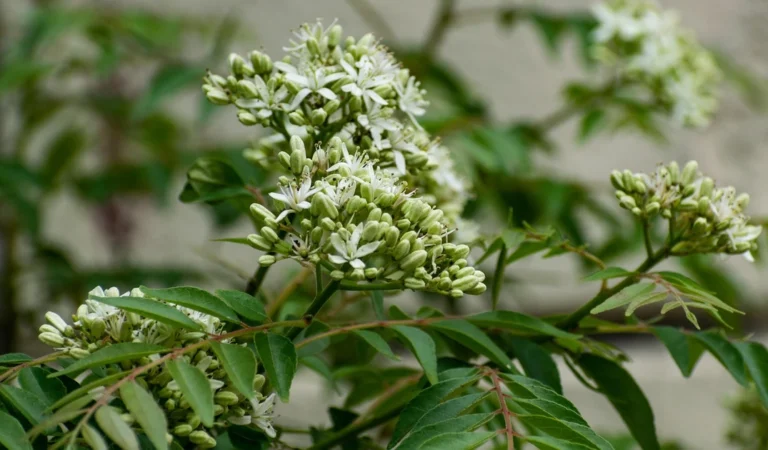
- Harvesting Seeds (Coriander): If you let your cilantro bolt and flower, tiny green seed pods will form. Allow them to dry fully on the plant until they turn brown and brittle. Cut the stems and hang them upside down in a paper bag to catch the falling seeds. Store dried seeds in an airtight container for up to a year.
Common Pests & Diseases to Avoid
While relatively robust, cilantro can encounter a few common garden challenges.
- Pests:
- Aphids: Small, soft-bodied insects that cluster on new growth. Blast them off with a strong stream of water or treat with insecticidal soap.
- Spider Mites: Tiny arachnids that cause stippling on leaves and fine webbing. Increase humidity and use insecticidal soap.
- Leaf Miners: Larvae burrow into leaves, creating squiggly trails. Remove affected leaves immediately.
- Diseases:
- Damping Off: A fungal disease affecting seedlings, often due to overly wet conditions. Ensure good drainage and avoid overwatering.
- Powdery Mildew: White, powdery spots on leaves, especially in humid conditions with poor air circulation. Improve airflow, and consider organic fungicides containing neem oil.
Prevention is key! Ensure proper plant spacing for good airflow, avoid overhead watering (which can spread fungal spores), and maintain healthy soil to encourage strong, resistant plants. Regular inspection will help you catch issues early.
Seasonal Maintenance & Overwintering
Cilantro is typically grown as an annual, but understanding its seasonal needs can maximize your yield.
- Spring to Summer: Focus on consistent watering and vigilant harvesting to delay bolting. If temperatures rise rapidly, consider using shade cloth.
- Fall: This is another prime planting window. Protect young plants from early frosts with row covers if needed.
- Winter: In colder climates (below USDA Zone 7), cilantro will not survive heavy frosts. You can sow seeds in containers and bring them indoors to a sunny window for a winter harvest. In mild winter climates (Zone 8+), a fall planting can continue producing through the winter months.
- Pruning for Longevity: Regular harvesting acts as a form of pruning, encouraging the plant to produce more leaves instead of focusing on flower production. If you see flower stalks emerging, pinch them back immediately to extend the leaf harvest, though this will only delay the inevitable bolting for a short period.
Conclusion
From understanding how does cilantro grow from the tiniest seed to mastering the delicate art of harvesting, you now possess the knowledge to cultivate this beloved herb successfully. Remember the importance of well-draining soil, consistent moisture, and protection from intense heat. Whether you’re interested in the fresh leaves for your summer salsa or the aromatic coriander seeds for your spice rack, cilantro offers a truly rewarding gardening experience. So, roll up your sleeves, prepare your soil, and embark on your cilantro-growing adventure! Don’t forget to share your journey with us – we love seeing your garden thrive! What are your favorite dishes to make with freshly harvested cilantro?
FAQs
Q: Why does my cilantro bolt so quickly?
A: Rapid bolting is typically triggered by high temperatures (above 75°F/24°C), inconsistent watering, or prolonged direct sunlight in hot climates. Planting slow-bolting varieties and providing afternoon shade can help.
Q: Can I grow cilantro indoors?
A: Yes! Cilantro can be grown indoors with adequate light (a sunny windowsill or grow lights) and consistent moisture. Ensure good drainage and air circulation to prevent fungal issues.
Q: What’s the difference between cilantro and coriander?
A: They are from the same plant! “Cilantro” refers to the fresh leaves, while “coriander” refers to the dried seeds of the plant.
Q: Should I cut the flowers off my cilantro plant?
A: If your goal is to harvest more leaves, yes, you can pinch off flower stalks as they appear. However, this only delays bolting for a short period. If you want coriander seeds, let the plant flower and go to seed.
Q: How often should I water cilantro?
A: Aim to keep the soil consistently moist but not waterlogged. This usually translates to watering every 1-3 days depending on your climate and soil type. Check soil moisture daily.