Tips for Growing Herbs in Containers Successfully
Are you looking to add some freshness to your cooking without having a large garden? Container gardening is a great solution. You can easily grow your favorite herbs on a balcony, patio, or even indoors.
Growing herbs in containers offers numerous benefits, including flexibility and control over the growing conditions. However, it also presents some challenges, such as limited soil volume and potential waterlogging. By understanding these factors, you can take steps to ensure a successful harvest.
Table of Contents
The Benefits of Container Herb Gardening
Embracing container herb gardening can revolutionize the way you grow your favorite herbs, offering flexibility and convenience. This method of gardening is particularly beneficial for urban dwellers and those with limited space, as it allows for the cultivation of herbs in a variety of settings, from balconies to indoor spaces.
Space Efficiency for Urban Gardeners
Container herb gardening is a boon for urban gardeners, enabling them to make the most of small spaces. By using containers, you can grow a variety of herbs on balconies, patios, or even indoors, maximizing your available space. This approach is especially useful for herbs for small spaces, allowing you to enjoy fresh flavors without needing a large garden.
Mobility and Seasonal Adaptation
One of the significant advantages of container gardening is its mobility. Containers can be moved to different locations based on the season or the amount of sunlight available, ensuring that your herbs receive the optimal conditions for growth. This flexibility is particularly beneficial for creating an indoor herb garden that can be adjusted according to the changing seasons.
Pest and Disease Control Advantages
Container gardening also offers better control over pests and diseases. By using containers, you can isolate your herbs from potential pests and diseases in the soil, reducing the risk of infestation. This controlled environment makes it easier to maintain healthy herbs, whether you’re growing them on a balcony herb garden or indoors.
| Benefits | Description |
| Space Efficiency | Ideal for urban gardeners and small spaces |
| Mobility | Containers can be moved for optimal sunlight and seasonal adaptation |
| Pest and Disease Control | Isolates herbs from soil-borne pests and diseases |
“Gardening is a love affair with the earth, and container gardening is a wonderful way to nurture that love in even the smallest of spaces.”
Selecting the Right Containers for Your Herbs
When it comes to growing herbs in containers, the type of container you choose can significantly impact the health and productivity of your plants. The right container can provide the necessary support for your herbs to thrive in small spaces.
Container Materials and Their Properties
The material of your container affects the soil temperature, moisture levels, and root health of your herbs. Different materials have unique properties that can either benefit or hinder your plants’ growth.
Terracotta vs. Plastic vs. Ceramic
Terracotta pots are breathable, allowing for good air circulation and moisture release. Plastic pots retain moisture better and are lightweight. Ceramic pots offer aesthetic appeal and can be durable, but may be heavy and prone to cracking.
Decorative and Upcycled Options
You can also use decorative or upcycled containers, such as old boots or wooden crates, to add a personal touch to your herb garden. Just ensure they have proper drainage holes.
Size and Depth Requirements for Different Herbs
Different herbs have varying requirements for root depth and space. For example, basil and mint require more depth, while thyme and rosemary prefer shallower pots.
| Herb | Container Depth | Container Width |
| Basil | 12-18 inches | 8-12 inches |
| Mint | 12-18 inches | 12-18 inches |
| Thyme | 6-8 inches | 8-12 inches |
Drainage Considerations for Healthy Roots
Adequate drainage is crucial to prevent waterlogged soil and root rot. Ensure your containers have sufficient drainage holes.
By choosing the right container and considering factors like material, size, and drainage, you can create an optimal environment for your herbs to flourish in small spaces.
Essential Soil Requirements for Container Herbs
The soil you choose for your container herbs can make or break their ability to thrive. When growing herbs in containers, it’s crucial to understand the soil requirements that will support healthy growth and maximize yields.
Optimal Soil Composition for Herbs
A well-balanced soil composition is vital for container herbs. The ideal mix should contain a blend of peat moss or coconut coir for moisture retention, perlite or vermiculite for drainage, and compost to provide nutrients. This combination ensures that your herbs receive the necessary nutrients and water without becoming waterlogged.
The Importance of pH Levels
The pH level of your soil significantly affects the availability of nutrients to your herbs. Most herbs prefer a slightly acidic to neutral soil pH, ranging from 6.0 to 7.0. Testing your potting mix’s pH and adjusting it if necessary is crucial for optimal herb growth.
Organic vs. Commercial Potting Mixes
When it comes to choosing a potting mix, you have the option between organic and commercial mixes. Organic potting mixes are made from natural materials and are ideal for those looking to avoid synthetic fertilizers and pesticides. Commercial potting mixes, on the other hand, are often formulated to provide a balanced nutrient profile and may offer more consistency in terms of quality.
| Soil Characteristic | Ideal Condition | Benefit |
| pH Level | 6.0 – 7.0 | Optimal nutrient availability |
| Moisture Retention | Balanced | Prevents waterlogging and drought |
| Nutrient Content | Rich in organic matter | Supports healthy herb growth |
Best Practices for Growing Herbs in Containers
For a thriving balcony herb garden, understanding container dynamics is key. Growing herbs in containers requires attention to detail and a few best practices to ensure healthy growth and maximize yields.
Container Placement Strategies
When it comes to container placement, consider the amount of sunlight your herbs will receive. Most herbs require at least 4-6 hours of direct sunlight per day. For a balcony herb garden, south-facing containers are ideal. If you’re limited by shade, choose herbs that tolerate partial shade, such as mint or parsley.
Spacing Requirements Between Plants
Adequate spacing is crucial for small space herb growing. Overcrowding can lead to reduced air circulation, increasing the risk of fungal diseases. Generally, herbs should be spaced 6-12 inches apart, depending on their mature size. For example, basil and mint can be quite sprawling, while thyme and rosemary are more compact.
| Herb | Spacing | Light Requirement |
| Basil | 12 inches | Full Sun |
| Mint | 12-18 inches | Partial Shade |
| Thyme | 6-8 inches | Full Sun |
Establishing New Herb Plants in Containers
When establishing new herb plants in containers, start with healthy seedlings or propagate from cuttings. Use a well-draining potting mix and avoid overwatering, which can lead to root rot. For growing herbs in urban environments, consider using a self-watering container or a moisture-retentive potting mix to reduce watering frequency.
Choosing the Best Herbs for Container Growing
When it comes to growing herbs in containers, selecting the right varieties is crucial for a thriving garden. You need to consider factors such as space, growth habits, and the specific needs of different herbs.
Herbs That Thrive in Small Spaces
Some herbs are perfectly suited for small spaces, making them ideal for container gardening. These herbs are not only compact but also resilient and productive.
Basil, Thyme, and Rosemary
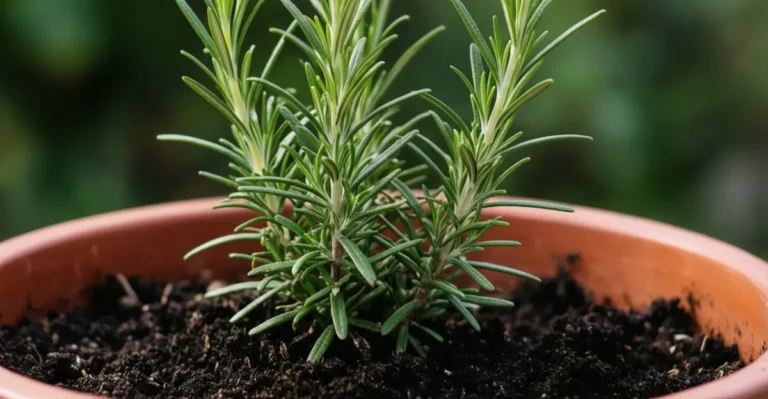
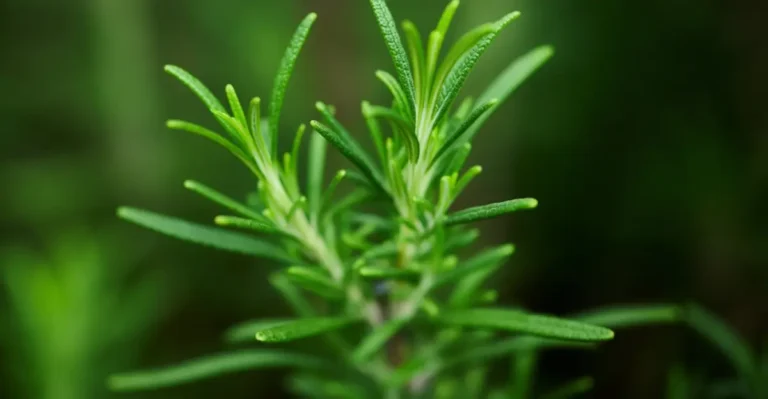
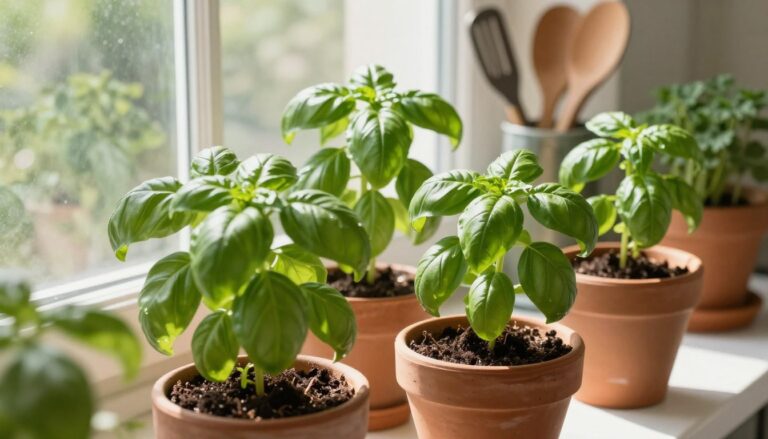
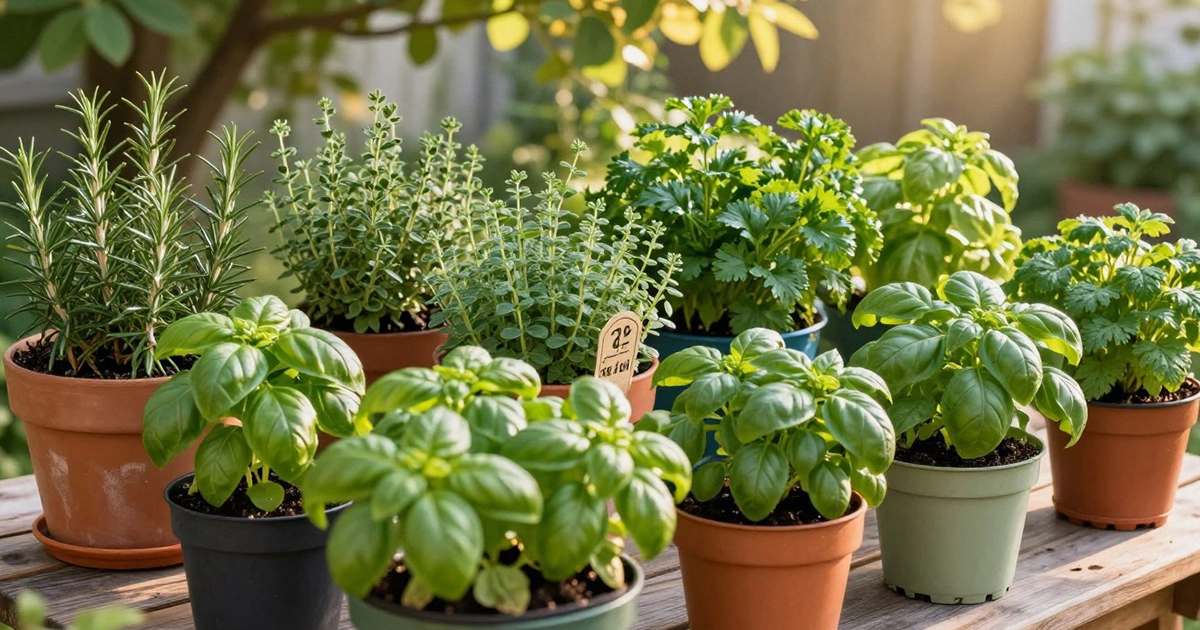
Herbs like basil, thyme, and rosemary are excellent choices. They are relatively low maintenance and can thrive in smaller containers. Basil adds a burst of flavor to many dishes, while thyme and rosemary provide a savory note.
Mint, Oregano, and Chives
Other herbs such as mint, oregano, and chives also do well in containers. Mint can be quite hardy and may require some containment to prevent it from spreading. Oregano and chives are relatively easy to care for and add depth to various culinary dishes.
Perennial vs. Annual Herbs in Containers
Understanding whether an herb is perennial or annual is vital for container gardening. Perennial herbs like rosemary and thyme come back year after year, while annual herbs like basil need to be replanted each season.
Companion Planting in Herb Containers
Companion planting involves pairing herbs that benefit from each other’s growth. For example, planting basil with tomatoes can enhance flavor and repel pests. Similarly, chives can be planted alongside rosemary to improve its growth.
Watering Techniques for Container Herbs
Proper watering is crucial for the health and vitality of your container herbs. Container herbs require a balanced watering schedule to thrive, as both overwatering and underwatering can be detrimental.
Establishing a Watering Schedule
To establish an effective watering schedule, check the moisture level of the soil by inserting your finger into the soil up to the first knuckle. If the soil feels dry, it’s time to water. The frequency of watering depends on factors like container size, herb type, and environmental conditions.
| Herb Type | Watering Frequency | Soil Moisture Level |
| Basil | Daily | Keep soil consistently moist |
| Rosemary | Every other day | Allow top inch of soil to dry |
| Mint | Daily | Keep soil consistently moist |
Signs of Overwatering and Underwatering
Recognizing the signs of overwatering and underwatering is crucial. Overwatering can lead to root rot, while underwatering can cause herbs to wilt and lose flavor. Look for yellowing leaves or droopy stems as indicators of watering issues
Self-Watering Container Options
Consider using self-watering containers, which have built-in water reservoirs. These containers allow herbs to draw water as needed, reducing the risk of overwatering and ensuring consistent moisture levels.
By implementing these watering techniques, you can create an optimal growing environment for your container herbs, ensuring they remain healthy and productive.
Light Requirements for Growing Herbs in Containers
To grow herbs successfully in containers, it’s essential to know their light requirements. Herbs generally need adequate light to photosynthesize and grow, but the amount of light needed can vary significantly from one herb to another.
Full Sun Herbs vs. Partial Shade Herbs
Some herbs, like basil and rosemary, thrive in full sun, requiring at least 6 hours of direct sunlight per day. In contrast, herbs like mint and parsley can tolerate partial shade, needing only 4-6 hours of direct sunlight or dappled light throughout the day. Understanding these differences is key to placing your herbs in the most suitable location.
Indoor Lighting Solutions
For those growing herbs indoors, achieving the right light conditions can be challenging. There are two main strategies to consider: utilizing natural light and supplementing with grow lights.
Natural Light Placement
Place your herb containers near a south-facing window to maximize natural light. East- or west-facing windows can also work, though the light will be less intense.
Grow Lights for Herbs
If natural light is limited, consider using grow lights. LED grow lights are a popular choice because they are energy-efficient and can be adjusted to emit specific light spectra that promote herb growth.
Seasonal Light Adjustments
As the seasons change, so do the light conditions. In the summer, herbs may need protection from intense sunlight, while in the winter, they may require supplemental lighting to compensate for shorter days. Being aware of these seasonal changes can help you adjust your herb care routine accordingly.
Fertilizing Container Herbs Effectively
Effective fertilization is vital for maintaining the nutritional health and productivity of herbs grown in containers. When growing herbs in containers, the right fertilization strategy can significantly impact their health and flavor.
Organic Fertilizer Options
Using organic fertilizers is a great way to provide your herbs with the necessary nutrients. Options include compost, fish emulsion, and manure tea. These natural fertilizers release nutrients slowly, promoting healthy growth without the risk of over-fertilization.
Fertilizing Schedule and Frequency
Establishing a fertilizing schedule is crucial for container herbs. Generally, herbs require fertilization every 1-2 weeks during the growing season. However, this frequency can vary based on the type of fertilizer used and the specific needs of the herbs.
Signs of Nutrient Deficiencies
Recognizing the signs of nutrient deficiencies in your herbs is key to adjusting your fertilization strategy. Common signs include yellowing leaves (nitrogen deficiency), purpling leaves (phosphorus deficiency), and weak growth. Adjusting your fertilizer application based on these signs can help restore your herbs’ health.
| Nutrient | Signs of Deficiency | Fertilizer Adjustment |
| Nitrogen | Yellowing leaves | Increase nitrogen-rich fertilizer |
| Phosphorus | Purpling leaves | Use a balanced fertilizer with phosphorus |
| Potassium | Weak growth, scorched edges | Apply a potassium-rich fertilizer |
By understanding and implementing an effective fertilization strategy, you can ensure your container herbs remain healthy and productive throughout the growing season.
Pruning and Harvesting Your Container Herbs
For a bountiful harvest of herbs in pots, mastering the techniques of pruning and harvesting is key. Whether you’re tending to an indoor herb garden or a balcony herb garden, these practices are essential for maintaining the health and productivity of your plants.
Proper Harvesting Techniques
When harvesting herbs, it’s crucial to use the right techniques to avoid damaging the plant. For leafy herbs like basil and mint, pinching or cutting off the leaves is recommended. For herbs like rosemary and thyme, you can harvest sprigs. Always use clean, sharp scissors or pruning shears to prevent spreading diseases.
Pruning for Bushier Growth
Pruning is not just about shaping your plants; it’s also about encouraging bushier growth. By pinching off the tips of stems, you stimulate the plant to grow more laterally, resulting in a fuller, more productive herb garden.
Preserving Your Herb Harvest
To enjoy your herb harvest year-round, preserving them is essential. There are several methods to preserve herbs, including drying and freezing.
Drying Methods
Drying herbs is a simple process that involves tying them in small bunches and hanging them upside down in a warm, dry place. This method is particularly effective for herbs like oregano and thyme.
Freezing Techniques
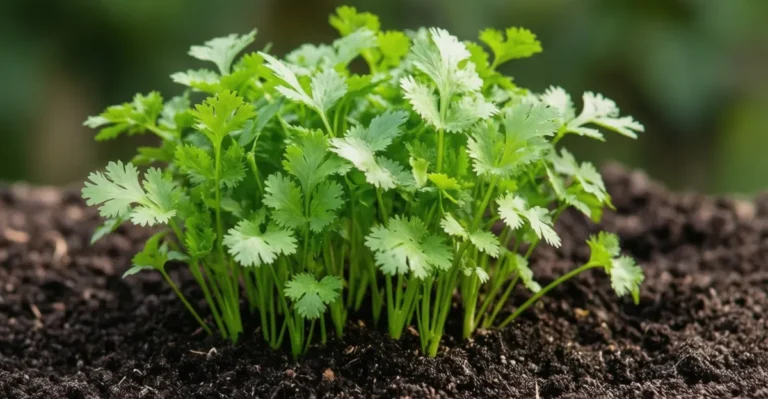
Freezing is another excellent method for preserving herbs. You can chop the herbs finely and freeze them in ice cube trays filled with water or olive oil. This method works well for herbs like parsley and cilantro.
As Maximal yield is achieved through careful pruning and harvesting, you can enjoy a continuous supply of fresh herbs from your container garden. As one expert notes,
“The key to a thriving herb garden is regular maintenance and harvesting, which encourages the plants to produce more leaves.”
Seasonal Care for Container Herbs
To keep your herbs healthy and flourishing, understanding seasonal care is crucial. As the seasons change, the needs of your container herbs shift, requiring adjustments in care to ensure their continued health and productivity.
Spring and Summer Maintenance
During spring and summer, your container herbs are in their active growth phase. Regular watering is essential, but be cautious of overwatering, which can lead to root rot. Fertilize your herbs with a balanced fertilizer to promote healthy growth. Prune your herbs regularly to encourage bushy growth and prevent them from becoming leggy.
Fall Preparation for Perennial Herbs
As fall approaches, perennial herbs require preparation for the coming winter. Reduce watering as the growth rate slows down. Prune back perennials to about half their height to prepare them for dormancy. Consider moving containers to a protected area or covering them to shield from harsh winds and frost.
Winter Protection Strategies
In winter, many herbs go dormant, but they still need protection from extreme cold. Move containers to a protected location like an unheated garage or a cold frame if possible. Mulch around the base of the plants to insulate the roots. For areas with severe winters, consider bringing containers indoors or using a frost blanket to protect your herbs.
| Season | Care Tips |
| Spring/Summer | Regular watering, fertilizing, and pruning |
| Fall | Reduce watering, prune back perennials |
| Winter | Move to protected location, mulch, and insulate |
Troubleshooting Common Container Herb Problems
Herb container gardening can be a delightful hobby, but troubleshooting is occasionally necessary. Even with proper care, issues can arise that affect the health and productivity of your herbs.
Pest Management in Container Gardens
Pests can be a significant problem in container gardens. Common pests include aphids, spider mites, and mealybugs. To manage these pests, inspect your plants regularly and use organic pest control methods whenever possible. For example, neem oil is effective against a wide range of pests.
Disease Prevention and Treatment
Diseases can also impact container herbs. Good air circulation and proper watering practices can help prevent many diseases. If disease occurs, remove affected leaves or stems to prevent the disease from spreading. Fungicides may be necessary in severe cases.
Addressing Growth Issues
Poor growth can result from inadequate light, improper watering, or nutrient deficiencies. Ensure your herbs receive the right amount of light and water, and fertilize them regularly. Adjusting these factors can often resolve growth issues.
Conclusion
Growing herbs in containers is a simple and rewarding way to bring fresh flavors into your kitchen. By following the tips and techniques outlined in this article, you can successfully cultivate a variety of herbs in pots, enjoying the benefits of an indoor herb garden year-round.
Whether you’re a seasoned gardener or just starting out, container gardening offers a flexible and accessible way to grow your favorite herbs. With the right containers, soil, and care, you can create a thriving herb garden that adds beauty and fragrance to your home.
As you continue on your container herb gardening journey, remember to experiment with different herbs and companion planting combinations to find what works best for you. With a little practice and patience, you’ll be harvesting fresh herbs in no time, and enjoying the many rewards that come with growing your own herbs in containers.
FAQ
What are the best herbs to grow in containers for small spaces?
Herbs like basil, thyme, rosemary, mint, oregano, and chives are ideal for container gardening in small spaces. They are relatively low-maintenance and can thrive in containers with proper care.
How often should I water my container herbs?
The frequency of watering depends on the herb type, container size, and weather conditions. Check the soil moisture by inserting your finger into the soil up to the first knuckle. Water when the soil feels dry.
Can I use regular garden soil for my container herbs?
No, regular garden soil is not recommended for container gardening. It can compact and prevent proper drainage. Instead, use a well-draining potting mix specifically designed for containers.
How much sunlight do container herbs need?
Most herbs require at least 4-6 hours of direct sunlight per day. However, some herbs like mint and parsley can tolerate partial shade. Adjust the placement of your containers according to the herb’s sunlight requirements.
Can I fertilize my container herbs?
Yes, fertilize your container herbs with a balanced, water-soluble fertilizer. You can also use organic fertilizers like compost tea or fish emulsion. Follow the recommended application rates to avoid overfertilizing.
How do I prune my container herbs for bushier growth?
Prune your herbs regularly by pinching or cutting off the tips of the stems. This encourages branching and promotes bushier growth. Regular harvesting also helps to maintain the shape and encourage new growth.
What are some common pests that affect container herbs, and how can I manage them?
Common pests include aphids, spider mites, and mealybugs. Inspect your plants regularly, and use neem oil or insecticidal soap to control infestations. Isolate infested plants to prevent the pests from spreading to other containers.
Can I grow perennial herbs in containers, and how do I care for them in winter?
Yes, you can grow perennial herbs like rosemary, thyme, and oregano in containers. To care for them in winter, bring the containers to a protected location, reduce watering, and provide some protection from extreme cold.
How do I repot my container herbs?
Repot your container herbs in the spring when they become pot-bound. Choose a container that is only slightly larger than the previous one, and use fresh potting mix. Handle the roots gently, and water thoroughly after repotting.