Flower Annuals vs. Perennials
When planning your garden, you’re faced with a crucial decision: choosing between flower annuals and perennials. Understanding the differences between these two types of plants is essential for creating a beautiful and thriving garden.
Annuals complete their life cycle within a year, providing vibrant colors and instant gratification. On the other hand, perennials come back year after year, offering a long-term solution for your garden. By exploring the characteristics of each, you can make informed decisions about your garden design and maintenance.
Table of Contents
Understanding the Basics of Garden Flowers
The world of gardening is filled with choices, but understanding the basics of annual and perennial flowers can simplify the process. When planning your garden, it’s crucial to distinguish between these two types of flowers to achieve the desired outcome.
Defining Annual and Perennial Life Cycles
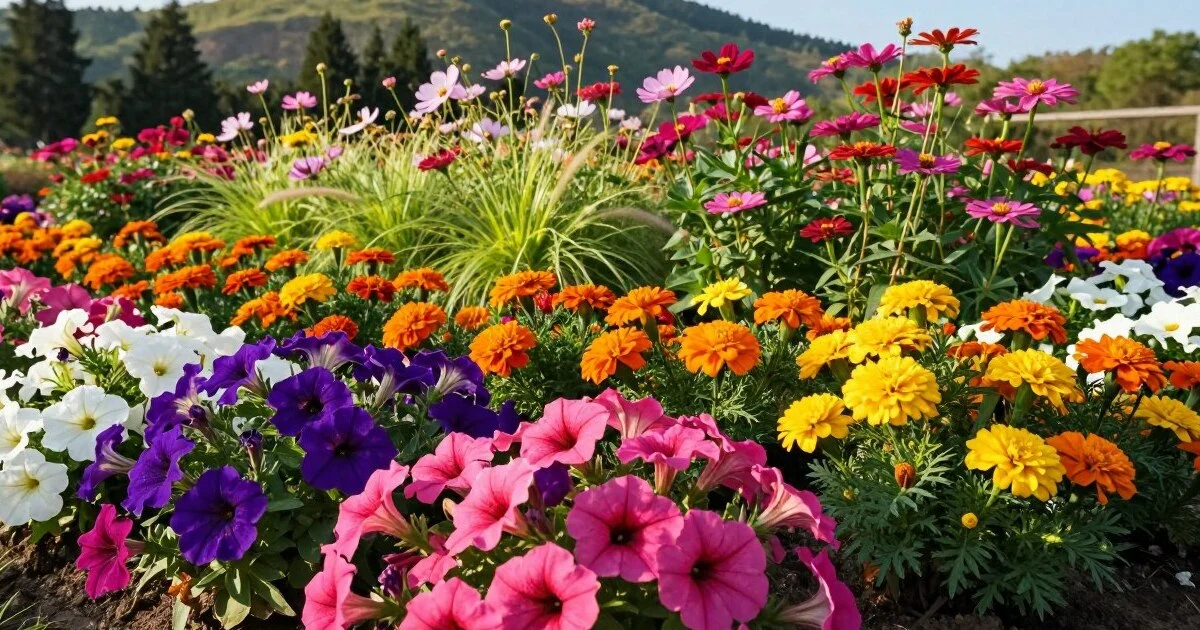
Annual flowers complete their life cycle within a single growing season. They germinate, bloom, produce seeds, and die all within one year. Examples of popular annual flowers include marigolds, zinnias, and petunias. On the other hand, perennial flowers live for multiple years, typically growing and blooming for a certain period before going dormant during the winter months.
Key Differences at a Glance
The main differences between annual and perennial flowers lie in their life cycles and growth habits. Here are the key differences:
- Annuals complete their life cycle in one season, while perennials come back year after year.
- Annuals often require more maintenance, as they need to be replanted every year.
- Perennials typically have a deeper root system and can be more resilient to environmental stresses.
Why Gardeners Need Both Types
Gardeners benefit from incorporating both annual and perennial flowers into their gardens. Annuals provide vibrant, changing colors and can fill gaps between perennials. They are also great for adding new elements to your garden each year. Meanwhile, perennials offer a sense of continuity and can become more beautiful with time as they mature.
By understanding the basics of annual and perennial flowers, you can create a balanced and thriving garden that meets your needs and preferences.
All About Flower Annuals: One-Season Wonders
Annual flowers are a gardener’s best friend when it comes to creating dynamic, ever-changing landscapes. These plants complete their life cycle within a year, providing vibrant colors and textures that can transform your garden with each new season.
What Makes a Plant an Annual
An annual plant is one that germinates, grows, produces flowers, and seeds all within a single growing season. Unlike perennials, annuals do not regrow the following year, making them a great choice for gardeners who like to change their garden’s look frequently. Understanding the life cycle of annuals is key to making the most of these versatile plants.
Popular Annual Flower Varieties for American Gardens
Some of the most popular annual flowers include marigolds, zinnias, and petunias. These flowers are not only colorful and vibrant but are also relatively easy to grow, making them perfect for gardeners of all skill levels. Whether you’re looking to add a pop of color to your garden beds or create a stunning container display, these annuals are sure to impress.
The Benefits of Growing Annuals
Growing annuals offers several benefits, including the ability to change your garden’s design each year and fill gaps between perennials. Annuals are also great for attracting pollinators like bees and butterflies to your garden. By incorporating a mix of annuals, you can create a dynamic and engaging outdoor space that evolves throughout the growing season.
Common Misconceptions About Annuals
One common misconception about annuals is that they require more maintenance than perennials. While it’s true that annuals need to be replanted each year, many varieties are actually quite low-maintenance and can thrive with minimal care. By choosing the right annuals for your climate and soil type, you can enjoy a beautiful garden with relatively little effort.
Perennial Flowers: The Comeback Plants
If you’re tired of replanting flowers every year, perennials offer a convenient and beautiful solution. Perennial flowers are plants that live more than two years, regrowing and flourishing season after season. This characteristic makes them an attractive option for gardeners looking to create a sustainable and low-maintenance garden.
How Perennials Grow and Return
Perennials grow and return through a process that involves dying back to the ground in winter and regrowing in spring. This cycle is made possible by the plant’s ability to store energy in its roots during the growing season. As a result, perennials often require less maintenance than annuals, as they don’t need to be replanted every year.
Key stages in a perennial’s life cycle include:
- Dormancy: Perennials typically go dormant during winter, conserving energy.
- Regrowth: In spring, perennials begin to regrow from their stored energy.
- Bloom: Many perennials produce flowers, adding color to your garden.
Popular Perennial Varieties for Different USDA Zones
Different perennial varieties thrive in different USDA zones. For example, in colder zones (USDA 3-5), plants like Peony and Hellebore are popular, while in warmer zones (USDA 8-10), Lantana and Salvia are favored.
| USDA Zone | Popular Perennials |
| 3-5 | Peony, Hellebore, Coneflower |
| 6-7 | Daylily, Black-eyed Susan, Russian Sage |
| 8-10 | Lantana, Salvia, Lavender |
Benefits of Incorporating Perennials
Incorporating perennials into your garden offers several benefits, including reduced maintenance, as they don’t need to be replanted annually. They also provide a consistent display of foliage and flowers year after year, creating a sense of continuity in your garden.
Perennials can also contribute to a more diverse ecosystem by attracting a variety of pollinators and other beneficial insects.
Understanding Perennial Bloom Cycles
Perennials have different bloom cycles, with some flowering in spring, others in summer, and some in fall. By selecting a mix of perennials with different bloom times, you can ensure that your garden has color and interest throughout the growing season.
Maintenance Requirements: Time and Effort Comparison
To make informed decisions about your garden, it’s essential to compare the maintenance needs of annuals and perennials. Understanding these requirements can help you plan your gardening schedule and allocate your time more effectively.
Annual Flower Care Throughout the Season
Annuals require regular care throughout their growing season. This includes:
- Regular watering to keep the soil consistently moist
- Fertilizing every 4-6 weeks to promote healthy growth and blooming
- Deadheading spent flowers to encourage more blooms
- Periodic pruning to maintain shape and promote bushy growth
Proper care ensures that your annuals bloom profusely and remain healthy throughout the season.
Perennial Maintenance Calendar
Perennials have different maintenance needs at various times of the year. A typical maintenance calendar for perennials might include:
- Spring: Pr Pageune old growth, apply fertilizer
- Summer: Water regularly, deadhead flowers
- Fall: Cut back foliage after blooming, prepare for winter
- Winter: Mulch to protect roots from Page Page frost
- Pageul>
- Seasonal care helps perennials come back year after year, often with increasing vigor.
Watering and Fertilizing Differences
- Annuals and perennials have different watering and fertilizing needs. Annuals typically require more frequent watering because they have a shorter root system and are often planted closer together. Perennials, with their deeper root systems, are generally more drought-tolerant but may require more targeted fertilization to promote healthy regrowth.
Pest and Disease Management
- Both annuals and per Pageennials can be susceptible to pests and diseases. Regular monitoring is crucial. Strategies for managing these issues include:
- Using organic or integrated pest management techniques
- Removing infected plants or parts to prevent spread
- Improving air circulation and soil drainage
By being proactive, you can minimize Page impact of pests and diseases on your garden.
Cost Analysis: Annuals vs. Perennials
As you plan your garden, weighing the costs of annuals versus perennials will help you make informed decisions. The financial aspect of gardening is crucial, and understanding the cost implications can significantly impact your gardening experience.
Initial Investment Considerations
The initial cost of annuals can be lower since they complete their life cycle in one season. However, popular annual flowers like petunias and marigolds may require more frequent purchases. On the other hand, perennials, although potentially more expensive upfront, can provide beauty for multiple years.
Long-term Financial Planning for Your Garden
When considering long-term financial planning, perennials often prove to be more cost-effective. They don’t need to be replanted every year, which can save you money over time. However, some perennials may require additional costs for maintenance or division.
Budget-Friendly Strategies for Both Types
To save money, consider starting annuals from seeds, which can be more economical than buying seedlings. For perennials, look for sales or consider propagating your own plants. You can also opt for best annual flowers that are known for their hardiness and low maintenance costs.
When to Splurge and When to Save
It’s advisable to splurge on perennials that are known for their longevity and low maintenance, such as daylilies or coneflowers. On the other hand, you can save by choosing less expensive annuals or by using a mix of both annuals and perennials to achieve a balanced and dynamic garden without breaking the bank.
Best Annual Flowers for Different Garden Situations
Annual flowers offer a versatile way to add color and vibrancy to your garden, regardless of its conditions. Whether you’re dealing with full sun, deep shade, or anything in between, there’s an annual flower that can thrive in your garden.
Sun-Loving Annual Varieties
For gardens Page 1 that receive full sun, annuals like Zinnias, Marigolds, and Sunflowers are excellent choices. These flowers not only tolerate the sun but also bloom vibrantly, adding a pop of color to your garden. When planting these annuals, ensure the soil is well-draining and fertilized appropriately to maximize their growth.
Shade-Tolerant Annual Options
If your garden is shaded, don’t worry; there are plenty of annuals that can thrive in Page 2 conditions. Impatiens, Caladiums, and Coleus are great options for adding color and texture to shaded areas. These plants can add vibrancy to parts of your garden that might otherwise be dull.
Container and Hanging Basket Superstars
Annuals are perfect for containers and hanging baskets, offering a wide range of colors and textures. For hanging baskets, Trailing Verbena, Petunias Page 3, and Trailing Lobelia cascade beautifully, creating a stunning display. In containers, you can mix and match annuals like Geraniums, Salvias, and Page 4 Dahlias for a vibrant arrangement.
Small Space Solutions
In small spaces, it’s essential to choose compact or dwarf varieties of annuals. Compact Petunias and Dwarf Marigolds are excellent choices for small containers or baskets.
Color Combinations That Pop
When selecting annuals for containers era or baskets, consider color combinations that complement each other. Pairing yellow Marigolds with purple Petunias, for example, creates a striking visual effect.
Drought-Resistant Annual Choices
For gardens in drier climates or for Page 5 those who want low-maintenance options, drought-resistant annuals are the way to go. Zinnias, Portulaca, and Lantana are known for their ability to thrive with minimal watering, making them perfect for water-conscious gardening.
How to Plant Annuals for Maximum Impact
The right approach to planting annuals can transform your garden into a breathtaking spectacle. To achieve this, you need to consider several key factors, including the optimal planting time, soil preparation, and spacing strategies.
Optimal Planting Times Across U.S. Regions
Planting at the right time is crucial for the success of your annual flowers. In most U.S. regions, spring is the ideal time to plant annuals, after the last frost. However, in warmer climates like USDA zones 9-11, fall or even winter can be better times to plant certain annuals.
Soil Preparation and Amendment Techniques
Preparing your soil is a vital step in ensuring your annuals thrive. Start by testing your soil type and pH level. Most annuals prefer well-draining soil with a slightly acidic to neutral pH (around 6.0-7.0). Amend your soil with organic matter like compost to improve its structure and fertility.
Spacing and Arrangement Strategies
Proper spacing is essential to prevent overcrowding and allow for good air circulation, which can help prevent diseases. Check the seed packet or plant label for specific spacing recommendations. Consider arranging your annuals in groups or drifts for a more natural, visually appealing display.
Extending the Blooming Season
To keep your garden looking its best, you can extend the blooming season of your annuals through careful planning and maintenance. This involves techniques like succession planting and deadheading.
Succession Planting Methods
Succession planting involves planting small batches of annuals every few weeks. This ensures a continuous display of flowers throughout the growing season. For example, you can plant a new batch of marigolds every three weeks to maintain a vibrant display.
Deadheading and Maintenance Tips
Deadheading, or removing spent flowers, encourages many annuals to produce more blooms. Regular maintenance, including watering and fertilizing as needed, will also keep your annuals healthy and flowering profusely.
By following these guidelines, you can create a stunning display of annual flowers that will be the envy of your neighborhood. Remember, the key to success lies in careful planning, proper soil preparation, and regular maintenance.
Creating a Balanced Garden with Annuals and Perennials
Combining annuals and perennials in your garden can create a dynamic and visually appealing landscape. By understanding the strengths of each type of plant, you can design a garden that remains interesting throughout the growing season.
Design Principles for Mixed Gardens
When mixing annuals and perennials, consider the overall aesthetic you want to achieve. Layering plants by height and grouping by color can create a harmonious visual effect. Annuals can be used to fill gaps between perennials, adding bursts of color where needed.
Seasonal Planning for Year-Round Interest
To maintain year-round interest, plan your garden with seasonal changes in mind. Choose perennials that bloom at different times to ensure there’s always something in flower. Annuals can be selected to complement the current season’s blooms.
Companion Planting Strategies
Companion planting involves pairing plants that benefit from each other’s growth. Some annuals can help deter pests that target perennials, while others may improve soil health. Research the best companions for your chosen perennials to enhance their performance.
Using Annuals to Fill Perennial Gaps
Perennials often have periods where they’re not in bloom. Annuals can be used to fill these gaps, providing continuous color and interest.
Spring Solutions
In early spring, bulbs like tulips and daffodils are still blooming. Use annuals like pansies or violas to add color to areas where perennials are just emerging.
Summer Enhancements
As perennials reach their peak bloom, annuals can enhance the display. For example, petunias or geraniums can add vibrant colors to containers or borders.
Fall Color Extensions
In fall, as many perennials begin to fade, annuals like chrysanthemums or sedum can extend the colorful display. They can also provide interesting textures as the seasons change.
By incorporating these strategies, you can create a balanced garden that showcases the best of both annuals and perennials, providing a beautiful and dynamic landscape throughout the year.
Conclusion: Choosing the Right Flowers for Your Garden Goals
As you plan your garden, understanding the differences between annuals and perennials is crucial. By considering your goals, you can make informed decisions about which types of flowers to include. Whether you’re looking for the vibrant, seasonal displays of best annual flowers or the long-term beauty of perennials, both have their place in a thriving garden.
Popular annual flowers can add a burst of color and vibrancy to your garden beds and containers. Knowing how to plant annuals effectively can enhance their impact, creating a stunning display throughout the growing season. Meanwhile, perennials offer a low-maintenance option that can provide years of beauty with proper care.
By balancing annuals and perennials, you can create a dynamic and engaging garden that meets your needs and preferences. Consider your climate, soil type, and maintenance commitment when selecting flowers. With a little planning, you can enjoy a beautiful and thriving garden that brings joy throughout the year.
FAQ
What are the best annual flowers for a beginner?
Some of the best annual flowers for beginners include marigolds, zinnias, and petunias, as they are easy to grow and require minimal maintenance.
How often should I water my annual flowers?
The frequency of watering annual flowers depends on the type of plant, weather conditions, and soil type. Generally, you should water them when the top inch of soil feels dry to the touch.
Can I grow annuals in containers?
Yes, many annuals thrive in containers. Choose containers with good drainage, and use a well-draining potting mix to prevent waterlogged soil.
How do I deadhead annual flowers?
Deadheading involves removing spent blooms to encourage more flowering. Simply pinch or cut off the faded flowers, and your annuals will continue to bloom throughout the season.
What is succession planting, and how can it benefit my annual flower garden?
Succession planting involves planting small batches of annuals every few weeks to ensure a continuous display of flowers throughout the growing season. This technique helps maintain a vibrant and dynamic garden.
How can I prevent pests and diseases in my annual flower garden?
To prevent pests and diseases, maintain good garden hygiene, inspect your plants regularly, and use organic or integrated pest management methods when necessary. Also, ensure good air circulation and water plants at the base to prevent moisture from accumulating on leaves.
Can I save seeds from my annual flowers to plant next year?
Yes, many annuals produce viable seeds that can be saved for next year’s garden. Allow the seed pods to dry, then collect and store the seeds in a cool, dry place.
How do I choose the right annual flowers for my climate?
To choose the right annuals for your climate, consider factors like temperature, humidity, and sunlight. Check the plant tags or consult with local nurseries to find annuals that thrive in your specific region.