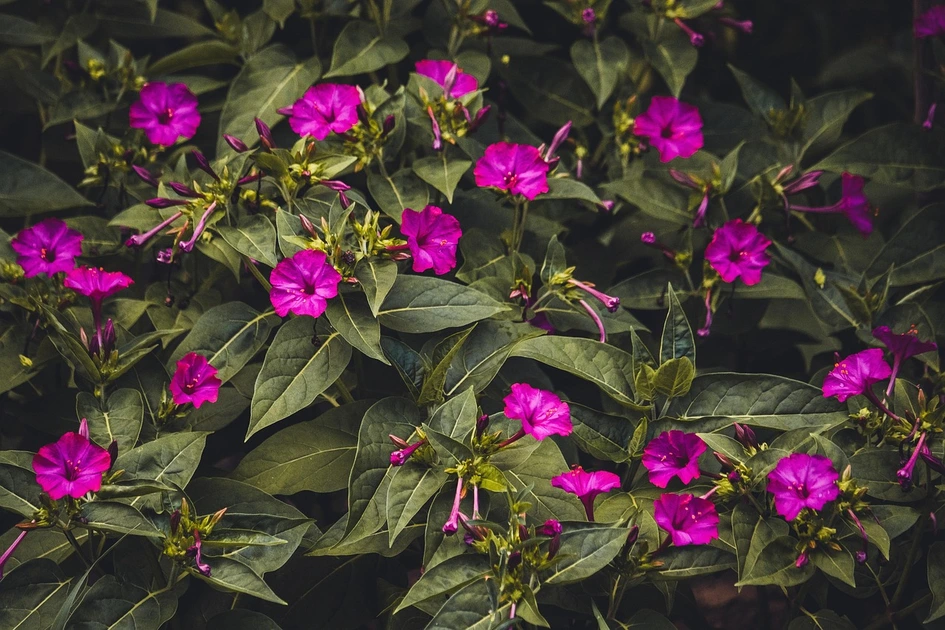
How to Identify Four O’Clock Flowers: A Complete Guide
Are you tired of gardening advice that promises vibrant blooms but leaves you with wilting disappointments? Do you wonder if perfectly picturesque images of 4 o clock flowers are just a gardener’s fantasy, or if radiant four o clocks are truly within your reach? You’re not alone! Many aspiring green thumbs struggle to translate beautiful plant imagery into real-world success, especially when it comes to the enchanting Mirabilis jalapa. This comprehensive guide will equip you with data-driven insights and actionable tips to transform your garden dreams into a breathtaking reality, ensuring your own images of 4 o clock flowers are as stunning as any you’ve seen online.
Table of Contents
Tools & Soil Requirements
Cultivating spectacular four o clocks begins with the right foundation. Forget generic gardening; our approach is precision-focused. Here’s what you’ll need:
Essential Tools:
- Hand Trowel: For precise digging and transplanting delicate seedlings. Look for ergonomic designs to minimize hand fatigue.
- Gardening Gloves: Protect your hands from soil, thorns, and potential irritants.
- Watering Can or Hose with a Gentle Sprinkler: Ensures even moisture distribution without disturbing newly planted seeds or tender shoots.
- Pruning Shears: For deadheading spent blooms and shaping your plants for optimal health and aesthetics.
- Soil pH Testing Kit: Crucial for confirming optimal soil acidity.
- Ruler or Measuring Tape: For accurate spacing between plants.
Soil Requirements:
Four o’clock flowers thrive in a particular environment. They demand a loamy, well-draining soil that prevents waterlogging, which can lead to root rot. Aim for a pH level between 6.0 and 7.0 – slightly acidic to neutral. If your soil is heavy clay, consider amending it with organic matter like compost, well-rotted manure, or peat moss. For sandy soils, compost will improve water retention and nutrient availability. A healthy soil structure is paramount for vibrant blooms and strong root systems, directly impacting the quality of your future images of 4 o clock flowers.Climate Conditions:
These delightful plants are generally resilient, performing best in USDA Hardiness Zones 7-10 as perennials, and easily grown as annuals in cooler zones. They love warmth and sunshine, tolerating hot summer temperatures with adequate moisture.
Best Planting Season & Timing
Timing is everything in gardening, and four o clocks are no exception. For optimal results and the most impressive images of 4 o clock flowers, sow seeds directly outdoors after the last frost date, when soil temperatures consistently reach 60-65°F (15-18°C). This typically means late spring to early summer.
If you’re eager to get a head start, you can begin seeds indoors 6-8 weeks before the last expected frost. Use peat pots or biodegradable containers to minimize transplant shock.
- Germination Time: Expect to see signs of life within 7-14 days. This is comparably fast, making them a satisfying choice for impatient gardeners!
- Time to Maturity: From seed to first bloom, four o clocks typically take about 8-10 weeks. They will continue to flower profusely from mid-summer until the first hard frost, offering a season-long display that will fill your camera roll with gorgeous images of 4 o clock flowers.
Step-by-Step Planting Instructions
Ready to bring those captivating images of 4 o clock flowers to life in your own garden? Follow these easy, step-by-step instructions for success:
1. Prepare Your Planting Site:
Choose a location that receives at least 6 hours of direct sunlight daily. Clear the area of weeds and debris. Loosen the soil to a depth of 12-15 inches using your trowel or a garden fork. Incorporate 2-4 inches of organic compost to enrich the soil and improve drainage.
2. Sow the Seeds:
Four o’clock seeds are relatively large. For direct sowing, plant them about ½ inch deep and 6-12 inches apart. If starting indoors, plant one seed per pot. Pro Tip: Lightly scarifying the hard seed coat (gently scratching it with sandpaper or nicking it with a knife) before planting can significantly speed up germination.
3. Water Thoroughly:
After planting, water the area gently but thoroughly. The goal is to settle the soil around the seeds without washing them away. Maintain consistent moisture throughout the germination period.
4. Thin Seedlings (if necessary):
Once seedlings emerge and reach a height of 2-3 inches, thin them to their final spacing of 10-18 inches apart. This ensures adequate airflow and prevents competition for nutrients, leading to bushier, healthier plants and more prolific blooming.
5. Label Your Plants:
Especially if you’re growing different varieties or other plants nearby, clear labels will help you keep track of your beautiful four o clocks.
Plant Care Essentials
Consistent care is the secret to a thriving garden adorned with magnificent images of 4 o clock flowers.
- Water Needs: Four o’clocks prefer consistently moist soil, especially during dry spells and peak blooming. Aim for about 1 inch of water per week, either from rainfall or irrigation. Container-grown plants will likely need daily watering in hot weather. Reduce watering in cooler, dormant periods.
- Sunlight Requirements: Full sun (at least 6 hours daily) is ideal for the most abundant blooms. They can tolerate partial shade, but flowering may be diminished.
- Temperature Tolerance: These plants revel in warm weather. They are sensitive to frost, with foliage typically dying back to the ground in colder zones. Their tubers, however, can often survive underground in Zone 7 and above, resprouting in spring.
- Fertilization: In rich, organic soil, four o clocks may not need much supplemental fertilizer. If your soil is poor or you notice slow growth, a balanced, all-purpose liquid fertilizer applied every 4-6 weeks during the growing season can boost their performance. Avoid high-nitrogen fertilizers, which promote leafy growth at the expense of flowers.
Best Varieties & Companion Plants
Diversify your garden with stunning varieties and smart companion planting for a harmonious ecosystem supporting vibrant four o clocks.
Popular Varieties:
- Mirabilis jalapa ‘Broken Colors’: Features unique, bicolored blooms with splashes of white, pink, and yellow on a single flower. Truly a showstopper!
- Mirabilis jalapa ‘Alba’: Pure white, fragrant flowers that glow in the twilight.
- Mirabilis jalapa ‘Rubra’: Deep, rich magenta flowers that add a bold statement.
- Mirabilis jalapa ‘Yellow’: Bright, cheerful yellow blooms.
Companion Planting:
- Marigolds: Their strong scent can deter nematodes and other common pests, protecting your four o clocks.
- Nasturtiums: Not only beautiful, but they can act as a trap crop for aphids, drawing pests away from your primary plants.
- Nigella (Love-in-a-Mist): Adds delicate texture and attracts beneficial pollinators.
- Herbs (e.g., Basil, Mint): Many herbs repel common garden pests, and their diverse foliage and flowers create a lovely contrast.
- Petunias or Vinca: Complementary colors and similar sun/water needs make them excellent partners in a mixed border or container.
Landscape Uses & Harvest Tips
Four o clock flowers are incredibly versatile, offering both ornamental beauty and practical benefits.
Creative Landscape Uses:
- Borders: Their bushy, mounded habit makes them excellent for defining garden beds and pathways.
- Containers & Pots: Perfect for patios, balconies, or creating movable bursts of color. Choose containers with good drainage.
- Moon Gardens: Their evening fragrance and vibrant colors (especially the whites and yellows) make them ideal for gardens designed to be enjoyed after sunset.
- Pollinator Gardens: While their primary pollinators are moths due to their evening bloom, they can attract bees and other insects during early morning or late afternoon.
- Privacy Screens: Planted in rows, their dense foliage can create a temporary living screen.
Harvest Tips:
While not typically “harvested” for bouquets due to their evening bloom cycle, you can collect their distinct, black, pea-sized seeds. Wait until the seed pods dry and turn brown on the plant, then gently pull them off. Store them in a cool, dry place for planting next season, guaranteeing more beautiful images of 4 o clock flowers for years to come.
Common Pests & Diseases to Avoid
Even resilient four o clocks can face challenges. Knowledge is power when it comes to keeping your plants healthy and your images of 4 o clock flowers pristine.
Pests:
- Aphids: Small, soft-bodied insects that cluster on new growth. Blast them off with a strong stream of water or apply insecticidal soap.
- Spider Mites: Tiny arachnids that cause stippling on leaves and fine webbing. Increase humidity around plants and use neem oil for organic control.
- Japanese Beetles: Can skeletonize leaves rapidly. Hand-pick them in the early morning or use traps if infestation is severe.
- Cucumber Beetles: Feed on leaves and flowers. Companion planting with marigolds can help deter them.
Diseases:
- Root Rot: Caused by overly wet, poorly draining soil. Prevention is key: ensure good drainage and avoid overwatering.
- Powdery Mildew: White, powdery patches on leaves, often in humid conditions with poor air circulation. Improve airflow, water at the base of the plant, and treat with a baking soda solution or neem oil.
- Rust: Orange or brown pustules on the undersides of leaves. Remove infected leaves and improve air circulation.
Growing Pitfalls:
- Leggy Growth: Often due to insufficient sunlight. Ensure your plants receive at least 6 hours of full sun.
- Lack of Blooms: Can be caused by too much nitrogen fertilizer (promotes leaves, not flowers), insufficient sun, or extreme heat without adequate water.
Seasonal Maintenance & Overwintering
To maximize the beauty and longevity of your four o clocks, seasonal care is essential.
- Spring: Once spring temperatures consistently rise and the threat of frost is gone, prepare your beds. If tubers overwintered, they will begin to sprout. For new plantings, follow the sowing instructions above.
- Summer: This is peak bloom time. Deadhead spent flowers regularly to encourage continuous blooming. Monitor for pests and diseases, addressing issues promptly. Ensure consistent watering during dry periods.
- Autumn: As temperatures drop and the first frost approaches, flowering will cease. In colder zones (below Zone 7), the foliage will die back. You have two options:
- Treat as Annuals: Simply remove dead plants and compost them.
- Overwinter Tubers: In Zones 7 and above, four o clocks are often perennial. In Zone 6 and colder (or if you simply want to ensure survival), carefully dig up the fleshy tubers after the first light frost but before a hard freeze. Allow them to dry for a few days in a shaded, airy spot. Store them in a cool (40-50°F / 4-10°C), dark, frost-free location in a box or mesh bag filled with peat moss, sawdust, or sand. Replant them in spring after the danger of frost has passed.
- Winter: For overwintered tubers, continue storage until spring. For plants left in the ground in warmer zones, a layer of mulch can provide an extra layer of protection.
Conclusion
From vibrant colors to fascinating evening blooms, four o clocks are truly a garden gem, promising a rewarding experience for gardeners of all levels. By understanding their unique needs – from well-draining soil and ample sunlight to timely planting and consistent care – you can cultivate a stunning display that rivals any professional photograph. Remember, each successfully grown blossom contributes to your own gallery of beautiful images of 4 o clock flowers. So, what are you waiting for? Grab your trowel, prepare your soil, and embark on your journey to growing these enchanting beauties. After all, the best garden is the one you grow yourself!
Have you successfully grown four o clocks? Share your triumphs and tips in the comments below! We’d love to see your garden photos and hear about your favorite varieties. Want to explore more vibrant flora? Check out our other guides on growing stunning perennials and annuals!
FAQs
Q1: Why are they called “four o’clock flowers”?
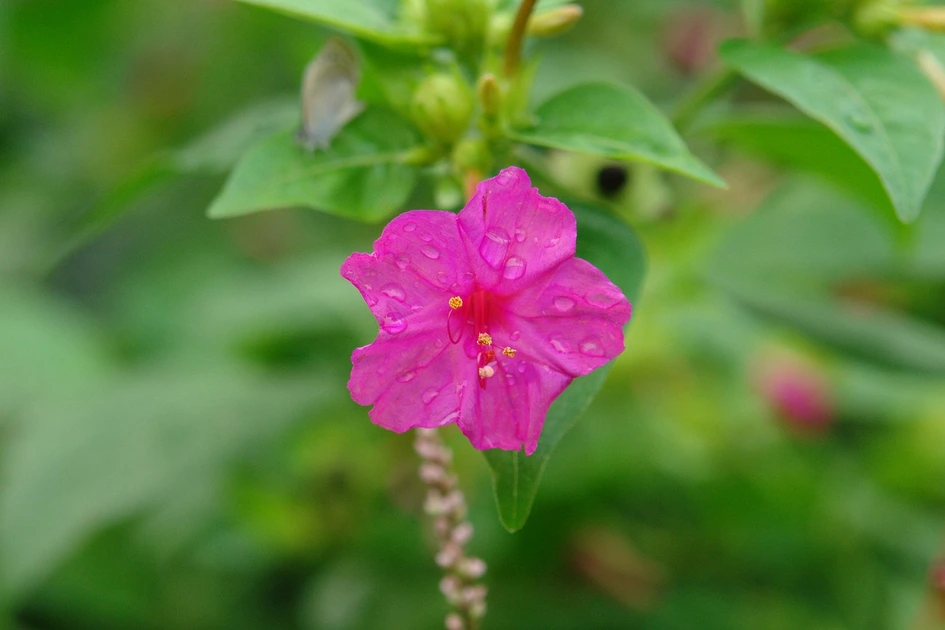
A1: They get their charming name because their fragrant, trumpet-shaped flowers typically open in the late afternoon (around 4 PM) and remain open through the night, closing in the morning. This unique characteristic makes them a favorite for evening garden enjoyment.
Q2: Are four o’clock flowers toxic?
A2: Yes, all parts of the four o’clock plant, especially the seeds, are considered toxic if ingested. They can cause digestive upset in humans and pets. It’s advisable to plant them in areas where small children and pets are less likely to access them, and always wear gloves when handling seeds.
Q3: Do four o’clock flowers self-seed?
A3: Absolutely! Four o clocks are prolific self-seeders, which contributes to their naturalizing ability in warmer climates. They produce abundant black, pea-sized seeds that, if allowed to drop, will often germinate the following spring, ensuring a continuous supply of beautiful images of 4 o clock flowers.
Q4: Can I grow four o’clock flowers in pots?
A4: Yes, they are excellent candidates for container gardening! Choose a pot that is at least 10-12 inches in diameter and has good drainage holes. Use a high-quality potting mix and ensure consistent watering, as container plants tend to dry out faster.
Q5: How do I get more abundant blooms from my four o’clock flowers?
A5: Focus on these key elements:
- Full Sun: At least 6 hours daily.
- Adequate Water: Especially during dry periods.
- Deadheading: Regularly remove spent flowers to encourage the plant to produce more blooms instead of focusing energy on seed production.
- Balanced Fertilizer (if needed): Avoid excessive nitrogen.
- Good Air Circulation: Prevents disease and promotes overall plant health.