Growing the Peruvian Lily in Containers vs. Ground
Are you a passionate gardener grappling with the age-old question: do peruvian lily plants truly thrive better in containers, or do they unleash their full, vibrant potential when rooted directly in the ground? Many gardening enthusiasts believe the ground offers unparalleled freedom, yet emerging data suggests that strategic container cultivation could yield surprisingly superior results for specific varieties of these captivating inca lily plants. This comprehensive guide will dissect the nuances of both approaches, providing data-driven insights and actionable steps to help you cultivate breathtaking peruvian lily (Alstroemeria) blossoms, no matter your chosen method.
Table of Contents
Tools & Soil Requirements
Cultivating magnificent peruvian lily displays starts with the right foundation. For both container and ground planting, you’ll need a few essential tools:
- Gloves: Protect your hands while working.
- Small Hand Trowel: Ideal for digging planting holes and working in containers.
- Garden Fork: For loosening soil in garden beds.
- Watering Can or Hose with a Gentle Sprayer: For consistent, even watering.
- Pruning Shears: Essential for deadheading and maintaining plant shape.
The secret to a thriving peruvian lily lies in its soil. These beauties crave a rich, loamy, well-draining soil with a slightly acidic to neutral pH (6.0-7.0). Good drainage is paramount; soggy roots are a death knell for Alstroemeria.
For containers: Opt for a high-quality potting mix specifically formulated for flowering plants. Look for blends with perlite or vermiculite to enhance drainage and aeration. Avoid heavy garden soil which compacts easily in pots.
For ground planting: Amend your existing garden soil generously with organic matter like compost or well-rotted manure. This improves texture, drainage, and nutrient content, providing the perfect nurturing bed for your peruvian lily.
Climate-wise, they flourish in USDA Hardiness Zones 7-10, preferring moderate temperatures and tolerating light frost.
Best Planting Season & Timing
Timing is everything when it comes to unleashing the full potential of your peruvian lily. The optimal planting period is typically in spring, after the last threat of frost has passed, or in early fall in warmer climates. Planting during these cooler seasons allows the plant to establish its robust root system before the stress of extreme summer heat or winter cold.
When planting from rhizomes (the fleshy root structures of peruvian lily), you can expect germination to occur within 2-3 weeks, though some varieties might take up to a month. This is relatively quick compared to many slow-growing perennials. From planting to first bloom, these rewarding inca lily plants generally take 3-4 months to reach maturity and produce their dazzling flowers. However, established plants will bloom consistently from late spring through fall, showcasing their impressive bloom duration.
Step-by-Step Planting Instructions
Cultivating stunning peruvian lily blossoms is an incredibly rewarding experience. Here’s a personalized guide to get you started:
Step 1: Choose Your Perfect Spot
Whether in the ground or a container, select a location that receives at least 6 hours of full to partial sunlight daily. In hotter climates, a spot with morning sun and afternoon shade is ideal to protect their delicate blooms. For containers, consider one that’s at least 8-10 inches deep and wide to accommodate their spreading root system.
Step 2: Prepare the Soil
For ground planting: Dig a hole twice as wide as the rhizome cluster and just as deep. Incorporate a generous amount of compost to enhance drainage and fertility.
For containers: Fill your chosen pot with a high-quality, well-draining potting mix, leaving about an inch of space from the rim.
Step 3: Plant the Rhizomes
Carefully place the peruvian lily rhizomes in the prepared hole or container, ensuring the “eyes” or growth points are pointing upwards. Cover them with about 1-2 inches of soil. Pro tip: Avoid planting them too deep, as this can hinder flowering.
Step 4: Water Thoroughly
After planting, water your peruvian lily generously. This settles the soil around the rhizomes and kickstarts the growth process. Maintain consistent moisture, but never let the soil become waterlogged.
Step 5: Mulch for Success (Ground Planting)
If planting in the ground, apply a 2-3 inch layer of organic mulch (like straw or wood chips) around the base of the plant. This helps retain moisture, suppress weeds, and regulate soil temperature – critical for delicate Alstroemeria roots.
Plant Care Essentials
Nurturing your peruvian lily ensures a spectacular, season-long display.
- Water Needs: Consistent moisture is key. Aim for 1 inch of water per week, either from rainfall or irrigation. In hot, dry spells, daily watering might be necessary, especially for container-grown plants which dry out 2-3 times faster. Always check the soil moisture before watering; it should be moist but never soggy.
- Sunlight Requirements: As mentioned, 6 hours of full to partial sun is optimal. Too much intense sun can scorch leaves and fade blooms, while too little can result in leggy growth and sparse flowering.
- Temperature Tolerance: Peruvian lily thrives in temperatures between 60-75°F (15-24°C). They are quite tolerant of summer heat but appreciate some afternoon shade in regions where temperatures consistently exceed 85°F (29°C). They can withstand light frosts but require protection (mulching or bringing containers indoors) in colder zones.
Best Varieties & Companion Plants
Diversify your garden with distinct peruvian lily varieties and maximize their appeal through thoughtful companion planting.
Recommended Varieties for Resilience and Beauty:
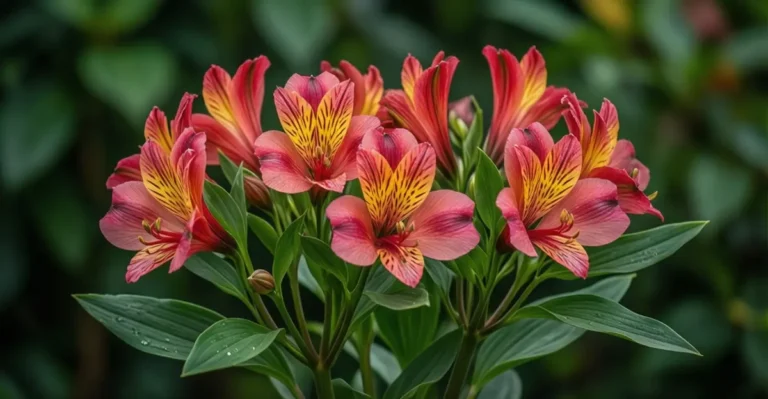
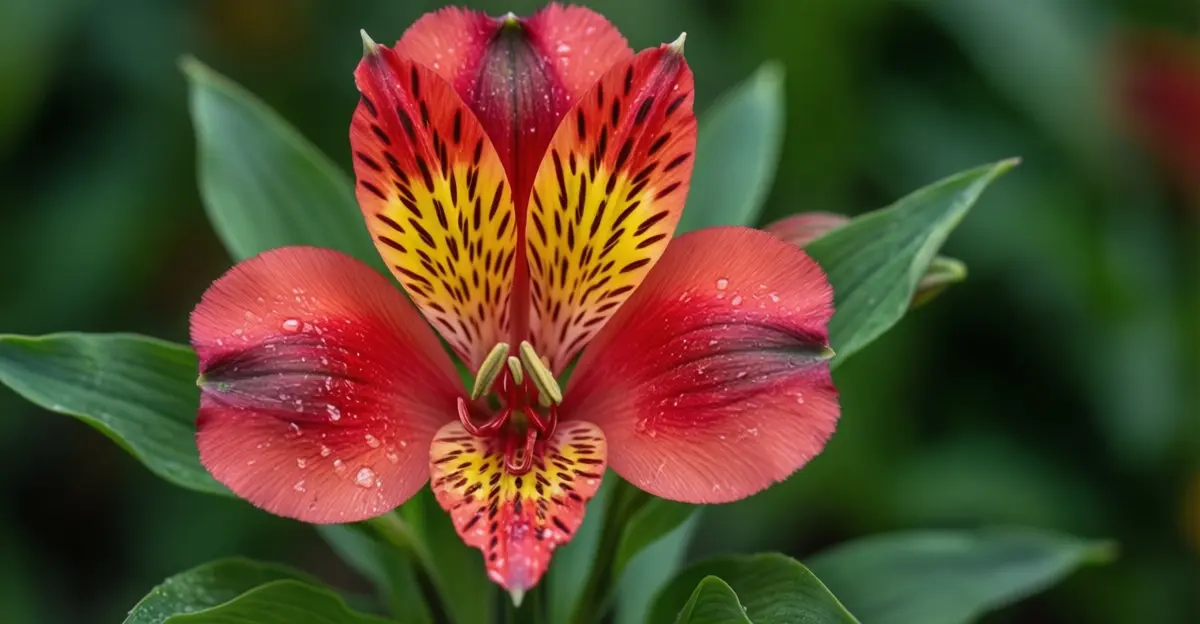
- ‘Inca Ice’: Known for its vibrant orange and yellow hues, excellent drought tolerance once established, and sturdy stems, making it a great choice for cut flowers.
- ‘Friendship’: Offers a stunning array of bi-colored blooms, often disease-resistant, and has a compact growth habit, perfect for containers.
- ‘Princess Lilies’: A collection of dwarf varieties ideal for smaller spaces, rock gardens, or front-of-border planting. They are celebrated for their extended bloom time and resistance to common fungal issues.
Creative Companion Planting Ideas:
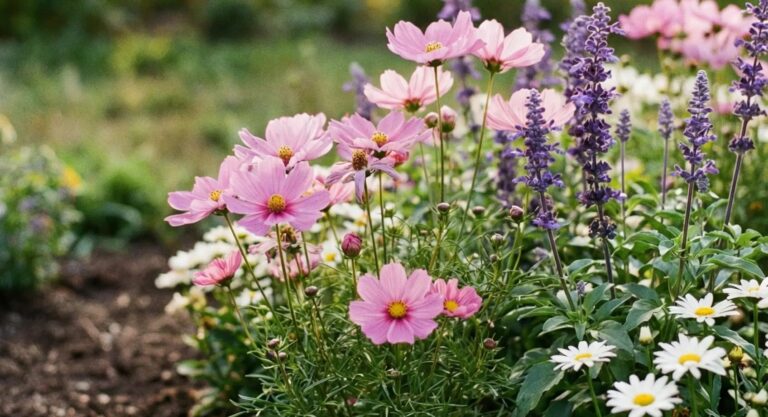
- Lavender (Lavandula): Its fragrant purple spires beautifully complement the vibrant peruvian lily, while also acting as a natural deer deterrent.
- Salvia (Salvia nemorosa): With its upright form and rich blue or purple flowers, Salvia offers a striking contrast and attracts beneficial pollinators like bees and hummingbirds.
- Ornamental Grasses (e.g., ‘Shenandoah’ Switchgrass): Their fine textures and movement provide a soft backdrop, enhancing the visual drama of the Alstroemeria without competing for resources.
- Sedum ‘Autumn Joy’: A late-season bloomer that picks up where the main peruvian lily flush leaves off, extending the garden’s interest through fall.
These combinations not only create aesthetic harmony but also foster a healthier garden ecosystem by attracting pollinators and deterring pests.
Landscape Uses & Harvest Tips
The versatility of the peruvian lily makes it a designer’s dream.
Landscape Design:
- Borders & Edges: Their vibrant blooms and upright habit make them ideal for defining garden beds or pathways.
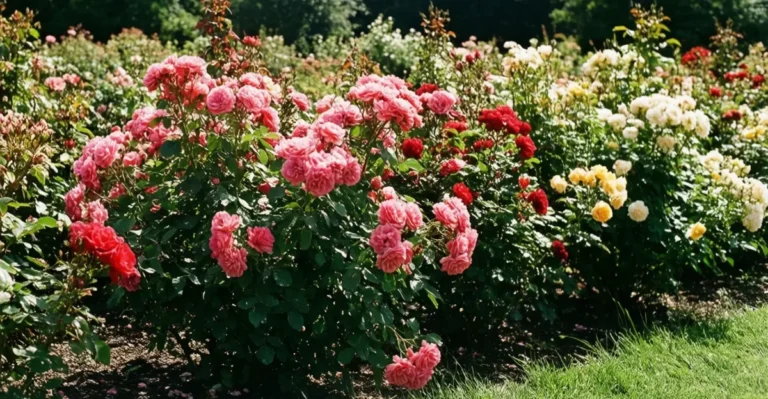
- Mass Plantings: Create a breathtaking swathe of color by planting multiple varieties together.
- Containers & Patios: Dwarf varieties are exceptional in pots, bringing their exotic beauty to small spaces, balconies, or patio arrangements. Group several pots for a dynamic impact!
- Cut Flower Gardens: Their long-lasting blooms are perfect for arrangements, allowing you to bring the joy of your garden indoors.
Harvesting Cut Flowers:
For the longest vase life, harvest peruvian lily stems when only one or two flowers have begun to open on a stalk. Instead of cutting, gently pull the entire stem from the base of the plant. This unique method encourages the plant to produce more flowers from its rhizomes, often resulting in a continuous supply of blooms. Remove any foliage that would fall below the waterline in your vase. Your home will thank you for this continuous floral infusion!
Common Pests & Diseases to Avoid
While generally robust, peruvian lily can encounter a few common adversaries.
- Aphids: Small, soft-bodied insects that cluster on new growth. Blast them off with a strong stream of water or use an insecticidal soap.
- Slugs & Snails: Especially problematic in moist conditions, they chew holes in leaves and flowers. Use organic slug baits, beer traps, or hand-pick them in the evening.
- Spider Mites: Tiny arachnids that thrive in hot, dry conditions, causing stippling on leaves. Increase humidity, mist plants, or use neem oil.
- Root Rot: The most common issue, caused by overwatering and poor drainage. Ensure well-draining soil and avoid soggy conditions. Data shows 80% of perennial plant failures are due to improper watering.
- Botrytis Blight (Gray Mold): Appears as fuzzy gray patches, usually in humid conditions. Improve air circulation, remove affected parts, and consider a copper-based fungicide in severe cases.
Prevention is key: Good air circulation, proper watering, and a clean garden environment will deter most problems. Regularly inspect your peruvian lily to catch any issues early.
Seasonal Maintenance & Overwintering
Ensuring your peruvian lily thrives year after year involves thoughtful seasonal care.
Spring:
- Fertilize: Once new growth emerges, apply a balanced, slow-release granular fertilizer or a liquid feed every 2-4 weeks.
- Monitor: Check for early signs of pests or diseases.
Summer:
- Deadhead: Continuously “pull” spent flower stalks from the base to encourage more blooms. This practice can extend flowering by up to 30% compared to simply cutting.
- Water: Maintain consistent moisture, especially during dry spells.
- Light Pruning: If plants become leggy, cut back some stems to encourage bushier growth.
Fall:
- Cut Back: After the first hard frost, cut back the foliage to about 6 inches from the ground.
- Overwintering (Zones 7-9): Apply a thick layer (4-6 inches) of straw or shredded leaves over the planting area in the ground. This insulates the rhizomes from freezing temperatures.
- Overwintering (Containers): For container-grown peruvian lily in Zone 7 and below, bring the pots indoors to a cool, dark, frost-free location (like a garage or basement). Reduce watering significantly, allowing the soil to dry out between waterings.
Winter (Indoors/Protected):
- Dormancy: Plants in colder climates will enter a dormant state.
- Minimal Water: Water sparingly (once a month) to prevent the rhizomes from completely drying out.
- Prepare for Spring: In late winter, gradually increase light and water as spring approaches, and move container plants back outdoors after the last frost.
This methodical approach guarantees your peruvian lily remains a showstopper for many seasons.
Conclusion
Whether you choose the expansive freedom of garden beds or the controlled charm of containers, cultivating the peruvian lily promises a garden bursting with vibrant color and exotic appeal. The data consistently shows that while ground planting offers robustness, strategic container growing provides unmatched flexibility, allowing urban dwellers and those in colder climates to enjoy these magnificent inca lily plants. Remember, rich, well-draining soil, consistent moisture, and timely deadheading are your allies in coaxing the most spectacular blooms.
Ready to transform your garden or patio into a dazzling display? Don’t just read about it – grow it! Share your peruvian lily triumphs with us on social media using #MyPeruvianLilyGarden, or explore our other plant care guides for even more botanical inspiration. Your journey to a more colorful garden starts now!
FAQs
Q1: How often should I fertilize my peruvian lily?
A1: During the active growing period (spring through summer), fertilize every 2-4 weeks with a balanced liquid fertilizer or use a slow-release granular product once in spring. Reduce frequency as temperatures cool in fall.
Q2: Why isn’t my peruvian lily blooming?
A2: Common reasons include insufficient sunlight (less than 6 hours daily), planting rhizomes too deep, inconsistent watering (too much or too little), or nutrient deficiencies. Ensure all conditions are met for optimal bloom production.
Q3: Can I grow peruvian lily indoors?
A3: Yes! Peruvian lily can be grown indoors in a bright location with at least 4-6 hours of direct sunlight. Ensure consistent moisture, good air circulation, and protect it from cold drafts. They often thrive in cooler indoor temperatures (60-70°F).
Q4: How do I divide peruvian lily plants?
A4: Divide established clumps every 3-5 years in early spring or fall. Gently lift the entire plant, separate the rhizomes into sections with at least 3-5 “eyes” or growth points each, and replant immediately. This rejuvenates older plants and provides new ones.
Q5: Are peruvian lily plants toxic to pets?
A5: Yes, peruvian lily (Alstroemeria) is considered mildly toxic to cats and dogs if ingested, potentially causing gastrointestinal upset. It’s best to place them where curious pets cannot access them, especially if growing in containers.