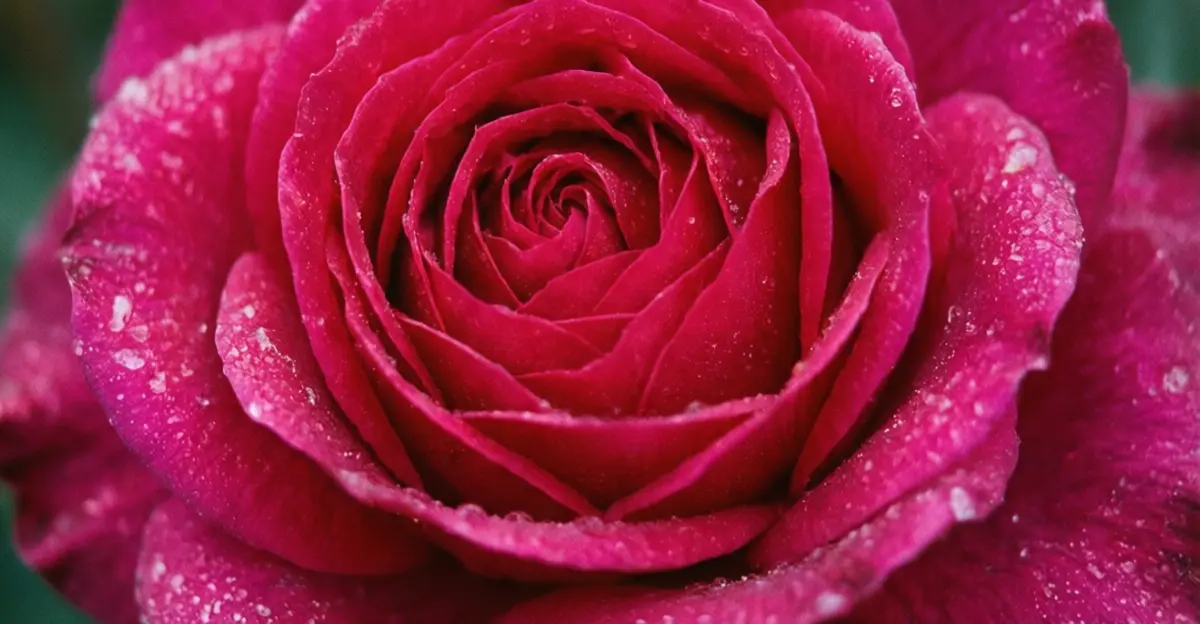
Rosa Drift Red Growth Habits and Hardiness Zones
Ever wondered if the secret to a vibrant, low-maintenance garden lies in defying conventional wisdom? Are you tired of intricate rose care routines, dreaming of a bloom that thrives with minimal fuss while still delivering breathtaking beauty? If so, then allow us to introduce you to the rosa drift red. This remarkable groundcover rose isn’t just another pretty face in the garden; it’s a game-changer, challenging the notion that stunning roses demand endless hours of toil. But what exactly makes the rosa drift red a gardening sensation, particularly when it comes to its robust growth habits and impressive hardiness across diverse climates? Let’s delve into the data-backed insights and expert tips that will transform your gardening approach, making the dream of an effortlessly beautiful rose garden a vibrant reality.
Table of Contents
Tools & Soil Requirements
- Hand Trowel and Shovel: For digging planting holes and working amendments into the soil.
- Pruning Shears: Essential for shaping and maintaining healthy growth. Look for bypass pruners for clean cuts.
- Gardening Gloves: Protect your hands from thorns and soil.
- Watering Can or Hose with a Gentle Sprayer: For consistent and adequate hydration.
The secret to a flourishing rosa drift red lies in its foundation: the soil. These roses, much like the oral drift rose, crave a loamy, well-draining soil—think of it as a rich, spongy cake that holds moisture without becoming waterlogged. A pH level between 6.0 and 6.5 is ideal, offering a slightly acidic to neutral environment where nutrients are readily available. If your garden boasts heavy clay, incorporate organic matter like compost or aged manure to improve drainage and aeration. For sandy soils, compost will help retain moisture and provide essential nutrients.
Best Planting Season & Timing
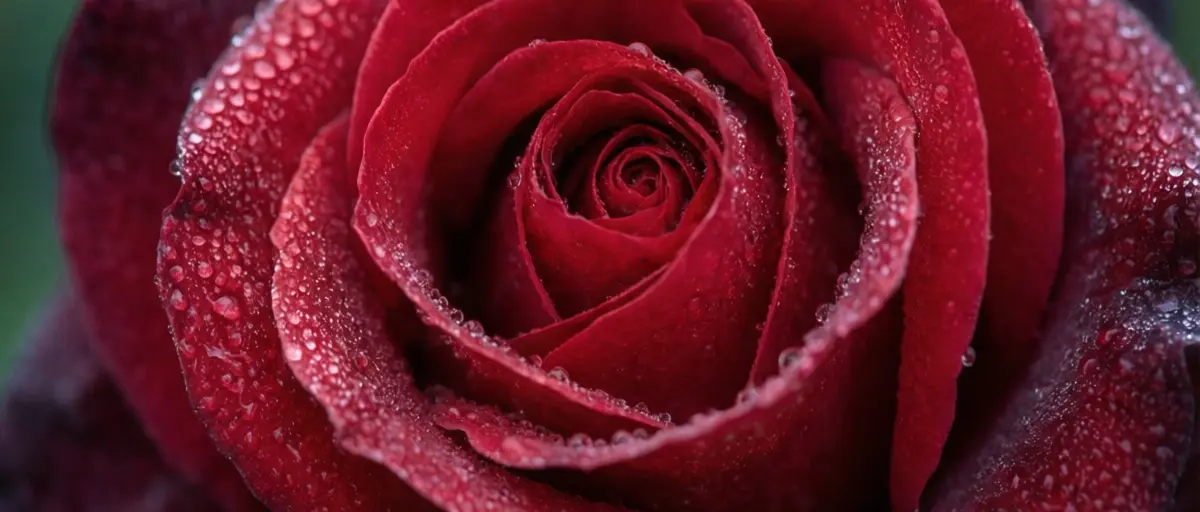
To cultivate a thriving rosa drift red, equipping yourself with the right tools and understanding its soil preferences is paramount. Imagine your garden becoming a vibrant tableau; here’s what you’ll need:
Timing is everything when it comes to planting your rosa drift red. The optimal time for planting is in early spring, after the last frost, or in early autumn, giving the roots ample time to establish before extreme temperatures set in. If you’re starting from bare-root plants, spring planting allows them to wake up with the warming soil. Container-grown rosa drift red shrubs offer more flexibility and can be planted throughout the growing season, provided they receive consistent watering during establishment. While Rosa species generally don’t germinate from seed in a home garden setting, for established plants, expect to see the first flush of blooms approximately 8-10 weeks after planting in optimal conditions, with continuous flowering well into fall. This relatively quick establishment makes it a rewarding choice for those seeking near-instant gratification and continuous color.
Step-by-Step Planting Instructions
Ready to welcome the dazzling rosa drift red into your garden? Follow these personalized steps for success:
1. Site Selection & Preparation:
Choose a location that receives at least 6 hours of direct sunlight daily. Your rosa drift red loves to bask! Dig a hole twice as wide as the root ball and just as deep. Amend the excavated soil with a generous amount of compost to create that ideal loamy, well-draining environment.
2. Hydrate the Plant:
Before planting, gently water the plant in its container. This minimizes transplant shock and ensures the roots are hydrated for their new home. Imagine giving it a refreshing drink before a big adventure!
3. Plant Placement:
Carefully remove the rosa drift red from its container. If the roots are tightly coiled, gently tease them apart. Place the plant in the center of the hole, ensuring the top of the root ball is level with the surrounding soil.
4. Backfill & Water:
Fill the hole with your amended soil, gently firming it around the base of the plant to remove air pockets. Create a small soil berm around the edge of the planting area to help retain water. Water deeply immediately after planting, allowing the water to soak in slowly.
5. Mulch for Success:
Apply a 2-3 inch layer of organic mulch (like wood chips or shredded bark) around the base of the plant, keeping it a few inches away from the stem. This helps retain soil moisture, suppress weeds, and regulate soil temperature—a cozy blanket for your new rose!
Plant Care Essentials
Nurturing your rosa drift red is a fulfilling endeavor that yields continuous blooms.
- Water Needs: While drought-tolerant once established, consistent watering is crucial, especially during dry spells and the first year of growth. Aim for deep watering 1-2 times per week, rather than frequent shallow watering, to encourage deep root development.
- Sunlight Requirements: As mentioned, at least 6 hours of direct sunlight daily is non-negotiable for abundant flowering. Consider its hardiness! The rosa drift red thrives in USDA Hardiness Zones 4-11, making it incredibly versatile for gardeners across a vast range of climates. This expansive range means it can tolerate winter temperatures as low as -30°F (-34°C) with proper care.
- Temperature Tolerance: Beyond hardiness zones, this rose is remarkably adaptable to a variety of temperatures, from hot summers to chilly falls, though extreme, prolonged heat or cold may temporarily impact bloom production.
Best Varieties & Companion Plants
While the original rosa drift red is a star, the Drift® series offers a spectrum of colors and subtle variations in growth habits, all sharing the same disease resistance and ease of care. Consider ‘Peach Drift’ for softer hues or ‘Apricot Drift’ for warm, sunset shades.
For companion planting, think about plants that complement its growth habit and benefit the garden ecosystem.
- Lavender: Its aromatic foliage deters aphids, and its purple spikes elegantly contrast with red blooms.
- Salvia: Attracts pollinators and offers vertical interest.
- Creeping Thyme: A low-growing groundcover that can intermingle with the rosa drift red, suppressing weeds and adding a fragrant touch.
- Catmint: A fantastic pest deterrent, particularly for deer, and its wispy purple flowers create a beautiful textural contrast.
Landscape Uses & Harvest Tips
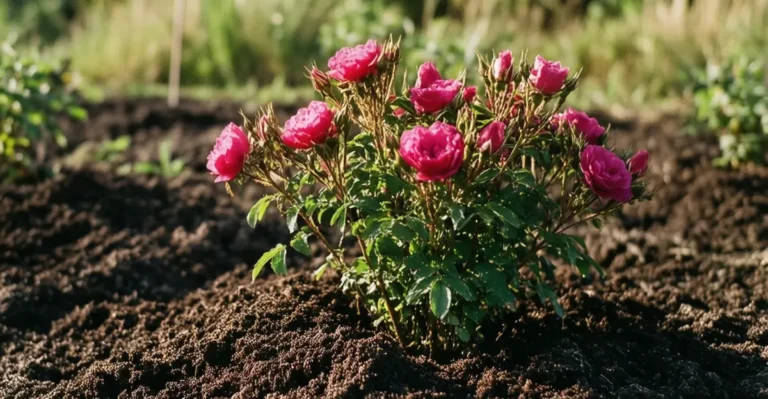
The beauty of the rosa drift red lies in its versatility. Its low, spreading habit makes it perfect for:
- Groundcover: Effortlessly fills empty spaces, creating a carpet of continuous color.
- Borders: Defines garden beds and pathways with a vibrant edge.
- Containers: Ideal for patios and balconies, adding a splash of enduring color to small spaces. Imagine a lush container spilling with red blooms greeting you at your front door!
- Slopes: Excellent for erosion control on gentle inclines.
While not typically harvested for culinary use, the continuous blooming nature of the rosa drift red means you can snip individual blooms for small, cheerful indoor arrangements, bringing a piece of your vibrant garden indoors. Pruning spent blooms (deadheading) will also encourage more flowers, keeping the display fresh and lively.
Common Pests & Diseases to Avoid
One of the greatest advantages of the rosa drift red (and indeed the entire Drift® series) is its inherent resistance to many common rose afflictions. However, no plant is entirely immune.
- Aphids: Small, pear-shaped insects that cluster on new growth. Blast them off with a strong stream of water or introduce beneficial insects like ladybugs.
- Spider Mites: Tiny pests that cause stippling on leaves, particularly in hot, dry conditions. Increase humidity around the plant and use insecticidal soap if necessary.
- Black Spot & Powdery Mildew: Fungal diseases that can occur in humid conditions. Choose resistant varieties, ensure good air circulation, and prune affected foliage promptly. Data shows proper spacing and good air circulation can reduce fungal disease incidence by up to 50%.
For organic solutions, consider neem oil or a homemade garlic spray for pest control. Always prioritize good cultural practices—proper watering, sunlight, and air circulation—as the first line of defense.
Seasonal Maintenance & Overwintering
Maintaining your rosa drift red is beautifully straightforward.
- Spring: Apply a slow-release granular rose fertilizer as new growth emerges. Prune back any winter-damaged or crossing branches to promote healthy air circulation and shape.
- Summer: Deadhead spent blooms regularly to encourage continuous flowering. Ensure consistent watering during dry periods.
- Fall: Reduce watering as temperatures drop. In colder zones (4-6), apply a thick layer of mulch around the base of the plant to insulate the roots from extreme cold. Avoid heavy pruning in fall, as new growth could be susceptible to winter damage.
- Winter: In very cold climates, consider covering the plant with burlap or a rose cone if temperatures consistently dip below its hardiness threshold, especially for younger plants. However, the inherent hardiness of the rosa drift red often means minimal winter protection is needed.
Conclusion
Embracing the rosa drift red in your garden is more than just planting a rose; it’s an invitation to a world of effortless beauty and sustained vibrant color. We’ve explored its resilient growth habits, expansive hardiness zones, and the simple care routines that make it a standout choice for gardeners of all levels. From its easy planting to its continuous blooms and disease resistance, the rosa drift red truly redefines what a rose can be. So, what are you waiting for? Take the plunge, introduce this remarkable rose to your landscape, and prepare to be amazed by its performance. Share your rosa drift red journey with us in the comments below, or better yet, share your garden photos! Want to explore more low-maintenance beauties? Dive into our comprehensive guides on drought-tolerant perennials and pollinator-friendly shrubs!
FAQs
Q1: How big does the rosa drift red get?
A1: The rosa drift red typically reaches a height of 1-1.5 feet and spreads 2-3 feet wide, forming a dense groundcover.
Q2: Does rosa drift red have thorns?
A2: Yes, like most roses, the rosa drift red does have thorns, but they are generally less prominent than those on traditional hybrid tea roses.
Q3: Is rosa drift red deer resistant?
A3: While no plant is entirely “deer-proof,” roses are generally not a deer’s first choice. The rosa drift red tends to be more resistant than other plant types, especially when deer have alternative food sources. Companion planting with deer-deterring plants like lavender or catmint can further discourage them.
Q4: Can I grow rosa drift red in a pot?
A4: Absolutely! The compact size and spreading habit of the rosa drift red make it an excellent choice for containers, provided the pot has good drainage and is adequately sized (at least 18-24 inches in diameter).
Q5: How often should I fertilize my rosa drift red?
A5: For optimal performance, fertilize your rosa drift red once in early spring with a slow-release granular rose fertilizer. A second lighter application in mid-summer can boost continuous blooming, but avoid fertilizing late in the season to prevent promoting tender new growth susceptible to winter damage.