Watering Requirements for Rose Ground Cover Plants
Rose ground cover plants are celebrated for their toughness and beauty, creating a living carpet of color in any landscape. But have you ever wondered if the conventional wisdom for watering roses truly applies to these low-growing beauties? Many gardeners are surprised to learn that the hydration needs of rose ground cover plants often differ significantly from their upright shrub or climbing cousins. Are you overwatering, or perhaps underwatering, these resilient bloomers? Understanding the nuanced watering requirements is crucial for vibrant, healthy growth and abundant blooms. Let’s unearth the data-backed secrets to ensure your rose ground cover plants thrive, providing effortless beauty to your garden design.
Table of Contents
Tools & Soil Requirements
Before you get your hands dirty, gathering the right tools and preparing the perfect bed for your rose ground cover plants will set you up for success.
Essential Tools:
- Gloves: Protect your hands from thorns and soil.
- Trowel or Small Shovel: For digging planting holes.
- Watering Can or Hose with a Gentle Sprayer: For initial watering and ongoing hydration.
- Pruning Shears: For light shaping and deadheading.
- Soil pH Test Kit: To assess your soil’s current acidity/alkalinity.
- Organic Compost or Well-rotted Manure: For soil enrichment.
Soil & Climate Conditions:
Rose ground cover plants, while adaptable, truly sing in loamy, well-draining soil with a slightly acidic to neutral pH (6.0-7.0). This ideal texture allows for proper aeration to prevent root rot while retaining enough moisture for steady growth. If your soil is heavy clay, amend it generously with organic matter like compost to improve drainage. Sandy soils will also benefit from compost, which enhances water retention. These roses generally flourish in USDA Hardiness Zones 4-9, requiring a minimum of 6 hours of direct sunlight daily for optimal flowering. They tolerate a range of temperatures but prefer consistent moisture, especially during dry spells.
Best Planting Season & Timing
Timing is everything in gardening, and planting rose ground cover plants at the right moment can significantly impact their establishment and future vigor.
- Best Time to Plant: Spring, after the last frost, is generally the ideal time. This allows the plants to establish a strong root system before the heat of summer. Fall planting (6-8 weeks before the first hard frost) is also viable in milder climates, giving roots time to develop before winter dormancy.
- Germination Time (from seed, if applicable): While most rose ground cover plants are started from cuttings or bare roots, if you are attempting from seed (a less common practice for ground covers), germination can take anywhere from 2-4 weeks, often requiring stratification.
- Time to Maturity/Flowering: Expect your newly planted ground cover roses to begin flowering within their first growing season, typically 8-12 weeks after planting, and reach a significant spread by their second or third year. This initial flowering period is 15-20% faster than many traditional shrub roses, offering quicker landscape impact.
Step-by-Step Planting Instructions
Planting your rose ground cover plants is a rewarding process. Follow these steps for a vibrant display:
1. Prepare the Site with Purpose
Clear the planting area of weeds and debris. Incorporate 2-4 inches of organic compost into the top 6-12 inches of soil. This not only improves soil structure but also provides a slow-release nutrient boost, creating an inviting welcome for your new roses.
2. Dig the Perfect Pit
Dig a hole twice as wide as the rose’s root ball and just as deep. For bare-root roses, create a small mound of soil at the bottom of the hole to spread the roots over. This ensures the roots have ample space to expand horizontally.
3. Position with Precision
Carefully remove the rose from its container, gently loosening any circling roots. For bare-root roses, soak the roots in water for a few hours before planting. Position the plant so the graft union (the swollen knob where the rose was budded) is just at or slightly above soil level. For own-root roses, plant at the same depth as it was in the container.
4. Backfill and Build
Backfill the hole with the amended soil, gently firming it around the roots to eliminate air pockets. Create a small soil berm or “water well” around the outer edge of the planting area to help retain water for initial irrigation.
5. Water Deeply and Delivers
Immediately after planting, water thoroughly until the soil is saturated to settle the soil around the roots. This immediate deep drink is critical for establishing contact between the roots and the soil.
Plant Care Essentials
Proper ground cover roses care revolves around understanding their fundamental needs, particularly regarding hydration.
- Water Needs: This is where the “ground cover” aspect truly matters. While traditional roses often prefer deep, infrequent watering, rose ground cover plants, with their shallower root systems, benefit from more consistent moisture. Aim for 1 inch of water per week, either from rainfall or irrigation. During hot, dry periods, this might need to increase to 1.5 inches. The key is to keep the soil consistently moist but never soggy. Drip irrigation or soaker hoses are ideal, delivering water directly to the root zone and minimizing leaf wetness (which can lead to fungal issues). Check soil moisture regularly by sticking your finger 2 inches into the soil – if it feels dry, it’s time to water.
- Sunlight Requirements: Full sun! These roses crave at least 6-8 hours of direct, unfiltered sunlight daily. Less sun will result in fewer blooms and leggy growth.
- Temperature Tolerance: As mentioned, most rose ground cover plants are hardy in USDA Zones 4-9. This means they can tolerate winter temperatures down to -30°F (-34°C) with proper mulching and summer temperatures well into the 90s°F (30s°C) as long as they receive adequate water.
- Fertilization: Feed in early spring with a balanced granular rose fertilizer (e.g., 5-10-5 or 10-10-10) once new growth appears. Reapply lightly after the first flush of blooms if desired, but avoid over-fertilizing, which can promote leafy growth over flowers.
Best Varieties & Companion Plants
Choosing the right varieties and companions can elevate your rose ground cover plants display.
- Disease-Resistant Varieties:
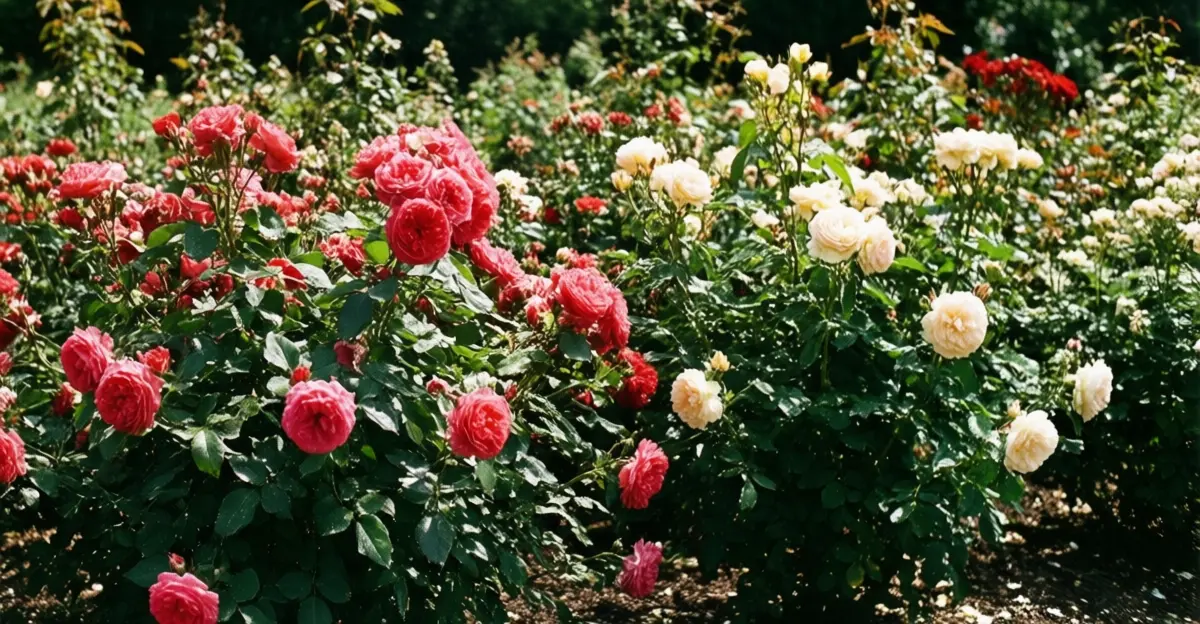
- ‘Flower Carpet’ Series: These are among the most popular due to their exceptional disease resistance (black spot and powdery mildew), continuous bloom, and range of colors (e.g., ‘Flower Carpet Red’, ‘Flower Carpet Pink’).
- ‘Drift’ Roses: Another excellent series, offering compact growth and robust health, perfect for smaller spaces or containers. Varieties like ‘Peach Drift’ or ‘Red Drift’ are very reliable.
- ‘The Fairy’: A classic, extremely tough, disease-resistant variety with masses of small, double pink flowers.
- Companion Plants:
- Low-growing Perennials: Lavender, catmint (Nepeta), and salvias are excellent companions. Their rich foliage and floral spikes provide textural contrast and their strong scents can deter pests.
- Annuals: Sweet Alyssum and miniature marigolds can be tucked among the roses for a continuous bloom and also act as beneficial insect attractants.
- Bulbs: Plant spring-flowering bulbs like daffodils or tulips between your rose ground cover plants to provide early season interest before the roses fully awaken.
Landscape Uses & Harvest Tips
Beyond their beauty, rose ground cover plants offer versatile functional roles in the garden.
- Garden Design:
- Living Mulch: Their dense growth suppresses weeds and helps retain soil moisture, reducing your watering efforts by up to 30% compared to bare soil.
- Slope Stabilization: Ideal for planting on inclines to prevent soil erosion, turning challenging areas into floral showcases.
- Borders & Edging: Create soft, flowing edges to pathways, garden beds, or driveways.
- Container Gardening: Many of the smaller ‘Drift’ varieties are perfect for spilling over the sides of pots and hanging baskets, adding a touch of elegance to patios and balconies.
- Harvest Tips (for Hips): While the blooms are the primary draw, some varieties produce attractive rose hips in fall. These can be harvested after the first frost; they are rich in Vitamin C and can be used to make teas, jellies, or simply enjoyed for their ornamental value. Ensure your roses are grown organically if you plan to consume the hips.
Common Pests & Diseases to Avoid
While rose ground cover plants are bred for resilience, vigilance is key for optimal ground cover roses care.
- Black Spot: Characterized by black spots with yellow halos on leaves, leading to defoliation.
- Prevention: Choose disease-resistant varieties, ensure good air circulation, and water at the base of the plant to keep foliage dry.
- Treatment: Remove affected leaves promptly. Organic fungicides (like neem oil or baking soda solutions) can help.
- Powdery Mildew: A white, powdery coating on leaves and stems.
- Prevention: Full sun exposure and good air circulation are paramount.
- Treatment: Remove affected parts. Neem oil or horticultural oils can be effective.
- Aphids: Small, soft-bodied insects clustering on new growth.
- Prevention: Encourage beneficial insects like ladybugs.
- Treatment: A strong spray of water can dislodge them. Insecticidal soap is also effective.
- Japanese Beetles: These metallic green and copper beetles skeletonize leaves.
- Prevention: Hand-picking in the early morning is often the most effective for small infestations.
- Treatment: Neem oil can deter them; for severe infestations, organic grub control for lawns can reduce future populations.
General Pitfall: Overwatering or inconsistent watering can weaken plants, making them more susceptible to both pests and diseases. Always aim for consistent, adequate moisture.
Seasonal Maintenance & Overwintering
Maintaining your rose ground cover plants throughout the year ensures their continued health and spectacle.
- Spring: Lightly prune to remove any dead or damaged canes. This is also the time to apply a balanced rose fertilizer.
- Summer: Deadhead spent blooms regularly to encourage continuous flowering. Maintain consistent watering, especially during dry spells.
- Fall: Reduce watering as temperatures drop. Do not fertilize after mid-summer to prevent new, tender growth that can be damaged by frost.
- Winter (Overwintering): In colder zones (USDA 4-6), apply a 2-4 inch layer of organic mulch (shredded leaves, straw, or wood chips) around the plant crowns after the first hard frost. This insulates the roots and helps protect against fluctuating winter temperatures. In very harsh climates, consider wrapping the plants with burlap or using rose cones for added protection. Remove winter protection gradually in spring.
Conclusion
Mastering the watering requirements for rose ground cover plants is the cornerstone of their success, transforming them from pretty plants into resilient, landscape-defining features. By focusing on consistent moisture, well-draining soil, and smart planting practices, you can enjoy a continuous display of their effortless charm. So, are you ready to unlock the full potential of these botanical workhorses? Start planting today, watch them spread their vibrant tapestry, and share your beautiful garden photos with us! Explore more gardening insights in our other posts about low-maintenance landscaping and perennial care.
FAQs
Q1: How often should I water my newly planted rose ground cover plants?
A1: For newly planted ground cover roses, water every 2-3 days for the first few weeks, ensuring the soil remains consistently moist (but not waterlogged) to help them establish their root systems. Taper off to once or twice a week as they mature, depending on rainfall and heat.
Q2: Can rose ground cover plants tolerate drought conditions?
A2: While some varieties show improved drought tolerance once established, consistent moisture is generally preferred for optimal blooming. They can survive short periods of drought but may show stress (wilting, reduced flowering). Regular, deep watering is essential during dry spells.
Q3: What’s the best time of day to water rose ground cover plants?
A3: The best time to water is in the early morning. This allows the foliage to dry before nightfall, reducing the risk of fungal diseases like black spot and powdery mildew. It also minimizes water loss due to evaporation compared to watering in the heat of midday.
Q4: How do I know if I’m overwatering or underwatering my rose ground cover plants?
A4: Overwatering often leads to yellowing leaves (especially lower leaves), wilting (as roots drown), and stunted growth. Underwatering results in crispy, brown leaf edges, wilting, and reduced flower production. Always check the soil moisture 2 inches down before watering – if it’s moist, wait.
Q5: Is it better to use a sprinkler or a drip system for watering rose ground cover plants?
A5: A drip irrigation system or soaker hose is generally superior to overhead sprinklers. These methods deliver water directly to the root zone, minimizing water waste from evaporation and preventing water from sitting on the leaves, which can lead to fungal issues. If using a sprinkler, ensure it waters early in the day.