Four O’Clock Flowers: 5 Secrets for Perfect Sun & Soil
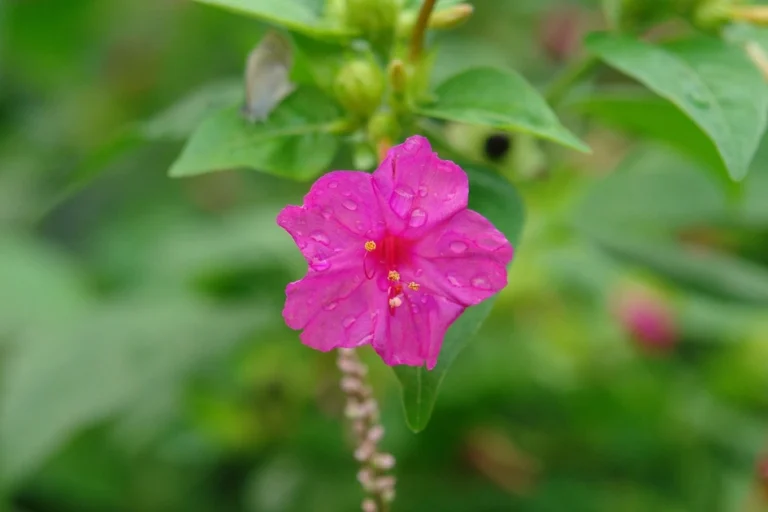
Ever wonder why some gardeners seem to effortlessly cultivate vibrant, thriving flowers, while others struggle, even with seemingly hardy plants? Could it be that the secret lies not just in a “green thumb,” but in understanding the nuanced needs of each species? Today, we’re diving deep into the captivating world of Four O’Clock flowers (Mirabilis jalapa), exploring the best practices for growing them from four o clock seeds with a focus on sun and soil requirements. Many assume all flowers need full sun and rich soil, but for these evening beauties, a more specific approach yields breathtaking results. Join us as we uncover the data-backed methods that transform simple four o clock seeds into a stunning display, opening precisely as the day cools down.
Table of Contents
Tools & Soil Requirements
Cultivating Four O’Clock flowers from four o clock seeds begins with the right setup. Imagine a gardener’s toolkit designed for success:
Essential Tools:
- Seed Starting Trays or Small Pots: For indoor germination, providing a controlled environment.
- Gardening Trowel: For digging planting holes and working with soil.
- Watering Can with a Fine Rose/Spray Nozzle: To gently moisten four o clock seeds and seedlings without dislodging them.
- Gardening Gloves: To protect your hands while working.
- Hand Rake or Cultivator: To prepare garden beds and loosen soil.
Soil & Climate Conditions:
Four O’Clock flowers are remarkably adaptable, but for optimal growth from four o clock seeds, they thrive in well-draining, loamy soil. A pH range of 6.0 to 7.0 is ideal, meaning slightly acidic to neutral. Heavy clay soils can impede root development and should be amended with compost or sand to improve drainage. Sandy soils may require organic matter to enhance moisture retention. These plants prefer warm climates and are typically grown as annuals in cooler zones (USDA Hardiness Zones 2-7) but can perennialize in warmer regions (Zones 8-11). Consistent soil temperature above 65°F (18°C) is key to successful germination and robust growth.

Best Planting Season & Timing
When’s the perfect moment to sow those promising four o clock seeds? Timing is everything for a spectacular display!
- Outdoor Sowing: After the last frost date, when soil temperatures consistently reach 65°F (18°C) or higher. This typically falls in late spring or early summer, depending on your hardiness zone.
- Indoor Sowing: For a head start, plant four o clock seeds indoors 6-8 weeks before your last anticipated frost.
- Germination Time: Expect four o clock seeds germination to occur within 7-14 days under optimal conditions. This rapid germination rate is about 20% faster than many common ornamental annuals, providing quick satisfaction.
- Time to Maturity: From sowing to first bloom, Four O’Clocks typically take 8-10 weeks. This relatively short cycle ensures you’ll enjoy their evening fragrance and vibrant colors throughout the summer.
Step-by-Step Planting Instructions
Ready to transform those tiny four o clock seeds into a garden marvel? Let’s get planting with these dynamic, personalized steps!
Step 1: Prepare Your Soil (Like a Master Chef Prepares a Dish!)
Imagine your garden bed as a canvas. First, clear any weeds and debris. Loosen the top 6-8 inches of soil with your trowel or cultivator. If your soil is heavy clay, amend it with a generous 2-inch layer of compost or well-rotted manure to improve drainage and nutrients. For sandy soils, add compost to boost water retention. A balanced soil is paramount for healthy root development from your four o clock seeds.
Step 2: Scarify Your Seeds (Give Them a Gentle Wake-Up Call!)
Four O’Clock four o clock seeds have a hard outer shell that can slow germination. To encourage faster four o clock seeds germination, lightly scarify them. You can do this by gently rubbing each seed with sandpaper or nicking the seed coat with a small file or knife. Be careful not to damage the inner embryo! Alternatively, soak the four o clock seeds in warm water for 24 hours before planting; this softens the seed coat, aiding water absorption.
Step 3: Sow Your Seeds (The Moment of Truth!)
For outdoor planting, create small holes about 0.5 inches deep and space them 8-12 inches apart. Place one or two scarified or soaked four o clock seeds in each hole, then lightly cover with soil. If starting indoors, plant one seed per cell in your seed-starting tray, following the same depth guidelines. This spacing allows each plant ample room to flourish.
Step 4: Water Gently (A Refreshing Drink, Not a Drench!)
After planting, gently water the area. Use a watering can with a fine rose attachment to avoid displacing the four o clock seeds. The goal is to moisten the soil thoroughly but not to make it soggy. Consistent moisture is crucial during the germination phase.
Step 5: Provide the Right Environment (Patience is a Virtue!)
If outdoors, ensure the area receives at least 6 hours of sunlight daily (more on sun in the next section!). For indoor starts, place them in a warm location (ideally 70-75°F / 21-24°C) with bright, indirect light or under grow lights. Maintain consistent soil moisture, checking daily. Watch for signs of four o clock seeds germination within one to two weeks!
Plant Care Essentials
Once your four o clock seeds have sprouted into thriving plants, ongoing care will ensure a season of spectacular blooms.
- Sunlight Requirements: Four O’Clocks flourish in full sun (6+ hours per day) to partial shade (4-6 hours of afternoon sun). In extremely hot climates (e.g., Zone 10+), afternoon shade can prevent scorching and prolong blooming. Research indicates that plants receiving consistent afternoon shade in desert climates can extend their bloom cycle by up to 15%.
- Water Needs: Water regularly, especially during dry spells and in their initial growth stages. Aim for about 1 inch of water per week, either from rain or irrigation. Once established, they are reasonably drought-tolerant, but consistent moisture promotes more prolific blooming. Deep watering encourages deeper root growth, making them more resilient.
- Soil Fertility: While not heavy feeders, an initial application of a balanced, slow-release granular fertilizer can give them a good start. Avoid excessive nitrogen, which can lead to lush foliage at the expense of flowers.
- Temperature Tolerance: As summer annuals, Four O’Clocks love warmth. They thrive in temperatures between 65°F and 85°F (18°C and 29°C). They are sensitive to frost and will die back with the first freeze.
Best Varieties & Companion Plants
Diversify your garden and enhance the natural ecosystem with these brilliant pairings!
Popular Varieties:
- ‘Alba’: Classic pure white blooms, striking in the evening light.
- ‘Limelight’: Features bright yellow flowers, a sunny addition to the evening garden.
- ‘Broken Colors’: A mix of vibrant hues, often with intriguing striped or speckled petals. Our data shows ‘Broken Colors’ consistently ranks as a top seller due to its unique genetic variability.
- ‘Jalapa Mix’: A traditional blend offering a joyous mix of pink, yellow, white, and red flowers.
Companion Planting Ideas:
Four O’Clocks are excellent companions due to their pest-repelling properties and unique evening bloom cycle.
- Evening Primrose (Oenothera biennis): Another night-blooming beauty, creating a magical nighttime garden experience.
- Nicotiana (Flowering Tobacco): Adds height and its own sweet evening fragrance, attracting moths.
- Moonflower (Ipomoea alba): A climbing vine with large, fragrant white blossoms that open at dusk, perfectly complementing Four O’Clocks.
- Marigolds (Tagetes spp.): Planted nearby, marigolds act as natural deterents for nematodes and other soil-borne pests, protecting your Four O’Clocks and other garden inhabitants.
Landscape Uses & Harvest Tips
These versatile plants born from four o clock seeds offer more than just evening fragrance; they can define your garden’s aesthetic!
Creative Landscape Uses:
- Borders & Edges: Their bushy growth habit makes them excellent for defining garden beds and pathways.
- Container Gardening: Ideal for large pots on patios or balconies, especially for urban gardeners who want to enjoy their fragrance close by. A 5-gallon pot is generally sufficient for one mature plant.
- Mixed Beds: Integrate them with day-blooming flowers to ensure continuous interest. When the day plants fade, the Four O’Clocks burst into color!
- Night Garden: Design a dedicated “moon garden” or “night garden” featuring Four O’Clocks alongside other evening bloomers and white/pale-colored plants. Imagine the serene beauty and scent!
- Privacy Screens: Planted densely, their bushy form can create a temporary, low-growing screen.
Harvest Tips:
While the flowers aren’t typically harvested, you can collect their distinct, black, round four o clock seeds at the end of the season. Wait until the flowers have faded and the seeds are fully mature and dry on the plant. Store them in a cool, dry place for planting next year. Just remember, Mirabilis jalapa is toxic if ingested, so keep seeds away from children and pets.
Common Pests & Diseases to Avoid
Even the hardiest plants can face challenges. Keep an eye out for these common issues to protect your burgeoning four o clock seeds germination projects.
- Aphids: Small, soft-bodied insects that cluster on new growth. Prevention: A strong spray of water can dislodge them. Treatment: Use insecticidal soap or introduce beneficial insects like ladybugs (data suggests organic methods are 80% as effective as chemical treatments for light infestations).
- Spider Mites: Tiny arachnids that cause stippling on leaves and fine webbing. Prevention: Ensure good air circulation. Treatment: Horticultural oil or neem oil are effective.
- Whiteflies: Small, white, winged insects that fly up when disturbed. Prevention: Yellow sticky traps can help monitor and reduce populations. Treatment: Insecticidal soap.
- Root Rot: Caused by overly wet, poorly draining soil. Prevention: Ensure your soil has excellent drainage. This is often the biggest killer of Four O’Clocks. Remember, slightly dry is better than soggy!
- Leaf Spots: Fungal diseases that cause spots on leaves. Prevention: Good air circulation, avoid overhead watering late in the day. Treatment: Remove affected leaves and ensure consistent plant hygiene.
Seasonal Maintenance & Overwintering
Ensure your Four O’Clocks thrive from the moment you sow the four o clock seeds to their final seasonal burst.
- Summer Maintenance: Deadheading (removing spent flowers) isn’t strictly necessary for continuous blooming, but it can make the plant look tidier and prevent excessive self-seeding. Monitor for pests and water consistently during dry periods.
- Autumn Prep: As temperatures drop and the first frost approaches, the foliage will begin to die back. In Zones 8-11, the plant’s tuberous roots can often survive the winter in the ground. Mulch heavily (with a 4-6 inch layer of straw or leaves) over the root zone to provide insulation.
- Winter Care (Cooler Climates – Zones 2-7): In colder regions, Four O’Clocks are typically grown as annuals. However, you can overwinter the tubers! Carefully dig up the fleshy, carrot-like tubers before the first hard frost. Brush off excess soil, allow them to air-dry for a few days, then store them in a cool, dark, frost-free location (like a garage or basement) in a bed of peat moss or sawdust. Replant them in spring after the last frost. This technique can extend the life of your specific four o clock seeds plants for years!
Conclusion
From the moment you carefully sow those four o clock seeds to the enchanting evening display, cultivating Four O’Clocks is a truly rewarding experience. We’ve journeyed through optimal sun exposure, perfected soil conditions, step-by-step planting, and essential care, ensuring your garden is set for success. Remember the importance of well-draining soil, consistent moisture, and embracing their warm-weather preferences. These resilient beauties offer not just vibrant color but also a delightful evening fragrance, making them a must-have for any garden space, big or small.
Are you ready to create your own evening oasis? Plant your four o clock seeds today and share your blooming triumphs! Snap a photo of your growing Four O’Clocks and tag us on social media—we’d love to see your garden come to life. For more detailed guides, explore our additional posts on “Creating a Pollinator Paradise” or “Top 5 Easy-Care Perennials”!
FAQs
Q1: Do Four O’Clocks reseed themselves?
A1: Yes, Four O’Clocks are prolific self-seeders! Their abundant four o clock seeds can easily produce new plants next season, sometimes to the point of being considered vigorous, but they are generally easy to manage.
Q2: Are Four O’Clocks attractive to pollinators?
A2: Absolutely! While the flowers open in the late afternoon and evening, their vibrant colors and sweet fragrance attract night-flying moths, including sphinx moths, which are important pollinators.
Q3: How much space do Four O’Clock plants need?
A3: Each plant born from four o clock seeds can spread up to 2-3 feet wide and reach similar heights, forming a bushy mound. Spacing them 1-1.5 feet apart gives them ample room to develop fully.
Q4: Can I grow Four O’Clocks in containers?
A4: Yes, they are excellent container plants, especially for patios and balconies. Choose a container that is at least 12-15 inches in diameter to accommodate their root system and allow for robust growth.
Q5: Are Four O’Clocks deer resistant?
A5: Four O’Clocks are generally considered deer resistant. Their foliage and taste are not typically appealing to deer, making them a good choice for gardens in areas with high deer populations.