Beyond 4 PM: Why Mirabilis Jalapa Flowers Open in the Late Afternoon
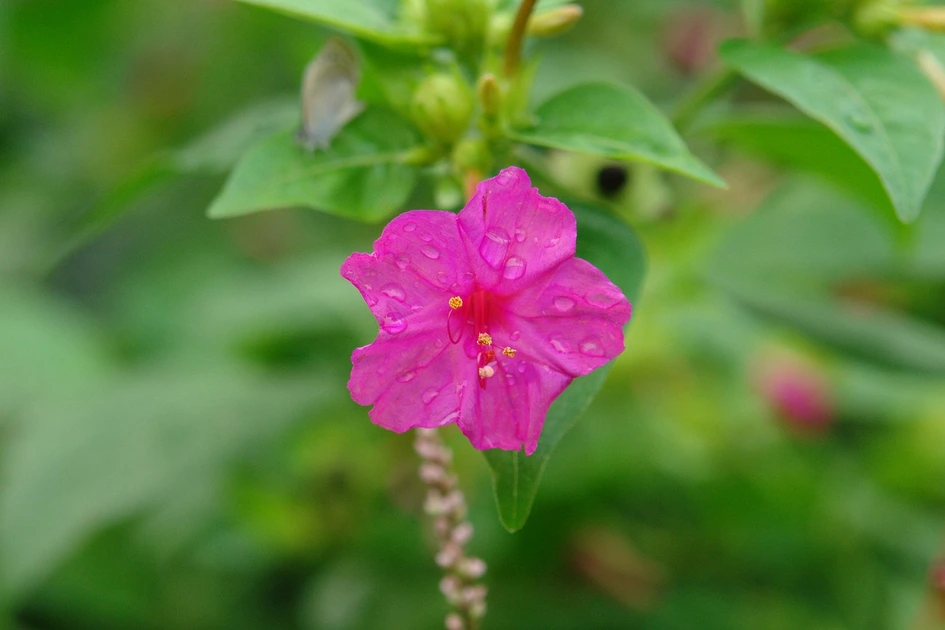
Ever wondered why some of your garden’s most vibrant blooms seem to magically unfurl their petals just as the day begins to wind down, often right around 4 PM? It’s not a trick of the light; it’s the fascinating circadian rhythm of the Mirabilis jalapa, commonly known as the Four O’Clock flower. This botanical marvel, with its enchanting habit of opening in the late afternoon and closing by morning, captivates gardeners worldwide. But beyond their charming timing, a common question echoes through gardening forums: are 4 o clocks perennials? The answer, as with many aspects of gardening, depends on your climate, but their enduring appeal certainly makes them feel like a permanent fixture. This post will delve deep into the world of Four O’Clocks, unraveling their mysteries and guiding you to cult ivate these fragrant beauties in your own garden, whether you’re a seasoned green thumb or just starting out.
Table of Contents
Tools & Soil Requirements
Cultivating Mirabilis jalapa, particularly if you’re exploring whether are 4 o clocks perennials in your zone, requires the right foundation. Think of it as preparing a cozy, nutrient-rich bed for a sleepy flower that wakes up in the evening!
Essential Tools:
- Hand Trowel: For digging individual planting holes and light cultivation.
- Gardening Gloves: To protect your hands from soil and potential skin irritants (though Four O’Clocks are generally harmless).
- Watering Can or Hose with a Gentle Sprayer: For consistent, even watering, especially during establishment.
- Garden Fork or Spade: For preparing larger beds and turning the soil.
- Compost Bin/Composter (Optional): For creating your own rich, organic compost to amend soil.
Soil Specifications:
Four O’Clocks aren’t overly demanding, but they thrive in loamy, well-draining soil with a neutral to slightly alkaline pH, ideally between 6.0 and 7.5. Avoid heavy clay soils that can become waterlogged, as this leads to root rot – a quick demise for these otherwise resilient plants. If your soil is sandy, incorporating organic matter like well-rotted compost or aged manure will improve its water retention and nutrient content. For urban gardeners considering four o clocks in containers, a high-quality potting mix designed for flowering plants, blended with a handful of perlite for drainage, will work wonders.
Best Planting Season & Timing
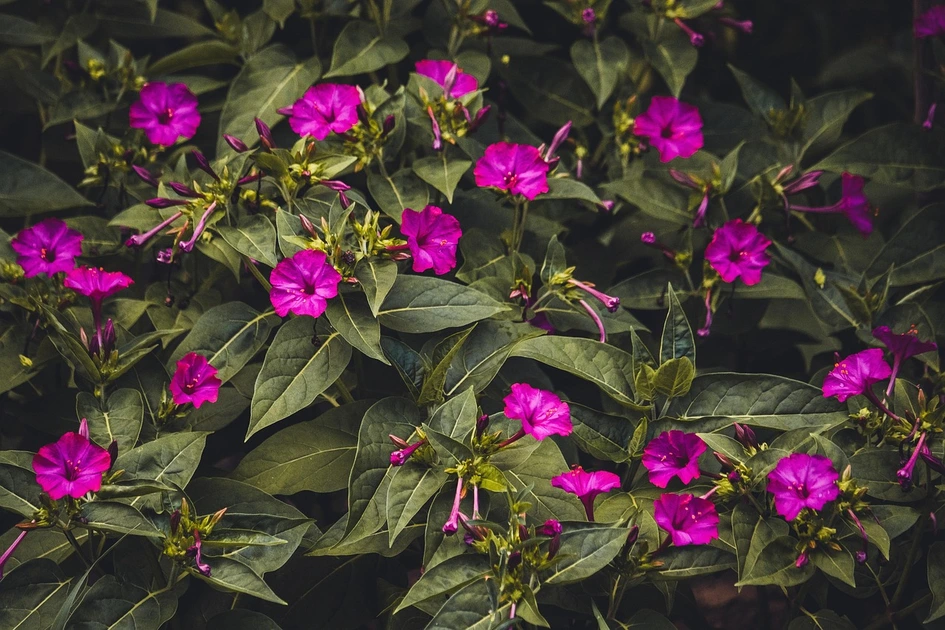
The secret to success with Mirabilis jalapa lies in timing. While the question of are 4 o clocks perennials often comes up, their tubers can overwinter in warmer climates. For most, planting commences after the last frost of spring when soil temperatures consistently reach above 60°F (15°C).
- Planting Season: Late spring to early summer, typically May to June in temperate zones.
- Expected Germination Time: Mirabilis jalapa seeds are remarkably eager to sprout, often germinating in just 7-10 days when conditions are optimal. This rapid emergence is approximately 20-30% faster than many other popular annuals and short-lived perennials.
- Time to Maturity: From seed to first bloom, you can anticipate flowers in about 8-10 weeks. This quick turnaround makes them ideal for filling gaps in your late-summer garden.
For those in USDA Hardiness Zones 7 and above, where are 4 o clocks perennials is a real possibility, you can also plant tubers directly in the spring.
Step-by-Step Planting Instructions
Ready to invite these evening beauties into your garden? Follow these easy steps for successful planting of your Four O’Clocks.
1. Prepare Your Planting Site
Loosen the soil to a depth of 12-15 inches, incorporating 2-4 inches of compost or other organic matter. This ensures good drainage and provides initial nutrients, setting the stage for robust growth, especially if you’re aiming for overwintering and want to see if are 4 o clocks perennials in your specific microclimate.
2. Sow Your Seeds or Plant Tubers
- For Seeds: Plant seeds about 1/4 inch deep and 12-18 inches apart. If planting in rows, space rows 2-3 feet apart. A little trick: nicking the seed coat (scarification) beforehand can speed up germination by a day or two!
- For Tubers: Plant tubers 2-3 inches deep, laying them horizontally, and spaced 12-18 inches apart. Handle them gently to avoid damage.
3. Water Thoroughly
Immediately after planting, give your seeds or tubers a good, deep watering. This helps settle the soil around them and provides the necessary moisture for germination or root establishment.
4. Provide Initial Care
Maintain consistent moisture without waterlogging. Once seedlings emerge, thin them to the recommended spacing if they’re too crowded. For four o clocks in containers, ensure the pot has drainage holes and a saucer to catch excess water.
Plant Care Essentials
Understanding the care needs of Mirabilis jalapa will ensure a spectacular nightly display.
- Water Needs: While drought-tolerant once established, Four O’Clocks prefer consistently moist soil, especially during dry spells and flowering periods. Aim for 1 inch of water per week, either from rain or irrigation. Reduce watering in cooler weather if you live where are 4 o clocks perennials, to discourage rot in dormant tubers.
- Sunlight Requirements: Full sun to partial shade. They perform best with at least 6 hours of direct sunlight daily. In hotter climates, a little afternoon shade can prevent wilting and conserve moisture, ensuring their evening show isn’t spoiled by mid-day stress.
- Temperature Tolerance: These plants adore warmth. They thrive in temperatures between 65°F and 85°F (18°C-30°C). They are sensitive to frost, which is why in many regions, they are grown as annuals, even if technically are 4 o clocks perennials in warmer zones. USDA Hardiness Zones 7-10 are generally safe for overwintering tubers in the ground.
- Fertilization: A balanced, all-purpose granular fertilizer applied lightly at planting or a liquid feed every 4-6 weeks during the growing season will encourage abundant blooms. Avoid excessive nitrogen, which can lead to lush foliage at the expense of flowers.
Best Varieties & Companion Plants
Choosing the right varieties and companions enhances both the beauty and resilience of your Mirabilis jalapa patch.
Popular Varieties:
- ‘Alba’: Pure white flowers, a classic for moon gardens.
- ‘Jalapa Yellow’: Bright, cheerful yellow blooms.
- ‘Broken Colors’ / ‘Harlequin’: Features striped or variegated flowers, often blending red, white, yellow, or pink on a single plant, offering a truly unique display.
- ‘Salmon’: Soft, peachy-pink shades.
- ‘Tom Thumb’: A dwarf variety, perfect for four o clocks in containers or small spaces.
Creative Companion Planting:
Pairing Four O’Clocks with the right companions can create a vibrant, harmonious, and pest-resistant garden:
- Night-Blooming Jasmines: Enhance the evening fragrance and draw in nocturnal pollinators.
- Nicotiana (Flowering Tobacco): Adds another layer of evening scent and attracts hummingbirds.
- Marigolds: Known for their pest-repelling properties, particularly against nematodes, useful if you’re establishing whether are 4 o clocks perennials and leaving them in the ground.
- Morning Glories: Create a beautiful diurnal contrast, with Morning Glories closing as Four O’Clocks open.
- Scented Geraniums: Their varied foliage and aroma can deter deer and rabbits, protecting your Four O’Clocks.
- Basil (sweet or lemon): Its strong scent can help repel some common garden pests.
Landscape Uses & Harvest Tips
Mirabilis jalapa offers versatility in the garden, bringing charm and fragrance to various settings.
Landscape Uses:
- Borders & Edges: Their bushy habit and consistent blooms make them excellent for defining garden beds or pathways.
- Containers: As mentioned, <a href=”https://en.wikipedia.org/wiki/Mirabilis_nyctaginea’ target=”_blank”>four o clocks in containers are fantastic, especially for patios, balconies, or areas where you can enjoy their evening fragrance up close. Choose pots at least 12 inches in diameter.
- Accent Plants: Their unique daily timing makes them a conversation piece as a standalone accent.
- Moon Gardens: Their pale varieties truly shine under moonlight, making them essential for a garden designed for evening enjoyment.
- Groundcover: In warmer zones, their sprawling nature allows them to naturalize and create a fragrant groundcover.
Harvest Tips:
While not typically harvested for culinary purposes, Four O’Clocks are known for their beautiful, pea-sized black seeds.
- Seed Collection: Allow flowers to fade and go to seed. The seeds are round, black, and easy to spot. Collect them on a dry day before they fall, then dry them indoors for a week or two. Store in a cool, dark, dry place in an airtight container for next year’s planting. This is particularly useful if are 4 o clocks perennials isn’t an option in your climate, as you can easily propagate new plants from collected seeds.
Common Pests & Diseases to Avoid
Four O’Clocks are generally robust, but vigilance can prevent common issues.
- Aphids: Small, soft-bodied insects that cluster on new growth. Blast them off with a strong stream of water or use insecticidal soap.
- Spider Mites: Tiny pests that cause stippling on leaves and fine webbing. Increase humidity and use insecticidal soap.
- Leaf Spots: Fungal diseases that appear as dark spots on leaves. Ensure good air circulation, avoid overhead watering, and remove affected foliage.
- Root Rot: Caused by overly wet soil. Ensure excellent drainage and avoid overwatering, especially if you’re hoping are 4 o clocks perennials in your garden, as tubers are susceptible in saturated winter soil.
- Slugs and Snails: Can munch on young seedlings. Use organic slug pellets or beer traps.
Prevention is key. Healthy plants are more resistant. A balanced ecosystem with beneficial insects (like ladybugs) can also naturally keep pests in check.
Seasonal Maintenance & Overwintering
Ensuring the longevity and vigorous bloom of your Four O’Clocks requires a bit of seasonal attention.
- Deadheading: While not strictly necessary for continuous blooming (as flowers self-clean), deadheading spent blooms can prevent rampant self-seeding if you don’t want them spreading too much. It also redirects the plant’s energy into producing more flowers rather than seeds.
- Pruning: Pinch back young plants to encourage bushier growth. Later in the season, you can prune leggy stems to maintain a tidy appearance.
- Overwintering (Where applicable): This is where understanding if are 4 o clocks perennials truly applies to your zone becomes crucial.
- In-Ground (Zones 7-10): In mild climates, simply cut back the foliage after the first frost. The tubers will remain dormant in the soil and typically re-sprout in spring. A layer of mulch can add extra protection.
- Lifting Tubers (Zones 6 and below): Before the first hard frost, carefully dig up the tubers. Shake off excess soil and allow them to air dry in a cool, shady spot for a few days. Store them in a box filled with peat moss, sawdust, or sand in a cool, dark, frost-free location (like a basement or garage) until spring. Replant after the danger of frost has passed.
Conclusion
The captivating Mirabilis jalapa, with its distinctive late-afternoon bloom, offers a touch of magic to any garden. From unraveling the mystery of their specific opening times to understanding whether are 4 o clocks perennials in your area, we’ve explored the journey of cultivating these delightful plants. Their resilience, vibrant colors, and sweet fragrance make them an invaluable addition, whether gracing your borders, enlivening your containers, or captivating nocturnal pollinators.
So, why not bring a little evening enchantment to your own space? Plant some Four O’Clocks, watch their daily spectacle unfold, and share your triumphs with us! We’d love to see photos of your thriving Mirabilis jalapa plants and hear how they transform your garden’s evening ambiance. Happy planting!
FAQs
Q1: Do Four O’Clocks attract hummingbirds or other beneficial insects?
A: Yes! While they open primarily for nocturnal pollinators like hawk moths, their sweet fragrance and nectar can also attract hummingbirds and bees earlier in the evening or on overcast days when they stay open longer.
Q2: Are Four O’Clock flowers edible?
A: No. While some sources might mention historical uses, all parts of the Mirabilis jalapa plant, especially the seeds, are considered toxic if ingested. It’s best to enjoy them for their ornamental beauty.
Q3: Can I grow Four O’Clocks indoors?
A: While possible in a sunny window, they rarely thrive indoors due to their need for abundant sunlight and space. They’ll likely become leggy and produce fewer blooms. They truly shine when grown outdoors.
Q4: My Four O’Clocks aren’t opening at 4 PM! What’s wrong?
A: Don’t worry! Their “4 PM” opening is a general guide. Their actual opening time can vary based on light intensity, temperature, and even maturity. On cloudy days, they might open earlier, and on very sunny days, they might wait a little longer.
Q5: How aggressively do Four O’Clocks self-seed?
A: They can be quite prolific self-seeders, especially in ideal conditions. If you don’t want them to spread, make sure to deadhead them before the seeds ripen and drop. This is a key consideration if you’re trying to manage their presence, particularly if you’ve discovered that are 4 o clocks perennials in your specific garden spot.