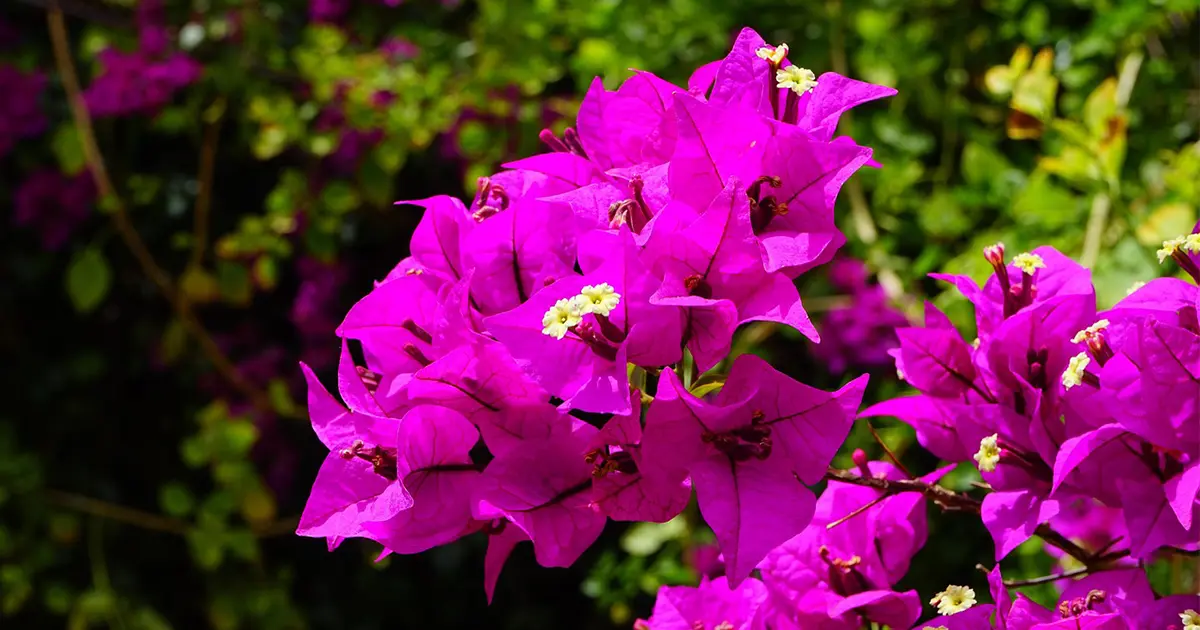
Is the Four O’Clock flowers a Perennial or Annual?
Table of Contents
Is the Four O’Clock flowers a Perennial or Annual?
If you’re considering adding four o’clock flowers to your garden, you might be wondering whether they are perennials or annuals. This distinction is crucial for planning and maintaining your garden’s landscape throughout the seasons.
Four o’clock plants are known for their vibrant blooms that typically open late in the day, releasing a sweet fragrance that attracts pollinators. Their growth habits and hardiness vary depending on your location, particularly the climate and soil conditions.
Understanding whether four o clocks are perennials or annuals in your area will help you provide the right care, ensuring they thrive and bloom beautifully year after year or self-seed for the next growing season.
Key Takeaways
- Four o’clock flowers can be either perennials or annuals, depending on the climate.
- Their growth habit affects how you care for them in your garden.
- Understanding local conditions is key to their success.
- Proper care can encourage these plants to bloom year after year.
- Four o’clock plants are known for their late-day blooming and fragrance.
Understanding Four O’Clock Plants
The Four O’Clock plant, known for its late-day blooming habit, is a fascinating addition to any garden. These plants have garnered attention for their unique characteristics and beauty.
Origin and History
Four O’Clock plants are native to the tropical regions of Central and South America. They were first cultivated in Europe in the 18th century and have since become popular worldwide for their vibrant blooms. If you’re interested in growing Four O’Clock plants, you can start by obtaining four o clock seeds from a reputable supplier.
Distinctive Characteristics
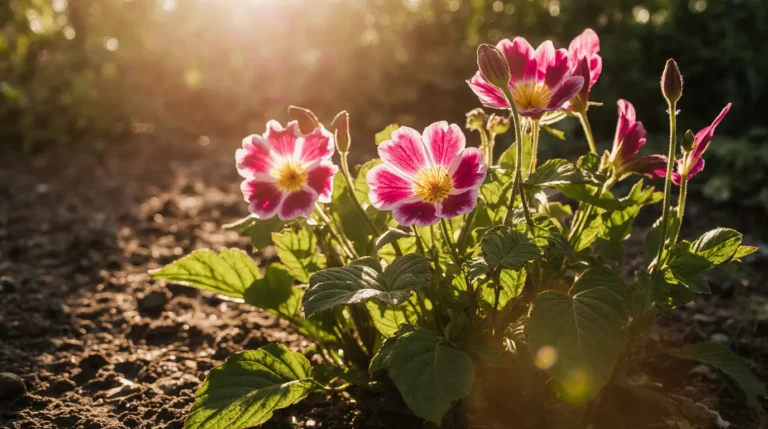
Four O’Clock plants are known for their trumpet-shaped flowers, which bloom in the late afternoon, typically around 4 to 5 o’clock. They come in a variety of colors, including pink, yellow, white, and red. Viewing images of 4 o clock flowers can give you a better idea of their beauty and diversity. The plants also have a fragrant scent, which attracts pollinators and adds to their charm.
Some key features of Four O’Clock plants include:
- Tuberous root system that allows them to survive harsh weather conditions
- Ability to grow in a variety of soil types
- Attractive, fragrant flowers that bloom in the late afternoon
The Perennial vs. Annual Debate
The perennial versus annual debate surrounding four o’clock plants is influenced by various factors, including climate and geographical location. To resolve this debate, it’s essential to examine the technical classification and regional growing behavior of these plants.
Technical Classification
Four o’clock plants, known botanically as Mirabilis jalapa, are technically perennials in their native habitat. They belong to the Nyctaginaceae family and are characterized by their tuberous root system, which allows them to survive harsh conditions. In regions where they are native, these plants can regrow from their tubers year after year.
From a technical standpoint, the classification of a plant as a perennial or annual depends on its ability to survive the winter in a particular area. This classification is often determined by the USDA Hardiness Zone of the region.
| Plant Characteristic | Perennial | Annual |
| Survival Through Winter | Survives through winter | Does not survive through winter |
| Regrowth | Regrows from tubers or roots | Needs to be replanted every year |
Regional Growing Behavior
The growing behavior of four o’clock plants varies significantly across different regions. In warmer climates, such as USDA Hardiness Zones 8-11, these plants can thrive as perennials, regrowing from their tubers each year. In contrast, in cooler climates (Zones 1-7), they typically behave as annuals because the tubers cannot survive the freezing temperatures.
Gardeners in regions with mild winters can enjoy four o’clock flowers as perennials, while those in colder areas may need to replant them every spring or take special care to overwinter the tubers indoors.
Four O’Clock Flowers: Perennial Qualities
Four o’clock flowers exhibit several perennial qualities that make them a favorite among gardeners. Their ability to come back year after year is a significant advantage, saving gardeners the trouble of replanting every spring.
One of the key perennial qualities of four o’clock flowers is their tuberous root system. This underground structure allows the plants to store energy and nutrients during the winter months, enabling them to regrow in the spring.
Tuberous Root System
The tuberous roots of four o’clock flowers are thick and fleshy, serving as a storage organ for the plant. During the growing season, the roots absorb and store nutrients, which are then used to fuel the plant’s growth when it regrows in the spring. This adaptation enables four o’clock flowers to survive harsh winter conditions and thrive in a variety of environments.
Overwintering Capabilities
In regions with mild winters, four o’clock flowers can often survive the winter months without additional protection. However, in areas with colder winters, it’s essential to provide some protection to ensure their survival. Applying a layer of mulch or straw around the base of the plants can help insulate the soil and protect the tuberous roots from freezing temperatures.
By understanding and leveraging these perennial qualities, gardeners can enjoy their four o’clock flowers year after year, appreciating their beauty and resilience in the garden.
When Four O’Clocks Act as Annuals
In areas with unfavorable weather conditions, four o’clock plants tend to behave like annuals rather than perennials. This behavior is largely influenced by the plant’s sensitivity to extreme temperatures and frost.
Climate Limitations
Four o’clock plants thrive in temperate climates with warm summers and mild winters. However, in regions with harsh winters, prolonged frost, or extremely hot summers, these plants may not survive year-round. If you live in an area with such climate limitations, it’s essential to understand that four o’clock plants may need to be replanted every spring.
Growing four o’clock plants from seeds is a viable option in such climates. You can start four o’clock seeds indoors 4-6 weeks before the last frost date in your area and then transplant them outside when the weather warms up.
First Frost Effects
The first frost of the season can significantly impact four o’clock plants, often causing them to die back to the ground. In areas where the first frost arrives early, these plants may not have a chance to establish themselves fully, leading to an annual growth cycle.
To extend the growing season, you can take steps to protect your four o’clock plants from the first frost, such as covering them with a frost blanket or bringing potted plants indoors. However, in regions with prolonged winters, it’s often more practical to treat four o’clock plants as annuals and replant them every spring.
USDA Hardiness Zones and Four O’Clocks
Knowing your USDA hardiness zone is essential to understanding whether four o’clock plants will behave as perennials or annuals. The USDA hardiness zone map is a valuable resource for gardeners, helping determine which plants will thrive in their local climate. Four o’clock plants are no exception; their perennial or annual nature is significantly influenced by the zone in which they’re grown.
Zones Where They’re Perennial
In USDA hardiness zones 9-11, four o’clock plants can be grown as perennials. These zones have mild winters, allowing the plants to survive the winter months without significant damage. In these regions, the tuberous roots remain viable underground, enabling the plants to regrow in the spring. If you live in one of these zones, you can expect your four o’clock plants to come back year after year, provided they receive proper care.
Zones Where They’re Annual
In USDA hardiness zones outside of 9-11, four o’clock plants typically behave as annuals. In zones with colder winters, the plants will not survive the frost, and the tuberous roots may rot if left in the ground. To enjoy four o’clock plants in these zones, gardeners often replant new seeds or tubers each spring. Alternatively, you can dig up the tubers in the fall, store them indoors during the winter, and replant them in the spring when the soil has warmed up.
Growing Four O’Clock Flowers from Seeds
To add four o’clock flowers to your garden, consider starting them from seeds for a cost-effective and fulfilling experience. Growing four o’clock flowers from seeds allows you to enjoy these beautiful plants without the initial investment in mature plants.
Collecting and Storing Seeds
Collecting seeds from your existing four o’clock flowers is a great way to propagate new plants. Allow the seed pods to dry completely on the plant, then harvest them. Store the seeds in a cool, dry place in an airtight container to maintain their viability. Proper storage can keep seeds viable for up to a year.
Starting Seeds Indoors
Starting four o’clock seeds indoors 4-6 weeks before the last frost date in your area can give your plants a head start on the growing season. Sow seeds ¼ inch deep in seed starting mix, and keep the soil warm until germination. Transplant seedlings outdoors when the danger of frost has passed.
Direct Sowing Techniques
If you prefer to sow seeds directly in your garden, wait until the soil has warmed up and the danger of frost has passed. Sow seeds ¼ inch deep and 1-2 inches apart in well-draining soil. Water gently but thoroughly. Thin seedlings to 12-18 inches apart as they grow to allow for proper air circulation and growth.
Planting and Caring for Four O’Clocks
To ensure your four o’clock flowers thrive, it’s essential to understand their planting and care requirements. These plants are relatively low-maintenance, but they do have specific needs that must be met to achieve optimal growth and blooming.
Ideal Soil Conditions
Four o’clock flowers prefer well-draining soil that is rich in organic matter. They can grow in a variety of soil types, from sandy to clay soils, as long as the soil is not waterlogged. To improve soil quality, you can add compost or well-rotted manure to enhance its fertility and drainage.
Sunlight Requirements
Four o’clock flowers require full sun to partial shade. They bloom best in locations that receive at least 6 hours of direct sunlight per day. However, in warmer climates, some afternoon shade can help protect the plants from intense heat.
Watering and Fertilizing Needs
Four o’clock flowers need regular watering, especially during dry spells. However, they are susceptible to root rot if the soil is too wet. A balanced fertilizer applied once a month can promote healthy growth and blooming. Avoid overfertilizing, as this can lead to more foliage at the expense of flowers.
Popular Varieties of Four O’Clock Flowers
The Four O’Clock plant is a versatile and attractive addition to any garden, available in numerous varieties. These plants are known for their vibrant colors and diverse growth habits, making them a popular choice among gardeners.
Color Variations
Four O’Clock flowers come in a wide range of colors, including pink, yellow, white, and red. Some varieties even have striped or multi-colored petals, adding to their visual appeal. You can choose from solid colors or mix and match different varieties to create a unique display in your garden.
Growth Habits and Sizes
Four O’Clock plants vary in their growth habits and sizes. Some are compact and bushy, while others can grow quite tall. The size of the flowers also varies, with some having large, showy blooms and others having smaller, more delicate flowers. You can select varieties that suit your garden’s specific needs and conditions.
| Variety | Color | Growth Habit | Flower Size |
| Compact Pink | Pink | Compact | Medium |
| Tall Yellow | Yellow | Tall | Large |
| Striped Delight | Striped | Bushy | Small |
Container Growing for Four O’Clocks
Container growing is an excellent way to cultivate four o’clock flowers, especially if you live in an area with poor soil quality. This method allows you to control the soil composition and drainage, ensuring your plants receive the best conditions for growth.
Container Selection and Preparation
When selecting a container for your four o’clock flowers, choose one that is at least 6-8 inches deep to accommodate their tuberous root system. Ensure the container has drainage holes to prevent waterlogged soil. Use a well-draining potting mix and consider adding organic matter like compost to enhance soil fertility.
Overwintering Container Plants
In colder climates, four o’clock flowers in containers need protection during the winter. You can either bring the containers indoors to a bright, cool location or insulate them outdoors with mulch or straw. Reduce watering to once a month, as the plants are dormant during this period.
| Container Size | Soil Requirements | Winter Care |
| At least 6-8 inches deep | Well-draining potting mix with organic matter | Bring indoors or insulate outdoors |
| Large containers for more plants | Avoid using garden soil directly | Reduce watering to once a month |
Overwintering Four O’Clock Tubers
Four o’clock tubers need protection from freezing temperatures, and overwintering them is a straightforward process. To ensure your four o’clock plants bloom again next year, you’ll need to take a few steps to prepare their tubers for the cold months.
Digging and Storing Tubers
Before the first frost, carefully dig up the four o’clock tubers, making sure not to damage them. Gently remove excess soil and let the tubers dry for a few days to form a callus over any wounds. Then, store them in a cool, dark place with a consistent temperature between 40°F to 50°F (4°C to 10°C). You can store them in a container filled with peat moss or vermiculite to maintain humidity.
Here’s a simple guide to storing four o’clock tubers:
| Storage Material | Temperature | Humidity Level |
| Peat Moss or Vermiculite | 40°F – 50°F (4°C – 10°C) | Moderate |
Spring Replanting Techniques
In the spring, once the soil has warmed up and the threat of frost has passed, you can replant your stored four o’clock tubers. Choose a location with full sun and well-draining soil. Plant the tubers 1-2 inches deep and 12-18 inches apart. Water them well after planting and keep the soil consistently moist during the first few weeks after replanting.
To promote healthy growth, you can also add a balanced fertilizer at planting time. Follow the manufacturer’s instructions for application rates.
Common Pests and Diseases
To keep your four o’clock flowers thriving, it’s essential to be aware of the common pests and diseases that can affect them. Four o’clock flowers, while relatively hardy, can be susceptible to various issues that impact their health and appearance.
Identifying and Treating Pest Problems
Common pests that can affect four o’clock flowers include aphids, spider mites, and nematodes. Aphids are small, soft-bodied insects that can cause curled or distorted leaves. Spider mites are tiny, spider-like insects that can cause yellowing or bronzing of leaves. To treat these pests, use insecticidal soap or neem oil, ensuring thorough coverage of the affected areas.
| Pest | Symptoms | Treatment |
| Aphids | Curled or distorted leaves | Insecticidal soap or neem oil |
| Spider mites | Yellowing or bronzing of leaves | Insecticidal soap or neem oil |
| Nematodes | Root damage, poor growth | Soil solarization or nematode-resistant varieties |
Disease Prevention and Management
Four o’clock flowers can be susceptible to diseases such as root rot and leaf spot. Root rot is often caused by overwatering, leading to soft, rotting roots. Leaf spot is characterized by small, circular lesions on leaves. To prevent these diseases, ensure good air circulation and avoid overwatering. If disease is present, remove affected areas and treat with a fungicide if necessary.
Conclusion
Now that you’ve explored the characteristics of four o’clocks, it’s clear that their perennial or annual nature depends on your location. In regions with mild winters, four o’clocks can thrive as perennials, while in areas with harsh winters, they typically act as annuals.
To enjoy these beautiful flowers year after year, you can take steps to overwinter their tuberous roots or grow them in containers that can be brought indoors during the cold months. By understanding the specific needs of four o’clocks, you can successfully cultivate these lovely plants in your garden.
Whether you treat four o’clocks as perennials or annuals, their vibrant blooms and easy-going nature make them a great addition to any garden. With proper care and attention, you can enjoy the beauty of four o’clocks for years to come.
FAQ
Are four o’clock flowers perennials or annuals?
Four o’clock flowers can be both perennials and annuals, depending on the climate and region you live in. In warmer climates, they tend to be perennials, while in cooler climates, they are often grown as annuals.
How do I care for four o’clock flowers in the winter?
To overwinter four o’clock flowers, you can dig up the tubers after the first frost, store them in a cool, dry place, and replant them in the spring. You can also mulch heavily around the plants to protect them from extreme cold.
Can I grow four o’clock flowers from seeds?
Yes, you can grow four o’clock flowers from seeds. Simply collect the seeds from the flowers, store them in a cool, dry place, and sow them indoors 4-6 weeks before the last frost date in your area.
What are the ideal growing conditions for four o’clock flowers?
Four o’clock flowers prefer well-draining soil, full sun to partial shade, and regular watering. They thrive in USDA hardiness zones 4-10, but may require additional care in extreme climates.
How often should I water my four o’clock flowers?
Water your four o’clock flowers regularly, but avoid overwatering, which can lead to root rot. The soil should be moist but not soggy.
Can I grow four o’clock flowers in containers?
Yes, you can grow four o’clock flowers in containers. Choose a container with good drainage, use a well-draining potting mix, and follow the same care instructions as for in-ground plants.
What are some common pests and diseases that affect four o’clock flowers?
Four o’clock flowers can be susceptible to pests like aphids, spider mites, and slugs. They can also be affected by diseases like root rot, leaf spot, and powdery mildew. Regular monitoring and proper care can help prevent these issues.
How do I propagate four o’clock flowers?
You can propagate four o’clock flowers by dividing the tubers in the spring or by sowing seeds. Division is a simple process that involves separating the tubers and replanting them in a new location.