The Complete Guide to Chlorophytum comosum(spider plants) : Care and Growing Tips
Want to add some green to your home? Chlorophytum comosum, or spider plants, are great for indoor gardens. They’re easy to care for and offer many benefits.
Learning to grow Chlorophytum comosum can be very rewarding. With the right tips, you can enjoy their beauty and benefits. This guide will show you how to create the perfect space for your spider plant to flourish.
Table of Contents
Key Takeaways
- Understand the natural habitat of Chlorophytum comosum to replicate its ideal growing conditions.
- Learn the best practices for watering and fertilizing your spider plants.
- Discover how to propagate Chlorophytum comosum effectively.
- Troubleshoot common issues that may arise when growing spider plants.
- Explore the benefits of having Chlorophytum comosum in your home or office.
All About Spider Plants
Spider plant, known as Chlorophytum comosum, are very popular and easy to care for. They are loved for their striking appearance and resilience. This makes them a hit with both new and experienced plant lovers.
What Are Chlorophytum comosum Plants?
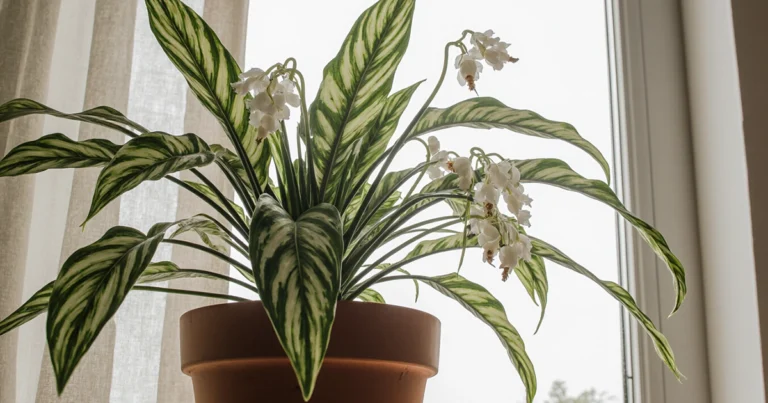
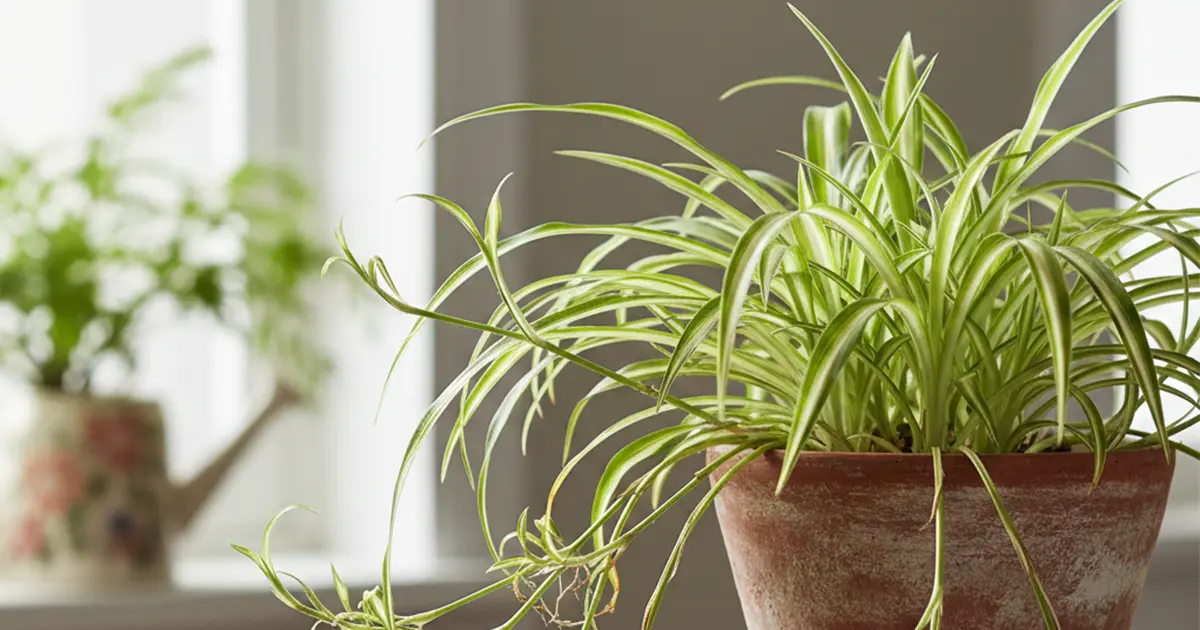
Chlorophytum comosum comes from South Africa. It has long, narrow leaves that grow in a rosette pattern. They also produce white, star-shaped flowers on long stems.
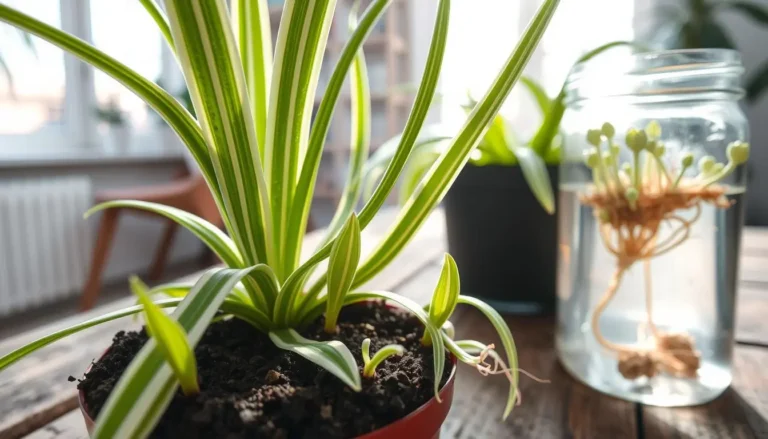
These plants are famous for their spiderettes, or baby plants. These can be easily shared or used to grow more plants.
Natural Habitat and Growth Habits
Spider plants thrive in shaded, moist areas. They can survive with little direct sunlight, perfect for indoor spaces. In their natural home, they are perennials. But, they are often grown as annuals or houseplants in cooler places.
Benefits of Growing Spider Plants Indoors
Spider plant bring many benefits when grown indoors. They help purify the air by removing toxins and pollutants. This makes the indoor environment healthier.
They are also easy to share or expand your indoor garden. This is thanks to their easy propagation method.
Popular Spider Plant Varieties
Chlorophytum comosum offers a wide range of spider plant varieties. These plants can match any taste or decor. Whether you love striking patterns or unique textures, there’s a spider plant for you.
Chlorophytum comosum ‘Vittatum’ (Variegated Spider Plant)
This variety is famous for its white stripes on the leaves. It adds a beautiful touch to any room. The variegation also shows the plant’s health and energy.
Chlorophytum comosum ‘Bonnie’ (Curly Spider Plant)
‘Bonnie’ has curly, twisted leaves. It brings a fun and unique texture to your space. It’s perfect for adding whimsy to your indoor garden.
Solid Green Spider Plant Varieties
For a sleek look, try solid green spider plant. They offer a calm, elegant vibe. These plants are easy to care for and fit well with any decor.
Rare and Unusual Cultivars
There are also rare and unique Chlorophytum comosum varieties. These plants can spark interesting conversations. They add a special touch to your indoor garden.
| Variety | Description | Care Requirements |
| ‘Vittatum’ | Variegated leaves with white stripes | Bright, indirect light; moderate watering |
| ‘Bonnie’ | Curly, twisted leaves | Similar to ‘Vittatum’; adaptable to various lighting |
| Solid Green | Uniform green foliage | Easy to care for; tolerates a range of conditions |
Light Requirements for Healthy Growth
Knowing what light your spider plants need is key for their health. Spider plants can grow well in different light conditions. But, they still need the right amount of light to thrive.
Ideal Light Conditions
Spider plant love bright, indirect light. Direct sunlight can burn their leaves. An east- or west-facing window is perfect for them, offering the right amount of light.
If you can’t give them bright, indirect light, they can still do okay in low light. But, they might grow slower.
Signs of Inadequate Light
Not enough light can show in a few ways. You might see:
- Leggy growth: The plant stretches, making stems long and thin.
- Pale leaves: Leaves turn pale or washed out without enough light.
- Reduced plantlets: Spider plant make fewer plantlets or spiderettes without enough light.
Seasonal Light Adjustments
As seasons change, so do your spider plants’ light needs. Moving them around with the seasons helps them get the right light.
Summer Light Management
In summer, move spider plants outdoors to a shaded spot or under a tree. This gives them bright, indirect light safely. If indoors, keep them away from direct sunlight, which can be too strong.
Winter Light Supplementation
In winter, days are shorter and light is weaker. If your spider plant isn’t getting enough natural light, use grow lights. This keeps them healthy and growing.
| Season | Light Requirements | Recommended Placement |
| Summer | Bright, indirect light | Outdoors in a shaded area or under a tree |
| Winter | Supplemental lighting may be needed | Indoors with grow lights if necessary |
| Spring/Fall | Bright, indirect light | East- or west-facing window |
Watering Your Spider Plants Correctly
Getting the watering right is key for your spider plants’ health. They need the right amount of moisture to grow well. Spider plants are adaptable, but they still have specific watering needs.
Watering Frequency and Amount
Spider plants like moist soil but not too wet. How often you water depends on your home’s humidity and temperature. Water when the top inch of soil feels dry.
In spring and summer, when they grow fast, they need more water.
Signs of Overwatering and Underwatering
Too much water can cause root rot. Not enough water makes leaves dry and brittle. Look for yellow leaves (too much water) or brown tips (not enough).
Adjust your watering to keep your plant balanced.
Water Quality Considerations
The water quality affects your spider plant’s health. Tap water often has chemicals that can harm them.
Tap Water Concerns
Tap water has chlorine and fluoride. These can build up in the soil and harm your plants. Let tap water sit for 24 hours to reduce these chemicals.
Alternative Water Sources
Filtered or rainwater is a better choice. These are free from tap water’s chemicals, safer for your plants.
By focusing on your spider plant’s watering needs, you can keep it healthy and thriving.
Soil, Potting, and Repotting Guidelines
To keep your spider plant thriving, it’s key to understand soil, potting, and repotting. The right mix of these can greatly affect your Chlorophytum comosum‘s health and energy.
Best Soil Types for Spider Plants
Spider plants love well-draining soil to avoid waterlogged conditions. Use a mix made for indoor plants, with peat moss, perlite, or vermiculite. This ensures good drainage and aeration. Don’t use regular garden soil, as it can compact and harm root growth.
Choosing the Right Pot Size and Material
The pot should be just a bit bigger than the plant’s roots. A too-large pot can make the soil too wet, leading to root rot. Terra cotta pots are great because they let air and moisture in. But, plastic pots work too if you watch the moisture closely.
When and How to Repot
Repot your spider plant every 1-2 years in spring when it’s pot-bound. Pick a pot that’s only one size up. Carefully remove the plant, avoiding root damage. Trim dead or circling roots before repotting to help growth.
Root Management During Repotting
When repotting, check the roots and cut any that are dead, diseased, or circling. This stops circling and encourages growth. Use a mix that drains well and water thoroughly after repotting to settle the soil.
Temperature and Humidity Needs
To keep your spider plants thriving, it’s crucial to understand their temperature and humidity requirements. Spider plants are adaptable, but optimal conditions will promote healthier growth and more vibrant foliage.
Optimal Temperature Range
Spider plants prefer temperatures between 65°F to 75°F (18°C to 24°C). Temperatures below 55°F (13°C) or above 80°F (27°C) can cause stress to the plant. Keep your spider plants away from drafts, air conditioning vents, and heating radiators to maintain a stable temperature.
Humidity Requirements
While spider plants can tolerate average humidity levels found in most homes, they thrive in a relatively humid environment, typically between 40% to 60% relative humidity. You can increase humidity around your plants by placing the pot on a tray filled with water and pebbles or using a humidifier.
Creating Microclimate for Spider Plants
To create a favorable microclimate, group your plants together. This natural grouping can help maintain humidity and create a more stable environment. Avoid placing spider plants near cold windows or areas with significant temperature fluctuations.
Seasonal Adjustments
As seasons change, so do the temperature and humidity conditions in your home. During winter, keep spider plants away from cold windows, and consider using a humidifier to combat dry air. In summer, ensure good air circulation to prevent overheating.
Fertilizing and Nutrient Management
To keep your spider plants thriving, understanding how to fertilize them correctly is essential. Fertilization provides your plants with the necessary nutrients for healthy growth and development.
Types of Fertilizers to Use
For spider plants, a balanced, water-soluble fertilizer is recommended. You can opt for a general-purpose fertilizer with a 20-20-20 formula (nitrogen-phosphorus-potassium) or a fertilizer designed for indoor plants. Organic fertilizers, such as compost tea or fish emulsion, are also excellent options. They release nutrients slowly and promote soil health.
Fertilizing Schedule Through Seasons
Spider plants benefit from regular fertilization during the growing season, which typically spans from spring to early fall. Reduce fertilization during the winter months when the plant’s growth slows down. A monthly fertilization schedule is usually sufficient, but you may need to adjust based on your plant’s response and the specific fertilizer you’re using.
Signs of Nutrient Deficiencies
Nutrient deficiencies can manifest in various ways, including yellowing leaves, slow growth, or weak stems. If you notice these symptoms, consider adjusting your fertilization schedule or switching to a different fertilizer. Nitrogen deficiency is common and can cause older leaves to turn yellow.
Signs of Over-fertilization
Over-fertilization can be detrimental, causing burned roots, yellowing leaves, or even plant death. If you suspect over-fertilization, flush the soil with water to remove excess salts and reduce the frequency of fertilization. Always follow the instructions on the fertilizer package to avoid over-fertilizing.
Understanding the Spider Plant Flower
Chlorophytum comosum, or the spider plant, is amazing for its small, star-shaped flowers. These flowers are not just beautiful but also start a new chapter in the plant’s life. They lead to the growth of spiderettes.
Flowering Cycle and Triggers
The spider plant’s flowering cycle is affected by light, temperature, and maturity. A mature plant blooms in spring or summer with enough light. The flowers are white and star-like.
Caring for Flowering Spider Plants
When your spider plant flowers, keep it in the right conditions. It needs bright, indirect light and consistent watering. Don’t over-fertilize, as it takes energy from flowering.
From Flowers to Spiderettes
After the flowers fade, spiderettes grow on long stems. These are baby plants that help you propagate. Make sure your mother plant gets enough light and nutrients for healthy spiderettes.
Should You Remove Flower Stalks?
Whether to remove flower stalks is up to you. If you want more foliage or spiderettes, take them off. But if you like the flowers or want to grow new plants, leave them.
| Aspect | Description |
| Flowering Season | Spring or Summer |
| Flower Characteristics | Small, White, Star-shaped |
| Post-Flowering | Development of Spiderettes |
Propagation Methods for Spider Plants
Spider plants are easy to propagate, which is a big plus. This lets you share plants with loved ones and grow your indoor garden. They produce baby plants, or spiderettes, on their stems, making them simple to propagate.
Propagating from Spiderettes
Spiderettes are the main way to grow new spider plants. There are two main ways to do this:
- Water Propagation: Put the spiderette in a glass of water. Roots will grow in a few weeks.
- Direct Soil Planting: Plant the spiderette in a pot with good draining soil. Keep the soil wet until roots grow.
Water Propagation Method
The water method is popular because you can see the roots grow. Just put the spiderette in a glass of water, making sure the node is under water. Change the water every week to stop bacteria.
Direct Soil Planting Method
For direct soil, put the spiderette in a small pot with good draining mix. Water well and keep the soil moist but not too wet. This method helps avoid shock when moving the plant.
Division Method for Mature Plants
For older spider plants that are too big for their pots, division works well. Take the plant out of its pot and split the roots. Put each section in a new pot, water well, and care for them as usual.
Caring for New Spider Plant Babies
New spider plants need special care. Make sure they get bright, indirect light and water them regularly. Don’t fertilize too much until they’re strong.
By using these methods, you can grow more spider plants. Enjoy their beauty in your home or share them with others.
Can Spider Plants Live Outside?
Spider plants can grow well outside, but they need the right conditions. If you want to move your spider plant outside, know what it needs and the challenges it might face.
Suitable Outdoor Growing Zones
Spider plants do best in USDA Hardiness Zones 9-11. These zones have temperatures above 40°F (4°C) all year. In cooler zones, they can go outside in warmer months but must come inside when it gets cold.
Transitioning Indoor Plants to Outdoors
To move your spider plant outside, start by placing it in a shaded area for a few hours a day. Slowly increase its sunlight over a week or two. This helps it adjust without shock.
Outdoor Care Requirements
Outdoor spider plants need more water because of the sun and wind. But, make sure the soil isn’t too wet. Feed them with a balanced fertilizer in spring and summer.
| Care Aspect | Indoor Care | Outdoor Care |
| Watering Frequency | Water when top inch of soil feels dry | Water more frequently, ensuring soil isn’t waterlogged |
| Fertilization | Fertilize during growing season | Fertilize with balanced fertilizer during spring and summer |
| Light Exposure | Bright, indirect light | Partial shade to full sun with acclimation |
Overwintering Considerations
In cooler zones, bring your spider plants inside before the first frost. Cut back the leaves to half to help the plant save energy. Keep the soil a bit moist but not too wet.
By understanding and meeting your spider plant’s needs outside, you can enjoy its beauty in a new place.
Conclusion: Enjoying Your Thriving Spider Plants
By following the guidelines and tips in this guide, you’ll be on your way to having healthy, thriving Chlorophytum comosum, or spider plants. With the right care, you can enjoy their beauty and benefits for years.
Spider plants are easy to care for and great for both new and experienced plant lovers. Knowing their light, watering, and fertilization needs helps create the perfect environment for them to grow.
Whether you want to grow new plants from spiderettes or just enjoy their look, growing spider plants is rewarding. With the right care, your Chlorophytum comosum will keep thriving, adding natural beauty to your home.
FAQ
How often should I water my spider plant?
Water your spider plant when the top inch of soil feels dry. This depends on your environment and the season.
Can I grow spider plants outside?
Yes, you can grow spider plants outside in the right zones. Choose shaded or partially shaded spots. Bring them inside when it gets frosty.
How do I propagate spider plants?
To propagate, remove spiderettes from the ends of stems. Plant them in water or soil. Or, divide mature plants.
What is the ideal temperature for spider plants?
Spider plants grow best in temperatures between 60°F to 80°F. This is ideal for their growth.
Why is my spider plant not producing flowers or spiderettes?
Lack of light, being too young, or stress can stop spider plants from flowering. Stress can come from too much or too little water.
How do I care for a flowering spider plant?
For a flowering spider plant, ensure it gets enough light, water, and nutrients. You can also remove flower stalks to promote leaf growth.
What kind of soil is best for spider plants?
Use a well-draining potting mix for spider plants. This prevents waterlogged soil and root rot.
Can I use tap water for my spider plant?
Tap water is okay, but it might have fluoride or chlorine. Use filtered or distilled water to protect your plant.
How often should I fertilize my spider plant?
Fertilize your spider plant in spring and summer. Use a balanced, water-soluble fertilizer as directed by the manufacturer.