Tips Before You Buy: What to Look for When Checking Snake Plants Near Me.
Are you struggling to find a low-maintenance, air-purifying plant that thrives indoors with minimal fuss, making you wonder about the perfect plant for your home or office? Many plant enthusiasts often overlook the subtle but significant details when searching for snake plants near me. This blog post will guide you through the essential aspects of selecting a healthy snake plant, ensuring you bring home a vibrant, thriving specimen ready to enhance your living space. We’ll explore everything from selection tips to advanced snake plant care tactics, giving you the edge in plant parenthood.
Table of Contents
Tools & Soil Requirements
To successfully cultivate a thriving snake plant, you’ll need the right foundation. For tools, a sturdy trowel for repotting, gardening gloves to protect your hands, and a watering can with a narrow spout are essential. When it comes to soil, snake plants demand a specific composition. They thrive in a well-draining potting mix, ideally one formulated for cacti and succulents. This typically includes a blend of peat moss, perlite, and coarse sand, creating a “loamy, well-draining soil” that prevents waterlogging, a common killer of snake plants. Climate is also a critical consideration; these resilient plants prefer warm, stable temperatures between 65-80°F (18-27°C) and can tolerate average household humidity. Understanding these basic needs before you even investigate **snake plants near me** sets you up for success.
Best Planting Season & Timing
Snake plants are incredibly forgiving, but there’s an optimal time to introduce them to your home or propagate them for the best results. The ideal time to plant or repot is during the active growing season, typically spring or early summer, when temperatures are consistently warm. This allows the plant to establish itself quickly and minimizes transplant shock. Unlike many plants, snake plants don’t “germinate” in the traditional sense from seeds; they are usually propagated from cuttings or division. Cuttings root within 4-8 weeks, a relatively fast turnaround that offers almost immediate gratification compared to many other houseplants. They reach maturity, showcasing their full impressive height and foliage, within 1-2 years with proper snake plant care.
Step-by-Step Planting Instructions
Here’s how to ensure your new snake plant gets the best start, whether you’re potting a new purchase or propagating:
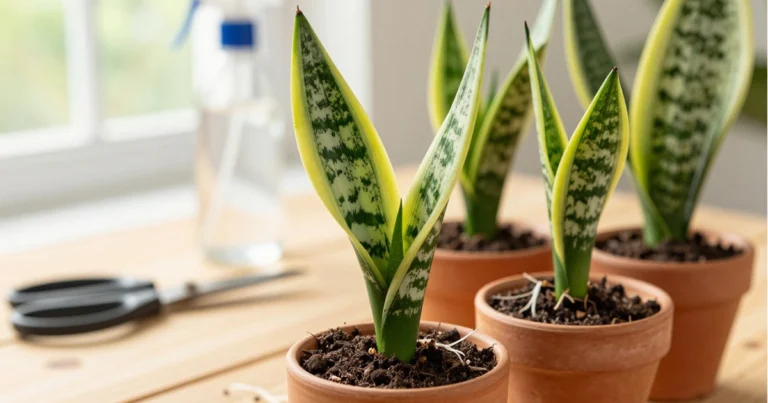
- Step 1: Choose the Right Pot: Select a pot with drainage holes to prevent root rot. Terracotta pots are excellent choices as they allow for better air circulation and wick away excess moisture. Aim for a pot that’s only slightly larger than the root ball.
- Step 2: Prepare the Soil: Fill the bottom of your chosen pot with your well-draining succulent or cactus mix. Don’t compact it too much; keep it airy.
- Step 3: Gentle Unpotting: Carefully remove your snake plant from its nursery container. If the roots are tangled, gently tease them apart. Avoid pulling too hard on the leaves.
- Step 4: Position and Plant: Center the plant in the new pot, ensuring the base of the plant is at the same level as it was in its original container. Fill around the root ball with more soil, leaving about an inch of space from the rim.
- Step 5: Initial Watering & Placement: Water thoroughly until water drains from the bottom. Then, place your newly potted snake plant in a location with bright, indirect light. Remember, when you’re looking for snake plants near me, a healthy root system is paramount.
Plant Care Essentials
Once your snake plant is settled, consistent but minimal snake plant care is key:
- Water Needs: Erring on the side of underwatering is always better. Water only when the soil is completely dry, typically every 2-4 weeks, depending on light and humidity. In winter, reduce watering significantly.
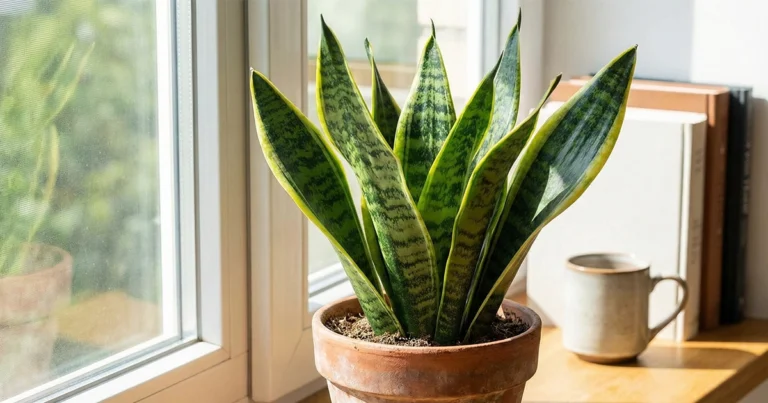
- Sunlight Requirements: While they tolerate low light, snake plants thrive in bright, indirect light. Direct, scorching sun can scorch their leaves, while too little light can stunt their growth. A north or east-facing window is often ideal.
- Temperature Tolerance: These plants are happiest in stable household temperatures, ideally between 65-80°F (18-27°C). They are not frost-hardy and should be protected from temperatures below 50°F (10°C).
- Fertilization: Fertilize sparingly, usually once during the growing season (spring/summer) with a balanced liquid houseplant fertilizer diluted to half strength. Over-fertilizing can harm the plant.
Best Varieties & Companion Plants
When searching for snake plants near me, you’ll likely encounter several captivating varieties:
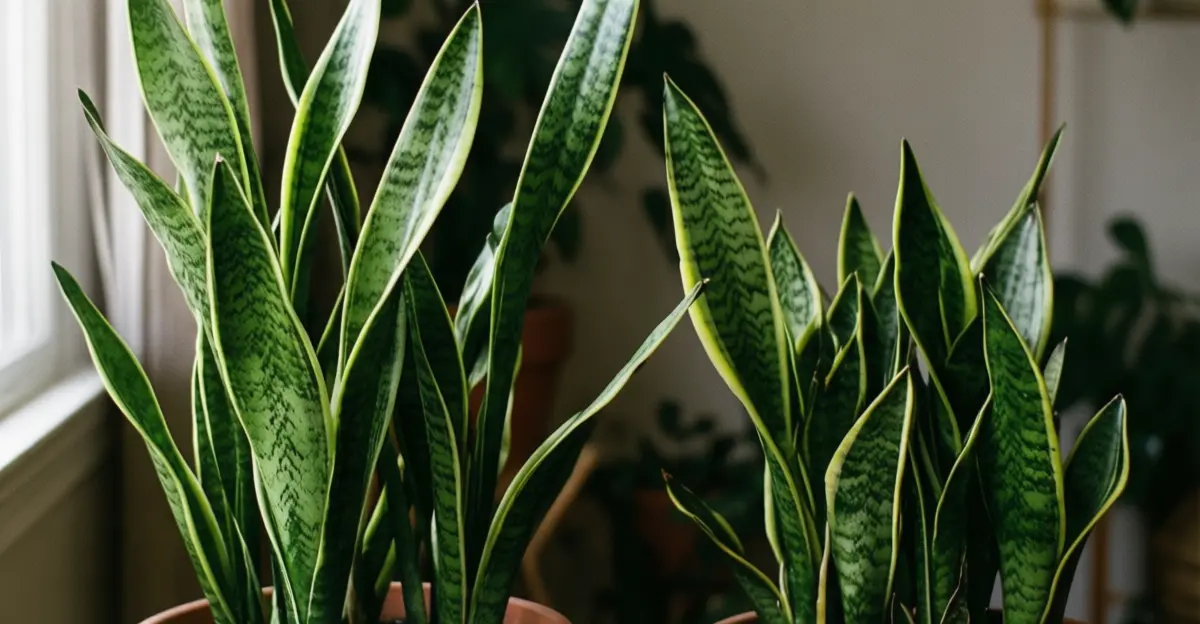
- Sansevieria trifasciata ‘Laurentii’: The classic, known for its yellow variegated edges and upright growth.
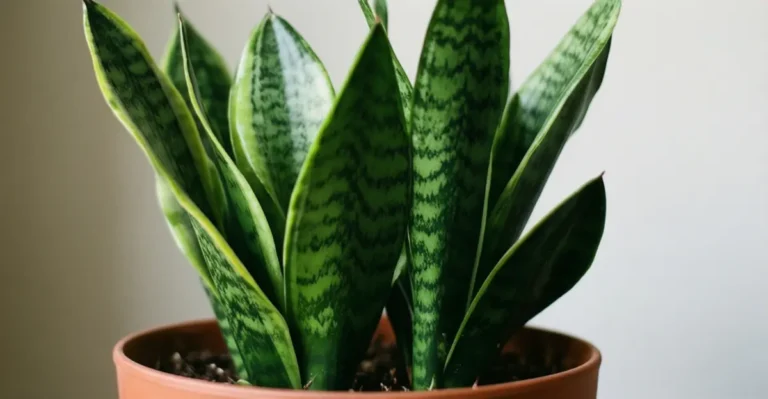
- Sansevieria trifasciata ‘Zeylanica’: Features wavy band patterns and a darker green hue.
- Sansevieria trifasciata ‘Hahnii’ (Bird’s Nest Snake Plant): A compact, rosette-forming variety perfect for small spaces.
- Sansevieria cylindrica: Distinctive, round, spear-like leaves that can be braided.
For companion planting, especially in larger containers or indoor garden layouts, consider plants with similar low-water needs, such as ZZ plants, Pothos, or even some smaller cacti. Their shared requirements make for a harmonious and low-maintenance display, creating a mini-ecosystem in your home!
Landscape Uses & Harvest Tips
While not edible, snake plants offer incredible versatility in interior design. Their striking, architectural form makes them perfect for:
- Statement Pieces: A large ‘Laurentii’ can be a focal point in a minimalist living room.
- Borders: Smaller ‘Hahnii’ varieties can create stunning, low-growing borders in indoor plant arrangements.
- Containers: They excel in decorative pots, adding vertical interest to shelves, desks, or corners.
- Air Purifiers: NASA studies famously highlight their ability to remove toxins like formaldehyde and benzene from the air, making them a functional and beautiful addition to any room.
Harvesting, in the context of snake plants, refers to propagation. You can easily “harvest” a leaf cutting and propagate it to create new plants, expanding your collection or sharing with friends!
Common Pests & Diseases to Avoid
Snake plants are remarkably pest-resistant, but issues can arise, often due to overwatering:
- Root Rot: The most common problem, caused by excessive moisture. Symptoms include mushy stems and yellowing leaves. Prevent by ensuring excellent drainage and appropriate watering.
- Mealybugs & Spider Mites: Rare, but can appear if the plant is stressed. Treat by wiping affected areas with a cotton swab dipped in rubbing alcohol or using a horticultural oil spray.
- Fungal Leaf Spots: Can occur in overly humid conditions. Ensure good air circulation and avoid overhead watering.
The best defense is good snake plant care – proper watering and light will keep most issues at bay.
Seasonal Maintenance & Overwintering
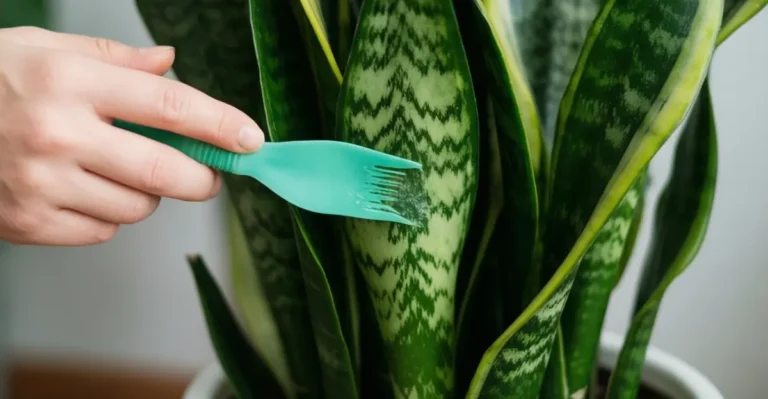
Snake plants require minimal seasonal adjustments. During their active growing phase (spring and summer), ensure consistent light and limited fertilization. As winter approaches, significantly reduce watering, as the plant’s metabolic rate slows down. They do not require overwintering in the traditional sense, as they are tropical plants grown mostly indoors. Just ensure they are not exposed to cold drafts or temperatures below their tolerance. Regular dusting of the leaves with a damp cloth helps them breathe and photosynthesize effectively, contributing to their longevity and vibrant appearance.
Conclusion
Finding the perfect snake plants near me is more than just locating a nursery; it’s about making an informed decision, understanding the nuances of their health, and committing to their simple yet specific care requirements. With the insights shared here, you’re well-equipped to select a magnificent specimen and provide it with the snake plant care it needs to thrive. So, go ahead, embrace the power of this resilient, air-purifying wonder.
Are you ready to transform your space with the elegance of a snake plant? Share your newly acquired beauties or gardening tips in the comments below, or click here to explore more incredible plant care guides!
FAQs
Q1: How do I know if my snake plant is getting too much water?
A1: The most common sign is mushy, yellowing leaves at the base of the plant. The soil will also feel constantly damp. Always let the soil dry out completely between waterings.
Q2: Can snake plants really purify the air?
A2: Yes! NASA studies have shown snake plants effectively remove toxins like formaldehyde, benzene, and trichloroethylene from the air, making them excellent natural air purifiers.
Q3: What’s the best way to propagate a snake plant?
A3: The easiest way is via leaf cuttings. Cut a healthy leaf into 2-3 inch sections, let them callous over for a few days, then plant them in well-draining soil or place them in water until roots form.
Q4: My snake plant leaves are drooping. What’s wrong?
A4: Drooping can be a sign of both overwatering (leading to root rot) or severe underwatering. Check the soil moisture first. If it’s soggy, you’re overwatering. If it’s bone dry for a long time, it needs a drink.
Q5: Do snake plants need a lot of light?
A5: While they tolerate low light, they thrive in bright, indirect light. More light generally leads to faster growth and more vibrant foliage, but direct, harsh sunlight should be avoided.