Essential Tips for Growing Basil Indoor
You can enjoy fresh basil yearround by growing it indoors. This fragrant herb is a staple in many cuisines, particularly Italian and Thai cooking. By cultivating basil indoors, you can have a constant supply of this versatile ingredient, enhancing your dishes with its distinct flavor and aroma.
Growing basil indoors offers several benefits, including protection from pests and harsh weather conditions. It also allows you to control the environment, ensuring optimal conditions for the plant’s growth. In this article, we will guide you through the process of how to grow basil indoors, providing you with the necessary tips and techniques to succeed.
Table of Contents
The Benefits of Indoor Basil Cultivation
Growing basil indoors offers numerous benefits that can enhance your culinary experience. By cultivating basil indoors, you can enjoy fresh herbs year-round, regardless of the outdoor weather conditions.
Year-Round Fresh Herbs at Your Fingertips
Having an indoor basil garden means you can harvest fresh basil 12 months a year. This is particularly beneficial for those who use basil frequently in their cooking. With indoor cultivation, you’re not limited by seasonal changes or weather conditions.
Space-Saving Solution for Apartment Dwellers
Indoor basil gardening is an excellent option for apartment dwellers or those with limited outdoor space. It allows you to make the most of your available space, even on a balcony or windowsill.
Protection from Outdoor Pests and Weather
Growing basil indoors also protects your plants from outdoor pests and harsh weather conditions. This reduces the need for pesticides and other chemicals, making your herb gardening experience more sustainable.
Best Basil Varieties for Indoor Growing
When it comes to growing basil indoors, selecting the right variety is crucial for a successful harvest. Different basil varieties offer unique flavors, aromas, and growing characteristics that can significantly impact your indoor gardening experience.
Genovese Basil: The Classic Italian Variety
Genovese basil is a popular choice among indoor gardeners due to its classic Italian flavor and aroma. It’s perfect for making traditional pesto and adds a fresh twist to various Italian dishes. This variety is relatively easy to grow indoors, requiring moderate light and consistent watering.
Thai Basil: Adding Exotic Flavor to Your Kitchen
Thai basil brings an exotic flavor profile to your indoor herb garden. With its distinctive anise or licorice flavor, it’s a staple in Thai cuisine and can elevate dishes like curries and stir-fries. Thai basil prefers brighter light and well-draining soil, making it a great choice for indoor containers.
Greek Basil: Compact and Flavorful
Greek basil is a compact variety that’s ideal for small indoor spaces. It has a robust flavor and aroma, similar to Genovese basil, but grows in a more compact form. This makes it perfect for indoor pots and containers where space is limited.
Specialty Varieties: Purple Basil and Lemon Basil
For those looking to add some variety to their indoor herb garden, specialty basils like Purple and Lemon Basil are excellent choices. Purple basil adds a decorative element with its deep purple leaves, while Lemon Basil offers a unique citrusy flavor. These varieties can add a new dimension to your cooking and are relatively easy to care for indoors.
By choosing the right basil variety for your indoor garden, you can enjoy a continuous supply of fresh herbs year-round. Whether you’re a seasoned gardener or just starting out, growing basil indoors is a rewarding experience that can elevate your cooking and add freshness to your home.
Essential Supplies for Growing Basil Indoors
For a thriving indoor basil garden, certain supplies are indispensable. To ensure your basil plants grow healthy and robust, you’ll need to select the right containers, a quality potting mix, and appropriate lighting equipment.
Containers and Pots: Size and Material Matters
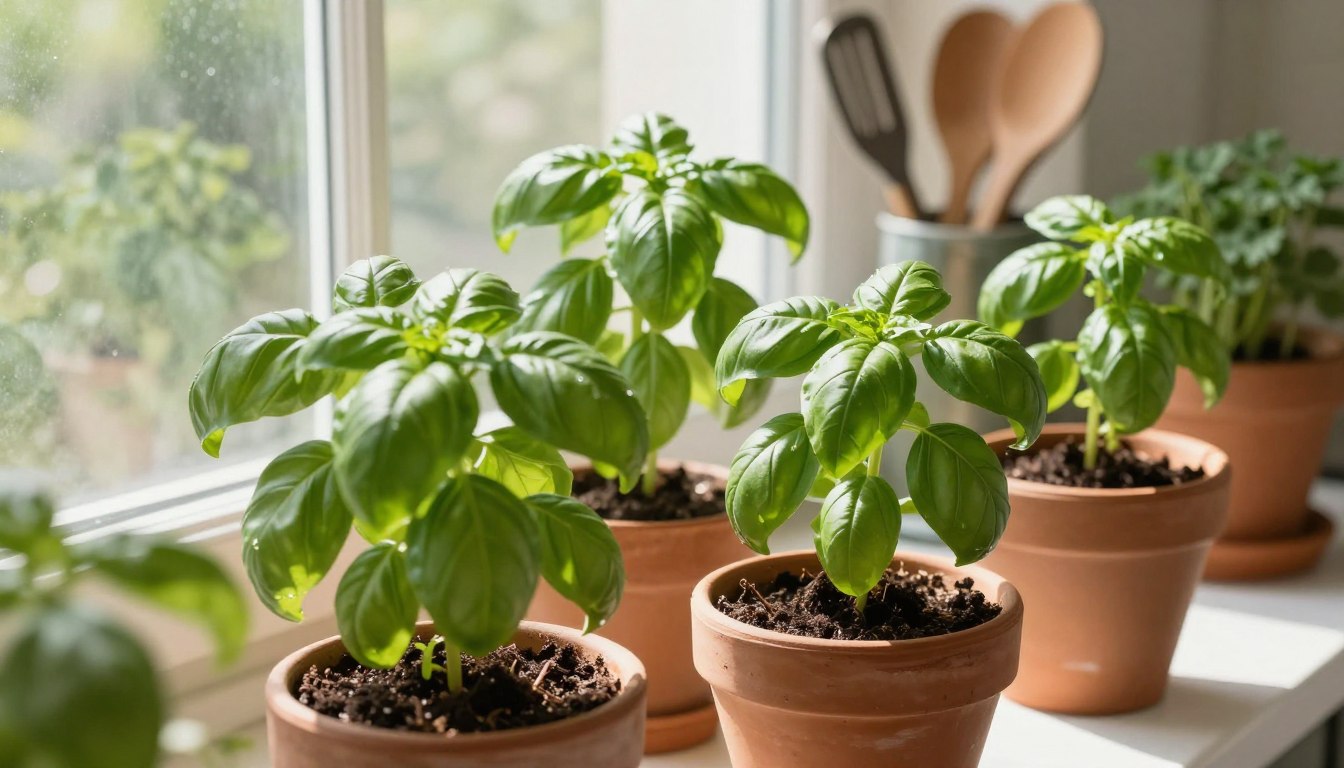
When it comes to growing basil in containers, the size and material of the pot are crucial. Choose containers that are at least 6-8 inches deep to allow for adequate root growth. Terra cotta pots are a popular choice because they are breathable and help regulate soil moisture. However, they can dry out quickly, so you may need to water more frequently.
Quality Potting Mix for Herbs
A welldraining potting mix is essential for basil plant care indoors. Avoid using regular garden soil, as it can compact and prevent proper drainage. Instead, opt for a high-quality potting mix specifically designed for herbs or indoor plants. These mixes usually contain ingredients like perlite or vermiculite that enhance drainage and aeration.
Lighting Equipment Options
Adequate lighting is vital for indoor basil cultivation. You have several options to consider:
- LED Grow Lights: Energy-efficient and producing minimal heat, LED grow lights are an excellent choice for indoor gardening.
- Fluorescent Options: Both T5 and T8 fluorescent lights are popular for indoor gardening due to their affordability and effectiveness.
LED Grow Lights
LED grow lights are highly efficient and can be placed close to plants without causing damage. They come in various spectrums, so choose one that is suitable for leafy greens and herbs.
Fluorescent Options
Fluorescent lights, such as T5 and T8, are another viable option. They are generally more affordable than LED lights and still provide the necessary spectrum for healthy basil growth.
Setting Up Your Indoor Basil Garden
Indoor basil gardening begins with choosing the perfect spot and preparing your containers. To ensure a thriving indoor herb garden, follow these essential steps.
Choosing the Perfect Location
When selecting a location for your indoor basil garden, consider the amount of natural light available. Basil requires at least 4-6 hours of direct sunlight per day. If this isn’t possible, consider using grow lights as a supplement. Additionally, choose a spot that is away from drafts and extreme temperatures, as basil prefers a consistent temperature between 65-75°F (18-24°C).
Preparing Your Containers
Preparing your containers involves selecting the right size and material. Ensure your containers have drainage holes to prevent waterlogged soil. A well-draining potting mix is also crucial for healthy root development. Consider using containers that are at least 6-8 inches deep to give your basil roots room to grow.
| Container Material | Pros | Cons |
| Terracotta | Good drainage, aesthetically pleasing | Can dry out quickly, prone to cracking |
| Plastic | Retains moisture, lightweight | Less breathable, may require more drainage holes |
Creating a Maintenance Schedule
To keep your indoor basil garden thriving, establish a regular maintenance routine. This includes watering your basil when the top inch of soil feels dry, fertilizing every 2-3 weeks, and pruning regularly to encourage bushy growth. As Rodale’s Ultimate Guide to Gardening suggests, “Consistency is key when it comes to caring for your indoor herbs.”
“The key to successful indoor gardening is not just about providing the right conditions but also about maintaining a consistent care routine.”
– Jane Doe, Indoor Gardening Expert
By following these steps and maintaining a consistent care routine, you’ll be on your way to enjoying fresh, fragrant basil year-round as part of your indoor herb growing guide.
Lighting Requirements for Growing Basil Indoors
Lighting is a critical factor in indoor basil gardening, directly impacting the plant’s health and productivity. Basil requires a significant amount of light to grow well, and understanding the lighting needs is crucial for a successful indoor garden.
Natural Light Options and Window Placement
For optimal growth, basil needs bright light. Placing your basil plants near a south-facing window is ideal, as it provides the most natural light. East- or west-facing windows are also suitable, offering several hours of direct sunlight. However, it’s essential to avoid placing basil in a north-facing window, as it receives insufficient light for healthy growth.
Artificial Lighting Solutions
If natural light is limited, artificial lighting can supplement or replace natural light. LED grow lights are a popular choice for indoor gardening due to their energy efficiency and ability to emit specific light spectra that promote plant growth. Fluorescent lights, particularly T5 and T8 models, are also effective for growing basil indoors.
Light Duration and Intensity for Optimal Growth
Basil generally requires 12-14 hours of light per day for optimal growth. The intensity of the light also matters; basil needs bright light to photosynthesize effectively. Adjusting the distance between the light source and the plant is crucial to prevent burning the leaves.
Summer vs. Winter Light Needs
During summer, natural light is more abundant, and you might need to adjust your artificial lighting accordingly. In contrast, winter months require more supplemental lighting due to shorter days and less intense sunlight.
Signs of Inadequate Lighting
If your basil is not receiving enough light, it may become leggy, with elongated stems and sparse leaves. Yellowing leaves can also indicate insufficient light. Monitoring your plant’s response to lighting conditions and making adjustments as needed is key to maintaining healthy basil.
Soil and Container Selection for Indoor Herbs
For indoor basil to flourish, it’s essential to select the right soil and container. The right combination provides your plants with the necessary nutrients, water, and aeration for healthy growth.
Ideal Soil Composition for Basil
The ideal soil for basil should be well-draining and rich in organic matter. A mix specifically designed for herbs or indoor plants usually contains the right balance of nutrients. You can also create your own mix using peat moss, perlite, and vermiculite. This combination ensures good drainage and aeration, which are crucial for preventing root rot.
Container Size and Material Considerations
Choosing the right container is just as important as the soil. Basil needs a container that is at least 6-8 inches deep to allow for proper root growth. The material of the container can affect the soil temperature and moisture levels. Terracotta pots are popular because they are breathable and help regulate soil moisture. However, they can dry out quickly, so you may need to water more frequently.
Drainage Solutions for Indoor Plants
Proper drainage is crucial to prevent waterlogged soil, which can lead to root rot. Ensure your container has drainage holes at the bottom. You can also add a layer of small rocks or broken pottery at the bottom of the container to improve drainage. This helps prevent the soil from washing away and ensures that excess water can escape.
| Container Material | Breathability | Moisture Retention |
| Terracotta | High | Moderate |
| Plastic | Low | High |
| Ceramic | Moderate | High |
Watering Techniques for Indoor Basil
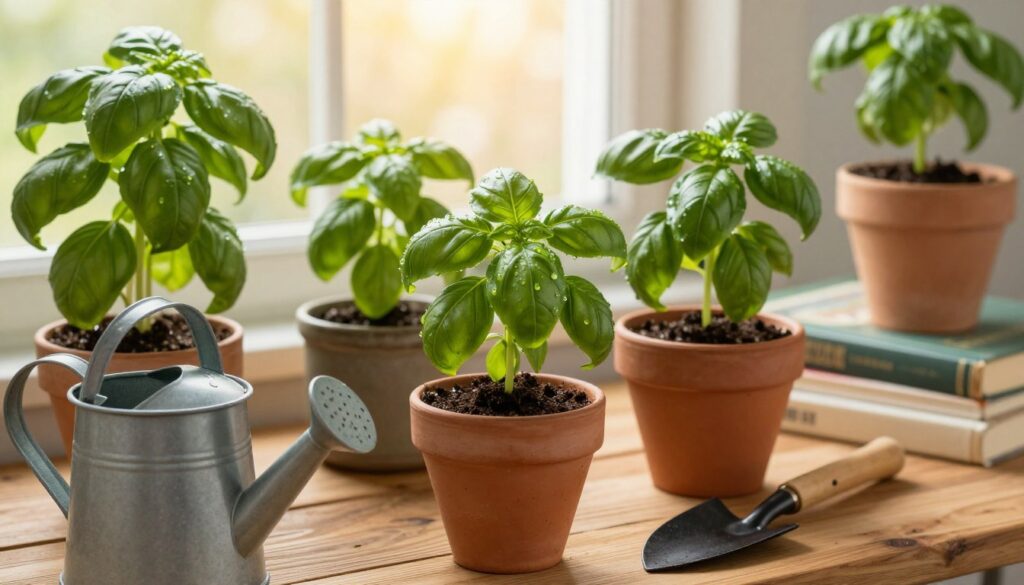
To keep your indoor basil flourishing, understanding its watering needs is essential. Watering is a critical aspect of growing herbs at home, and indoor basil is no exception. Proper watering techniques will help you enjoy a healthy and productive indoor herb garden.
Establishing the Right Watering Frequency
The frequency of watering your indoor basil depends on several factors, including the size of the pot, the ambient temperature, and the humidity level. As a general rule, check the soil moisture by inserting your finger into the soil up to the first knuckle. If the soil feels dry, it’s time to water. Adjusting your watering schedule based on these observations is a valuable indoor herb garden tip.
Recognizing Signs of Improper Watering
Both overwatering and underwatering can be detrimental to your indoor basil. It’s crucial to recognize the signs of improper watering to adjust your watering schedule accordingly. Keep an eye out for changes in leaf color and plant posture.
Overwatering Symptoms
Overwatering can lead to root rot and other problems. Signs include yellowing leaves, droopy stems, and a soft, mushy stem base. If you notice these symptoms, reduce the frequency of watering immediately.
Underwatering Indicators
Underwatering can cause stress to the plant, leading to wilted leaves and slow growth. Check for dry soil and adjust your watering frequency. Remember, it’s easier to recover from underwatering than overwatering.
Water Quality and Temperature Considerations
Use room temperature water to avoid shocking the roots. Consider using filtered water if your tap water is high in minerals or chlorine. This simple practice can significantly improve the health of your indoor basil, contributing to successful growing herbs at home.
Step-by-Step Guide to Growing Basil Indoors
Learning how to grow basil indoors is easier than you think, and it’s a great way to enhance your cooking. With a few simple steps, you can enjoy fresh, fragrant basil leaves right in your own home.
Starting Basil from Seeds Indoors
Starting basil from seeds indoors is a cost-effective way to begin your basil cultivation journey. To do this, you’ll need a seed starting mix, small pots or cell trays, and a warm location with adequate light.
Germination Process
The germination process typically takes 7-10 days. Keep the soil consistently moist but not waterlogged, and maintain a temperature between 70-80°F (21-27°C) for optimal results.
Seedling Care
Once your basil seedlings emerge, ensure they receive sufficient light. If necessary, supplement with grow lights to prevent leggy growth. Keep the soil moist and fertilize with a balanced, water-soluble fertilizer once the seedlings have two sets of leaves.
Propagating from Cuttings
Propagating basil from cuttings is another effective method. Take 4-6 inch cuttings from a healthy basil plant, removing lower leaves and planting them in moist potting mix. Keep the soil warm and humid until roots develop.
Transplanting Store-Bought Basil Plants
If you prefer to start with a established plant, you can transplant store-bought basil into a larger container. Choose a pot that is at least 6-8 inches deep and use a well-draining potting mix. Water thoroughly and provide adequate light for continued growth.
Pruning and Maintenance for Bushy Growth
For a bushy and productive indoor basil plant, pruning and maintenance are key. Regular pruning not only shapes your basil plant but also encourages it to grow fuller and more robustly. By incorporating a few simple techniques into your indoor herb growing guide, you can significantly enhance the health and productivity of your basil.
Proper Pruning Methods and Timing
Pruning your basil plant regularly is crucial for its development. Start by removing any dead or damaged leaves to prevent the spread of disease. Pinch off the top sets of leaves to encourage branching, which leads to a bushier plant. It’s best to prune your basil in the morning when the plant is at its highest water content.
Techniques for Encouraging Lateral Growth
To promote lateral growth, focus on the following techniques:
- Pinch off flower buds as they form to direct the plant’s energy towards leaf production.
- Trim back leggy stems to encourage branching.
- Use a balanced fertilizer to support healthy growth.
By implementing these strategies, you’ll be able to enjoy a more robust and productive basil plant.
Preventing and Managing Flowering
Flowering can signal the end of a basil plant’s productive cycle. To manage flowering, regularly inspect your plant for flower buds and pinch them off. This technique, known as “topping,” encourages the plant to focus its energy on producing leaves rather than seeds.
Harvesting and Using Your Indoor Basil
The moment you’ve been waiting for – harvesting your indoor basil – is here. Harvesting your basil at the right time and using the correct techniques ensures you get the most flavor out of your indoor herb gardening essentials.
When growing basil indoors, timing is everything. Harvesting at the optimal moment preserves the delicate oils and flavors that make basil a staple in many cuisines.
When to Harvest for Maximum Flavor
For maximum flavor, harvest your basil just before it flowers. This is when the leaves are at their most aromatic and flavorful. Check your plants regularly, as the flowering stage can come quickly.
- Monitor your basil plants daily for signs of flowering.
- Harvest in the morning for the best flavor.
Proper Harvesting Techniques
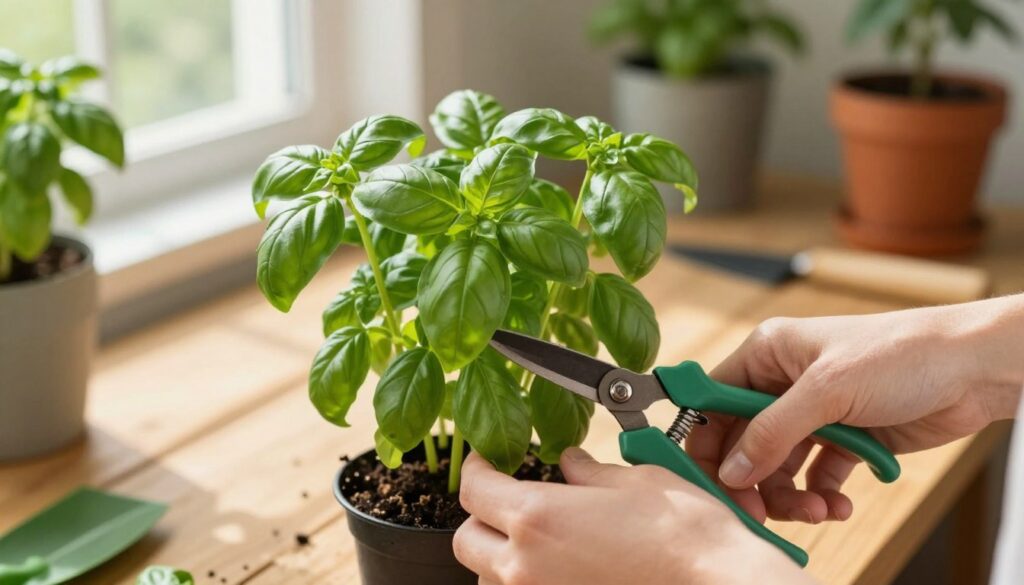
To harvest your basil, pinch or cut off the top sets of leaves just above a node. This technique encourages the plant to bush out, promoting more leaf growth. Regular harvesting also prevents the plant from flowering.
- Identify the node on the stem.
- Cut just above it to encourage new growth.
Storing and Preserving Fresh Basil
To store fresh basil, wrap the leaves in a damp paper towel and place them in a plastic bag in the refrigerator. You can also preserve basil by freezing it in ice cube trays with olive oil or water, or by drying it.
- Refrigerate fresh basil for short-term use.
- Freeze or dry basil for longer preservation.
Troubleshooting Common Indoor Basil Problems
As you grow basil indoors, you may encounter several common issues that can affect its health. Understanding these challenges and knowing how to address them is crucial for successful indoor basil care.
Identifying and Managing Pests
Indoor basil can be susceptible to pests like aphids and spider mites. These tiny creatures can cause significant damage to your plants.
Aphids and Spider Mites
Aphids are small, soft-bodied insects that feed on plant sap, while spider mites are tiny, spider-like insects that cause yellowing or bronzing of leaves. To manage these pests, inspect your plants regularly and isolate infested plants to prevent the infestation from spreading.
Natural Pest Control Methods
For a more natural approach, consider using neem oil or insecticidal soap. These products can help control aphid and spider mite populations without harming your basil.
Preventing and Treating Diseases
Diseases can also be a significant problem when growing basil indoors. Fungal and bacterial issues are common and can be devastating if not addressed promptly.
Fungal Issues
Fungal diseases often result from overwatering, which leads to root rot or leaf spot. Ensure good air circulation around your plants and avoid getting water on the leaves to prevent fungal issues.
Bacterial Problems
Bacterial diseases can cause black spots or blight on basil leaves. Remove affected leaves, and ensure your plants have enough space for air to circulate, reducing the risk of bacterial problems.
Addressing Nutrient Deficiencies
Nutrient deficiencies can impact the health and flavor of your indoor basil. Common deficiencies include lack of nitrogen, magnesium, or calcium. Use a balanced fertilizer to provide your basil with the necessary nutrients for healthy growth.
By understanding and addressing these common problems, you can enjoy a healthy and thriving indoor basil garden, ensuring a continuous supply of fresh herbs for your cooking needs.
Conclusion
Now that you’ve learned the essential tips for growing basil indoors, it’s time to start your indoor basil gardening journey. With the right variety, equipment, and care, you can enjoy fresh, fragrant basil year-round. Growing basil indoors is a rewarding experience, providing you with a constant supply of this versatile herb for your culinary creations.
By following the guidelines outlined in this article, you’ll be well on your way to becoming an expert in growing basil indoors. Remember to choose the best indoor herbs for your climate and preferences, and don’t be afraid to experiment with different varieties. With proper care and attention, your indoor basil garden will thrive, providing you with a bountiful harvest.
As you master the art of growing basil indoors, you’ll discover the joy of having fresh herbs at your fingertips. Whether you’re a seasoned gardener or a beginner, growing basil indoors is a great way to enhance your cooking and bring some greenery into your home. So, get started today and enjoy the many benefits of growing your own basil indoors, learning how to grow basil indoors is a skill that will reward you for years to come.
FAQ
How often should I water my indoor basil plant?
You should water your indoor basil plant when the top inch of soil feels dry to the touch, usually every 2-3 days, depending on the humidity and temperature of your environment.
What is the best type of basil to grow indoors?
Some popular varieties for indoor growing include Genovese, Thai, and Greek basil, which are compact, flavorful, and relatively easy to care for.
How much light does indoor basil need?
Indoor basil requires at least 4-6 hours of direct sunlight or 12-14 hours of indirect light per day, which can be supplemented with grow lights if necessary.
Can I use regular potting soil for my indoor basil?
While regular potting soil can work, a well-draining potting mix specifically designed for herbs is recommended to prevent waterlogged soil and root rot.
How do I prevent pests on my indoor basil?
Inspect your plants regularly, and use natural pest control methods like neem oil or insecticidal soap to manage infestations, and maintain good hygiene and air circulation.
How often should I fertilize my indoor basil?
You can fertilize your indoor basil with a balanced, water-soluble fertilizer once a month, taking care not to overfertilize, which can lead to weak growth.
Can I grow basil indoors year-round?
Yes, with the right conditions, including sufficient light, temperature, and care, you can grow basil indoors year-round, enjoying a continuous harvest.
How do I prune my indoor basil for bushy growth?
Regular pruning, pinching off flower buds, and trimming back leggy stems encourages bushy growth, promotes leaf production, and prevents the plant from flowering.