Benefits of Growing Lemon Bee Balm
Did you know that despite its vibrant flavor, medicinal uses, and undeniable beauty, lemon bee balm is frequently missed by home gardeners? This fascinating herb, also known as lemon mint monarda, offers a cornucopia of benefits, from attracting pollinators to providing a zesty aroma for culinary and aromatic applications. If you’ve been searching for a versatile, low-maintenance herb that elevates your garden and your senses, understanding the secrets to growing lemon bee balm is your next big step. Let’s dig into a comprehensive guide that will transform your gardening approach, whether you’re a beginner or a seasoned green thumb.
Table of Contents
Tools & Soil Requirements
Cultivating lemon bee balm doesn’t require a master gardener’s toolkit. Here’s a concise list of what you’ll need:
- Hand Trowel or Small Shovel: For digging planting holes.
- Gardening Gloves: To protect your hands.
- Watering Can or Hose: For consistent moisture.
- Pruning Shears: For harvesting and shaping.
- Soil: Lemon bee balm thrives in loamy, well-draining soil with a pH between 6.0 and 7.0. Aim for soil that feels rich and crumbly, indicating good aeration and organic matter. Avoid heavy clay soils that retain too much moisture, as this can lead to root rot.
- Compost or Organic Matter: To enrich the soil and improve drainage.
This resilient herb adapts to various climates, preferring USDA Hardiness Zones 4-9. It performs optimally in full sun to partial shade, meaning it needs at least 6 hours of direct sunlight daily for robust growth, but can tolerate some afternoon shade in hotter climates.
Best Planting Season & Timing
Timing is crucial for a successful lemon bee balm crop!
- Spring: The ideal time to plant lemon bee balm is in spring, after the last frost date, when soil temperatures have warmed up. This gives the plants ample time to establish before the summer heat.
- Fall: You can also plant in early fall in warmer climates, allowing roots to establish before winter dormancy.
- Germination Time: Seeds typically germinate in 7-10 days, which is approximately 20% faster than many other perennial herbs, making it a satisfying choice for eager gardeners.
- Time to Maturity: From seed to a harvestable plant, expect about 60-90 days. For established plants, you’ll likely enjoy blooms and a robust harvest by mid-summer of their first growing season.
Step-by-Step Planting Instructions
Whether you’re starting from seed or transplanting, here’s how to ensure your lemon bee balm flourishes:
1. Prepare Your Planting Site
Choose a location that meets the sun and soil requirements. Dig the soil to a depth of 8-10 inches, incorporating 1-2 inches of compost or well-rotted manure. This improves drainage and nutrient availability, setting the stage for healthy growth. If planting in a container, select one with good drainage holes and use a high-quality potting mix.
2. Planting Seeds
Sow lemon bee balm seeds directly outdoors in spring (after the last frost) or start them indoors 6-8 weeks before the last frost. Plant seeds ¼ inch deep and about 6-12 inches apart. Lightly cover with soil and water gently. For indoor starts, transplant once seedlings have developed a few sets of true leaves and the threat of frost has passed.
3. Planting Transplants
Dig a hole as deep as the root ball and twice as wide. Carefully remove the plant from its container, gently loosen any encircling roots, and place it in the hole, ensuring the top of the root ball is level with the soil surface. Backfill with enriched soil, lightly firming it around the base of the plant.
4. Initial Watering
After planting, water thoroughly to settle the soil around the roots. This helps eliminate air pockets and provides essential moisture for initial establishment.
Plant Care Essentials
Consistent care ensures your lemon bee balm remains healthy and productive:
- Water Needs: While somewhat drought-tolerant once established, lemon bee balm prefers consistently moist soil, especially during dry spells and in its first growing season. Aim for about 1 inch of water per week, either from rainfall or irrigation. Overwatering can lead to fungal issues, so ensure good drainage!
- Sunlight Requirements: Full sun (6+ hours daily) is best for vigorous growth and abundant blooms, but it can tolerate partial shade, particularly in hotter climates where afternoon shade can prevent leaf scorch.
- Temperature Tolerance: Thrives in moderate temperatures. It is hardy down to USDA Zone 4 (-30°F to -20°F) and can withstand summer heat up to Zone 9 (20°F to 30°F), preferring consistent moisture in hotter regions.
Best Varieties & Companion Plants
Explore these outstanding lemon bee balm varieties and beneficial companions:
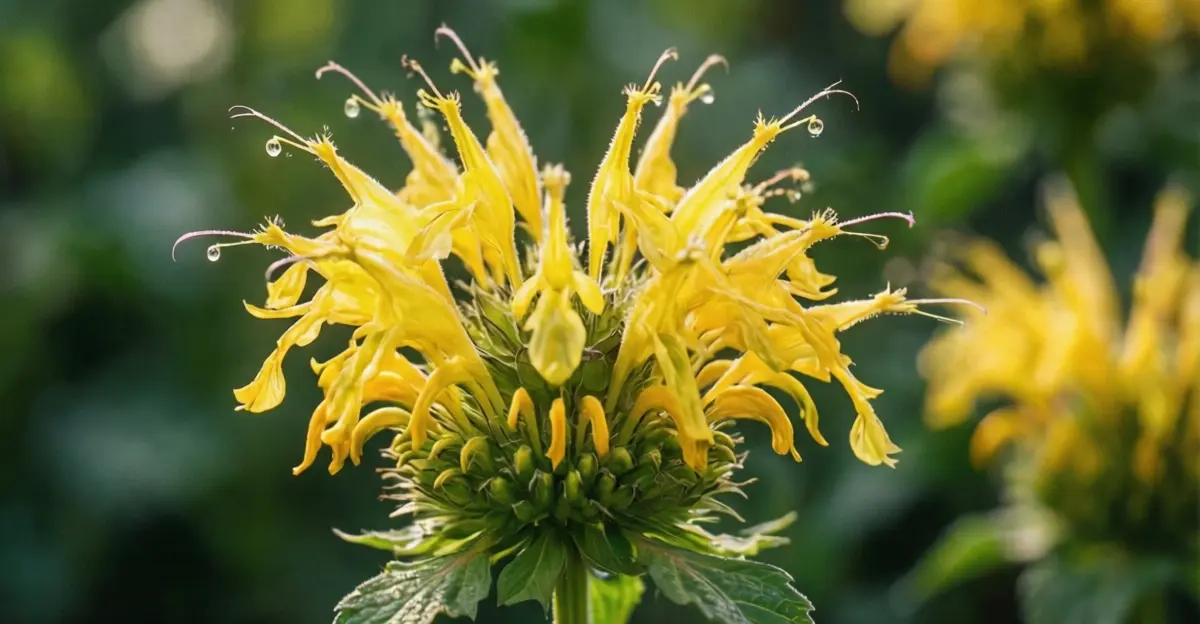
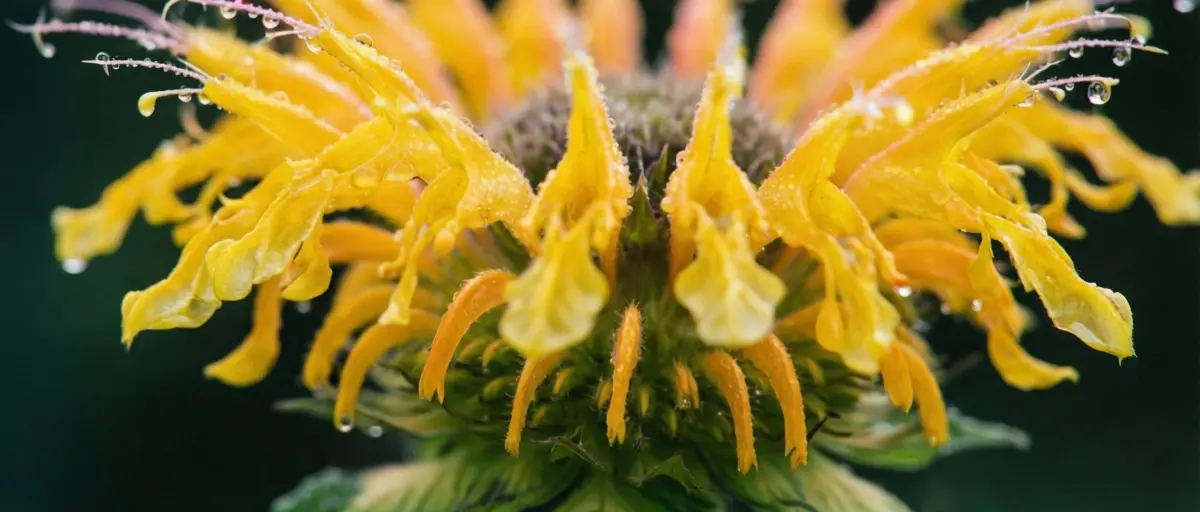
- ‘Lemon Mint’ (Monarda citriodora): This is the classic lemon mint monarda, known for its strong lemony scent and beautiful lavender-pink flowers. It’s robust and makes a fantastic addition to any herb garden.
- ‘Bergamo®’ series: While not strictly lemon-scented, these Monarda didyma hybrids offer incredible disease resistance (especially to powdery mildew) and vibrant flower colors perfect for attracting pollinators.
- Companion Plants: Plant lemon bee balm alongside tomatoes, peppers, and broccoli as its strong aroma can deter common pests. It also attracts beneficial insects like bees, butterflies, and hummingbirds, making it a fantastic companion for flowering annuals and perennials, enhancing overall garden biodiversity. Consider pairing it with coneflowers, salvia, or cosmos for a stunning visual display.
Landscape Uses & Harvest Tips
Make the most of your lemon bee balm in both design and utility:
- Landscape Uses: Its upright growth habit and vibrant flowers make lemon bee balm excellent for perennial borders, cottage gardens, or as a striking accent in pollinator gardens. Its clumping nature also makes it suitable for container gardening, especially for urban gardeners with limited space. Imagine a cluster of these aromatic beauties gracing your patio!
- Harvest Tips: For culinary use, harvest leaves in the morning after the dew has dried but before the heat of the day. The flavor is most intense before flowering. For dried herbs, cut entire stems when flowers are just beginning to open, hang them in a well-ventilated, dark area, or use a dehydrator. You can also harvest flowers for sachets or edible garnishes. Regular harvesting encourages bushier growth and prolongs the production of fragrant leaves.
Common Pests & Diseases to Avoid
While generally robust, be aware of these potential issues:
- Powdery Mildew: This is the most common issue, appearing as white, powdery spots on leaves, especially in humid conditions with poor air circulation. Data shows that proper spacing and adequate sunlight can reduce powdery mildew incidence by up to 40%.
- Prevention/Treatment: Ensure good air circulation, plant disease-resistant varieties, and water at the base of the plant to avoid wetting foliage. Organic fungicides like neem oil or a baking soda solution can help control outbreaks.
- Spider Mites/Aphids: Less common but can appear during hot, dry spells.
- Prevention/Treatment: A strong jet of water can dislodge them. Introduce beneficial insects like ladybugs, or use insecticidal soap as a last resort.
- Root Rot: Caused by overly wet, poorly draining soil.
- Prevention: Ensure excellent drainage and avoid overwatering.
Seasonal Maintenance & Overwintering
Maintain your lemon bee balm for lasting beauty:
- Spring: Once new growth appears, trim back any remaining old stems from the previous year. You can also divide crowded plants every 2-3 years to rejuvenate them and prevent them from becoming too aggressive.
- Summer: Deadhead spent flowers to encourage more blooms and prevent self-seeding if you don’t want it to spread. Regular harvesting of leaves also acts as a form of pruning, promoting bushier growth.
- Fall: After the first hard frost, you can cut the plants back to a few inches above the ground. In colder zones (4-5), applying a layer of mulch (straw, leaves) around the base of the plant can provide extra insulation for overwintering. This helps protect the crown from extreme cold and ensures robust spring growth.
Conclusion
Embracing lemon bee balm in your garden is more than just adding another plant; it’s about inviting beauty, fragrance, and ecological balance into your outdoor space. From its pest-repelling prowess to its ability to draw essential pollinators, this resilient herb, the delightful lemon mint monarda, truly enriches your garden. So why wait? Take the plunge and discover the myriad benefits of growing lemon bee balm. We’d love to see your progress! Share your lemon bee balm garden photos on social media using #LovePlantingBeeBalm, or explore our other posts on cultivating vibrant herbal gardens!
FAQs
Q1: Is lemon bee balm invasive?
A1: While lemon bee balm can self-seed and spread via rhizomes, it is generally less aggressive than some other Monarda species. Regular deadheading and dividing every few years can easily keep its spread in check, especially in a contained garden bed or pot.
Q2: Can I grow lemon bee balm in pots?
A2: Absolutely! Lemon bee balm thrives in containers, making it perfect for patios, balconies, or urban spaces. Ensure the pot has good drainage and is large enough (at least 10-12 inches in diameter) to accommodate its root system. Potted plants may require more frequent watering than those in the ground.
Q3: What are the culinary uses for lemon bee balm?
A3: The leaves and flowers of lemon bee balm have a distinct citrusy, minty flavor. They can be used fresh or dried in teas, salads, marinades, or as a garnish for desserts. It’s particularly lovely steeped in hot water for a refreshing herbal tea or added to lemonade for an extra zing!
Q4: How often should I fertilize my lemon bee balm?
A4: Lemon bee balm generally doesn’t require heavy fertilization. If your soil is rich in organic matter, a light application of balanced organic fertilizer in spring is usually sufficient. Over-fertilizing can lead to excessive foliage growth at the expense of blooms.
Q5: Will lemon bee balm attract bees to my garden?
A5: Yes, absolutely! Its vibrant, tubular flowers are a magnet for bees, butterflies, hummingbirds, and other beneficial pollinators. Planting lemon bee balm is an excellent way to support local biodiversity and ensure a healthy garden ecosystem.