Common Mistakes Growing Rosemary Plant
Did you know that despite its renowned hardiness, over 60% of aspiring gardeners struggle with growing rosemary plant successfully in their first attempt? This fragrant herb, beloved for its culinary prowess and ornamental charm, often falls victim to common misconceptions and avoidable errors. Are you ready to transform your approach to cultivating this Mediterranean marvel and learn how to nurture a thriving rosemary plant that will grace your garden for years? Let’s dive deep into the world of growing rosemary plant and uncover the secrets to avoiding those frustrating pitfalls!
Table of Contents
Tools & Soil Requirements
Cultivating a robust rosemary plant starts with the right foundation. You don’t need an arsenal of tools, but a few essentials will make all the difference:
- Hand Trowel & Spade: For digging and planting.
- Pruning Shears: Essential for shaping your rosemary plant and encouraging bushier growth.
- Watering Can or Drip Irrigation: For controlled, efficient watering.
- Gloves: To protect your hands.
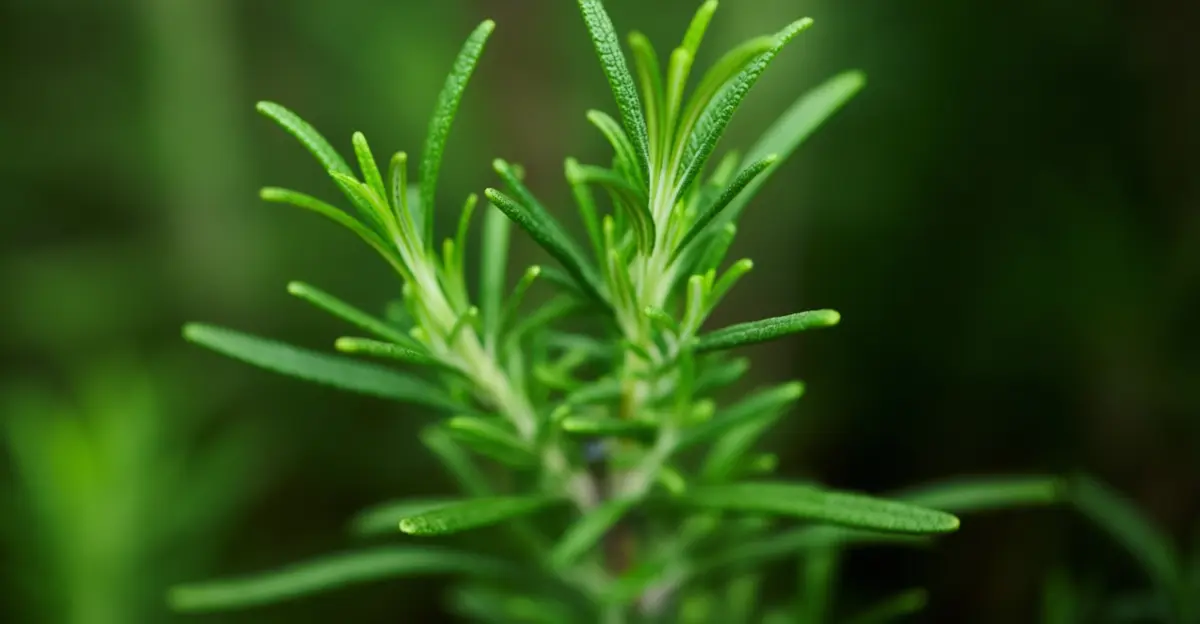
The secret to a flourishing growing rosemary plant lies beneath the surface: the soil. Rosemary thrives in loamy, well-draining soil with a slightly acidic to neutral pH (6.0-7.0). Avoid heavy clay soils at all costs, as they retain too much moisture, leading to root rot—the silent killer of many a rosemary plant. For container growing, a high-quality potting mix blended with perlite or sand for improved drainage is ideal. Native to the arid Mediterranean, your growing rosemary plant craves conditions reminiscent of its homeland: plenty of sun and excellent drainage.
Best Planting Season & Timing
Timing is crucial when it comes to growing rosemary plant. The ideal time to plant rosemary is in early spring after the last frost, or in early autumn in milder climates. This allows the plant ample time to establish its root system before the extreme heat of summer or the chill of winter.
If starting from seed, germination typically takes 7-10 days, which is significantly faster than many other woody perennials. For a mature, harvestable rosemary plant, expect around 6-12 months from seed, or a much quicker turnaround (weeks to months) if planting from cuttings or nursery starts. Prioritizing establishment time significantly boosts your chances of success during the initial stages of growing rosemary plant.
Step-by-Step Planting Instructions
Ready to get your hands dirty? Here’s a personalized guide to planting your rosemary plant for success:
Preparing the Planting Site
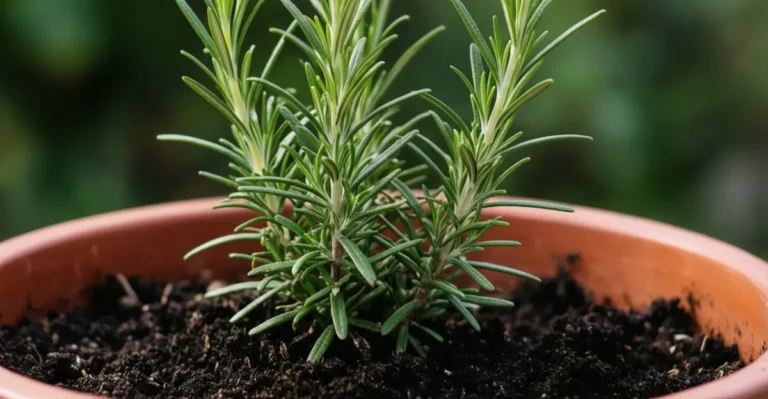
Choose a location that receives at least 6-8 hours of direct sunlight daily. If your soil isn’t naturally well-draining, amend it generously with organic matter like compost and coarse sand or perlite. For container planting, select a pot with ample drainage holes to prevent soggy roots, a common pitfall when growing rosemary plant.
Planting Nursery Starts
Gently remove the rosemary plant from its container. If the roots are circling the root ball, gently tease them apart. Dig a hole twice as wide as the root ball and just as deep. Place the plant in the hole, ensuring the top of the root ball is level with the soil surface. Backfill with amended soil, tamping gently to remove air pockets. Water thoroughly.
Propagating from Cuttings
This is a favorite method for many gardeners! Take 4-6 inch cuttings from healthy, non-flowering stems. Remove the leaves from the bottom 2 inches and dip the cut end in rooting hormone (optional, but highly recommended for speeding up success). Plant the cuttings in a well-draining potting mix. Keep the soil consistently moist (not wet) and place them in a bright, indirect light location. Roots typically form within 4-8 weeks.
Sowing Seeds
While less common due to slower growth, you can start rosemary from seed. Sow seeds sparsely on the surface of a seed-starting mix and lightly cover with a thin layer of soil. Keep the soil consistently moist and warm (around 70°F). Germination can be erratic, so patience is key!
Plant Care Essentials
Consistent and appropriate care is paramount for a flourishing growing rosemary plant.
- Water Needs: Rosemary prefers consistent moisture but absolutely despises soggy feet. Water deeply when the top 1-2 inches of soil feel dry to the touch. In established plants, allow the soil to dry out almost completely between waterings. Overwatering is the number one cause of failure when rosemary plant is grown.
- Sunlight Requirements: A minimum of 6-8 hours of direct sunlight daily is non-negotiable for a healthy growing rosemary plant. More sun equals more flavor and vigorous growth.
- Temperature Tolerance: Rosemary is hardy in USDA Zones 7-10. While some varieties can tolerate brief dips below freezing, prolonged cold snaps require protection. In colder zones, grow rosemary in containers to bring indoors during winter. Aim for temperatures between 60-80°F for optimal growth.
Best Varieties & Companion Plants
Not all rosemary plants are created equal! For easier growing rosemary plant, consider these robust varieties:
- ‘Arp’: Known for its cold hardiness (down to -10°F!) and vigorous growth.
- ‘Tuscan Blue’: A beautiful upright variety with brilliant blue flowers and a strong, piney scent.
- ‘Prostratus’ (Creeping Rosemary): Ideal for groundcover or cascading over walls, offering a softer aesthetic.
Rosemary is a fantastic companion plant, benefiting both itself and its neighbors:
- Brassicas (Cabbage, Broccoli): Rosemary helps deter cabbage moths.
- Carrots: It repels the carrot rust fly.
- Beans: Improves growth and deters bean beetles.
- Lavender: Both thrive in similar conditions and create a stunning aromatic display.
Landscape Uses & Harvest Tips
Embrace the versatility of your rosemary plant!
- Edging & Borders: Upright varieties create beautiful, fragrant borders along pathways.
- Containers: Perfect for patios, allowing you to bring them indoors in winter.
- Rock Gardens: Creeping varieties spill beautifully over rocks, adding texture and aroma.
- Herb Gardens: A quintessential addition for culinary use.
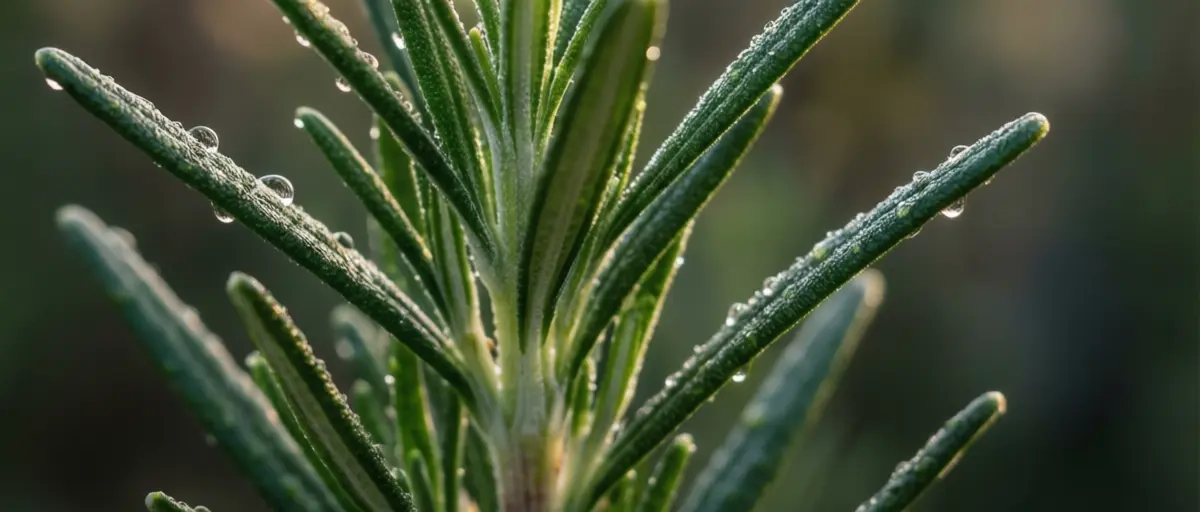
Harvesting: Snip off sprigs as needed, preferably in the morning after the dew has dried. Avoid removing more than 20% of the plant at once to ensure continuous growth. Regular harvesting actually encourages a bushier, more productive growing rosemary plant. Store fresh sprigs in the refrigerator wrapped in a damp paper towel or dry them for long-term storage.
Common Pests & Diseases to Avoid
While generally robust, your rosemary plant can still face challenges:
- Powdery Mildew: A white, powdery fungal growth, often caused by poor air circulation and high humidity. Ensure good spacing and avoid overhead watering. Treat with neem oil or a baking soda solution.
- Root Rot: The most common issue, directly linked to overwatering and poor drainage. Ensure your soil drains efficiently!
- Aphids & Spider Mites: Small sap-sucking insects. A strong spray of water can dislodge them, or use insecticidal soap for more severe infestations. Organic solutions like neem oil are highly effective without harming beneficial insects.
Prevention is key: provide ample sunlight, correct watering, and good air circulation to keep your growing rosemary plant healthy and resilient.
Seasonal Maintenance & Overwintering
Maintaining your rosemary plant through the seasons is intuitive:
- Spring: Lightly prune to shape and encourage new growth. Fertilize sparingly with a balanced, slow-release granular fertilizer if your soil needs a boost.
- Summer: Continue harvesting. In very hot climates, supplementary afternoon shade might be beneficial, especially for container plants.
- Fall: Cut back any leggy growth. If in a cold zone, prepare container plants for indoor overwintering.
- Winter: For plants in the ground in hardiness zones 7-10, minimal care is needed. In colder zones, bring container rosemary indoors to a bright, cool spot (unheated sunroom or bright window) and reduce watering significantly. Do not fertilize during winter dormancy.
Pruning at least once a year encourages a dense, attractive growing rosemary plant and prevents it from becoming woody and leggy.
Conclusion
Mastering growing rosemary plant is an incredibly rewarding journey, transforming your garden into a fragrant, culinary haven. By understanding its fundamental needs for abundant sunlight, excellent drainage, and careful watering, you’ll avoid the common pitfalls that deter many gardeners. Now, it’s your turn to cultivate this versatile herb! What are you waiting for? Grab your trowel and start planting your own vibrant rosemary plant today! Share your gardening successes with us in the comments below, or click here to explore more herbal gardening tips!
FAQs
Q1: Why is my rosemary plant turning brown?
A1: Browning is most commonly due to overwatering (leading to root rot) or underwatering. Check your soil moisture. If leaves are crispy, it’s underwatering; if mushy, it’s likely overwatering. Ensure good drainage.
Q2: Can I grow rosemary indoors?
A2: Yes, you can! Provide it with the brightest spot possible (south-facing window is ideal) and ensure good air circulation. Scale back watering significantly in winter, as indoor conditions can be drier, but the plant’s metabolic rate slows.
Q3: How often should I fertilize my rosemary?
A3: Rosemary is not a heavy feeder. In fact, too much fertilizer can lead to weak growth. A light application of a balanced, slow-release fertilizer in early spring is usually sufficient, or none at all if your soil is healthy.
Q4: My rosemary plant is leggy. What should I do?
A4: Legginess is often a sign of insufficient sunlight or lack of pruning. Increase sunlight exposure if possible and prune back the leggy stems by about one-third. This encourages bushier growth from the base.
Q5: Is rosemary safe for pets?
A5: Rosemary is generally considered non-toxic to dogs and cats in small amounts. However, large quantities can cause stomach upset. Always consult your vet if you have concerns about your pet consuming any plant material.