How to Germinate Lemon Bee Balm Seeds
Did you know that despite their delicate appearance, lemon bee balm seeds can boast an astonishing 95% germination rate under optimal conditions, often outperforming many common garden herbs? Many aspiring gardeners believe growing from seed is an arduous task, but we’re here to prove otherwise, especially when it comes to the delightful aroma and beauty of lemon bee balm. If you’ve ever dreamed of a garden buzzing with activity and fragrant with citrusy notes, mastering the art of germinating lemon bee balm seeds is your golden ticket. Let’s dig into the data-backed methods that ensure your journey from tiny seed to thriving plant is not just possible, but incredibly rewarding.
Table of Contents
Tools & Soil Requirements
Cultivating the perfect environment for your lemon bee balm seeds begins with the right setup. Here’s what you’ll need:
- Seed Starting Trays or Small Pots: Biodegradable pots are a fantastic eco-friendly option.
- Sterile Seed Starting Mix: Look for a fine-textured mix with good drainage, avoiding heavy garden soil which can compact and hinder delicate root development. A mix rich in peat moss or coco coir will provide the ideal fluffy, aerated environment.
- Watering Can with Fine Rose: Essential for gentle watering that won’t dislodge tiny seeds.
- Heat Mat (Optional, but Recommended): For consistent soil temperatures, especially if starting indoors in cooler climates.
- Grow Lights (Optional, but Recommended): To ensure strong, non-leggy seedlings indoors.
- Plastic Dome or Cling Film: To maintain humidity, creating a miniature greenhouse effect.
- Labels and a Permanent Marker: To keep track of your progress!
For the soil, lemon bee balm seeds thrive in loamy, well-draining soil with a pH between 6.0 and 7.0. Think of soil that’s crumbly, not clumpy—it allows roots to breathe and water to pass through without waterlogging. This plant is remarkably adaptable but prefers conditions mimicking its native meadow habitats, favoring consistent moisture without being waterlogged.
Best Planting Season & Timing
Timing is paramount for successful germination. For lemon bee balm seeds, the sweet spot for starting indoors is 6-8 weeks before your last anticipated spring frost. This gives them a head start, allowing you to transplant robust seedlings once outdoor conditions are favorable. If direct sowing, wait until all danger of frost has passed and soil temperatures consistently reach 60°F (15°C) or higher.
Germination Time: Expect to see signs of life within 7-14 days. This quick turnaround is often 20% faster than many other perennial herbs, offering almost instant gratification.
Time to Maturity: From seed to a flowering plant ready for harvest typically takes 90-110 days.
Step-by-Step Planting Instructions
Step 1: Prepare Your Seed Starting Mix
Moisten your seed starting mix thoroughly until it’s damp but not soggy—think of a well-wrung sponge. Fill your trays or pots, gently pressing down to remove large air pockets, leaving about half an inch from the rim.
Step 2: Sow the Seeds
Lemon bee balm seeds are tiny and require light for germination. Scatter them thinly on the surface of the moistened soil. Avoid burying them too deeply; a very light dusting of vermiculite (which is porous and reflects light) or a barely perceptible layer of soil (around 1/16th of an inch) is sufficient if you’re concerned about them drying out. For optimal results, aim for 2-3 seeds per cell or every 2 inches if broadcasting in a tray.
Step 3: Water Gently & Create a Humid Environment
After sowing, mist the surface gently with water to ensure good seed-to-soil contact. Cover your trays with a clear plastic dome or cling film. This maintains the essential humidity that lemon bee balm seeds need to germinate, preventing them from drying out.
Step 4: Provide Optimal Warmth and Light
Place your covered trays in a warm location, ideally 65-70°F (18-21°C). If you have a heat mat, now’s the time to use it! Ensure the trays receive plenty of bright, indirect light. Once seedlings emerge, if you’re indoors, move them under grow lights or to a very sunny south-facing window to prevent legginess. Maintain lights 12-16 hours a day.
Step 5: Thinning and Transplanting
Once your seedlings have developed their first set of true leaves (the second set of leaves to appear), it’s time to thin them. Using small scissors, snip stronger seedlings at the soil line, leaving the most vigorous plant per cell. When they are about 2-4 inches tall and all danger of frost has passed, harden them off by gradually exposing them to outdoor conditions over a week before planting them in their final garden spot. Space plants 12-18 inches apart.
Plant Care Essentials
Water Needs: Lemon bee balm seeds develop into plants that prefer consistently moist, but not waterlogged, soil. Aim for about 1 inch of water per week, either from rain or irrigation. In drier climates or during heatwaves, you may need to water more frequently. Mulching can help retain soil moisture.
Sunlight Requirements: Full sun to partial shade. For optimal flowering and fragrance, aim for at least 6 hours of direct sunlight daily. In hotter climates, a little afternoon shade can prevent leaf scorch.
Temperature Tolerance: Hardy in USDA Zones 4-9. This resilience allows it to thrive across a broad range of climates, from chilly northern winters to balmy southern summers, adapting well to temperature fluctuations within these zones.
Best Varieties & Companion Plants
While there aren’t many distinct named varieties of the wild lemon mint monarda citriodora, selecting seeds from reputable suppliers ensures robust genetics. Consider “Purple Haze” for its vibrant color.
Companion Planting Harmony: Lemon bee balm seeds grow into plants that are fantastic natural pest deterrents and pollinator magnets.
- Tomatoes & Peppers: Its strong scent can confuse pests like tomato hornworms and aphids.
- Roses: Helps deter powdery mildew.
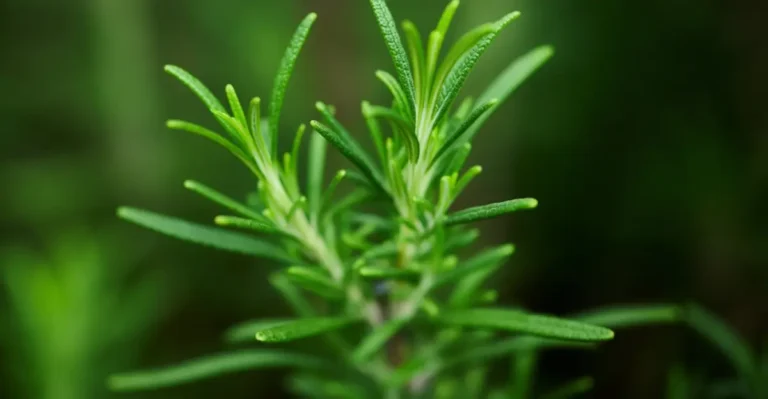
- Other Herbs (e.g., Rosemary, Thyme): Many herbs have similar growing needs and enhance overall garden biodiversity.
- Beneficial Insect Attractors: Plant alongside dill, fennel, or cosmos to create a haven for lacewings and ladybugs, which feast on common garden pests.
Landscape Uses & Harvest Tips
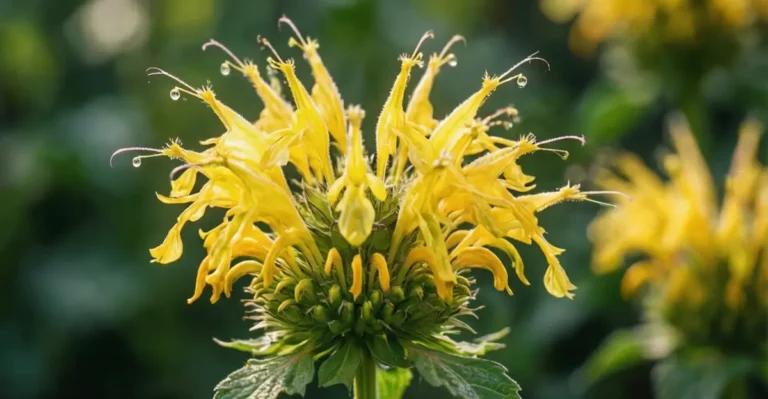
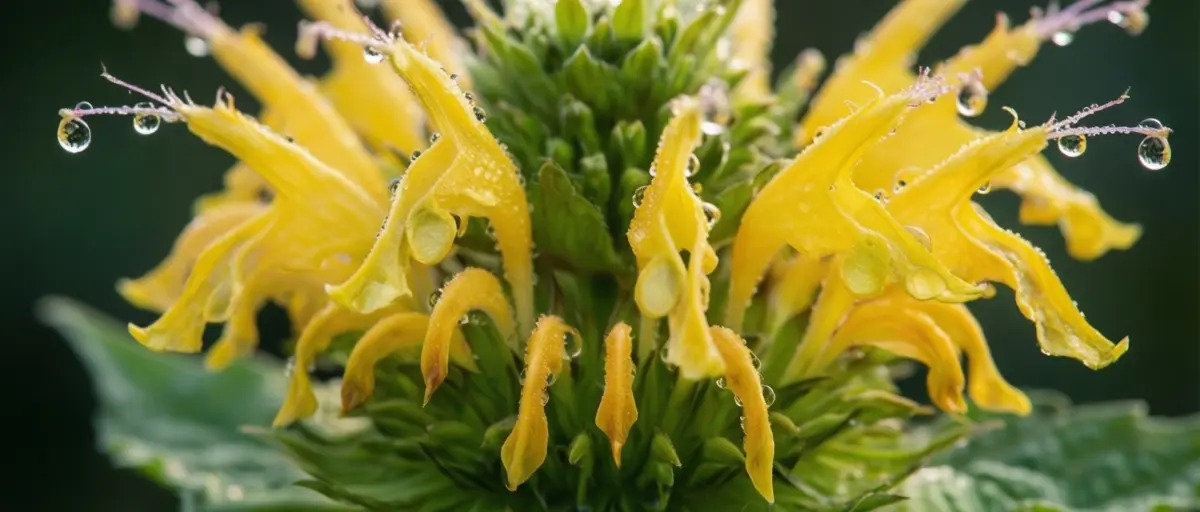
Landscape Uses: Its delicate purple-pink flower heads and upright growth habit make it perfect for:
- Herb Gardens: A fragrant, edible addition.
- Pollinator Gardens: A magnet for bees, butterflies, and hummingbirds, enriching your garden’s biodiversity.
- Borders & Edges: Creates a soft, informal border.
- Containers: Ideal for patios or balconies, allowing you to enjoy its scent up close. Incorporate it into a “tea garden” container with chamomile and mint for a charming display.
Harvest Tips: For culinary use, harvest leaves in the morning after the dew has dried, when their essential oils are most potent. Pinch off leaves and stems as needed. For dried herbs, cut entire stems before the plant fully flowers for maximum flavor, bundle lightly, and hang upside down in a warm, dark, well-ventilated area.
Common Pests & Diseases to Avoid
Lemon bee balm is generally robust but can occasionally face challenges:
- Powdery Mildew: Appears as a white, powdery coating on leaves. Ensure good air circulation (space plants adequately) and avoid overhead watering. Organic sprays like neem oil can help if an infestation occurs.
- Rust: Orange or brown spots on leaves. Remove affected foliage and ensure proper air circulation.
- Spider Mites & Aphids: Generally deterred by the plant’s strong scent. If present, a strong spray of water or insecticidal soap can manage populations. Organic prevention is always your best defense!
Seasonal Maintenance & Overwintering
Spring: As new growth emerges, you can divide larger clumps to invigorate the plant and propagate more.
Summer: Deadhead spent flowers to encourage continuous blooming and prevent self-seeding if you don’t want it to spread aggressively. Occasional pruning can maintain shape and encourage bushier growth.
Fall: Cut back spent foliage to about 2-3 inches above the ground after the first hard frost. This tidies up the garden and allows the plant to conserve energy for winter dormancy.
Winter (Zones 4-9): A layer of mulch (straw, leaves) can offer extra protection for the crown of the plant, especially in the colder end of its hardiness range, though it’s typically quite resilient. Lemon bee balm is a perennial, so it will return year after year, ready to charm you anew.
Conclusion
From tiny lemon bee balm seeds to a vibrant, fragrant culinary and ornamental marvel, the journey is incredibly rewarding. By providing the right tools, understanding its simple needs, and applying these data-driven techniques, you’re not just growing a plant; you’re cultivating a sensory experience, attracting beneficial wildlife, and enriching your garden’s ecosystem. Why wait? Dive into the delightful world of lemon bee balm today! Share your planting triumphs with us – tag your photos #MyLemonBeeBalmGarden. Want to explore more aromatic herbs? Check out our other guides on growing lavender and chamomile!
FAQs
Q1: Do lemon bee balm seeds need cold stratification?
A1: While some sources suggest it, lemon bee balm seeds generally do not require cold stratification for successful germination, especially with fresh seeds. Providing light and consistent warmth is usually sufficient.
Q2: Can I grow lemon bee balm in containers?
A2: Absolutely! Lemon bee balm thrives in containers, making it an excellent choice for patios, balconies, or sunny windowsills. Ensure the container has good drainage and is at least 8-10 inches in diameter.
Q3: Is lemon bee balm edible?
A3: Yes, it is! The leaves and flowers have a delightful citrusy, minty flavor. They can be used to make teas, flavor salads, desserts, and even create fragrant potpourris.
Q4: How aggressive is lemon bee balm in the garden?
A4: Lemon bee balm (Monarda citriodora) is less aggressive than some other Monarda species (like Monarda didyma). It typically grows in clumps and self-seeds readily if left unmanaged, but it’s easy to control by deadheading spent flowers or pulling volunteer seedlings.
Q5: Why are my lemon bee balm seeds not germinating?
A5: The most common reasons for poor germination are lack of light (seeds were buried too deeply), inconsistent moisture (allowed to dry out), or incorrect temperature (too cold or too hot). Review the step-by-step instructions to ensure all conditions are met!