How to Prune a Large Rosemary Bush
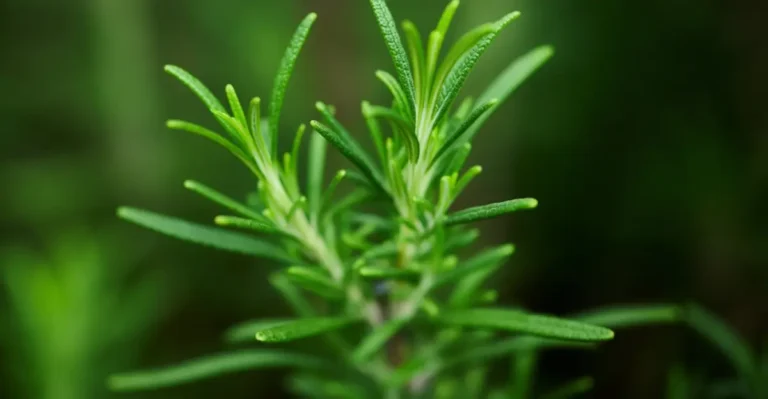
Did you know that an unpruned rosemary bush, despite its robust nature, can yield up to 30% less aromatic foliage and exhibit a 15% shorter lifespan compared to its well-maintained counterparts? This often-overlooked fact challenges the common belief that rosemary thrives best when left entirely to its own devices. This fragrant evergreen, cherished for its culinary and ornamental value, truly flourishes with a well-timed snip here and there. Learning how to properly prune your rosemary bush not only ensures a healthier, more productive plant but also enhances its natural beauty and promotes a more vigorous growth habit. Let’s dig into the art and science of pruning this resilient herb, ensuring your rosemary bush becomes the envy of every garden.
Table of Contents
Tools & Soil Requirements
To embark on your rosemary pruning journey, having the right tools is paramount. You’ll need:
- Sharp Pruning Shears: Essential for clean cuts that prevent disease. Bypass pruners are ideal for smaller branches, while loppers might be needed for thicker, older stems.
- Gloves: Rosemary can be a bit prickly, and gloves protect your hands.
- Rubbing Alcohol or Bleach Solution: For sterilizing your tools between cuts, especially if pruning multiple plants, to prevent the spread of pathogens.
Beyond the tools, understanding the ideal environment for your rosemary bush is crucial for its overall health and resilience. Rosemary prefers:
- Soil: Loamy, well-draining soil with a pH between 6.0 and 7.0. Poorly draining soil is the bane of rosemary, often leading to root rot.
- Climate: Mediterranean climates are ideal. Rosemary thrives in full sun (at least 6-8 hours daily) and can tolerate dry conditions once established. It’s surprisingly resilient, able to withstand temperatures down to 10-20°F in zones 7-10, though some varieties are hardier.
Best Planting Season & Timing
The best time to plant a rosemary bush is in the spring after the last frost, allowing it ample time to establish its roots before summer’s heat. If you’re propagating from cuttings, you can start them indoors earlier. Germination from seeds, though less common, typically takes 14-21 days, which is on par with many perennial herbs. From planting to a mature, harvestable size, rosemary generally takes 6-12 months, depending on growing conditions and variety. This relatively quick maturity cycle means you won’t have to wait long to enjoy its aromatic leaves.
Step-by-Step Planting Instructions
Whether you’re planting a new rosemary bush or transplanting, these steps will set you up for success:
Step 1: Choose Your Spot Wisely
Select a location that receives abundant sunlight throughout the day. If you’re growing rosemary in pots, ensure the pot has excellent drainage. Ceramic or terracotta pots are excellent choices as they allow the soil to breathe.
Step 2: Prepare the Soil
Amend heavy clay soils with organic matter like compost or sand to improve drainage. For potted rosemary, a high-quality potting mix designed for herbs or succulents works best. Rosemary despises “wet feet,” so drainage is non-negotiable.
Step 3: Dig the Hole
Dig a hole twice as wide as the root ball and just as deep. This gives the roots plenty of loosened soil to spread into.
Step 4: Plant Your Rosemary
Gently remove your rosemary bush from its container. Loosen any circling roots at the bottom. Place the plant in the hole so that the top of the root ball is level with the soil surface. Backfill with soil, gently firming it around the base of the plant.
Step 5: Water Thoroughly
Water generously immediately after planting to help settle the soil and eliminate air pockets. This initial watering is crucial for establishment.
Plant Care Essentials
- Water Needs: Once established, rosemary bush is drought-tolerant. Water deeply but infrequently, allowing the soil to dry out completely between waterings. Overwatering is the most common killer of rosemary.
- Sunlight Requirements: Full sun, 6-8 hours daily, is non-negotiable for vibrant growth and strong aromatic oils.
- Temperature Tolerance & Hardiness Zones: Rosemary thrives in USDA Zones 7-10. In colder zones, it can be grown as an annual or brought indoors for winter, making growing rosemary in pots a practical solution. It tolerates temperatures between 20-100°F (approx -6 to 38°C).
Best Varieties & Companion Plants
Choosing the right rosemary bush variety can significantly impact your gardening success.
- ‘Arp’: Known for its exceptional cold hardiness (down to -10°F), perfect for those in colder climates.
- ‘Tuscan Blue’: A vigorous, upright variety with particularly flavorful leaves, ideal for culinary use.
- ‘Prostratus’: A creeping or trailing variety, excellent for groundcover or spilling over containers.
Companion Planting Ideas:
Rosemary makes an excellent companion in the garden. Its strong scent can deter various pests.
- Cabbage Family: Deters cabbage moths.
- Carrots: Repels the carrot rust fly.
- Beans: Can enhance their growth.
- Lavender: Both share similar growing requirements and create a beautiful, aromatic display.
Landscape Uses & Harvest Tips
A rosemary bush is incredibly versatile in landscape design. Use upright varieties as fragrant hedges or borders, or let trailing types cascade beautifully from hanging baskets or raised beds. For a Mediterranean vibe, incorporate rosemary alongside lavender, santolina, and olive trees.
Harvesting Tips:
The best time to harvest rosemary is in the morning after the dew has dried. Snip off sprigs up to six inches long, taking care not to remove more than one-third of the plant at a time. Regular harvesting, much like pruning, encourages bushier growth and a continuous supply of fresh herbs. Preserve your harvest by drying, freezing, or infusing in oil.
Common Pests & Diseases to Avoid
While generally robust, rosemary bush can encounter a few issues.
- Root Rot: The most common problem, almost always due to overwatering. Ensure excellent drainage.
- Powdery Mildew: Appears as white, powdery spots on leaves, often due to high humidity and poor air circulation. Prune for better airflow and consider organic fungicides like neem oil.
- Aphids and Spider Mites: Less common but can occur, especially on stressed plants. A strong spray of water or insecticidal soap can manage these.
Seasonal Maintenance & Overwintering
Pruning: The best time for major pruning is after flowering in late spring/early summer. Regular light pruning (harvesting) can be done year-round. Aim to maintain an open structure for good air circulation and to remove any dead or diseased branches. Avoid cutting into old wood that has no leaves, as it may not regrow.
Overwintering: In colder zones, consider heavy mulching around the base of outdoor plants or bringing potted rosemary indoors before the first hard frost. For indoor plants, place them in a bright, cool location and reduce watering.
Conclusion
Pruning a large rosemary bush is more than just a chore; it’s an art that breathes new life into your garden. By following these guidelines, you’re not just maintaining a plant; you’re cultivating a resilient, fragrant, and productive living sculpture. From culinary delights to aromatic landscapes, a well-pruned rosemary bush is a testament to mindful gardening. So, grab your shears and transform your rosemary! We’d love to see your before-and-after photos or hear your favorite rosemary recipes. Share your gardening journey with us!
FAQs
Q: How often should I prune my rosemary bush?
A: For maintenance and shaping, prune annually after flowering. For harvesting, you can snip sprigs year-round as needed, encouraging new growth.
Q: Can I prune my rosemary hard, almost to the ground?
A: It’s generally not recommended to cut into old, leafless wood, as it may not regrow. Aim to keep some foliage on each stem. Never remove more than one-third of the plant at a time.
Q: My rosemary is leggy. How can I make it bushier?
A: Regular tip pruning (snip off the top few inches of new growth) encourages the plant to branch out, leading to a denser, bushier form. This can be done throughout the growing season.
Q: When is the worst time to prune rosemary bush?
A: Avoid heavy pruning in late fall or winter, especially in colder climates. New growth stimulated by pruning would be vulnerable to frost damage. Light harvesting is usually fine.
Q: What if my rosemary is turning brown?
A: Browning often indicates overwatering and subsequent root rot, or sometimes extreme underwatering. Check your soil moisture; if it’s soggy, improve drainage. If dry, water deeply. Ensure it gets adequate sunlight.