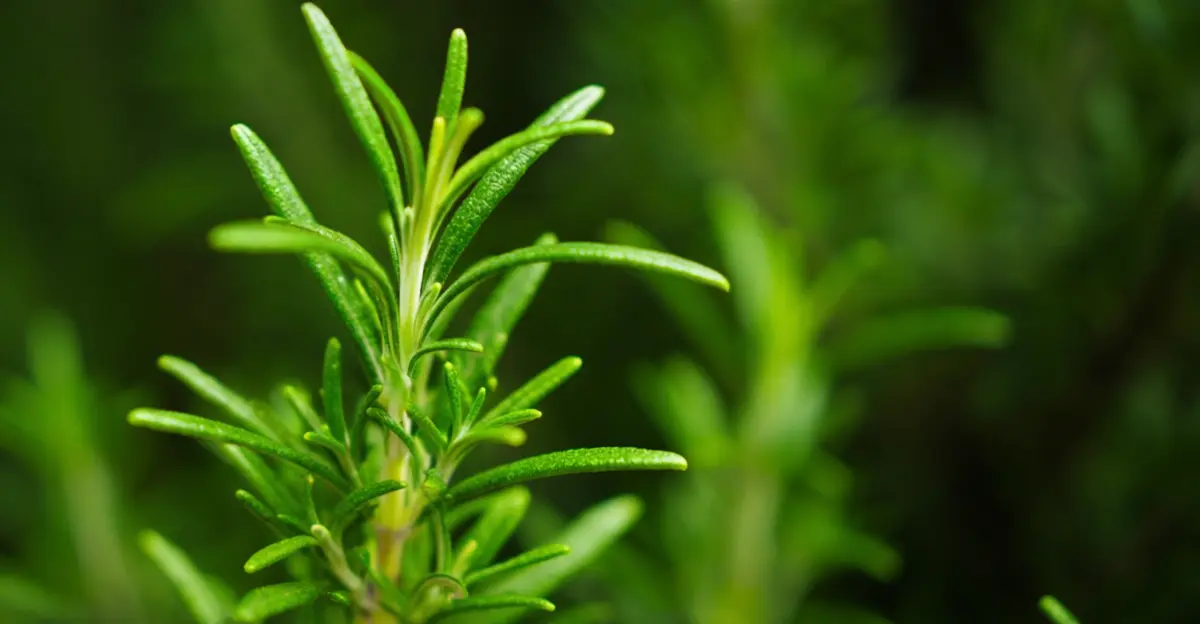
Complete Care Guide for a Rosemary Plant
Did you know that despite its Mediterranean origins, a thriving rosemary plant can be successfully cultivated in diverse climates, often defying the common belief that it’s exclusively for warm regions? This aromatic herb, beloved for its culinary and medicinal properties, is surprisingly adaptable. But what’s the secret to nurturing a robust, fragrant rosemary bush in your own backyard or even on a sunny windowsill? Let’s delve into the data-driven best practices and expert tips to transform your gardening approach for this versatile and rewarding plant.
Table of Contents
Tools & Soil Requirements
Cultivating a healthy rosemary plant starts with the right foundation. For tools, you’ll need a hand trowel, pruning shears (sharp and clean to prevent disease), a watering can with a fine rose, and possibly gardening gloves. Beyond the basics, the secret to robust rosemary lies in its soil. Rosemary thrives in well-draining, slightly sandy soil with a pH between 6.0 and 7.0. Think about the sun-drenched hillsides of the Mediterranean; they aren’t waterlogged. Avoid heavy clay soils at all costs, as they retain too much moisture, inviting root rot. If you’re gardening in containers, a succulent or cactus mix, amended with some perlite, is an excellent choice for mimicking rosemary’s preferred arid conditions. Climate-wise, rosemary enjoys full sun (6-8 hours daily) and can tolerate a wide range of temperatures, from mild freezes to intense summer heat once established.
Best Planting Season & Timing
The ideal time to plant a rosemary plant largely depends on your local climate. Generally, spring, after the last frost, is the prime season for planting young rosemary or transplanting rooted cuttings. This allows the plant ample time to establish itself before the peak heat of summer or the chill of winter. If you’re growing from seed, patience is key: rosemary seeds can take anywhere from 14 to 21 days to germinate, making it a slower starter compared to many other herbs, which often germinate in under 10 days. For optimal growth and to ensure a bountiful harvest, allow your rosemary to mature for at least 6-12 months before significant harvesting. This ensures a strong root system and a resilient plant.
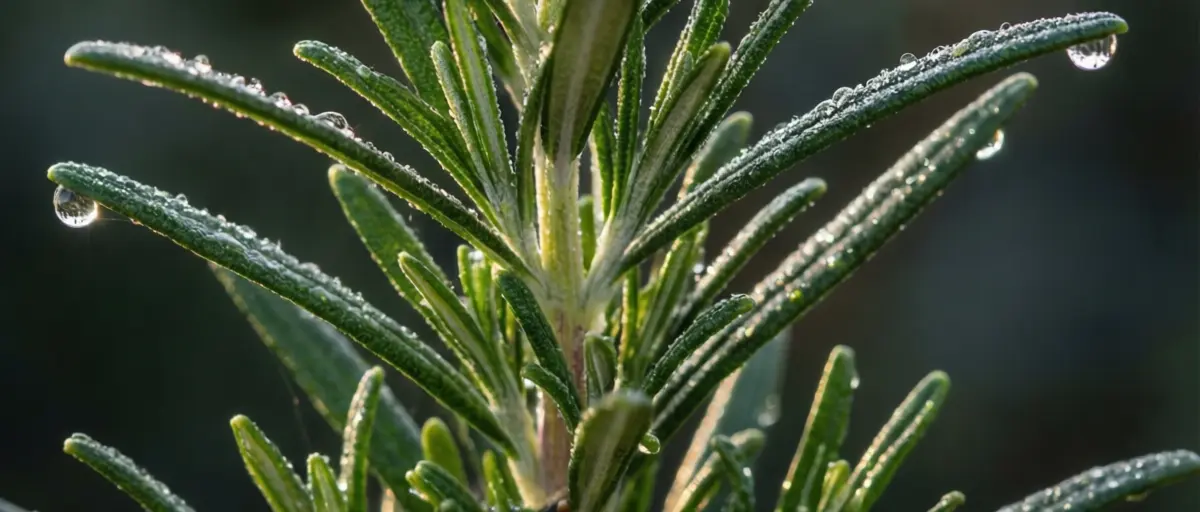
Step-by-Step Planting Instructions
Ready to get your hands dirty? Here’s how to plant your rosemary plant for success, whether you’re a novice or looking to refine your technique.
1. Choosing Your Spot: Select a location that receives at least 6-8 hours of direct sunlight daily. For container gardening, a south-facing window or balcony is ideal.
2. Preparing the Soil: Dig a hole twice as wide as the root ball and just as deep. Amend heavy soils with sand, perlite, or grit to improve drainage. For containers, use a high-quality potting mix formulated for herbs or succulents.
3. Planting Your Rosemary: Gently remove the rosemary plant from its nursery pot. Loosen any circling roots at the bottom. Place the plant in the prepared hole so that the top of the root ball is level with the soil surface.
4. Backfilling and Watering: Backfill the hole with your amended soil, gently firming it around the base of the plant to remove air pockets. Water thoroughly immediately after planting to help settle the soil.
5. Initial Care: For the first few weeks, keep the soil consistently moist but never soggy. This encourages strong root development. Reduce watering once the plant is established. For those looking to start from scratch, understanding how to prepare rosemary to plant from cuttings is a rewarding process, yielding new plants from existing ones.
Plant Care Essentials
A well-cared for rosemary plant will reward you with abundant fragrant foliage.
Water Needs: Rosemary is drought-tolerant once established. Overwatering is the most common killer! Water deeply but infrequently, allowing the top 1-2 inches of soil to dry out completely between waterings. In humid climates, this might mean watering once every 10-14 days; in arid climates, it could be weekly. Container plants typically need more frequent watering than those in the ground.
Sunlight Requirements: Full sun is non-negotiable for rosemary. Less than 6 hours can lead to leggy growth and reduced flavor.
Temperature Tolerance: Rosemary thrives in USDA Hardiness Zones 7-10. It can tolerate temperatures as low as 15°F (-9°C), but consistent freezing temperatures or prolonged periods below freezing without protection can be detrimental. In colder zones, it’s best grown in containers and brought indoors for winter.
Best Varieties & Companion Plants
Choosing the right rosemary plant variety for your garden can make a difference. ‘Arp’ is a popular, cold-hardy variety, tolerating temperatures down to 10°F. ‘Tuscan Blue’ is known for its upright growth and flavorful leaves, while ‘Prostratus’ is a creeping variety, perfect for groundcover or hanging baskets. Consider disease-resistant varieties like ‘Hill Hardy’ to minimize common issues.
For companion planting, rosemary is a fantastic neighbor! It’s known to deter common garden pests like cabbage moths, bean beetles, and carrot rust flies. Plant it near brassicas (cabbage, broccoli), beans, and carrots. Its strong scent can also confuse pests looking for other plants. Plus, its beautiful blue flowers attract beneficial pollinators like bees, improving overall garden health and biodiversity.
Landscape Uses & Harvest Tips
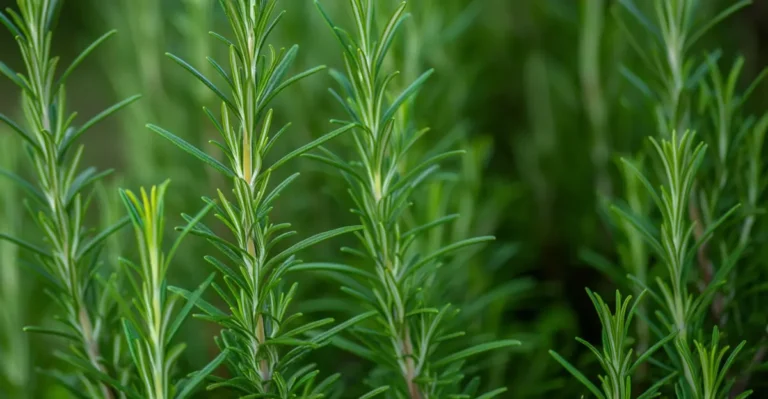
The architectural beauty and fragrant foliage of a rosemary plant make it a versatile addition to any landscape. Use upright varieties as fragrant hedges, borders, or focal points in herb gardens. Trailing varieties (‘Prostratus’) are stunning in rock gardens, cascading over walls, or spilling out of decorative containers. Imagine a warm evening stroll, brushing against the aromatic leaves, releasing a burst of invigorating scent!
When harvesting, always use sharp shears and avoid taking more than 20-25% of the plant at once to ensure its continued vigor. Harvest sprigs from the tips, just above a leaf node, to encourage bushier growth. Rosemary can be used fresh in countless dishes, dried for later use, or even infused into oils and vinegars – personalizing your culinary adventures.
Common Pests & Diseases to Avoid
While generally robust, your rosemary plant can encounter issues.
Pests: Aphids are tiny sap-suckers that can cluster on new growth. Spider mites might appear during dry, hot conditions. Organic solutions include a strong stream of water to dislodge them or an insecticidal soap spray. Spittlebugs are annoying but largely harmless, creating foamy ‘spit’ on stems – simply rinse them off.
Diseases: The most common disease for rosemary is root rot, almost always a result of overwatering or poor drainage. Ensure your soil drains well and err on the side of underwatering. Powdery mildew can occur in humid conditions with poor air circulation; prune to improve airflow and ensure adequate spacing. Prevention is key: healthy plants are more resilient.
Seasonal Maintenance & Overwintering
Maintaining your rosemary plant across seasons ensures its longevity and productivity.
Pruning: Prune regularly throughout the growing season to maintain shape and encourage new growth. Avoid heavy pruning late in the season, as this can stimulate new growth that won’t have time to harden off before winter. A good rule of thumb is to never cut back into old wood that has no green leaves, as it may not revive.
Overwintering (Cold Climates): If you’re in a zone colder than 7, consider growing rosemary in a container. Before the first hard frost, bring the plant indoors to a bright, cool spot (ideally 50-60°F / 10-15°C). Reduce watering significantly, as the plant’s metabolic rate slows down. Avoid placing it near heat vents, which can dry it out. Gradually reintroduce it to outdoor conditions in spring after all danger of frost has passed.
Conclusion
Nurturing a rosemary plant is a deeply rewarding endeavor, offering not just a culinary ingredient but a fragrant, beautiful, and resilient addition to your garden. By providing the right tools, understanding its preference for well-draining soil and abundant sunshine, and following these comprehensive care steps, you’ll cultivate a thriving bush that defies common gardening challenges. Don’t let its Mediterranean heritage intimidate you – with a little know-how, your rosemary will flourish.
Ready to infuse your garden with the invigorating scent of rosemary? Share your planting journey with us! Tag your photos with #MyRosemaryGarden or explore our other herb guides for more inspiration towards a vibrant, fragrant landscape!
FAQs
Q: Why is my rosemary plant turning brown?
A: Browning rosemary is most commonly a sign of overwatering leading to root rot, or conversely, severe underwatering. Check the soil moisture deeply; if it’s soggy, improve drainage. If it’s bone dry, water thoroughly. It could also indicate insufficient sunlight or extreme cold damage.
Q: Can I grow rosemary indoors year-round?
A: Yes, but it needs a very bright spot, ideally a south-facing window, and good air circulation. Ensure it doesn’t get overwatered, especially in winter when growth slows. Fluctuations in indoor temperature and humidity can be challenging, so maintain consistency if possible.
Q: How often should I fertilize my rosemary plant?
A: Rosemary is not a heavy feeder. In fact, too much fertilizer can reduce its aromatic oils. If your rosemary plant is in poor soil, a balanced, slow-release organic fertilizer can be applied once in spring. For container plants, a half-strength liquid fertilizer once a month during the growing season is usually sufficient, but often not necessary if you use good potting mix.
Q: What’s the best way to propagate rosemary?
A: Rosemary is most easily propagated from stem cuttings. Take 4-6 inch cuttings from new growth, remove the lower leaves, dip the cut end in rooting hormone (optional but recommended), and place in a moist, well-draining rooting medium. Keep warm and humid until roots form, typically 4-8 weeks. This is a common method for creating more vibrant rosemary to plant.