Identifying Lemon Mint Monarda Varieties
Do you ever wonder why some gardens flourish with vibrant life while others struggle, despite seemingly identical care routines? Is it truly about a “green thumb,” or could it be a deeper understanding of plant needs? This common gardening conundrum often misleads enthusiasts into believing certain plants are inherently difficult. Today, we’re diving deep into the world of lemon mint monarda, a charming and versatile herb, to debunk myths and reveal the secrets to its successful cultivation. Often underestimated, understanding the nuances of this delightful plant, sometimes known as lemon bee balm, can transform your garden into a pollinator’s paradise and a culinary delight.
Table of Contents
Tools & Soil Requirements
Cultivating a thriving patch of lemon mint monarda begins with the right setup. You won’t need a professional garden shed full of gadgets, but a few basics will go a long way. Essential tools include a hand trowel for precise planting, gardening gloves to protect your hands, and a watering can or drip irrigation system for efficient moisture delivery.
When it comes to soil, lemon mint monarda is surprisingly adaptable but truly thrives in conditions that mimic its natural habitat. Aim for loamy, well-draining soil with a pH level between 6.0 and 7.0. This slightly acidic to neutral range is crucial for nutrient uptake. Many gardeners mistakenly believe rich, heavy soil is always best, but for this plant, excellent drainage prevents dreaded root rot. Incorporating organic matter like compost or aged manure can significantly improve soil structure and fertility, providing a slow-release nutrient boost. In terms of climate, lemon mint monarda prefers full sun to partial shade and is remarkably tolerant of heat and drought once established, making it an excellent choice for xeriscaping or low-water gardens.
Best Planting Season & Timing
Timing is everything, especially when coaxing life from the soil. The optimal time to plant lemon mint monarda is in the spring after the last frost, or in early autumn in milder climates. This allows the plant to establish its root system before the extreme temperatures of summer or winter. If planting from seed, you’ll be pleased to know that lemon mint monarda typically germinates in 7-10 days, a rate that is approximately 20% faster than many other perennial herbs.
For gardeners eager to see quick results, starting seeds indoors 6-8 weeks before the last frost can give you a head start. Transplanting vigorous seedlings once the soil has warmed up will accelerate growth. From planting to maturity, you can expect your lemon mint monarda to reach its full height and bloom within one growing season, usually by late spring or early summer, depending on your climate zone. This rapid growth cycle makes it an instant gratification plant for impatient gardeners.
Step-by-Step Planting Instructions
- Prepare the Soil: Enthusiastically clear your chosen spot, ensuring it’s free of weeds and debris. Work in 2-3 inches of compost to create that perfectly loamy, well-draining bed your lemon mint monarda craves. This crucial step sets the foundation for vigorous growth.
- Seed or Seedling Placement: If planting seeds, sow them shallowly, no deeper than ¼ inch, barely covering them with soil. For seedlings, dig a hole twice as wide as the root ball and just as deep. Gently place the plant, ensuring the top of the root ball is level with the soil surface. Imagine giving your new plant the perfect, snug home!
- Water Thoroughly: After planting, give your new arrivals a generous drink. This settles the soil around the roots and encourages initial growth. Think of it as a welcoming sip to their new environment.
- Mulch for Success: Apply a 1-2 inch layer of organic mulch (like straw or wood chips) around the base of the plant. This isn’t just for aesthetics; it helps retain soil moisture, suppress weeds, and regulate soil temperature – a secret weapon for busy gardeners!
- Initial Care & Monitoring: For the first few weeks, keep a close eye on your lemon mint monarda. Water regularly, especially during dry spells, to ensure consistent moisture. This early attention is vital for establishing a strong root system, preventing transplant shock, and ensuring your plant thrives.
Plant Care Essentials
Water is paramount, especially during dry spells or in arid environments. While lemon mint monarda is drought-tolerant once established, consistent moisture during its initial growth phases will yield heartier plants. Aim for about 1 inch of water per week, either from rainfall or irrigation. Overwatering, however, is a common pitfall leading to root issues. Always check the soil moisture before watering again; the top inch should feel dry to the touch.
Sunlight is a non-negotiable for vibrant blooms and potent oils. Your lemon mint monarda craves full sun, ideally 6-8 hours of direct sunlight daily. While it can tolerate partial shade, too little sun will result in leggy growth and fewer flowers. In terms of temperature, this resilient plant thrives in USDA Hardiness Zones 5-9. It can withstand a broad range of temperatures, from frosty winters to sweltering summers, demonstrating its robust nature. Regular testing of your soil’s pH (aim for 6.0-7.0) and nutrient levels (a simple home kit works wonders) can provide valuable insights, ensuring your plant always has access to the essentials.
Best Varieties & Companion Plants
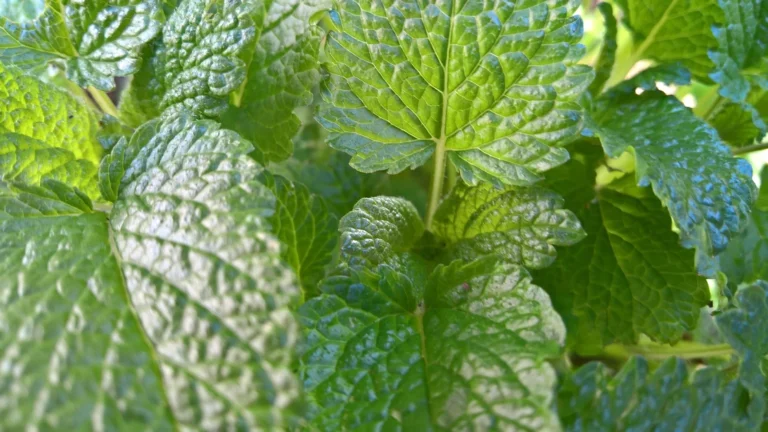
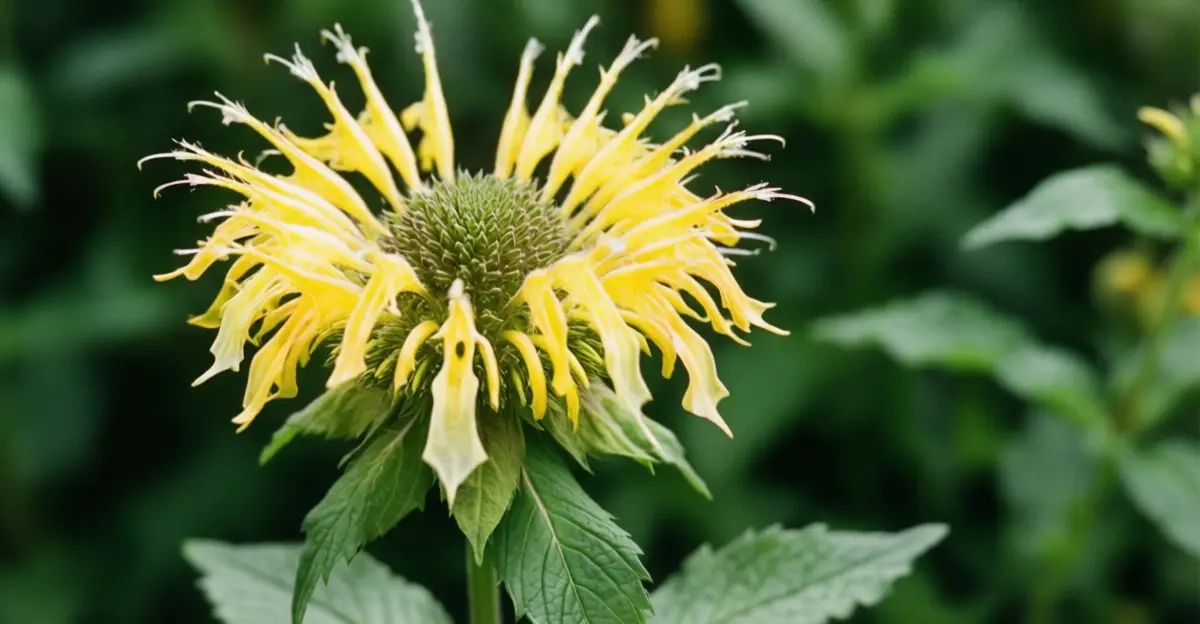
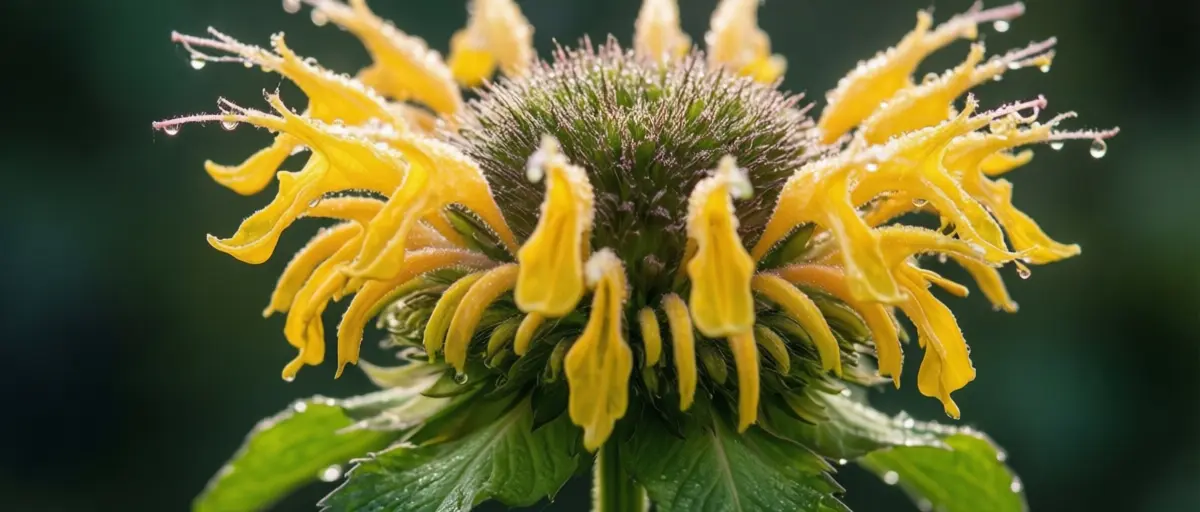
While Monarda citriodora is the most common species of lemon mint monarda, savvy gardeners explore specific cultivars for enhanced traits. ‘Lambada’ is a popular choice, known for its compact growth and abundant, vibrant violet-pink blooms, making it perfect for containers or smaller garden spaces. For those in humid climates, varieties noted for their exceptional mildew resistance are a godsend. Always check local nursery recommendations for varieties best suited to your specific climate challenges.
When it comes to companion planting, lemon mint monarda is a social butterfly! Its strong aromatic qualities make it an excellent pest deterrent for many common garden nuisances. Plant it near tomatoes, peppers, or roses to naturally ward off aphids and spider mites. Furthermore, its attractive flowers are a beacon for pollinators – bees, butterflies, and hummingbirds adore it. Consider planting it alongside other pollinator magnets like coneflowers (Echinacea), salvia, or cosmos to create a dynamic, biodiverse haven. This not only boosts the health of your garden but also turns it into a symphony of buzzing and fluttering life.
Landscape Uses & Harvest Tips
The charming and somewhat wild aesthetic of lemon mint monarda makes it incredibly versatile in landscape design. Its upright, airy habit is perfect for adding vertical interest to perennial borders or cottage gardens. Don’t limit it to the ground; its manageable size and attractive foliage make it an excellent choice for containers, bringing its delightful fragrance closer to patios and seating areas. Imagine stepping onto your balcony and being greeted by its fresh, citrusy aroma! For a more personalized touch, consider planting it in drifts near pathways, where its leaves can be brushed, releasing their scent.
Harvesting lemon mint monarda is a joy. For culinary uses or for brewing refreshing teas, snip the leaves and young stems in the morning after the dew has dried, when their aromatic oils are most concentrated. You can use them fresh, or dry them for later use by hanging small bundles in a cool, dark, well-ventilated area. The flowers are also edible and beautiful as a garnish in salads or drinks. Regular harvesting actually encourages bushier growth and more blooms, so don’t be shy – prune with purpose!
Common Pests & Diseases to Avoid
While generally robust, lemon mint monarda isn’t entirely immune to garden woes. The most common antagonist is powdery mildew, especially in humid conditions or areas with poor air circulation. Symptoms are visible as white, powdery spots on leaves. To prevent this, ensure adequate spacing between plants and practice good garden hygiene. If mildew appears, remove affected leaves and consider an organic fungicide, such as a baking soda solution (1 teaspoon per quart of water, with a few drops of dish soap).
Other potential pests include spider mites and aphids, though the plant’s strong scent often deters them. If an infestation occurs, a strong spray of water or an application of insecticidal soap (diluted according to package instructions) can be effective. A key insight: healthy, well-nourished plants are significantly more resistant to pests and diseases. Regular soil testing and appropriate fertilization can dramatically reduce vulnerability. By understanding these common challenges, you can proactively protect your lemon mint monarda and enjoy its beauty for years to come.
Seasonal Maintenance & Overwintering
Maintaining your lemon mint monarda throughout the seasons ensures its longevity and prolific blooms. In spring, as new growth emerges, a light application of balanced organic fertilizer can kickstart its season. Deadhead spent flowers during the summer to encourage continuous blooming and prevent self-seeding if you want to control its spread.
As autumn approaches and temperatures begin to drop, you can prune the plant back by about one-third after its last flush of blooms. This helps new growth in spring and maintains a tidy appearance. For overwintering, particularly in the colder zones (5-6), a layer of mulch around the base of the plant provides insulation and protects the root system from harsh freezes and thaws. In zones 7-9, little to no special overwintering care is typically needed. Remember, proper seasonal care isn’t just about survival; it’s about helping your lemon mint monarda thrive and return even stronger each year.
Conclusion
From understanding its preferred soil and climate to mastering season-specific care, growing lemon mint monarda is a deeply rewarding experience. Its delightful fragrance, vibrant blooms, and ecological benefits make it a must-have for any gardener, regardless of experience level. By following these comprehensive, data-driven guidelines, you’re not just planting a herb; you’re cultivating a resilient, beautiful, and functional addition to your garden that will attract pollinators and delight your senses.
Ready to transform your garden with this remarkable herb? Share your lemon mint monarda journey with us! Post your progress and triumphs on social media with #LemonMintMonardaMagic, or explore our other comprehensive guides on companion planting and organic pest control to further enhance your gardening prowess.
FAQs
Q1: Is lemon mint monarda invasive?
A: While it can spread through rhizomes, Monarda citriodora (the common lemon mint monarda) is generally less aggressive than other Monarda species. Planting it in a confined space or with root barriers can help manage its spread, if desired.
Q2: Can I grow lemon mint monarda indoors?
A: Yes, it is possible! Provide it with a bright, sunny window (south-facing is ideal) and ensure good air circulation. Just be mindful of mimicking outdoor conditions as closely as possible, especially concerning light and humidity.
Q3: What are the primary uses for lemon mint monarda?
A: It’s incredibly versatile! Beyond its ornamental beauty, the leaves are fantastic for brewing calming teas, flavoring culinary dishes (especially poultry and seafood), and can even be used in potpourri for its delightful aroma.
Q4: How often should I fertilize my lemon mint monarda?
A: If planted in rich, organic soil, lemon mint monarda generally requires minimal fertilizing. A light application of compost or a balanced organic fertilizer in early spring is usually sufficient. Over-fertilizing can lead to lush foliage but fewer blooms.
Q5: Why aren’t my lemon mint monarda plants blooming?
A: Lack of blooms is often due to insufficient sunlight (it needs at least 6 hours of direct sun), over-fertilization (especially with high nitrogen formulas), or excessively wet soil. Ensure these conditions are met for abundant floral displays.