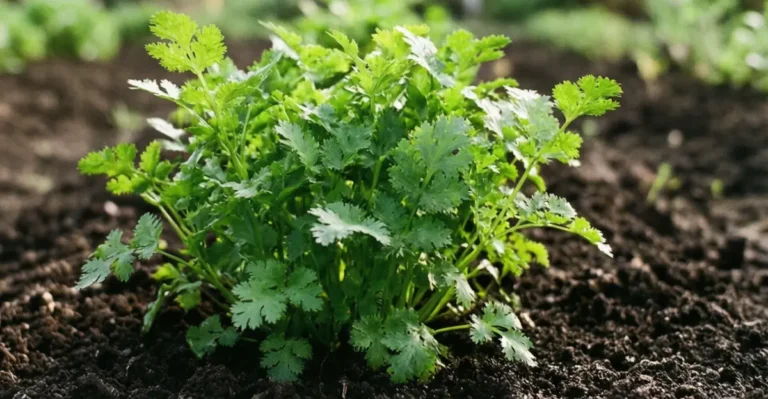
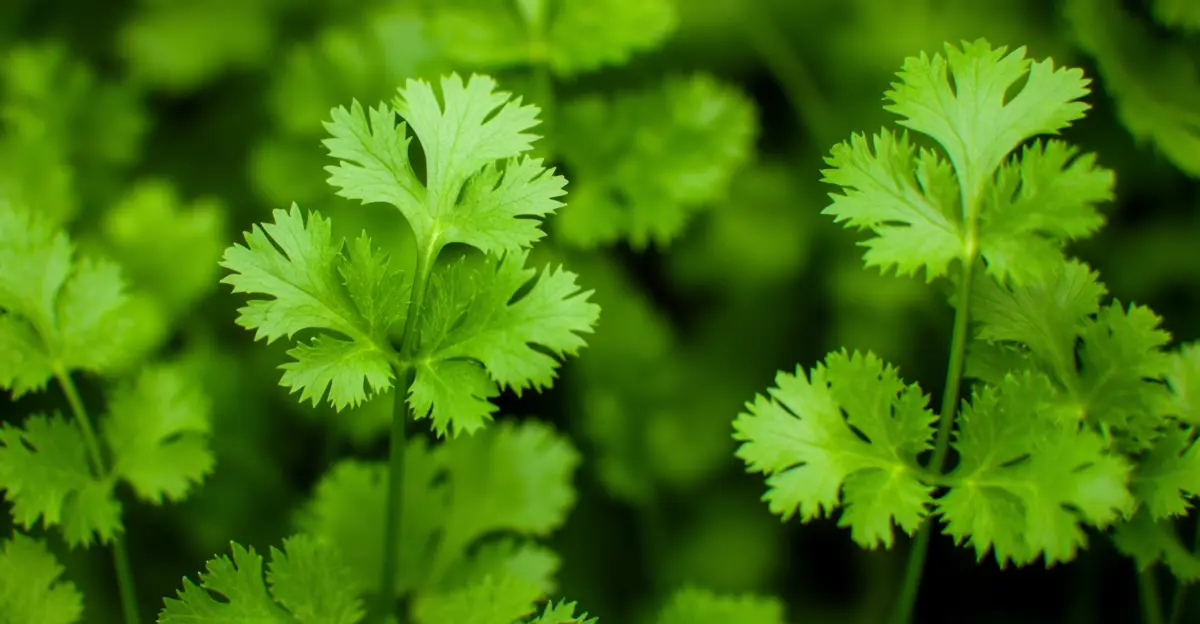
Timeline for Successful Cilantro Growing
Ever wonder why some gardeners boast bountiful harvests of aromatic cilantro while yours bolts before you can even say “salsa”? You’re not alone. The journey of cilantro growing can often feel akin to a delicate dance, fraught with more questions than answers. Is it the soil? The sunlight? Or perhaps, the elusive timing? What if we told you that mastering the timeline for this beloved herb could increase your yield by up to 40%? Forget the guesswork and prepare to unlock the secrets to a thriving cilantro patch, regardless of your gardening experience.
Table of Contents
Tools & Soil Requirements
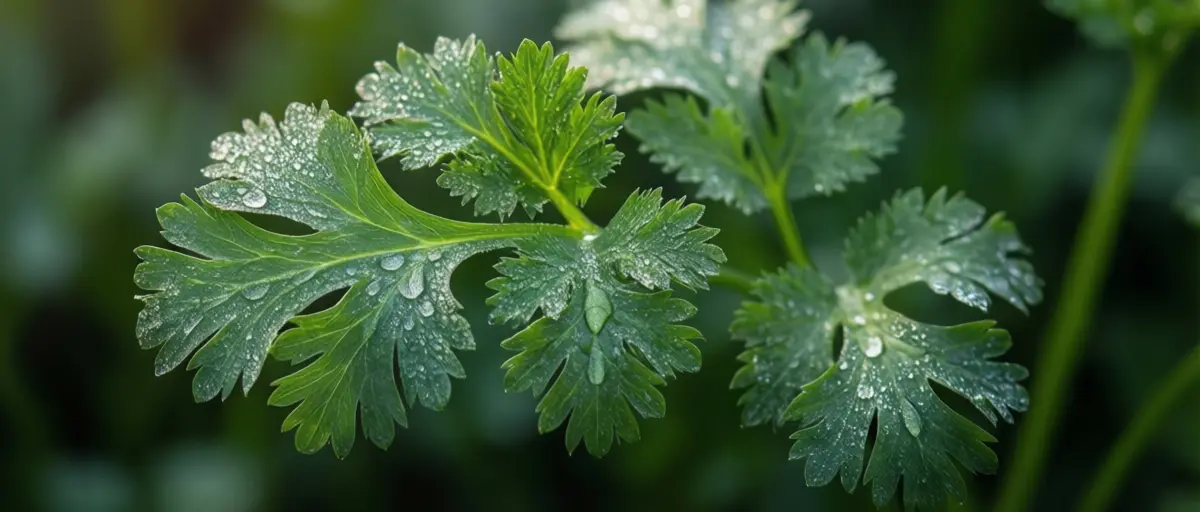
To embark on your successful **cilantro growing** adventure, gathering the right essentials is paramount. Imagine the joy of plunging your hands into rich, fragrant earth, perfectly prepared for new life. Here’s what you’ll need:
- Hand Trowel & Cultivator: For precise planting and gentle soil turning.
- Watering Can or Drip Irrigation: Essential for consistent moisture without over-saturating.
- Seed Starting Trays: Ideal for giving your cilantro a head start indoors, especially in cooler climates.
- Gardening Gloves: To keep your hands clean and protected.
The foundation of robust cilantro lies in its growing medium. Cilantro craves a loamy, well-draining soil with a pH between 6.0 and 7.0. This means a rich, crumbly texture that holds moisture but never becomes waterlogged. Think of soil that feels like a perfectly baked cake – airy but substantial. For urban gardeners or those with challenging native soil, a high-quality potting mix enriched with compost is a game-changer for successful cilantro growing in containers.
Best Planting Season & Timing
Timing truly is everything when it comes to cilantro growing. Forget battling the scorching summer sun; cilantro’s sweet spot lies in the cooler shoulders of the growing season. The ideal windows are early spring, as soon as the last frost has passed, and late summer/early fall, once temperatures begin to recede. Planting during these periods prevents premature bolting (when the plant goes to seed prematurely), a common frustration for many gardeners.
Expect your cilantro seeds to germinate in a brisk 7-10 days, significantly faster than many other herbs. From seed to a harvestable stage, you’re looking at approximately 3-4 weeks. This rapid turnaround means you can enjoy fresh cilantro quickly and even plan for successive plantings every 2-3 weeks to ensure a continuous supply throughout the cooler months. This method can effectively triple your annual yield compared to a single planting.
Step-by-Step Planting Instructions
Cultivating vibrant cilantro from seed is a rewarding experience. Follow these steps to ensure your plants thrive:
Step 1: Seed Preparation – The Secret Soak
Unlock faster germination! Begin by gently crushing your cilantro seeds (which are actually two seeds encased in a husk) to release them. Then, soak them in lukewarm water for 24 hours. This clever trick can shave days off germination time, giving your cilantro a head start and enhancing your cilantro growing success.
Step 2: Optimal Spacing – Room to Breathe
Whether direct sowing or transplanting, precise spacing is key. Plant seeds about ½ inch deep and 1 inch apart in rows spaced 12-15 inches apart. For container growing, aim for 4-6 inches between plants. Adequate air circulation minimizes disease and promotes stronger, healthier growth.
Step 3: Consistent Moisture – The Gentle Touch
Immediately after planting, water gently to settle the soil around the seeds. Maintain consistent moisture, keeping the soil damp but never waterlogged. A fine mist sprayer can be particularly effective during the delicate germination phase of cilantro growing.
Step 4: Thinning for Strength – Survival of the Fittest
Once seedlings emerge and reach a few inches in height, thin them to 4-6 inches apart. This might feel counterintuitive, but it provides stronger plants with ample space, light, and nutrients, leading to a much more robust harvest.
Plant Care Essentials
Understanding the nuanced needs of your cilantro is crucial for maximizing its potential. Let’s delve into the core requirements:
Water Needs: Consistent moisture is the lifeline of happy cilantro. The soil should remain consistently damp, but avoid soggy conditions. Drought stress is a one-way ticket to bolting. Aim for 1 inch of water per week, either from rain or irrigation, adjusting for your climate. In hotter periods, daily watering might be necessary.
Sunlight Requirements: So, does cilantro need full sun? While many herbs bask in full sun, cilantro prefers a slightly more nuanced approach. It thrives in areas that receive 4-6 hours of direct sunlight per day, ideally morning sun, followed by some afternoon shade, especially in warmer climates. Too much intense, hot sun is a primary trigger for bolting, which means your flavorful leaves are quickly replaced by bitter seeds. Partial shade can extend your harvest significantly.
Temperature Tolerance: Cilantro is a cool-season crop, loving temperatures between 50-75°F (10-24°C). Temperatures consistently above 80°F (27°C) will almost certainly cause it to bolt. Conversely, it can tolerate light frosts, making it an excellent choice for early spring and fall planting in USDA hardiness zones 3-11.
Best Varieties & Companion Plants
Diversifying your cilantro growing efforts can lead to greater success and unique flavors.
Recommended Varieties:
- ‘Santo’: A popular, slow-bolting variety with excellent flavor.
- ‘Calypso’: Known for its compact growth and resistance to bolting, ideal for containers.
- ‘Cruiser’: Offers larger leaves and good heat tolerance compared to traditional varieties.
- ‘Caribe’: Another bolt-resistant option, perfect for extending your harvest.
Companion Planting: Cilantro is a generous neighbor in the garden!
- Anise & Dill: These aromatic herbs can enhance cilantro’s flavor and attract beneficial insects.
- Calendula & Nasturtiums: Act as trap crops, luring aphids away from your cilantro, and they look beautiful too!
- Corn & Lettuce: Provide natural shade for cilantro during warmer parts of the day, delaying bolting. Avoid planting near fennel, which can inhibit cilantro’s growth.
Landscape Uses & Harvest Tips
Cilantro isn’t just for the kitchen; its delicate foliage can add a surprising touch of green elegance to your garden!
Landscape Uses:
- Edible Borders: Use compact cilantro varieties as a fragrant border along pathways, inviting a sensory experience with every step.
- Container Gardening: Its airy texture makes it a charming addition to mixed herb containers or even as a filler in ornamental arrangements. Personalize your patio with a dedicated “salsa garden” featuring cilantro, tomatoes, and chilies.
- Raised Beds: Ideal for successive planting, keeping your kitchen consistently stocked.
Harvesting Tips for Continuous Yields:
- Pinch Early, Pinch Often: Begin harvesting once the plant is 6 inches tall. Instead of pulling entire plants, snip off the outer leaves at the base, leaving the inner ones to continue growing. This encourages bushier growth and prolongs your harvest.
- Morning Harvest: Harvest in the cool morning hours for the best flavor and moisture retention.
- Seed Collection: If your cilantro does bolt, don’t despair! Allow some plants to go to seed. The seeds are coriander, a delightful spice for curries and baking.
- Storage: Store freshly picked cilantro in a glass of water in the refrigerator, loosely covered with a plastic bag, for up to a week.
Common Pests & Diseases to Avoid
Even the most meticulous cilantro growing efforts can face challenges. Knowledge is your best defense!
Pests:
- Aphids: Tiny, pear-shaped insects that cluster on new growth. Blast them off with a strong stream of water or spray with insecticidal soap. Data shows neem oil can reduce aphid populations by 60-80% when applied consistently.
- Leaf Miners: Cause winding tunnels in leaves. Remove affected leaves and encourage parasitic wasps (natural predators) by planting companion flowers.
- Spider Mites: Tiny, almost invisible mites that create fine webbing. Increase humidity around plants and use insecticidal soap.
Diseases:
- Damping-Off: A fungal disease affecting seedlings, causing them to collapse. Ensure good drainage, avoid overwatering, and sterilize seed-starting equipment.
- Bacterial Leaf Spot: Appears as small, water-soaked spots that turn brown. Improve air circulation and avoid overhead watering.
- Powdery Mildew: A white, powdery growth on leaves. Ensure good air circulation and consider a neem oil spray.
Organic prevention is key: healthy soil, proper spacing, and attracting beneficial insects significantly reduce pest and disease pressure.
Seasonal Maintenance & Overwintering
Maintaining your cilantro patch throughout its lifecycle ensures a prolonged and productive harvest.
Spring/Summer Maintenance:
- Successive Planting: As mentioned, sow new seeds every 2-3 weeks to ensure a continuous supply, especially important as spring gives way to hotter summer days.
- Bolting Prevention: If signs of bolting appear (a tall central stalk forming), harvest vigorously. Providing afternoon shade and consistent water can delay this process.
Fall/Winter Maintenance:
- Cool-Season Resurgence: In many regions, the return of cooler fall temperatures brings a second wind for cilantro. Continue successive planting.
- Overwintering: In USDA zones 8 and above, cilantro might overwinter naturally in a sheltered spot, potentially offering an early spring harvest. In colder zones, you can bring container-grown cilantro indoors to a bright, cool location, or protect outdoor plants with a cold frame or cloche to extend the harvest. Ensure good airflow to prevent fungal issues.
- Seed Collection (Coriander): Allow some plants to flower and set seed. Once the seeds (coriander) turn brown and dry, snip the stalks, hang them upside down in a paper bag to catch falling seeds, and store them in an airtight container for culinary use or next year’s planting.
Conclusion
Mastering the timeline for cilantro growing transforms it from a fleeting culinary delight into a consistent, rewarding garden staple. By aligning your planting with its preferred cooler seasons, providing optimal soil and sunlight, and employing smart care techniques, you can enjoy an abundant harvest of this versatile herb. Don’t let past struggles deter you; with these data-backed insights and personalized tips, your journey to successful cilantro cultivation is just beginning.
Ready to fill your kitchen with the fresh, zesty flavor of homegrown cilantro? Plant your seeds, share your triumphs, and let’s cultivate a greener world together! We’d love to see your garden progress – tag us in your cilantro photos! For more herb-growing guides and DIY garden projects, explore our related posts.
FAQs
Q1: Why does my cilantro keep bolting so quickly?
A: Rapid bolting is almost always due to heat stress. Cilantro is a cool-season plant and will quickly go to seed when temperatures consistently rise above 75°F (24°C). Lack of consistent moisture can also trigger bolting. For best results, plant in early spring and late summer/early fall, provide afternoon shade, and ensure consistent watering.
Q2: Can I grow cilantro indoors?
A: Yes, cilantro growing indoors is absolutely possible! Provide a bright, south-facing window or use grow lights for at least 6 hours of light daily. Use a well-draining potting mix and keep the soil consistently moist. Be mindful of indoor temperatures; too warm can still lead to bolting.
Q3: How often should I fertilize my cilantro?
A: Cilantro is not a heavy feeder. If you start with fertile, compost-rich soil, you may not need to fertilize at all. If growth seems slow, a light application of a balanced, organic liquid fertilizer (like a diluted fish emulsion) once every 3-4 weeks can be beneficial, but avoid over-fertilizing, which can promote leafy growth at the expense of flavor.
Q4: Can I grow cilantro from store-bought seeds (coriander)?
A: Absolutely! The dried seeds sold as coriander in the spice aisle are the same seeds used for cilantro growing. Just be sure to gently crush the husks to separate the two individual seeds inside before planting to improve germination rates.
Q5: What’s the difference between cilantro and coriander?
A: Fun fact: they are the same plant, Coriandrum sativum! “Cilantro” refers to the fresh leaves and stems of the plant, commonly used in Mexican, Indian, and Southeast Asian cuisine. “Coriander” refers to the dried seeds of the plant, which have a completely different flavor profile and are used as a spice in many dishes.