Companion Planting Secrets: How to Use Co-Planting to Protect Your Tomato Plant Companions.
Have you ever wondered why some tomato patches thrive, boasting plump, juicy yields, while others struggle with pests and diseases, despite identical care? The secret might not be in your watering schedule or fertilizer choice, but right beneath your nose – in the power of tomato plant companions. Data shows that strategically pairing your tomatoes with certain plants can boost yields by up to 30% and naturally deter common pests, all while enhancing soil health. This isn’t just gardening folklore; it’s a scientifically-backed approach to creating a self-sustaining ecosystem right in your backyard. So, if you’re asking yourself what to plant next to tomatoes, prepare to unlock the mysteries of companion planting and transform your tomato harvest!
Table of Contents
Tools & Soil Requirements
Successful companion planting starts with the right foundation. For your tomato plant companions to flourish alongside their star, you’ll need:
- Tools: A sturdy trowel, gardening gloves, watering can or drip irrigation system, pruning shears, and stakes or cages for tomato support. A soil pH testing kit is also highly recommended.
- Soil Type: Tomatoes, and most of their ideal companions, adore loamy, well-draining soil rich in organic matter. Aim for a pH between 6.0 and 6.8. If your soil is heavy clay, amend it with compost and sand to improve drainage. For sandy soils, generous additions of compost will enhance water retention and nutrient availability.
- Climate Conditions: Tomatoes are warm-season crops, thriving in temperatures between 65-85°F (18-29°C). Most beneficial companion plants share similar warmth preferences. Ensure your chosen site receives at least 6-8 hours of direct sunlight daily.
Best Planting Season & Timing
The optimal time to plant your tomato plant companions is after all danger of frost has passed in your region, typically late spring or early summer.
- Planting Season: Generally, May to early June in most temperate climates. For earlier starts, consider indoor seed starting 6-8 weeks before the last frost date.
- Germination Time: Tomato seeds typically germinate in 7-10 days, which is remarkably swift for garden vegetables. Some companion seeds like basil might take 5-10 days, while carrots can take up to 21 days.
- Time to Maturity: Depending on the variety, tomatoes can take anywhere from 60 to 90 days from transplant to first harvest. Fast-growing companions like lettuce or radishes can mature in 30-45 days, allowing for succession planting.
Step-by-Step Planting Instructions
Ready to give your tomato plant companions the best start? Follow these detailed steps:
Choose Your Companions Wisely
Before you even touch the soil, research which what to plant next to tomatoes best suits your goals. Are you battling blight? Basil and chamomile. Worried about hornworms? Marigolds. This initial planning saves time and maximizes benefits.
Prepare the Soil Bed
Once your companion plants are selected, prepare your garden bed. Dig 8-12 inches deep, incorporating 2-3 inches of well-rotted compost. This creates a nutrient-rich, aerated environment that both tomatoes and their companions will love. Think of it as a luxury spa day for your soil!
Plant Your Tomatoes First
Space your tomato plants according to their mature size, usually 2-3 feet apart. Dig a hole deep enough to bury two-thirds of the stem, as tomatoes can root along the stem for stronger plants. Gently place the plant, backfill with soil, and water thoroughly.
Integrate Your Companions Strategically
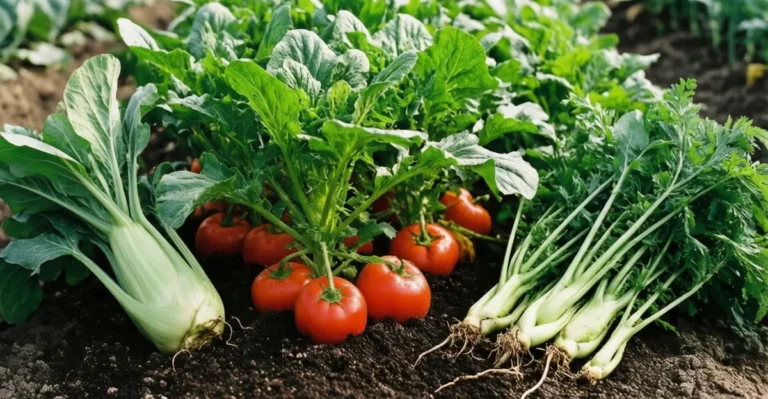
Now for the magic! Plant your chosen tomato plant companions around your tomatoes. For example, plant basil a foot or so away, ensuring it gets enough sun but is close enough to offer its pest-repelling fragrance. Scatter nasturtium seeds at the base, letting them act as a trap crop for aphids.
Water and Mulch
After planting, give everything a good soak. Apply a 2-3 inch layer of organic mulch (straw, shredded leaves, or wood chips) around both your tomatoes and their companions. This helps retain moisture, suppress weeds, and regulate soil temperature, creating a stable microclimate.
Plant Care Essentials
Consistent care ensures your tomato plant companions not only survive but thrive.
- Water Needs: Tomatoes require consistent moisture, especially during fruiting. Aim for 1-1.5 inches of water per week, either from rain or irrigation. Deep, infrequent watering is better than shallow, frequent watering, encouraging deeper root growth. Most good companions, like peppers and carrots, share similar water needs.
- Sunlight Requirements: As mentioned, 6-8 hours of direct sunlight is crucial. Less sun can lead to leggy plants and reduced yields.
- Temperature Tolerance: Both tomatoes and their chosen allies generally prefer temperatures above 60°F (15°C). Be mindful of extreme heat (above 90°F / 32°C), which can cause blossom drop.
- Nutrient Needs: Fertilize with a balanced organic fertilizer at planting, and then a phosphorus- and potassium-rich fertilizer once fruits begin to set. Regular soil tests (once every 2-3 years) help determine specific nutrient deficiencies.
Best Varieties & Companion Plants
Choosing the right varieties and companions is key to a robust garden.
- Disease-Resistant Tomato Varieties: Consider “Celebrity” (resistant to verticillium and fusarium wilt), “Mountain Magic” (early blight), or “Big Beef” (resistant to several common diseases). These varieties provide a strong backbone for your companion planting efforts.
- Creative Companion Plantings:
- Basil: Improves tomato flavor and repels flies and hornworms. Plant a few basil plants around each tomato.
- Marigolds (Tagetes spp.): Specifically French marigolds, repel root-knot nematodes and other harmful pests through chemicals released by their roots. Plant them directly in the rows or borders.
- Borage: Attracts beneficial pollinators (bees!) and predatory wasps, which prey on tomato hornworms. It’s also believed to improve tomato growth and disease resistance.
- Nettles: When planted nearby, nettles are said to enhance the vitality and disease resistance of nearby plants, including tomatoes.
- Carrots: Loose soil around tomato roots makes it easier for carrot roots to grow.
- Chamomile: Enhances the growth and flavor of tomato plant companions and acts as a beneficial insect attractant.
Landscape Uses & Harvest Tips
Companion planting isn’t just practical; it’s aesthetically pleasing too!
- Garden Design: Utilize companion plants to create vibrant, living borders. Marigolds and nasturtiums provide splashes of color, while herbs like basil and parsley add different textures and fragrances. Imagine a pathway lined with fragrant basil leading to your lush tomato patch!
- Container Gardening: For urban gardeners, selecting compact tomato varieties like “Tiny Tim” or “Patio” with smaller companions like dwarf basil or chives works wonders in containers.
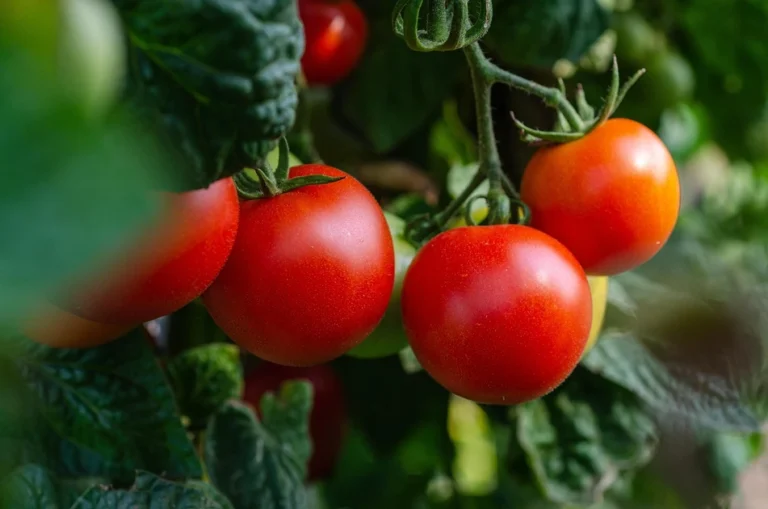
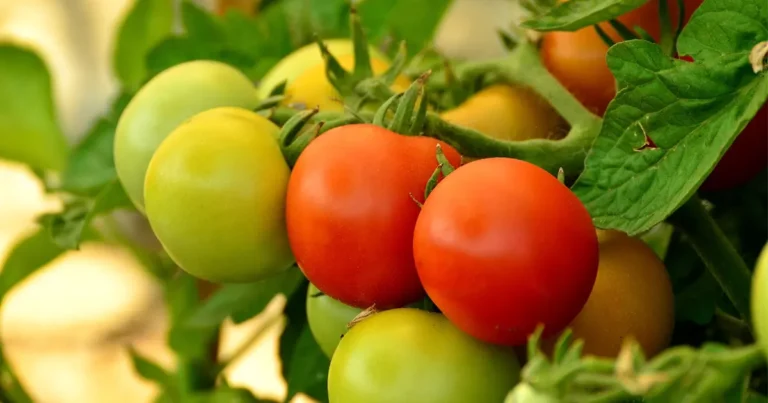
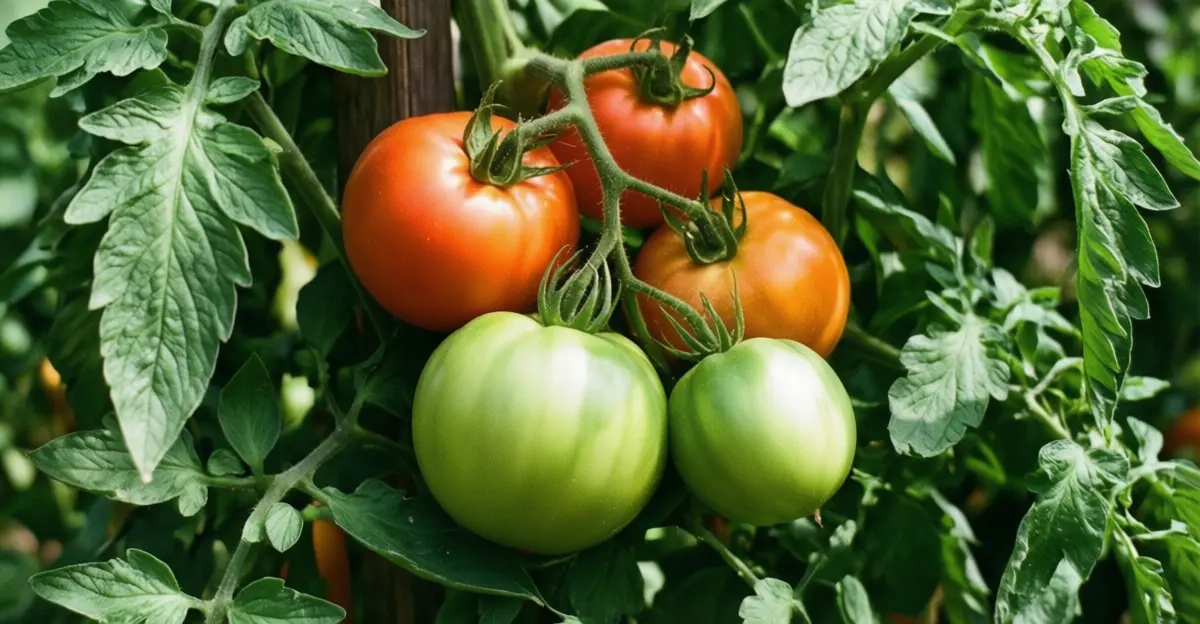
- Harvesting Tomatoes: Pick ripe tomatoes when they are firm and uniformly colored. A gentle twist at the stem should release them easily. Regular harvesting encourages more fruit production.
- Harvesting Companions: Harvest basil by pinching off leaves above a set of true leaves to encourage bushier growth. Marigolds can be deadheaded to promote continuous blooming.
Common Pests & Diseases to Avoid
Even with the best companion plants, vigilance is key for your tomato plant companions.
- Tomato Hornworms: Large green caterpillars that can defoliate a plant quickly. Hand-pick them off or encourage parasitic wasps (attracted by dill, parsley, and borage).
- Aphids: Small sap-sucking insects. Blast with a strong stream of water or introduce ladybugs (attracted to dill and cilantro).
- Early Blight/Late Blight: Fungal diseases that cause brown spots on leaves. Promote good air circulation, avoid overhead watering, and consider resistant varieties. Chamomile is also believed to have mild fungicidal properties.
- Prevention is Key: Proper spacing, good air circulation, and a strong companion planting strategy are your first lines of defense. Inspect your plants regularly for any signs of trouble.
Seasonal Maintenance & Overwintering
While tomatoes are annuals, proper seasonal maintenance for your companion planting system ensures long-term garden health.
- Pruning (Tomatoes): Remove suckers (small shoots that grow in the crotch of a main stem and a leaf) to direct energy into fruit production. This also improves air circulation, reducing disease risk.
- Succession Planting (Companions): For annual companions like basil, plant new batches every few weeks to ensure a continuous supply and pest-repelling aroma.
- End of Season: At the end of the growing season, remove all spent tomato plants and annual companions. Compost disease-free plants to enrich your soil for the next year. For perennial companions, ensure they are mulched generously if your climate requires overwintering.
Conclusion
Embracing the wisdom of companion planting is more than just a gardening technique; it’s a journey into creating a harmonious and resilient ecosystem. By strategically pairing your tomato plant companions, you’re not only protecting your precious harvest from pests and diseases but also enhancing flavor, improving soil health, and attracting beneficial insects. It’s a sustainable, data-proven path to a more productive and enjoyable garden. Don’t let another season pass without experiencing the transformative power of co-planting.
Ready to give your tomatoes the best neighbors they’ve ever had? Start experimenting with these pairings today! Share your garden success stories and photos with us on social media using #TomatoCompanions. And for more in-depth guides on optimizing your vegetable patch, explore our other articles on organic gardening and pest control!
FAQs
Q1: Can I plant any herb next to my tomatoes?
A1: While many herbs are beneficial, some, like fennel, can inhibit tomato growth. Always research specific pairings before planting. Stick to tried-and-true companions like basil, parsley, and dill for best results.
Q2: How close should companion plants be to my tomatoes?
A2: Generally, about 6-12 inches away is ideal. This allows both plants sufficient space for root and foliar growth while still benefiting from each other’s proximity. Some plants, like marigolds, can be planted closer, even at the base.
Q3: Will companion planting completely eliminate pests?
A3: Companion planting is a powerful tool for pest deterrent, but it’s not a magic bullet. It significantly reduces pest pressure and promotes a balanced ecosystem, making your garden less susceptible to severe infestations, but vigilance and other organic pest control methods may still be necessary.
Q4: Should I rotate my companion plants each year?
A4: While critical for heavy feeders like tomatoes, rotating companion plants, especially those that repel specific pests, can also be beneficial. This prevents soil-borne diseases and nutrient imbalances from building up in one area.
Q5: Are there any plants I absolutely shouldn’t plant near tomatoes?
A5: Yes! Corn (attracts corn earworms, also a tomato pest), broccoli, cabbage, and other brassicas (can stunt growth), and walnuts (release juglone, which is toxic to tomatoes) should be kept far away from your tomato plant companions for optimal health and yield.