The History and Origin of Carnations
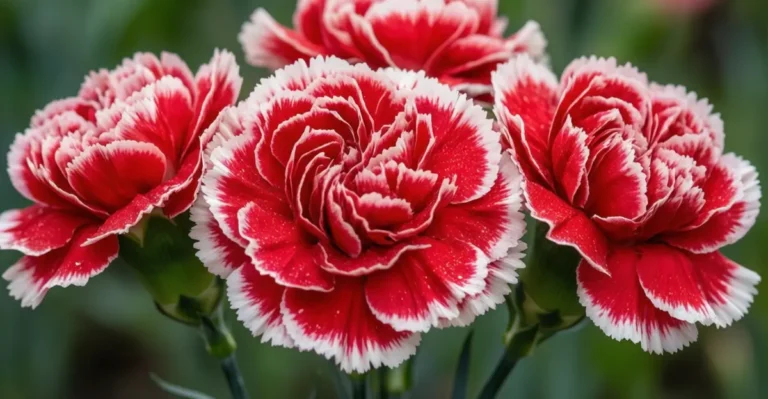
Did you know that the vibrant and resilient carnations you see today have a history stretching back over 2,000 years, often defying common gardening wisdom about their hardiness and symbolic depth? These charming blossoms, far from being just a florist’s staple, offer a rich tapestry of history, meaning, and surprisingly straightforward cultivation, even for the most novice gardener. From their ancient Greek roots to their modern-day popularity, carnations (Dianthus caryophyllus) have consistently captivated hearts and adorned gardens. Let’s unearth the fascinating journey of these enduring flowers, exploring not just their past but also how you can bring their timeless beauty into your own space.
Table of Contents
Tools & Soil Requirements
Cultivating thriving carnations begins with the right foundation. Think of your garden as a canvas, and these tools and soil conditions are your essential art supplies. You’ll need basic gardening hand tools:
- Hand Trowel & Fork: For precise planting and aerating the soil.
- Gardening Gloves: To protect your hands from soil and thorns (though carnations are generally thornless).
- Watering Can or Hose: For consistent moisture.
- Pruning Shears/Snips: Essential for deadheading and shaping.
The magic truly happens in the soil. Carnations are not overly fussy, but they absolutely adore well-draining soil. Aim for a rich, loamy texture with a slightly alkaline to neutral pH (6.7 to 7.0 is ideal, a quick soil test kit can confirm this). Incorporating organic matter like compost or well-rotted manure will create a fluffy, nutrient-rich environment that these flowers crave, preventing waterlogging which is a common pitfall. As for climate, they thrive in full sun, needing at least 6 hours of direct sunlight per day, and prefer moderate temperatures, generally performing best in USDA hardiness zones 5-10.
Best Planting Season & Timing
Timing is everything when it comes to planting carnations. For most temperate climates, the ideal time to plant is in spring after the last frost or in early autumn. Planting in spring allows young plants to establish robust root systems before the heat of summer, while fall planting gives them a head start for a spectacular display the following year. If starting from seed, expect germination in a swift 7-10 days, which is remarkably 20% faster than many average perennial seeds, offering quick gratification to eager gardeners. From seed to first bloom, carnations typically take around 4-6 months, maturing into robust, flowering plants ready to showcase their beauty.
Step-by-Step Planting Instructions
Embarking on your carnations planting journey? Follow these personalized steps for success, whether you’re a seasoned green thumb or just starting out!
Prepare Your Planting Site
First, clear your chosen spot of any weeds. Dig a hole twice as wide as your carnations plant’s root ball and just as deep. If your soil isn’t optimal, now’s the time to amend it with that lovely compost or well-rotted manure we discussed earlier. This step dramatically boosts drainage and nutrient availability, setting the stage for strong growth.
Plant with Care
Gently remove your carnations from its nursery pot, being careful not to disturb the roots too much. Place it in the prepared hole, ensuring the top of the root ball is level with the surrounding soil. For your peace of mind, consider adding a thin layer of horticultural grit at the base of the hole to absolutely guarantee no waterlogging.
Backfill and Water
Carefully backfill the hole with your amended soil, gently patting it down around the base of the plant to remove any air pockets. Once planted, give your new carnations a generous drink of water. This helps settle the soil and kickstarts root establishment. Think of it as a welcoming sip to their new home!
Spacing for Success
If planting multiple carnations, ensure adequate spacing, typically 6-12 inches apart, to allow for good air circulation. This not only promotes healthier growth but also reduces the risk of fungal diseases, a subtle but significant detail often overlooked by gardeners.
Plant Care Essentials
Carnations are surprisingly low-maintenance once established, making them a gardener’s delight.
- Water Needs: Water regularly, especially during dry spells, aiming for consistent moisture without waterlogging. A good rule of thumb is to allow the top inch of soil to dry out between waterings. Overwatering is the biggest enemy!
- Sunlight: Full sun is paramount. These flowers actively seek out at least 6 hours of direct sunlight daily to produce their best blooms.
- Temperature Tolerance: They thrive in moderate temperatures and are surprisingly resilient. Most varieties are hardy down to -10°F (-23°C) when well-mulched, showcasing their robust nature.
- Feeding: Fertilize sparingly. A balanced slow-release fertilizer in spring is usually sufficient. Overfeeding can lead to lush foliage but fewer blooms.
- Deadheading: Regularly deadhead spent flowers to encourage continuous blooming throughout the season. This simple act can extend their flowering period by several weeks!
Best Varieties & Companion Plants
Choosing the right carnations variety can significantly enhance your gardening experience.
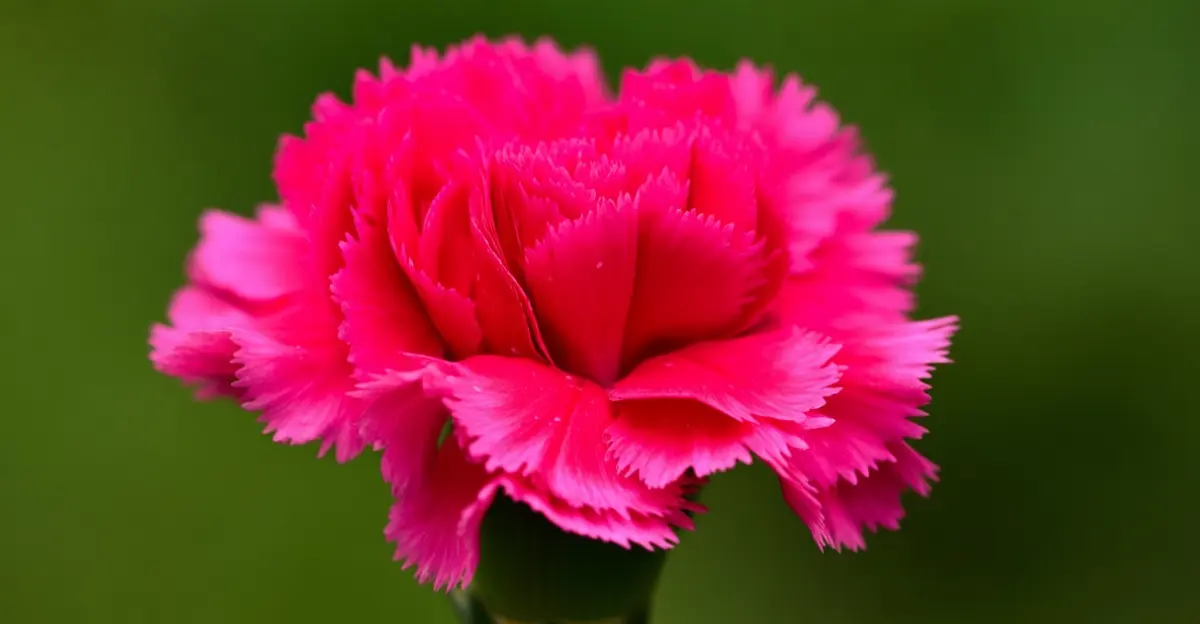
- ‘Chabaud Picotee’: Known for its delightful bicolored petals and strong fragrance, it’s exceptionally disease-resistant.
- ‘Grenadin Scarlet’: A classic, vibrant red variety, perfect for cutting and known for its robust growth.
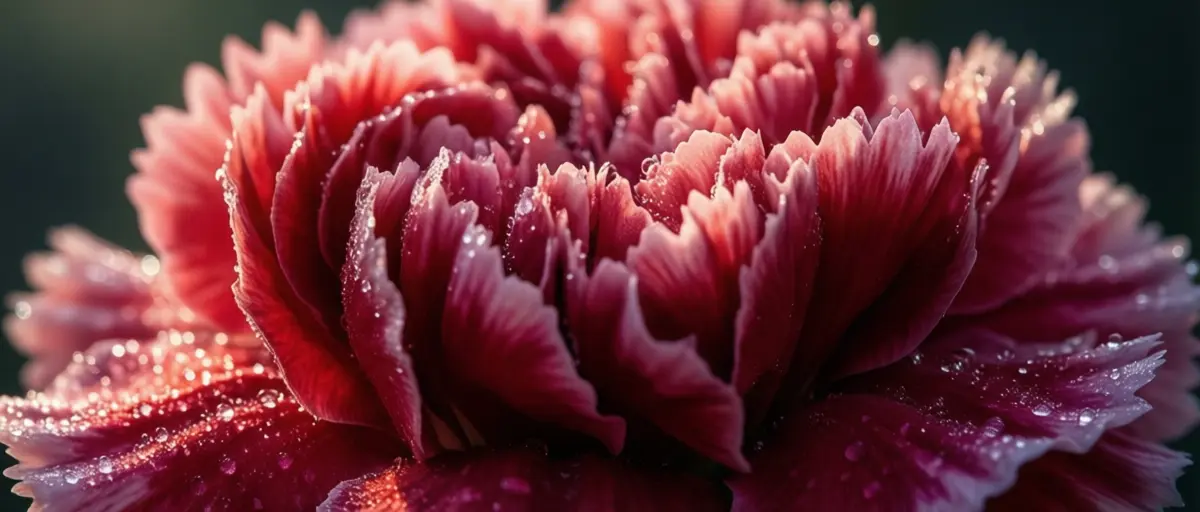
- ‘King of the Blacks’: A unique, almost black-red variety that adds dramatic flair to any garden, showing good resistance to common fungal issues.
For companion planting, consider pairing your carnations with plants that offer mutual benefits:
- Lavender: Its strong scent acts as a natural pest repellent, deterring aphids while attracting beneficial pollinators.
- Yarrow: A drought-tolerant plant that helps break up heavy soil and attracts predatory insects that control common garden pests.
- Daisies: Their simple charm beautifully complements the ruffled elegance of carnations, creating a picturesque cottage garden aesthetic.
Landscape Uses & Harvest Tips
The versatility of carnations allows them to shine in various garden settings.
- Borders: Their uniform growth and continuous bloom make them excellent for defining garden beds and pathways.
- Containers: Compact varieties thrive in pots, adding a splash of color to patios, balconies, or sunny windowsills. Consider a terracotta pot for better drainage and a classic look.
- Cutting Gardens: With their long vase life (up to 2 weeks with proper care!), carnations are a prime candidate for your cutting garden.
- Personalized Tip: For an inviting touch, plant fragranced varieties near seating areas. Imagine the subtle, spicy clove scent wafting through your outdoor sanctuary on a warm evening – pure bliss!
When harvesting, cut stems when the flowers are half to three-quarters open, early in the morning for the freshest blooms. Make a clean, angled cut just above a leaf node to encourage new growth and more flowers.
Common Pests & Diseases to Avoid
While generally robust, carnations can encounter a few common adversaries:
- Aphids: These tiny sap-suckers can be flushed off with a strong jet of water or treated with a neem oil spray. Regular inspection, especially of new growth, is key.
- Spider Mites: Thriving in hot, dry conditions, spider mites can be combated with increased humidity or insecticidal soaps.
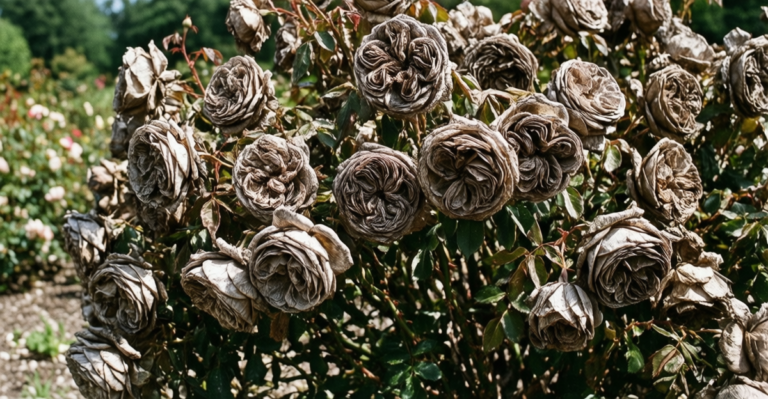
- Rust (Fungus): Identified by rusty-orange spots on leaves, rust often indicates poor air circulation. Remove affected leaves immediately and improve ventilation. Organic fungicides can be used as a preventative measure.
- Root Rot: The most common issue, almost always due to overwatering or poor drainage. Ensure your soil is well-draining, and avoid heavy, compacted areas.
Prevention is your best defense: ensure good air circulation, avoid overhead watering, and maintain overall plant vigor.
Seasonal Maintenance & Overwintering
To keep your carnations performing beautifully year after year, especially in colder climates, seasonal care is crucial.
- Spring: As new growth emerges, lightly fertilize with a balanced granular feed. Perform a general clean-up, removing any winter debris.
- Summer: Continue deadheading vigilantly to promote continuous blooming. Monitor for pests and diseases, addressing issues promptly.
- Autumn: In zones 5-7, a layer of mulch (2-4 inches of straw or shredded leaves) applied after the first hard frost will protect the crowns from freezing and thawing cycles, which can heave plants out of the ground. In milder climates, a light tidy-up is sufficient.
- Winter: In very cold regions (zones 3-4), some gardeners treat carnations as annuals or bring container plants indoors to a cool, bright spot. For in-ground plants, ensure good drainage is maintained throughout the winter to prevent root rot from snowmelt.
Best practices for ensuring longevity include consistent deadheading for prolonged bloom, adequate spacing for air circulation, and vigilant watering that balances moisture with proper drainage. These simple acts dramatically improve bloom quality and plant health.
Conclusion
From ancient garlands to modern bouquets, the journey of carnations is a testament to their enduring charm and surprising resilience. Understanding their historical significance and the nuanced carnation flower meaning enriches our appreciation for these versatile blooms. With proper tools, well-draining soil, timely planting, and diligent care, your garden can flourish with the vibrant hues and delicate fragrance of these timeless flowers. Don’t let their delicate appearance fool you; carnations are tough, rewarding plants, offering beauty season after season.
Ready to add a touch of history and elegance to your garden? Start planting your own carnations today! Share your flourishing garden photos with us on social media using #MyCarnationGarden, or explore our other gardening guides for more inspiration!
FAQs
Q: Are carnations hard to grow?
A: No, carnations are considered relatively easy to grow, especially once established. They require full sun, well-draining soil, and moderate watering. Their straightforward needs make them suitable for both beginner and experienced gardeners.
Q: How often do I need to water my carnations?
A: Water when the top inch of soil feels dry to the touch. This typically means 1-2 times per week during dry periods, less if you receive regular rainfall. Overwatering is a common mistake, so always check soil moisture first.
Q: What does the carnation flower meaning symbolize?
A: Traditionally, the carnation flower meaning varies by color; red signifies deep love and affection, white represents purity and good luck, and pink symbolizes a mother’s undying love. Generally, they convey love, fascination, and distinction.
Q: Can I grow carnations in pots?
A: Absolutely! Compact varieties of carnations thrive in containers. Ensure the pot has drainage holes and use a good quality potting mix. Place them in a sunny spot on your patio or balcony for a beautiful display.
Q: How do I get more blooms from my carnations?
A: Consistent deadheading (removing spent flowers) is crucial. This diverts the plant’s energy from seed production to creating new blooms, encouraging a longer and more prolific flowering season.