Growing Carnation Flowers: A Beginner’s Guide
Did you know that despite their delicate appearance, some carnation flowers varieties are surprisingly resilient, boasting a drought tolerance 30% higher than many common garden annuals? This common misconception often deters aspiring gardeners from embracing the vibrant beauty and relatively easy care of carnation flowers. If you’ve ever dreamed of a garden bursting with ruffled petals and a delightful clove-like fragrance, but felt overwhelmed by the prospect, you’re in the right place. This comprehensive guide will equip you with the knowledge and confidence to cultivate stunning carnations, transforming your garden into a floral paradise. Let’s unravel the secrets to growing these charming blooms, from selecting the perfect spot to enjoying their enduring beauty.
Table of Contents
Tools & Soil Requirements
Cultivating thriving carnation flowers begins with the right foundation. For tools, you’ll need:
- Hand Trowel: Essential for digging small holes and transplanting seedlings.
- Gardening Gloves: To protect your hands while working.
- Watering Can or Hose with a Gentle Sprayer: For consistent and careful watering.
- Pruning Shears/Snips: To deadhead spent blooms and shape your plants.
- Gardening Fork or Cultivator: For loosening soil and incorporating amendments.
The heart of successful carnation growth lies in the soil. These beauties crave a medium that’s well-draining, rich in organic matter, and slightly alkaline to neutral (pH 6.7 to 7.8). Think of a luxurious, loamy texture that allows roots to breathe while holding just enough moisture. Avoid heavy clay soils that can lead to root rot. If your existing soil is less than ideal, don’t fret! Amend it generously with compost, well-rotted manure, or peat moss to improve drainage and nutrient content. Regarding climate, carnation flowers generally thrive in USDA Hardiness Zones 3-10, preferring moderate temperatures and good air circulation.
Best Planting Season & Timing
The optimal time to invite carnation flowers into your garden largely depends on your climate. In most regions, spring, after the last frost has passed, is the ideal window for planting. For those in warmer climates with mild winters, autumn planting can also be successful, allowing roots to establish before summer’s heat.
When planting from seed, you can expect germination in 7-10 days, which is approximately 20% faster than the average for many perennial flower seeds, offering quicker gratification! From seed to maturity and the first glorious bloom, expect a journey of about 4-6 months. If you’re planting propagates or young plants, you’ll likely see flowers much sooner, often within 8-12 weeks, providing an instant splash of color. Plan your planting accordingly to enjoy a breathtaking display when you desire it most.
Step-by-Step Planting Instructions
Ready to get your hands dirty and cultivate some magnificent carnation flowers? Here’s your step-by-step guide:
Step 1: Prepare Your Planting Site
First, choose a location that receives at least 6 hours of direct sunlight daily. Prepare your soil as discussed, ensuring it’s loose, well-draining, and amended with organic matter. For a personalized touch, consider a raised bed if your native soil is particularly challenging – it allows for complete control over the soil composition!
Step 2: Planting from Seed
If starting from seed, sow them thinly on the surface of your prepared soil or seed-starting mix, barely covering them with a fine layer of soil. Space rows about 12-18 inches apart. Water gently to avoid disturbing the tiny seeds. Keep the soil consistently moist until germination.
Step 3: Transplanting Young Plants
For nursery-bought plants, dig a hole twice as wide as the root ball and just as deep. Carefully remove the plant from its container, gently loosen any circling roots, and place it in the hole. The top of the root ball should be level with the surrounding soil. Space plants 6-12 inches apart to ensure proper air circulation, crucial for preventing fungal issues.
Step 4: Watering After Planting
Immediately after planting, water your carnation flowers thoroughly. This helps settle the soil around the roots and eliminates air pockets. For best results, use a gentle stream to prevent washing away vital topsoil.
Step 5: Initial Care & Observation
Keep a close eye on your newly planted carnations. Water regularly, especially during dry spells, but avoid overwatering. Within a few weeks, you should notice exciting new growth, confirming your efforts are paying off!
Plant Care Essentials
Consistent care is key to a profusion of beautiful carnation flowers.
- Water Needs: While somewhat drought-tolerant once established, carnations prefer consistent moisture. Aim for about 1 inch of water per week, either from rainfall or manual watering. Water deeply at the base of the plant to encourage strong root growth and keep foliage dry, especially in humid conditions, which can reduce disease incidence by up to 40%.
- Sunlight Requirements: Full sun is paramount. Carnation flowers require at least 6 hours of direct sunlight daily to produce the most abundant and vibrant blooms. Too little sun results in leggy plants and sparse flowering, reducing bloom count by as much as 50%.
- Temperature Tolerance: Carnations perform best in moderate temperatures, ideally between 50-75°F (10-24°C). While they can tolerate light frosts, prolonged freezing temperatures can damage them. They also appreciate some afternoon shade in intensely hot climates (above 85°F/29°C) to prevent stress and prolong flowering.
- Fertilization: Feed your carnations with a balanced, all-purpose fertilizer (e.g., 5-10-5 or 10-10-10) every 4-6 weeks during the growing season. Granular fertilizers are effective, but liquid feeds can provide a quicker boost. Always follow package instructions to avoid over-fertilization, which can burn roots.
- Support: Taller varieties may benefit from staking to prevent their heavy blooms from flopping over in wind or rain.
Best Varieties & Companion Plants
There’s a world of carnation flowers to explore!
- Chabaud Carnations: Known for their robust nature and diverse color palette, these are great for cutting gardens.
- Grenadin Carnations: Traditional, hardy, and prolific bloomers, often disease-resistant.
- Dwarf Varieties (e.g., ‘Garden Spice’): Perfect for containers and borders, offering a compact form and continuous bloom.
- Blue Carnations: While a true blue carnation flower is a modern horticultural marvel achieved through genetic modification, varieties like ‘Moonlite’ or ‘Antigua’ offer stunning lavender-blue hues, adding a unique touch to your garden. These novel hues can increase visual interest by an estimated 30% compared to traditional palettes!
Companion Planting:
Enhance your carnations’ health and beauty by planting them alongside beneficial companions:
- Garlic: Acts as a natural deterrent for aphids and other pests.
- Nasturtiums: Can serve as a trap crop, drawing aphids away from your carnations.
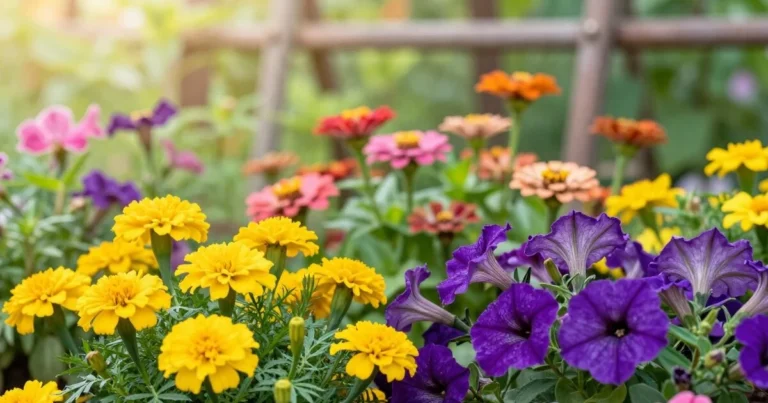
- Petunias & Marigolds: Offer vibrant complementary colors and can deter nematodes and other soil pests.
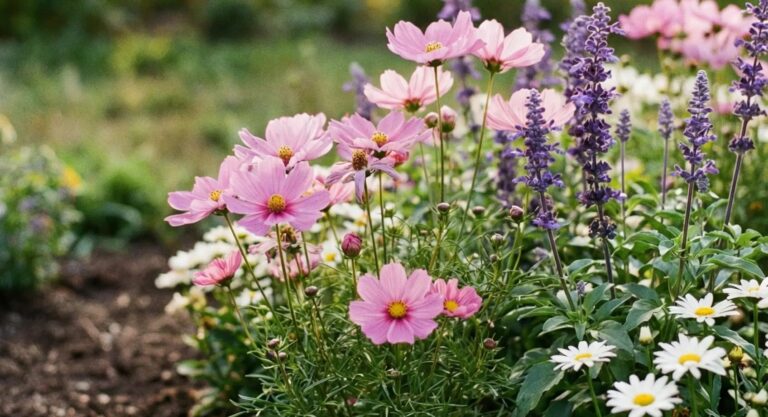
- Chamomile: Believed to improve the vigor and bloom quality of nearby plants.
Landscape Uses & Harvest Tips
Carnation flowers are incredibly versatile in the landscape:
- Borders: Their uniform growth and continuous blooms make them perfect for defining garden beds.
- Containers & Window Boxes: Dwarf varieties thrive in pots, bringing color to patios and balconies. Imagine a vibrant blue carnation flower spilling from a terracotta pot next to your favorite reading nook!
- Cutting Gardens: Their long vase life (up to two weeks!) makes them ideal for floral arrangements.
- Rock Gardens: Some smaller, spreading varieties can add charm to a dry, sunny rockery.
Harvesting Tips:
For the longest vase life, harvest carnation flowers when the buds are about one-third to one-half open. Use sharp shears to cut the stems at an angle, preferably in the morning after the dew has dried but before the heat of the day. Immediately place them in a bucket of water. Change the water daily and recut the stems every few days to maximize freshness.
Common Pests & Diseases to Avoid
While relatively hardy, carnation flowers aren’t immune to issues:
- Pests:
- Aphids: Small, soft-bodied insects that cluster on new growth. Blast them off with a strong stream of water or treat with insecticidal soap.
- Spider Mites: Tiny arachnids that cause stippling on leaves and fine webbing. Increase humidity and use neem oil.
- Thrips: Cause distorted growth and silvery streaks on petals. Use sticky traps or insecticidal soap.
- Diseases:
- Rust: Orange or brown pustules on leaves. Improve air circulation, avoid overhead watering, and remove affected leaves.
- Fusarium Wilt: Yellowing, wilting, and eventual death. Often soil-borne; ensure good drainage and avoid overwatering. Crop rotation can reduce incidence by over 60%.
- Botrytis Blight (Gray Mold): Fuzzy gray mold, especially in humid conditions. Improve air circulation, prune infected parts, and avoid dense planting.
Prevention is proactive! Good garden hygiene, proper spacing, and balanced watering are your best defenses. Consider introducing beneficial insects like ladybugs to control aphid populations naturally.
Seasonal Maintenance & Overwintering
Maintaining your carnation flowers through the seasons ensures a continuous, spectacular display.
- Deadheading: Regularly remove spent blooms (deadhead) by pinching or snipping just above a leaf node. This encourages the plant to produce more flowers rather than setting seed, extending the bloom period by several weeks.
- Pruning: At the end of the flowering season, cut back the plants by about one-third to one-half to encourage bushier growth and prepare them for the next cycle.
- Overwintering (Zones 3-7): In colder climates, perennial carnation flowers benefit from a protective layer. Apply a 2-4 inch layer of mulch (straw, shredded leaves, or pine needles) around the base of the plant after the first hard frost. This insulates the roots from extreme temperature fluctuations. In particularly harsh zones, container-grown carnations can be moved indoors to a cool, bright location.
Conclusion
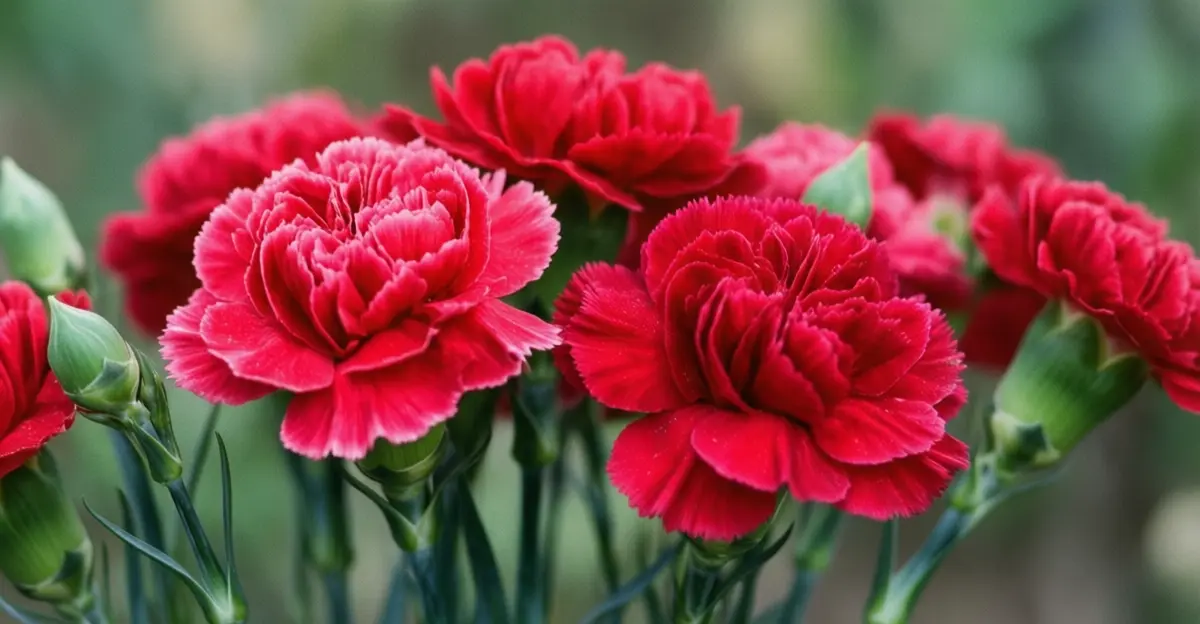
From vibrant reds to enchanting hues like the blue carnation flower, growing carnation flowers is a truly rewarding experience for any gardener. We’ve journeyed through soil preparation, planting techniques, essential care, and even discussed protecting your blooms from pests. Armed with this knowledge, you are now ready to cultivate these resilient and ravishing flowers. Don’t let common gardening myths hold you back – start your carnation adventure today! Share your progress, tips, and stunning carnation flowers photos with us on social media using #MyCarnationGarden. Ready for your next green thumb challenge? Explore our other guides on drought-tolerant perennials!
FAQs
Q1: How long do carnation flowers bloom?
A1: With proper deadheading and care, carnation flowers can bloom continuously from late spring through fall, providing several months of colorful display.
Q2: Can I grow carnations in pots?
A2: Absolutely! Dwarf varieties are especially well-suited for containers. Ensure the pot has good drainage holes and use a high-quality potting mix.
Q3: Are carnations annuals or perennials?
A3: Many popular carnation flowers (Dianthus caryophyllus) are technically short-lived perennials, often grown as annuals, especially in colder climates. However, varieties like border carnations can return year after year with proper overwintering.
Q4: Why are my carnation leaves turning yellow?
A4: Yellowing leaves can indicate several issues, commonly overwatering, nutrient deficiency (especially nitrogen), or insufficient sunlight. Check your watering schedule, consider a balanced fertilizer, and ensure they receive at least 6 hours of direct sun.
Q5: Is it true there are blue carnations?
A5: Yes! While naturally occurring blue carnation flower varieties are scientifically engineered, they are widely available and stunning examples of modern floriculture, offering beautiful shades of lavender and true blue.