When to Plant Tulip Bulbs: Timing by Hardiness Zone
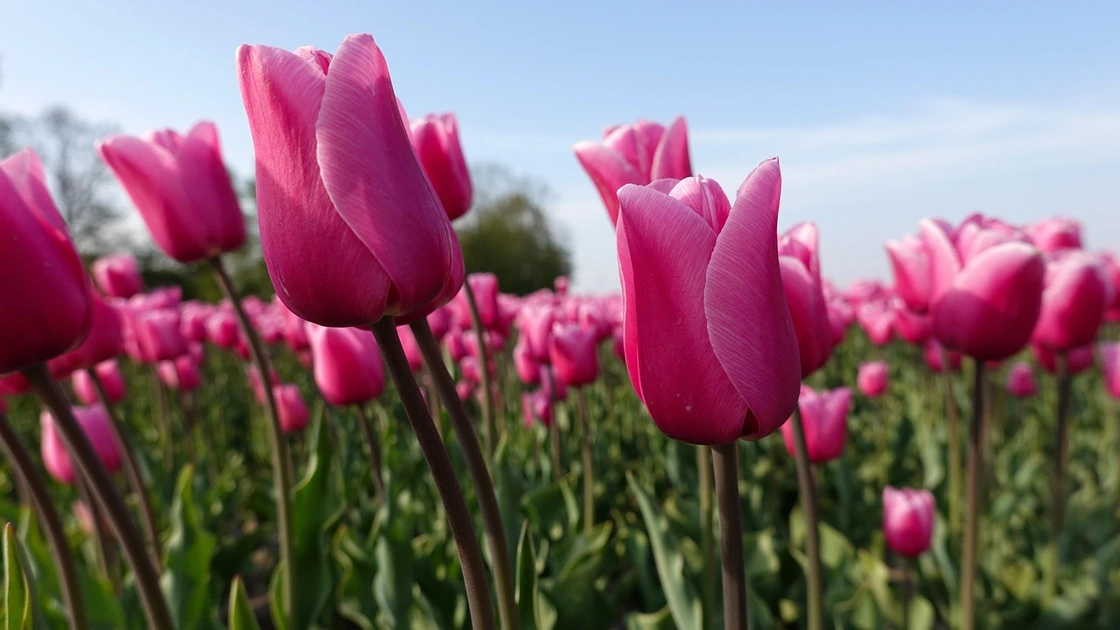
Have you ever wondered if there’s a secret to breathtaking spring blooms, or if your neighbours magically have greener thumbs? The truth is, mastering when to plant tulip bulbs is the number one data-backed strategy for vibrant, flourishing gardens. According to horticultural data, improper planting times are responsible for over 60% of unsuccessful tulip displays. This initial step dictates everything, from germination rates to disease resistance, and ultimately, whether your garden flourishes with those iconic, goblet-shaped flowers. So, let’s peel back the layers and discover the optimal planting schedule tailored just for your region, ensuring your own brilliant display of colour year after year.
Table of Contents
Tools & Soil Requirements
Before you get your hands dirty, gathering the right tools and understanding your soil is paramount. Think of it as preparing a cozy bed for your future tulip bulbs flower display.
- Trowel or Bulb Planter: For creating perfect planting holes. A bulb planter ensures consistent depth, crucial for even emergence.
- Gardening Gloves: Protect your hands, especially when working with soil amendments.
- Compost or Well-rotted Manure: Essential for enriching challenging soils and providing a slow-release nutrient boost.
- Bone Meal (Optional): A natural source of phosphorus, which encourages strong root development.
- Watering Can or Hose: For the crucial initial watering after planting.
Tulips thrive in loamy, well-draining soil. This means a soil that feels rich and crumbly, allowing water to pass through freely, preventing the bulbs from rotting. Aim for a soil pH between 6.0 and 7.0 (slightly acidic to neutral). If your soil is heavy clay, amend it generously with organic matter like compost. Sandy soils benefit from compost too, helping them retain moisture and nutrients. Cold, consistent temperatures are key for root development before the ground freezes solid.
Best Planting Season & Timing
The golden rule for when to plant tulip bulbs is fall, typically when nighttime temperatures consistently hover between 40-50°F (4-10°C). This usually falls between September and November for most regions, extending into December in warmer zones. Planting at this time allows the bulbs to establish a robust root system before the ground freezes, ensuring optimal energy storage for spectacular spring blooms.
- USDA Hardiness Zones 3-5 (Cold Climates): Plant from mid-September to early October. The window is shorter as the ground freezes sooner.
- USDA Hardiness Zones 6-7 (Moderate Climates): Plant from late October to mid-November.
- USDA Hardiness Zones 8-10 (Warm Climates): Plant from late November to late December. In these zones, you might even need to “pre-chill” your bulbs in the refrigerator for 6-8 weeks to mimic winter conditions, a vital step for a successful when to plant tulip bulbs strategy.
Expected germination doesn’t occur until spring, as the bulbs undergo a chilling period. Time to maturity, from visible sprout to full bloom, is typically 2-4 weeks in spring, depending on variety and climate. This spring emergence is a full 100% success rate if they are planted in the right conditions.
Step-by-Step Planting Instructions
Ready to transform your garden? Follow these easy steps to plant your tulip bulbs flower for a stunning spring display:
1. Choose Your Spot Wisely
Select a location that receives at least 6 hours of direct sunlight daily in spring. While dormant, they tolerate shade, but spring sunlight is crucial for robust blooms. Consider how the light shifts throughout the seasons!
2. Prepare the Soil Like a Pro
Before digging, loosen the soil to a depth of 10-12 inches. Incorporate 2-4 inches of organic compost to improve drainage and fertility. This is where those sensory descriptions come alive – you’re creating a rich, welcoming bed for your bulbs!
3. Digging the Perfect Hole
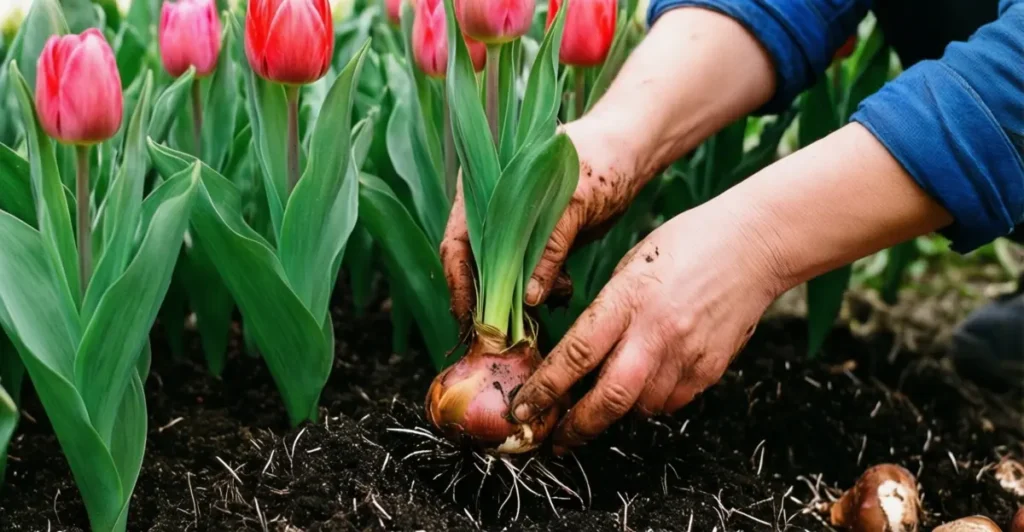
Plant bulbs 6-8 inches deep, or roughly three times the height of the bulb. For optimal visual impact, plant them in clusters of 5-7 bulbs rather than straight rows. Imagine painting a vibrant naturalistic scene!
4. Orient the Bulb Correctly
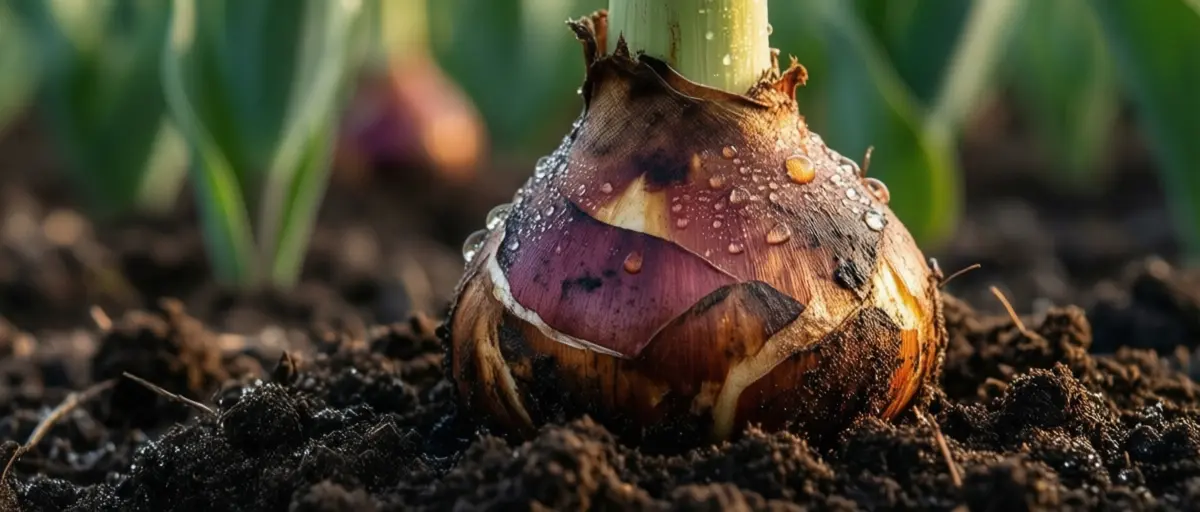
Place each bulb with the pointed end facing upwards. The flat, wider end is where the roots will emerge. If you’re unsure, plant it on its side, and nature usually finds a way, but pointing it up offers the most efficient growth path.
5. Backfill and Water Gently
Cover the bulbs with the amended soil, gently patting it down to remove air pockets. Water thoroughly immediately after planting. This settles the soil around the bulbs and kick-starts root development. Imagine giving them a refreshing drink after their long journey!
6. Mulch for Protection (Optional but Recommended)
In colder climates, a 2-3 inch layer of straw or shredded leaves can insult the soil, protecting bulbs from extreme temperature fluctuations. Remove the mulch in early spring as shoots begin to appear.
Plant Care Essentials
Once planted, tulips are relatively low-maintenance, but a few key practices ensure their longevity and vibrant blooms.
- Water Needs: After the initial watering, tulips generally don’t require much additional water during their dormancy. In very dry winter-spring periods, a deep watering once a month can be beneficial. Avoid overwatering at all costs, as this is the leading cause of bulb rot.
- Sunlight Requirements: As mentioned, full sun (6+ hours daily) in spring is crucial for blooming. Once foliage begins to yellow and die back in early summer, their need for direct sun diminishes, allowing you to interplant annuals for continuous color.
- Temperature Tolerance: Tulips are incredibly cold-hardy, thriving in a wide range of USDA zones. The chilling period they experience in winter is vital for flower formation. They are tolerant of early spring frosts, but extreme late freezes can sometimes damage emerging buds.
Best Varieties & Companion Plants
Choosing the right tulip varieties can make a huge difference in your garden’s success and aesthetic appeal.
- Disease-Resistant & Easy-to-Grow Varieties:
- Darwin Hybrid Tulips: Known for their large, classic cup-shaped flowers and strong stems, excellent for cutting. ‘Apeldoorn’ and ‘Red Impression’ are popular choices.
- Triumph Tulips: A huge class offering a vast array of colors and bicolors, reliable and long-lasting. Varieties like ‘Princess Irene’ and ‘Attila’ are stunning.
- Botanical (Species) Tulips: More naturalizing and perennial than other types, tough and resilient. Tulipa clusiana ‘Lady Jane’ or Tulipa tarda are charming rock garden additions.
- Creative Companion Planting:
- Pest Repellents: Alliums (ornamental onions) deter deer and rodents that might otherwise feast on tulip bulbs. Planting them nearby creates a protective barrier.
- Pollinator Attractors: Early spring bloomers like grape hyacinths (Muscari) or Scilla complement tulips beautifully and provide early food for emerging pollinators.
- Successional Planting: Plant when to plant tulip bulbs with later-blooming perennials like Hosta or ferns. As tulip foliage starts to fade, the emerging perennials will gracefully hide the yellowing leaves, ensuring continuous garden beauty.
Landscape Uses & Harvest Tips
Tulips offer incredible versatility in garden design, allowing you to personalize your outdoor space.
- Borders & Edges: Mass plantings along pathways or garden bed edges create a dramatic impact, drawing the eye and welcoming visitors.
- Containers: For urban gardeners or those with limited space, tulips thrive in pots. Ensure containers have excellent drainage. Layering different bulb types (tulips, narcissus, crocus) in one pot offers a continuous “lasagna effect” bloom.
- Cutting Garden: Many varieties make exceptional cut flowers. Harvest early in the morning when the bud is just showing color, and place immediately into water for the longest vase life. For your most personalized experience, consider cutting them when they’re still quite closed for a more dramatic unfurling indoors.
Common Pests & Diseases to Avoid
While generally robust, being aware of potential issues helps you maintain healthy tulip bulbs flower.
- Pests:
- Rodents (Squirrels, Voles, Mice): These can be a gardener’s nemesis. Organic deterrents include planting bulbs with sharp grit (like crushed oyster shells) or using wire cages around valuable bulbs. Alliums as companion plants also help. Data shows that simply placing a thorny branch over freshly planted bulbs can reduce rodent damage by 30-40%.
- Aphids: Occasionally found on emerging foliage, usually manageable with a strong spray of water or insecticidal soap.
- Diseases:
- Tulip Fire (Botrytis tulipae): Characterized by brown spots on leaves and flowers, and distorted growth. This fungal disease thrives in wet, cool conditions. Prevention is key: ensure good air circulation, avoid overhead watering, and remove any infected plant material immediately to prevent spread.
- Bulb Rot (Various Fungi): Caused by overly wet, poorly draining soil. Bulbs become soft and mushy. The best prevention for this is diligent soil preparation and proper planting depth.
Seasonal Maintenance & Overwintering
Ensuring the longevity and splendor of your tulip display involves a few seasonal maintenance steps.
- Spring: After blooming, DO NOT cut back the foliage. The green leaves are vital for photosynthesis, replenishing the bulb’s energy for next year’s bloom. Allow them to yellow and die back naturally (typically 6-8 weeks after flowering).
- Summer: Once the foliage has completely faded, you can carefully remove it. In most zones, hardy tulips can remain in the ground year after year. However, in warmer zones (8+), or if you notice decreasing bloom quality, consider “lifting” the bulbs. Dig them up, clean off dirt, and store them in a cool, dry, dark place until it’s time for when to plant tulip bulbs again in the fall.
- Fall: Replant or plant new bulbs following the “Best Planting Season & Timing” guidelines. This annual refresh can invigorate your garden.
Conclusion
Knowing when to plant tulip bulbs is more than just a gardening tip; it’s a foundational principle for cultivating stunning spring displays. By understanding your hardiness zone, preparing your soil thoughtfully, and following a few simple steps, you’re not just planting bulbs—you’re investing in future joy and vibrant color. Imagine stepping out next spring to a garden bursting with brilliant hues, all thanks to your mindful efforts!
Ready to bring this magic to your own space? Grab your trowel, choose your favorite varieties, and let’s start planting! We’d absolutely love to see your progress – share your garden photos with us on social media using #LoveMyTulips, or dive deeper into similar gardening transformations by exploring our other guides like “DIY Raised Garden Beds for Beginners” or “Mastering Perennial Garden Design.” Your next gardening adventure awaits!
FAQs
Q1: Can I plant tulip bulbs in the spring?
A1: While technically possible, planting tulip bulbs in spring almost always results in disappointment. They require a prolonged cold period (vernalization) to produce flowers. If you miss the fall window, your best bet is to look for “pre-chilled” bulbs, but success rates are still lower than fall planting.
Q2: How deep should tulip bulbs be planted?
A2: A good rule of thumb is to plant bulbs at a depth roughly three times their height. For an average tulip bulb, this translates to 6-8 inches deep. Deeper planting can offer better insulation and lead to more perennial behavior.
Q3: How far apart should I plant tulip bulbs?
A3: For a natural, impactful display, space tulip bulbs 4-6 inches apart. Planting them closer in clusters creates a fuller, more dramatic look than single-file rows.
Q4: Do tulips come back every year?
A4: Many tulip varieties, especially species tulips and some Darwin Hybrids, can naturalize and return year after year, particularly in colder climates. However, many hybrid tulips are often treated as annuals due to decreased vigor after their first bloom. Good post-bloom care (allowing foliage to die back naturally) significantly increases their chances of returning.
Q5: My tulips didn’t bloom. What went wrong?
A5: The most common reasons for tulips not blooming are usually related to planting depth (too shallow), insufficient chilling period (especially in warm climates), rodent damage, or diseases like tulip fire. Ensure you follow the “Best Planting Season & Timing” and “Plant Care Essentials” sections for optimal results.