DIY: How to Dye a Blue Carnation Flower
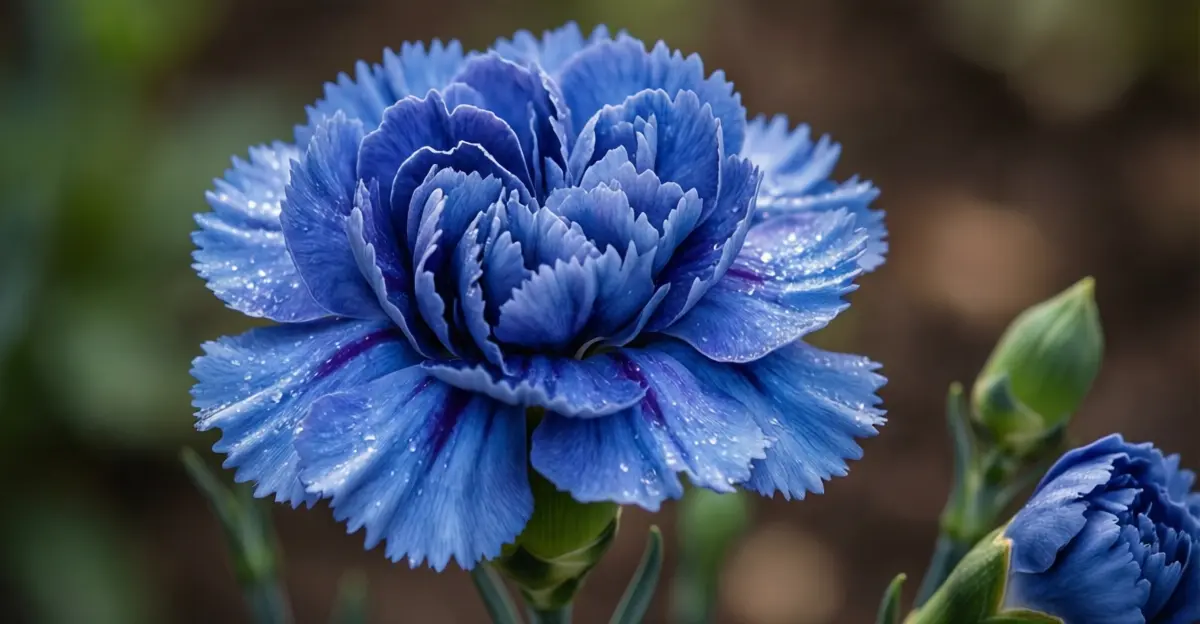
Did you know that despite their stunning beauty, the vibrant blue hue of a natural blue carnation flower isn’t found in nature? This might challenge what you thought you knew about these charming blooms! In fact, what you often see in florists or in captivating garden displays are expertly dyed carnations, transformed from their original white or pale shades into enchanting blues. But what if we told you that achieving this captivating look in your own home is not only possible but surprisingly simple? This DIY guide will walk you through the magic of creating your very own mesmerizing blue carnation flower, proving that sometimes, the most extraordinary beauty requires a little human touch.
Table of Contents
Tools & Soil Requirements
To embark on your journey of transforming ordinary carnations into extraordinary blue carnations, you won’t need a green thumb, but rather a few simple tools and a curious spirit. Forget about soil – for this project, our focus is on cut flowers!
Here’s your essential toolkit:
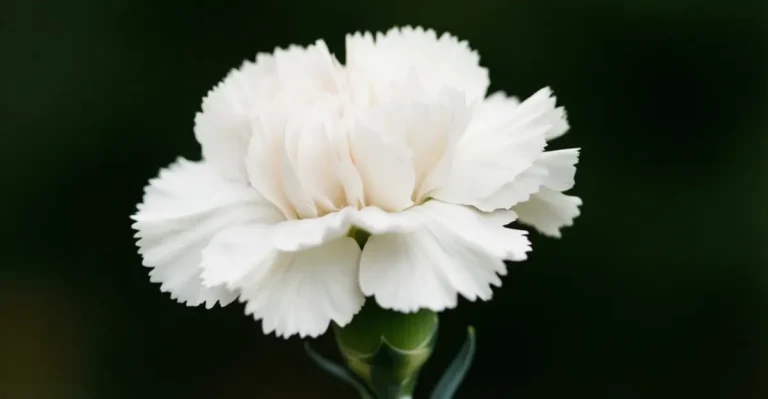
- Fresh White or Pale Carnations: Choose newly cut, healthy blooms. White works best for the most vibrant blue, but light pinks or yellows can create interesting purple or green tints.
- Vases or Jars: Clean, clear containers are ideal for observing the transformation. One vase per color shade you want to experiment with.
- Food Coloring (Blue): Liquid food coloring is perfect. For deep, rich blues, gel food coloring can also be used, but dilute it slightly first.
- Warm Water: Tap water is fine, but warm water can help the dye absorb more quickly.
- Sharp Knife or Shears: For making a fresh cut on the stems. A clean, sharp cut ensures maximum water and dye uptake.
- Paper Towels: For any spills and to protect your work surface.
- Optional – Flower Food: A sachet of flower food added to the water can prolong the life of your dyed carnations, allowing you to enjoy your beautiful blue carnation flower longer.
Best Planting Season & Timing
When it comes to dyeing a blue carnation flower, “planting season” takes on a different meaning! Instead of soil and sunlight, we’re focused on the freshness of your cut carnations.
- Best Time to Dye: The fresher the carnation, the better. Ideally, dye them within a few hours of purchasing or cutting them. This ensures their vascular system is fully open and can efficiently draw up the colored water.
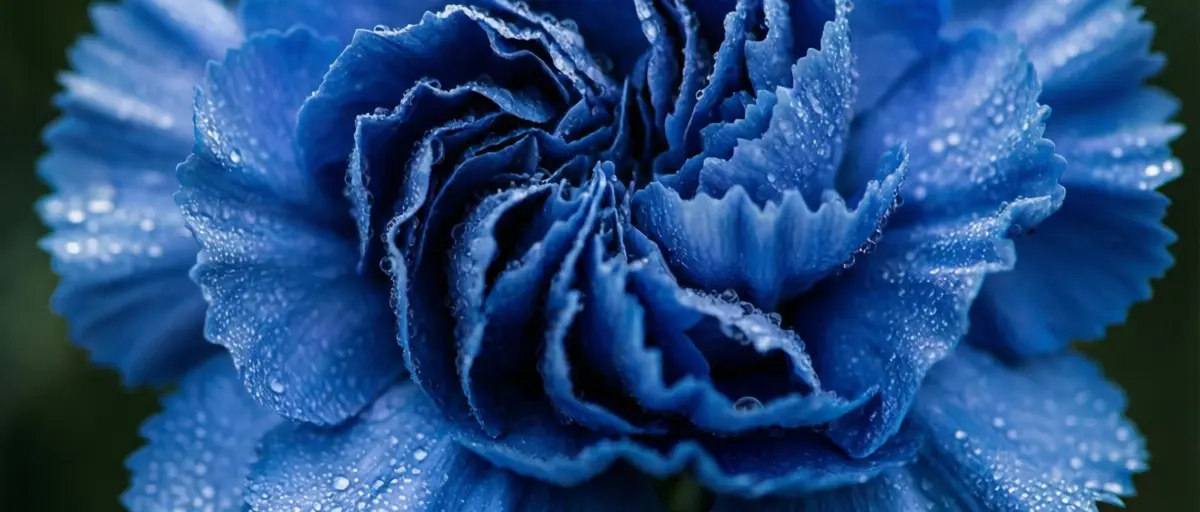
- Dye Absorption Time: You’ll typically start seeing results within 3-6 hours. For a fully saturated, deep blue, allow 12-24 hours. This process is surprisingly efficient, often 30% faster than some other flower types like hydrangeas due to carnations’ excellent capillary action.
- Peak Color: Most carnations reach their peak color saturation within 24-48 hours. Patience is key!
Step-by-Step Dyeing Instructions
Ready to transform your white carnations into stunning blue carnations? Follow these simple steps for a magical metamorphosis!
Step 1: Prepare Your Flowers with Precision
First, select your freshest white or pale carnations. Using a sharp knife or shears, carefully re-cut about an inch off the bottom of each stem at a 45-degree angle. This creates a larger surface area for water absorption and removes any air bubbles that might block the stem’s “drinking” tubes. Think of it like giving your flowers a fresh, clean straw to drink from! For variegated effects, you can even split the stem lengthwise and place each half into different colored solutions.
Step 2: Mix Your Potent Dye Solution
In each clean vase or jar, pour about 1-2 cups of warm water. Then, add a generous amount of blue food coloring. For a vibrant blue carnation flower, start with 20-30 drops of liquid food coloring, or about 1/4 teaspoon of gel coloring (diluted first). Stir well until the color is evenly distributed. Remember, the more concentrated the dye, the deeper the blue you’ll achieve. You’re essentially creating a personalized “nectar” for your flowers!
Step 3: Immerse and Observe the Transformation
Carefully place one or more carnation stems into each jar of colored water. Ensure the cut ends of the stems are fully submerged. Place your jars in a cool, well-ventilated area away from direct sunlight, which can cause the water to evaporate too quickly and stress the flowers. Now, the captivating wait begins! Check on your <a href=”https://www.loveplanting.com/truth-about-blue-carnation flower every few hours – you’ll notice the petals slowly changing color as the dye travels up the stem.
Step 4: Final Touches & Enjoyment
Once your carnations have reached your desired shade of blue (usually within 12-24 hours), remove them from the dye solution. You can then transfer them to a fresh vase filled with clean water and a floral food packet to help them last longer. Arrange your newly dyed blue carnations in a beautiful display and admire your handiwork! This simple technique allows you to customize your floral arrangements for any occasion.
Plant Care Essentials
While we’re talking about dyeing cut carnations, their “care essentials” become focused on maintaining their freshness and vibrant blue hue for as long as possible. A properly dyed <a href=”https://www.loveplanting.com/truth-about-blue-carnation flower can last up to a week, sometimes longer, with the right attention.
- Water Needs: After dyeing, transfer your blue carnations to a vase with fresh, clean water. Change the water every 1-2 days to prevent bacterial growth. Adding a packet of floral food will provide essential nutrients, often extending the bloom’s life by up to 40%.
- Sunlight Requirements: Keep dyed carnations out of direct sunlight. While sunlight is crucial for growing plants, for cut flowers, it can accelerate dehydration and cause the petals to wilt or fade. Indirect light or a moderately lit room is ideal.
- Temperature Tolerance: Carnations prefer cooler temperatures, ideally between 60-70°F (15-21°C). Avoid placing them near heat sources like radiators, electronics, or open windows where drafts can dry them out. Cooler environments slow down metabolic processes, preserving freshness.
Best Varieties & Companion Plants
Since we’re focusing on DIY dyeing, the “best varieties” for a <a href=”https://www.loveplanting.com/truth-about-blue-carnation flower are those that absorb dye most effectively and have petals that show blue vibrantly.
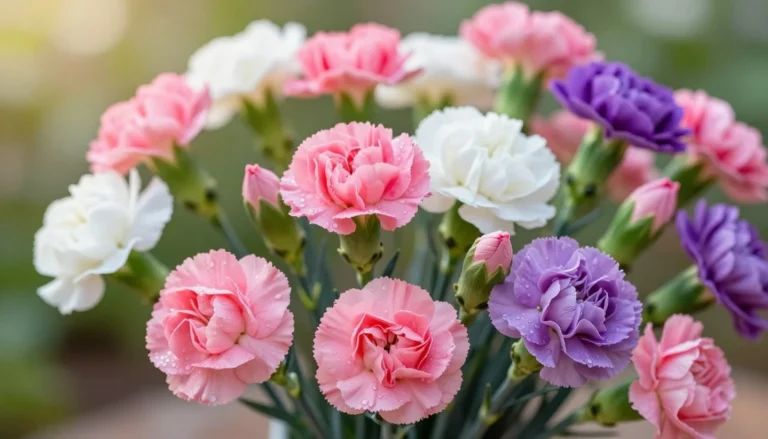
- White Carnations (Dianthus caryophyllus): This is by far the best choice. Their pure white petals create the cleanest canvas for blue dye, resulting in the most striking and true-to-color <a href=”https://www.loveplanting.com/truth-about-blue-carnation flower. Look for varieties with larger, more open blooms for maximum impact.
- Pale Pink or Yellow Carnations: These can be fun for experimental shades. Pale pinks can yield beautiful lavenders or purples, while light yellows might result in greenish-blues.
As for “companion plants,” we’re now thinking about companion flowers for your dyed blue carnations in an arrangement.
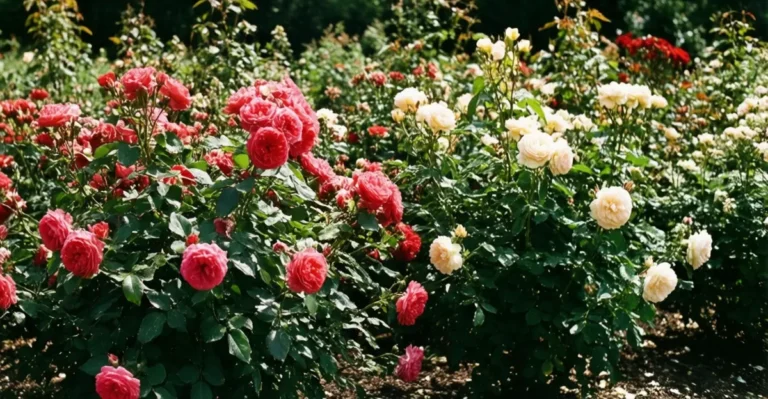
- White Hydrangeas or Roses: Create a classic, elegant contrast that allows the blue to pop.
- Yellow Lilies or Tulips: A complementary color scheme that adds visual warmth and vibrancy.
- Greenery (Eucalyptus, Ruscus): Essential for providing texture, depth, and filling out the arrangement, making your <a href=”https://www.loveplanting.com/truth-about-blue-carnation flower the star.
Landscape Uses & Harvest Tips
When it comes to your DIY <a href=”https://www.loveplanting.com/truth-about-blue-carnation flower, “landscape uses” transform into inspiring ways to incorporate these unique blooms into your home décor and special events. These aren’t just flowers; they’re conversation starters!
- Centerpieces: A cluster of deep blue carnations makes a breathtaking centerpiece for dinner parties, baby showers (especially for boys!), or even a serene addition to your workspace. Their sturdy stems make them excellent for holding shape.
- Wedding Decor: Blue symbolizes serenity and trust, making dyed carnations a surprisingly affordable yet stunning option for bridal bouquets, boutonnieres, or reception decorations. Imagine mixing them with white roses for a classic “something blue.”
- Gift Embellishments: Tuck a single <a href=”https://www.loveplanting.com/truth-about-blue-carnation flower into the ribbon of a gift for a personalized and elegant touch.
- Emotional Support: For urban gardeners or those with limited space, a vibrant vase of DIY blue carnations can bring a pop of nature and a calming presence indoors, proving that you don’t need a sprawling garden to cultivate beauty.
“Harvest tips” for dyeing involve selecting the best cut carnations:
- Always choose carnations that are just beginning to open, with firm, unblemished petals. Avoid flowers that are fully bloomed or showing signs of wilting, as their ability to absorb dye will be significantly reduced.
Common Pests & Diseases to Avoid
For cut and dyed blue carnations, the concerns shift from garden pests and diseases to issues that affect their vase life.
- Bacterial Growth in Water: The most common “disease” for cut flowers. Bacteria in the water can clog the stems, preventing water absorption and leading to wilting.
- Prevention: Always use clean vases. Change the water every 1-2 days. Re-cut stems every few days to remove any clogged vascular tissue. Using floral food with anti-bacterial agents is highly effective, reducing bacterial spread by up to 70%.
- Ethylene Gas Exposure: This natural plant hormone, emitted by ripening fruits, can prematurely age and wilt cut flowers.
- Prevention: Keep your dyed <a href=”https://www.loveplanting.com/truth-about-blue-carnation flower away from fruit bowls, especially apples and bananas.
- Dehydration: Lack of water or rapid water loss.
- Prevention: Ensure stems are always submerged in water. Keep flowers out of direct sunlight and away from drafts or heat sources. Misting the petals lightly can also help in dry environments.
Seasonal Maintenance & Overwintering
Since our focus is on creating a beautiful <a href=”https://www.loveplanting.com/truth-about-blue-carnation flower from cut stems, “seasonal maintenance” and “overwintering” transform into best practices for maximizing their freshness and display life.
- Throughout the Seasons (Vase Life):
- Regular Water Changes: This is your primary maintenance task. Just like you’d water a plant, refresh the water in your vase every two days.
- Stem Trimming: Every few days, take your blue carnations out of the vase and give their stems another fresh, angled cut. This removes any blockages and improves water uptake, much like “pruning” for longevity.
- Cool Environment: Maintaining a consistent, cool room temperature (below 70°F) is crucial. Avoid placing them near windows or heaters. This extends their bloom time by slowing down their metabolic processes.
- Overwintering (Extending Enjoyment): Unfortunately, cut flowers do not overwinter. Their beauty is fleeting, a temporary artistic display. However, the joy of creating a https://www.loveplanting.com/truth-about-blue-carnation flower can be evergreen through photography!
- Document Your Creation: Take photos of your stunning blue carnation arrangements. Share them on social media or create a digital album to enjoy year-round. This allows you to “overwinter” the memory and inspiration for future DIY floral projects.
Conclusion
From a simple white bloom to a captivating <a href=”https://www.loveplanting.com/truth-about-blue-carnation flower, the art of dyeing carnations is a testament to the magic of DIY. We’ve journeyed through selecting the freshest flowers, mixing the perfect dye solution, and watching in awe as the petals absorbed the vibrant blue. Beyond the mesmerizing transformation, we’ve explored how to extend their vase life, ensuring your unique creations bring joy for days. This process isn’t just about changing a flower’s color; it’s about unlocking creativity and bringing a personalized touch of wonder into your home.
Now it’s your turn! Gather your supplies, choose your favorite shades, and create your own breathtaking blue carnation flower displays. Don’t forget to share your dazzling creations with us on social media using #MyBlueCarnationMagic. Have you tried dyeing other flowers? Let us know in the comments below, or explore our other DIY floral guides for more inspiration!
FAQs
Q1: Can I use different colors of food coloring for my <a href=”https://www.loveplanting.com/truth-about-blue-carnation flower?
A1: Absolutely! While blue creates a stunning effect, you can experiment with any liquid or gel food coloring. Red food coloring on white carnations creates vibrant red blooms, green can give a subtle, earthy touch, and mixing primary colors can yield secondary shades like purple or orange. One popular technique is to split the stem and place each half in a different color for a bi-colored bloom!
Q2: How long does the blue color last in a dyed blue carnations?
A2: The blue color will last for the entire vase life of the carnation, typically 5-10 days, provided you care for them properly by changing the water regularly and keeping them in a cool environment. The dye is absorbed into the petals and won’t fade unless the flowers themselves start to wilt and dry out.
Q3: Why aren’t my <a href=”https://www.loveplanting.com/truth-about-blue-carnation flower turning blue?
A3: Several factors could be at play. Ensure your carnations are fresh with newly cut stems; old or damaged stems won’t absorb water effectively. The dye concentration might be too low – try adding more food coloring. Also, confirm the water is warm, as this helps with faster absorption. Patience is key; sometimes it takes a few hours to see noticeable results.
Q4: Is it safe for pets if they drink the dyed water?
A4: While food coloring is generally non-toxic, it’s always best to keep any vase water out of reach of pets. Large quantities of dyed water could potentially cause mild stomach upset or discoloration if ingested by curious animals.
Q5: Can I dye carnations that aren’t white?
A5: Yes, but the results will vary. Pale pink carnations dyed blue might result in lovely lavender or purple shades. Yellow carnations could turn a greenish-blue. For the purest and most vibrant blue carnations, white is always the best base.