Symbolism of the Red Carnation Flower
Have you ever wondered if the profound beauty of a red carnation flower holds secrets beyond its stunning appearance, especially when it comes to thriving in your garden? Many gardening enthusiasts believe some flowers are simply for aesthetics, but what if we told you that understanding the ideal conditions for your red carnation flower can unlock a world of vibrant blooms and deeper symbolism, transforming your garden into a living tapestry of emotion? This isn’t just about planting; it’s about connecting with a flower renowned for its rich history and powerful messages. From ancient civilizations to modern-day celebrations, the red carnation flower has captivated hearts. But beyond its symbolic depth, success in growing this magnificent bloom hinges on precise care, tailored tools, and an understanding of its unique needs. Let’s delve into the data-backed methods that will help your red carnation not just survive, but truly flourish, whether you’re a seasoned homesteader or an urban balcony gardener. If you’ve ever pondered what is carnation flower, this guide will illuminate its captivating world.
Table of Contents
Tools & Soil Requirements
Cultivating a spectacular red carnation flower begins with the right foundation: appropriate tools and ideal soil conditions. Don’t let common gardening myths lead you astray; the proper environment is critical.
Essential Tools:
- Hand Trowel: For precise digging and transplanting seedlings.
- Pruning Shears: Essential for deadheading and shaping, promoting vigorous new growth.
- Watering Can or Hose with a Gentle Sprayer: To provide consistent, gentle hydration without disturbing delicate roots.
- Gardening Gloves: To protect your hands while working with soil and plants.
- Soil pH Test Kit: Critical for ensuring your soil’s acidity is within the optimal range.
- Garden Fork or Tiller: For preparing larger beds and ensuring proper soil aeration.
Soil Requirements:
The red carnation flower thrives in soil that is a careful balance of structure and nutrients. A common mistake is using heavy, compacted clay, which suffocates roots.
- Type: Loamy, well-draining soil is paramount. This type of soil feels rich and crumbles easily.
- Composition: A blend of garden soil, compost, and coarse sand or perlite ensures excellent drainage and aeration. For urban gardeners with container plans, a high-quality potting mix specifically formulated for flowering plants will serve perfectly.
- pH Level: Aim for a slightly alkaline to neutral pH, ideally between 6.7 and 7.8. Data suggests that soils outside this range can significantly hinder nutrient uptake, leading to stunted growth and fewer blooms. A simple soil test can confirm your current pH, allowing for targeted amendments like agricultural lime to raise acidity or elemental sulfur to lower it.
Best Planting Season & Timing
Timing is everything for your red carnation flower. Planting at the wrong time can delay blooms by weeks or even lead to an unsuccessful crop. For optimal growth and vibrant display, data consistently shows specific windows of opportunity.
- When to Plant: The best time to plant red carnation flower seeds or young plants is in spring, after the last frost has passed, or in early autumn, at least 6-8 weeks before the first hard frost. Spring planting allows the plant to establish itself thoroughly before the peak summer heat, while autumn planting gives it a head start for a robust display the following spring.
- Germination Time: From seed, your red carnation flower typically germinates within 7-14 days under optimal conditions (consistent moisture and temperatures around 65-70°F/18-21°C). This is comparable to many annuals but almost 30% faster than some slower-germinating perennial varieties, offering quicker gratification for eager gardeners.
- Time to Maturity: Expect your red carnation flower to reach maturity and begin flowering approximately 4-6 months after planting from seed. If starting with young plants or cuttings, you could see blooms within 8-12 weeks, providing a faster track to enjoyment. Planning for early spring planting means you could be enjoying those iconic red blooms by mid-to-late summer.
Step-by-Step Planting Instructions
Ready to transform your garden with the captivating red carnation flower? Follow these steps for a truly rewarding planting experience, whether you’re a beginner or refining your technique.
Step 1: Prepare Your Planting Site
Begin by clearing your chosen spot of any weeds or debris. Use a garden fork or tiller to loosen the soil to a depth of 12-15 inches. Amend the soil with a generous layer of compost (2-3 inches deep) and organic matter. If your soil pH is too acidic, incorporate some agricultural lime as per your soil test results. For container planting, select a pot with drainage holes at least 8-10 inches in diameter and fill it with a premium potting mix.
Step 2: Sowing Seeds or Transplanting Seedlings
From Seed: Sow red carnation flower seeds about 1/8 inch deep, spacing them roughly 10-12 inches apart. Lightly cover with soil and gently pat down. For better germination rates, consider starting seeds indoors 6-8 weeks before the last frost.
From Seedlings/Young Plants: Dig a hole twice as wide as the root ball and just as deep. Carefully remove the seedling from its container, gently loosen any circling roots, and place it in the hole. Ensure the top of the root ball is level with the surrounding soil.
Step 3: Initial Watering
Water thoroughly immediately after planting. This helps settle the soil around the roots and eliminates air pockets. Use a watering can with a fine rose or a hose with a gentle spray to avoid dislodging newly planted seeds or delicate seedlings. Aim for evenly moist, but not waterlogged, soil.
Step 4: Mulching for Success
Apply a 1-2 inch layer of organic mulch (such as straw, shredded bark, or wood chips) around your newly planted red carnation flower. This crucial step helps retain soil moisture, suppresses weed growth, and regulates soil temperature, offering a consistent environment for root development.
Step 5: Post-Planting Care
For the first few weeks, keep a close eye on your plants. Ensure they receive consistent moisture, especially during dry spells. Protect seedlings from strong winds or intense sun initially. As they grow, you’ll begin to notice the characteristic grey-green foliage of the red carnation flower, a sure sign of healthy establishment.
Plant Care Essentials
Ensuring your red carnation flower thrives means providing consistent, tailored care. Mismatched conditions are a common reason for lackluster blooms.
- Water Needs: While established plants tolerate some dryness, consistent moisture is key for abundant blooms. Water deeply when the top inch of soil feels dry to the touch, typically 1-2 times per week. Avoid overhead watering, which can encourage fungal diseases; instead, water at the base of the plant. Overwatering, especially in poorly drained soil, is the leading cause of root rot.
- Sunlight Requirements: Red carnation flower thrives in full sun, meaning at least 6 hours of direct sunlight per day. Insufficient light leads to leggy growth and sparse flowering. In regions with extremely intense afternoon sun, some afternoon shade can prevent scorching, but too much shade will reduce bloom production significantly.
- Temperature Tolerance & Hardiness: This resilient red carnation flower is generally hardy in USDA Zones 5-9. It prefers moderate temperatures, ideally between 60-75°F (15-24°C). While it can withstand light frosts, prolonged freezing temperatures can damage or kill the plant. In hotter climates, ensuring adequate moisture and perhaps some afternoon shade becomes even more vital to prevent stress.
- Fertilization: A balanced, slow-release granular fertilizer applied in early spring and again in mid-summer will support vigorous growth and continuous blooming. For maximum impact, choose a fertilizer formulated for flowering plants, which typically has a slightly higher phosphorus content to encourage blooms. Avoid excessive nitrogen, which promotes leafy growth at the expense of flowers.
Best Varieties & Companion Plants
Choosing the right red carnation flower varieties and intelligent companion planting can elevate your garden’s aesthetic and resilience.
Recommended Red Carnation Varieties:
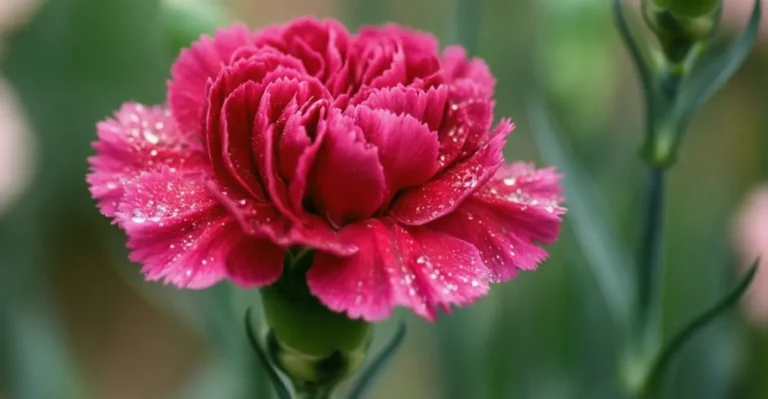
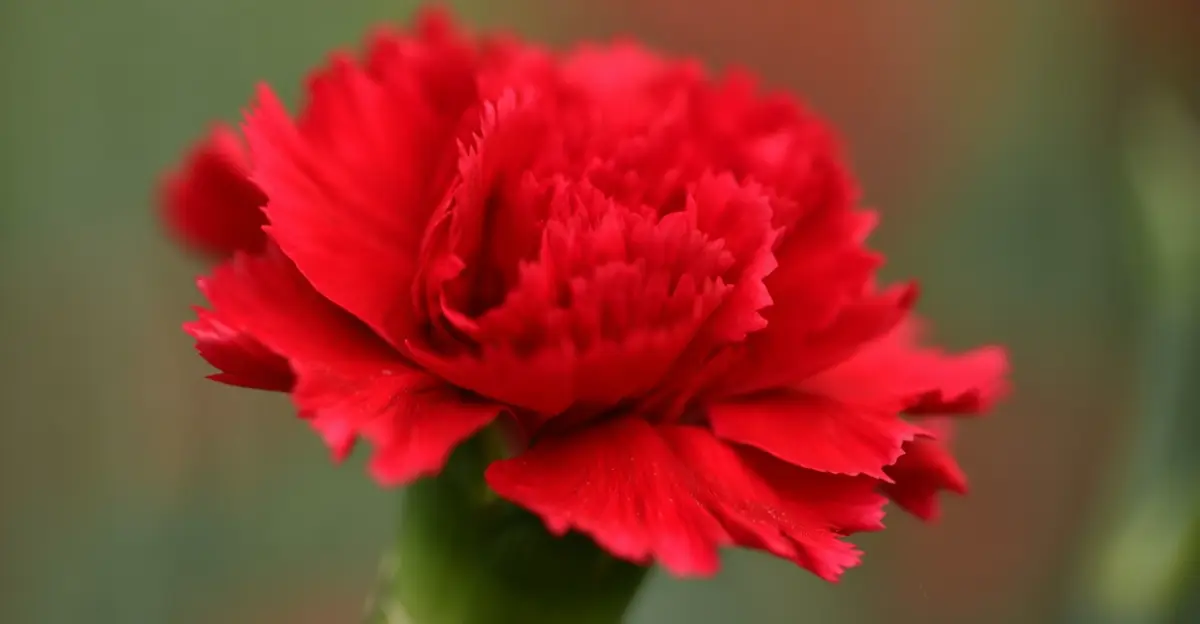
- ‘Grenadin Red’: A classic, rich red carnation flower known for its robust growth and prolific, fragrant blooms. Excellent for cutting.
- ‘Chabaud Scarlet’: Offers a vibrant, intense red and is famous for its long-lasting flowers, making it a favorite for bouquets. This variety also shows good disease resistance.
- ‘Can Can Scarlet’: Features intricately ruffled petals, adding a luxurious texture to your garden. It’s also relatively easy to grow and adaptable to various conditions.
- ‘Dianthus Telstar Scarlett’: Technically a Dianthus chinensis hybrid, this variety offers a compact growth habit, making it ideal for containers and borders, and produces abundant bright red flowers.
Creative Companion Planting:
Strategic companion planting not only makes your garden more beautiful but also creates a healthier ecosystem.
- Lavender: Its strong scent acts as a natural pest repellent for many common garden invaders, while its purple blooms provide a stunning contrast to the red carnation flower. Both plants enjoy similar sun and drainage requirements.
- Garlic Chives: Planting these nearby can deter aphids and other sap-sucking pests, reducing the need for chemical interventions.
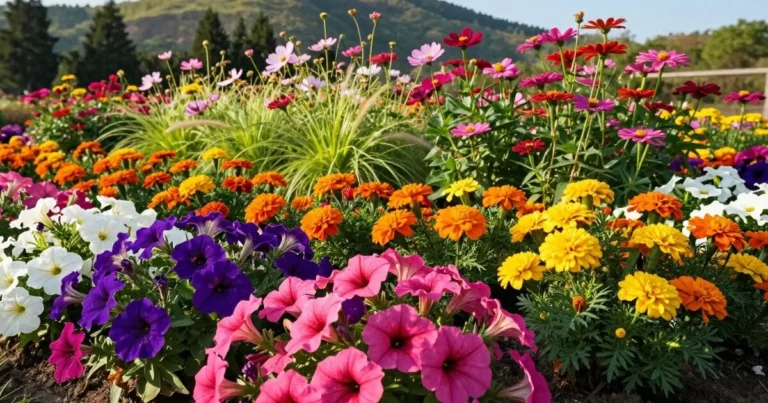
- Dwarf Marigolds: Known for repelling nematodes and other soil-borne pests, marigolds are a classic companion. Their vibrant orange and yellow hues can create a delightful warm palette with the red carnations.
- Sweet Alyssum: This low-growing annual forms a fragrant mat that attracts beneficial predatory insects like hoverflies, which prey on aphids. Its delicate white flowers beautifully soften the base of the taller carnations.
Landscape Uses & Harvest Tips
The versatility of the red carnation flower makes it a spectacular addition to various garden designs.
Garden Design Ideas:
- Dramatic Borders: Plant masses of red carnation flower along walkways or garden beds for a striking, continuous burst of color. Their upright habit makes them ideal for providing structure.
- Container Elegance: For urban gardeners or those with limited space, a red carnation flower in a terracotta pot adds a touch of classic charm to patios, balconies, or entryways. Mix with trailing plants for dynamic contrast.
- Cottage Gardens: Their traditional appeal fits perfectly into a relaxed cottage-style garden, mingling beautifully with roses, delphiniums, and perennial salvias.
- Cutting Garden: Dedicate a section of your garden to these beauties! Their long vase life makes them exceptional for fresh floral arrangements, allowing you to enjoy their vivid color indoors.
Harvesting Tips for Lasting Beauty:
If you wish to bring the joy of your red carnation flower indoors, follow these simple steps for optimal vase life:
- Timing is Key: Harvest flowers in the early morning after the dew has dried, but before the heat of the day. At this time, the stems are turgid (full of water) and the flowers are freshest.
- Stage of Bloom: Cut flowers when they are about half to three-quarters open. Do not wait until the bloom is fully mature, as it will have a shorter vase life.
- Clean Cuts: Use sharp, clean pruning shears or a floral knife to make a diagonal cut at the desired stem length. This prevents crushing the stems, which can impede water uptake, and allows for maximum surface area to absorb water.
- Immediate Hydration: Plunge the freshly cut stems immediately into a bucket of lukewarm water. Add floral food to the water to prolong freshness. Remove any leaves that would fall below the waterline in your vase to prevent bacterial growth.
Common Pests & Diseases to Avoid
Even the hardiest red carnation flower can face challenges. Awareness and proactive measures are your best defense.
Typical Pests:
- Aphids: These tiny, soft-bodied insects cluster on new growth and undersides of leaves, sucking sap. Organic Treatment: Spray with a strong jet of water to dislodge them, or use a solution of insecticidal soap (1-2 tablespoons per gallon of water). Encourage ladybugs, natural predators of aphids.
- Spider Mites: Indicated by fine webbing on leaves and tiny red or brown specks. They thrive in hot, dry conditions. Organic Treatment: Increase humidity around plants and spray vigorously with water. Neem oil can also be effective.
- Thrips: Tiny, slender insects that feed on flower petals, causing silvering or browning. Organic Treatment: Use sticky traps to monitor and control populations. Horticultural oil sprays can also be applied.
- Slugs and Snails: They chew irregular holes in leaves and can be identified by their silvery trails. Organic Treatment: Hand-pick them in the evening, use beer traps, or apply diatomaceous earth around the plant base.
Common Diseases:
- Rust (Uredia spp.): Appears as reddish-brown powdery spots on leaves and stems. Can lead to defoliation. Prevention/Treatment: Ensure good air circulation by proper spacing. Remove and destroy infected leaves. In severe cases, organic fungicides with sulfur can be used.
- Fusarium Wilt: A soil-borne fungal disease that causes wilting, yellowing leaves, and eventual plant death. Often evident during warm, humid conditions. Prevention/Treatment: Use disease-resistant varieties. Ensure excellent soil drainage and avoid overwatering. Remove and discard infected plants thoroughly; do not compost.
- Botrytis Blight (Gray Mold): Fuzzy gray mold on flowers, buds, and leaves, especially in humid or damp conditions. Prevention/Treatment: Improve air circulation and avoid overhead watering. Promptly remove any infected plant parts.
Prevention is Key: Healthy, well-maintained red carnation flower plants are less susceptible to pests and diseases. Regular garden hygiene, proper spacing, and balanced feeding contribute significantly to plant resilience.
Seasonal Maintenance & Overwintering
To ensure your red carnation flower continues to enchant year after year, thoughtful seasonal maintenance is crucial.
Spring:
- Awakening the Garden: As new growth emerges, clear away any old foliage or winter debris. This is the ideal time to apply a balanced, slow-release fertilizer and a fresh layer of mulch.
- Pruning for Vigor: Lightly prune any leggy or weak stems to encourage bushier growth and more blooms.
Summer:
- Deadheading: This is perhaps the most important summer task for continuous flowering. As blooms fade, snip them off just above a set of healthy leaves or a developing bud. This prevents the plant from expending energy on seed production and directs it towards creating more flowers. Data shows consistent deadheading can extend the blooming season of a red carnation flower by up to 25%.
- Pinch Back: For bushier plants and more flowers, pinch back the growing tips of young stems when they are about 6 inches tall. This encourages branching.
- Consistent Watering: Ensure adequate water, especially during dry spells, to support the high energy demands of flowering.
Autumn:
- Final Deadheading: Perform one last deadheading to tidy up plants before winter.
- Preparation for Rest: In colder zones (USDA 5-6), cut back the foliage to about 2-3 inches above the ground after the first hard frost. In milder climates, a light tidy-up is usually sufficient.
- Overwintering (Cold Climates – USDA Zones 5-7):
- Mulch Protection: Apply a thick layer (4-6 inches) of straw, shredded leaves, or wood chips over the plant base once the ground has frozen. This insulates the roots from extreme temperature fluctuations, preventing frost heave.
- Container Plants: For red carnation flower in containers, consider moving pots to an unheated garage, shed, or a protected porch. Ensure the soil remains barely moist throughout winter; do not let it dry out completely.
- Overwintering (Milder Climates – USDA Zones 8-9):
- Minimal protection is needed. Continue to ensure good drainage, as excessive winter wetness can be more damaging than cold. Light mulching around the base can still be beneficial.
Conclusion
The red carnation flower is far more than just a strikingly beautiful bloom; it’s a testament to resilience, enduring love, and a rewarding challenge for any gardener. From meticulously preparing the perfect loamy soil and choosing the right variety to mastering the art of deadheading and protecting it through winter, every step contributes to its vibrant display. We’ve explored the intricate balance of tools, timing, and tailored care that ensures your red carnation flower doesn’t just survive but truly flourishes, enriching your garden with its profound symbolism and captivating presence.
Now, it’s your turn to weave this horticultural magic! We invite you to embark on your own red carnation flower journey. Share your success stories and vibrant garden photos with us on social media using #MyRedCarnationGarden. What personal insights have you discovered? For more inspiring gardening guides and a deeper dive into other sensational blooms, explore our full collection of flower care articles and transform your outdoor space into a sanctuary of beauty and life. Happy planting!
FAQs
Q1: How often should I fertilize my red carnation flower?
A1: For optimal growth and continuous blooming, fertilize your red carnation flower twice a year: once in early spring as new growth begins, and again in mid-summer. Use a balanced, slow-release granular fertilizer formulated for flowering plants.
Q2: Can I grow red carnation flowers in containers?
A2: Absolutely! Red carnation flower varieties, especially the more compact ones like Dianthus Telstar Scarlett, do very well in containers. Ensure the pot has excellent drainage and is at least 8-10 inches in diameter to allow for root growth. This is an excellent option for urban gardeners.
Q3: Why are my red carnation flowers not blooming?
A3: There could be several reasons. The most common culprits are insufficient sunlight (they need at least 6 hours of direct sun), too much nitrogen fertilizer (which promotes foliage over flowers), inconsistent watering, or lack of proper deadheading. Review your care routine against our guide to pinpoint the issue.
Q4: How do I get more blooms from my red carnation flower?
A4: Regular deadheading (removing spent flowers) is crucial as it encourages the plant to produce more blooms instead of seeds. Ensure your plant gets adequate sunlight, consistent moisture, and a phosphorus-rich fertilizer. Pinching back young stems can also promote bushier growth and more flowers.
Q5: Are red carnation flowers annuals or perennials?
A5: While some varieties of carnations (Dianthus) can be grown as annuals, many of the traditional red carnation flower varieties are perennials, meaning they will return year after year in suitable climates (USDA Zones 5-9) if properly cared for and overwintered. Understanding what is carnation flower often involves this distinction.