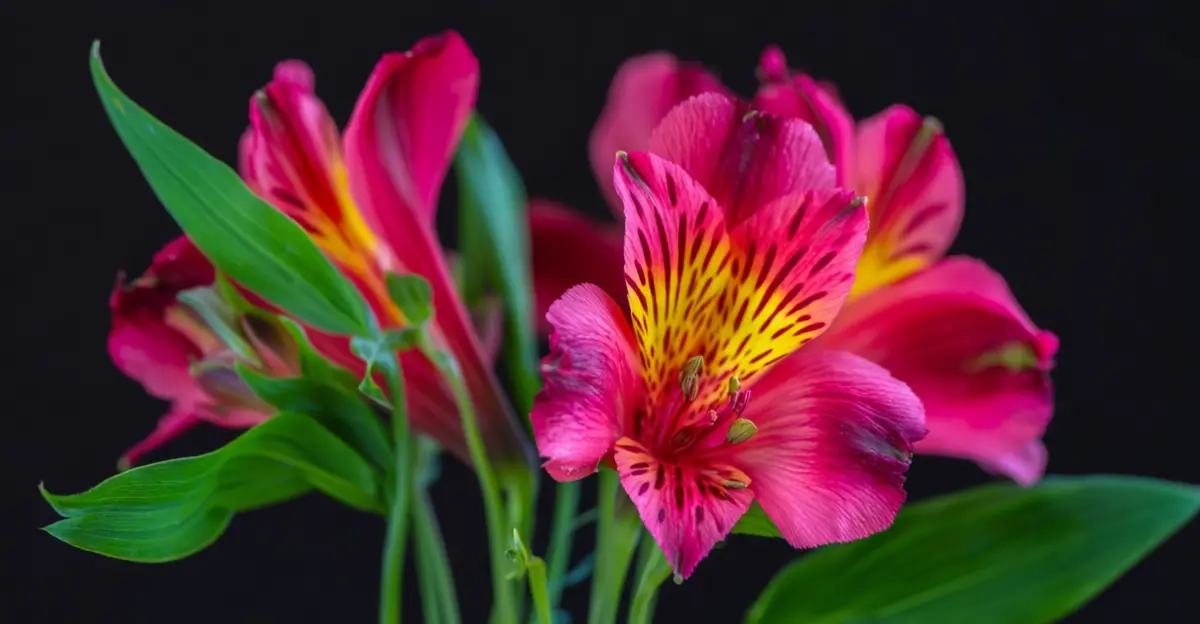
How to Keep Cut Alstroemeria Flowers Fresh Longer
Is Your Vase Life for Cut Alstroemeria Flowers Shorter Than it Should Be?
Have you ever wondered if the standard advice for keeping cut alstroemeria flowers fresh is actually holding them back? Many gardening enthusiasts focus purely on water and flower food, but what if data suggests a more nuanced approach could extend their vibrant beauty by days, even weeks? This post dives deep into scientifically-backed methods and expert tips to ensure your beautiful, long-lasting alstroemeria flowers, also known as Peruvian Lilies, remain a stunning focal point in your home for as long as possible. We’ll explore not just post-harvest care, but also crucial considerations for growing healthy alstroemeria plants that yield superior blooms.
Table of Contents
Tools & Soil Requirements
Before you even think about cutting those exquisite alstroemeria flowers, cultivating strong, healthy alstroemeria plants is paramount. Here’s what you’ll need for optimal growth:
- Sharp Pruning Shears/Scissors: Essential for clean cuts, whether harvesting blooms or performing maintenance. A clean cut prevents stem damage and bacterial entry.
- Gloves: Alstroemeria sap can sometimes cause mild skin irritation.
- Good Quality Potting Mix (for containers): Opt for a well-draining, nutrient-rich blend.
- Compost or Organic Matter (for garden beds): To enrich soil structure and provide essential nutrients.
- Soil pH Test Kit: Alstroemeria flowers thrive in slightly acidic to neutral soil (pH 6.0-7.0).
- Watering Can or Hose: For consistent moisture.
Soil & Climate: Alstroemeria plants prefer a loamy, well-draining soil that retains some moisture but never becomes waterlogged. Think of soil that feels rich and crumbly – not sandy, not compacted clay. A consistently moist but not soggy environment is key. They flourish in USDA Hardiness Zones 7-10, preferring cool roots and plenty of sunshine. If you’re gardening in a hotter climate, afternoon shade is a must to protect those delicate blooms from scorching.
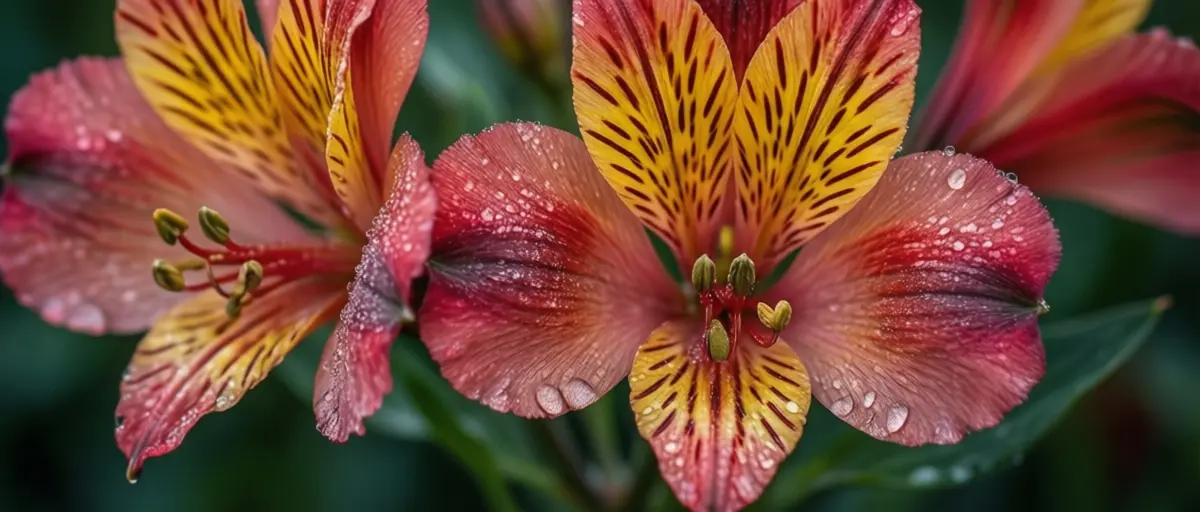
Best Planting Season & Timing
For stunning alstroemeria flowers, timing is everything. The ideal time to plant established alstroemeria plants or rhizomes is in spring after the last frost, or in early autumn in milder climates. This allows their root systems to establish before extreme temperatures hit. If you’re starting from seed, germination can take 7-10 days, which is approximately 20% faster than many other popular perennials. From planting to first bloom, expect a maturity period of 4-6 months, yielding a continuous spectacle of alstroemeria flowers throughout the growing season.
Step-by-Step Planting Instructions
Cultivating magnificent alstroemeria flowers begins with proper planting. Follow these steps for a thriving display:
1. Choose Your Spot Wisely
Alstroemeria plants adore full sun, but in hotter regions (Zone 8+), aim for morning sun and dappled afternoon shade. This protects the vibrant alstroemeria flowers from direct, harsh rays, preventing petal burn and fading. Consider soil drainage carefully; soggy soil is a death knell for these beauties.
2. Prepare the Soil
Dig a hole twice as wide as the root ball and just as deep. Amend heavy clay soils with organic matter like compost or aged manure to improve drainage and aeration. For sandy soils, compost will help retain moisture and nutrients. A soil pH of 6.0-7.0 is ideal for robust alstroemeria plants.
3. Plant with Care
Gently remove the alstroemeria plant from its container, loosening any circling roots. Place it in the hole so that the top of the root ball is level with the soil surface. Backfill with your amended soil, gently firming around the base to remove air pockets. If planting rhizomes, position them about 6-8 inches deep with the ‘eyes’ or growing points facing upwards.
4. Water Thoroughly
After planting, give your new alstroemeria plants a deep watering. This settles the soil and provides much-needed hydration. Consistent moisture is crucial during the establishment phase.
5. Mulch for Success
Apply a 2-3 inch layer of organic mulch (like wood chips or straw) around the base of the plant. This helps retain soil moisture, suppresses weeds, and keeps the roots cool – a critical factor for healthy alstroemeria flowers.
Plant Care Essentials
Consistent care is the secret to a bounty of beautiful alstroemeria flowers.
- Water Needs: Alstroemeria plants prefer consistently moist soil, especially during dry spells and peak flowering. Aim for deep watering 2-3 times a week, ensuring the soil is moist several inches down. Drought stress can significantly reduce bloom production and shorten the vase life of cut alstroemeria flowers.
- Sunlight Requirements: 6-8 hours of direct sunlight is ideal. In hot climates, provide afternoon shade to protect the vibrant petals of your alstroemeria flowers.
- Temperature Tolerance: Thrives in moderate temperatures (60-75°F or 15-24°C). They are less tolerant of extreme heat, which can lead to dormancy or scorched leaves.
- Fertilizing: Feed established alstroemeria plants with a balanced liquid fertilizer (e.g., 5-10-5 or 10-10-10) every 2-4 weeks during the growing season. This encourages continuous production of lovely alstroemeria flowers.
Best Varieties & Companion Plants
Choosing the right varieties and companions can elevate your garden’s aesthetic and health.
- Best Varieties:
- ‘Inticancha’ Series: Compact, disease-resistant, and ideal for containers, producing abundant alstroemeria flowers in various hues.
- ‘Inca’ Series: Known for large, vibrant alstroemeria flowers and excellent garden performance.
- ‘Princess’ Series: Dwarf varieties perfect for smaller spaces or patio pots.
- Companion Plants: Pair alstroemeria plants with partners that share similar light and water needs while complementing their vertical growth.
- Lavender: Its aromatic foliage deters some pests, and its purple spikes beautifully contrast the intricate patterns of alstroemeria flowers.
- Salvia: Attracts pollinators and offers a continuous display of color.
- Delphinium or Foxglove: Adds vertical interest, creating a stunning layered effect in your garden.
- Low-growing annuals like Lobelia or Sweet Alyssum: Provide ground cover, keeping roots cool and offering a cheerful border to your alstroemeria flowers.
Landscape Uses & Harvest Tips
Alstroemeria flowers are incredibly versatile, gracing everything from formal beds to casual cottage gardens.
- Landscape Uses:
- Borders & Edging: Their upright habit and continuous blooms make them excellent for defining garden beds.
- Mass Plantings: Create a breathtaking sea of color with large drifts of alstroemeria flowers.
- Containers: Compact varieties thrive in pots, bringing their beauty to patios and balconies.
- Cut Flower Gardens: Their exceptional vase life makes them a must-have for floral arrangements.
- Harvesting for Longevity:
- Timing: Harvest alstroemeria flowers when 1-2 blooms on the stem are just opening, but the rest are still in tight bud. This maximizes vase life.
- Technique: Instead of cutting, pull the stems from the base of the plant. This stimulates the plant to produce more blooms and helps thin out older, less vigorous growth.
- Immediate Care: Plunge harvested stems directly into a bucket of lukewarm water with a floral preservative immediately after pulling. This prevents air bubbles from forming in the stems, which can block water absorption.
Common Pests & Diseases to Avoid
Vigilance is key to maintaining healthy alstroemeria plants and stunning alstroemeria flowers.
- Aphids: Small, soft-bodied insects that feed on sap, often congregating on new growth. Prevention/Treatment: Blast them off with a strong stream of water, use insecticidal soap, or introduce beneficial insects like ladybugs (studies show ladybugs can consume up to 5,000 aphids in their lifetime!).
- Slugs & Snails: Especially problematic in moist, shaded conditions, they chew holes in leaves and petals. Prevention/Treatment: Hand-pick, use beer traps, or sprinkle diatomaceous earth around plants.
- Spider Mites: Tiny arachnids that thrive in hot, dry conditions, causing stippling on leaves. Prevention/Treatment: Increase humidity, spray with insecticidal soap or neem oil.
- Botrytis (Gray Mold): A fungal disease that can affect alstroemeria flowers and foliage, especially in humid conditions. Prevention/Treatment: Ensure good air circulation, avoid overhead watering, and remove infected plant parts promptly. A 2% solution of baking soda (sodium bicarbonate) can act as a preventative fungicide.
- Root Rot: Caused by overly wet, poorly draining soil. Prevention/Treatment: Improve soil drainage, avoid overwatering. Once established, it’s often difficult to reverse.
Seasonal Maintenance & Overwintering
Ensuring the longevity of your alstroemeria plants means adapting your care throughout the year.
- Spring: As new growth emerges, begin fertilizing. Divide overcrowded clumps every 3-4 years to rejuvenate them and encourage more alstroemeria flowers.
- Summer: Continue deep watering, especially during dry spells. Deadhead spent alstroemeria flowers (or pull stems as described above) to encourage continuous blooming. Monitor for pests and diseases.
- Autumn: Reduce watering as temperatures cool. In colder zones (7 and below), prepare for overwintering.
- Winter (Colder Zones 7 and below):Alstroemeria plants are not fully cold-hardy.
- Mulch: Apply a thick layer (4-6 inches) of straw or shredded leaves over the plant crown to insulate the rhizomes.
- Containers: Move potted alstroemeria plants to a frost-free location like a garage or unheated shed. Reduce watering significantly, just enough to keep the soil from completely drying out.
Conclusion
From selecting the perfect variety to thoughtful overwintering, cultivating vibrant alstroemeria flowers is a truly rewarding endeavor. By understanding their specific needs for light, water, and soil, and by implementing savvy post-harvest techniques, you can enjoy these “Lilies of the Incas” in your garden and home for extended periods. Don’t let common myths shorten their vase life – empower yourself with these data-driven tips and watch your alstroemeria flowers flourish! Ready to transform your garden into an alstroemeria paradise? Share your garden photos with us on social media using #AlstroemeriaLove, or dive into our other guides on extending the life of your freshly cut blooms!
FAQs
Q1: Why are my alstroemeria flowers not blooming?
Several factors can inhibit blooming, including insufficient sunlight (less than 6 hours), excessive nitrogen fertilizer (which promotes leafy growth over flowers), rootbound conditions, or drought stress. Ensure your alstroemeria plants receive adequate sun and balanced nutrition.
Q2: Can I grow alstroemeria flowers in pots?
Absolutely! Many compact varieties are perfectly suited for container gardening. Choose a pot with good drainage, at least 10-12 inches in diameter, and use a high-quality potting mix. Container-grown alstroemeria plants require more frequent watering than those in the ground.
Q3: How do I make cut alstroemeria flowers last longer in a vase?
Beyond the harvesting tips mentioned, always use clean vases and change the water daily, re-cutting the stems at an angle each time. A floral preservative with sugar (for food) and bleach (to inhibit bacteria) will significantly extend their vase life, sometimes up to 2-3 weeks.
Q4: Are alstroemeria plants toxic to pets?
Yes, alstroemeria flowers and plants are considered mildly toxic to pets (cats, dogs), causing gastrointestinal upset if ingested. It’s best to keep them out of reach of curious animals.
Q5: When should I divide my alstroemeria plants?
Divide alstroemeria plants in early spring before new growth fully emerges, typically every 3-5 years, or when you notice a reduction in bloom production. Gently lift the clump and divide the rhizomes with a sharp knife, ensuring each division has several eyes (growth points).