What Are Garlic Scapes and Why Are They Removed?
What Are Garlic Scapes and Why Are They Removed?
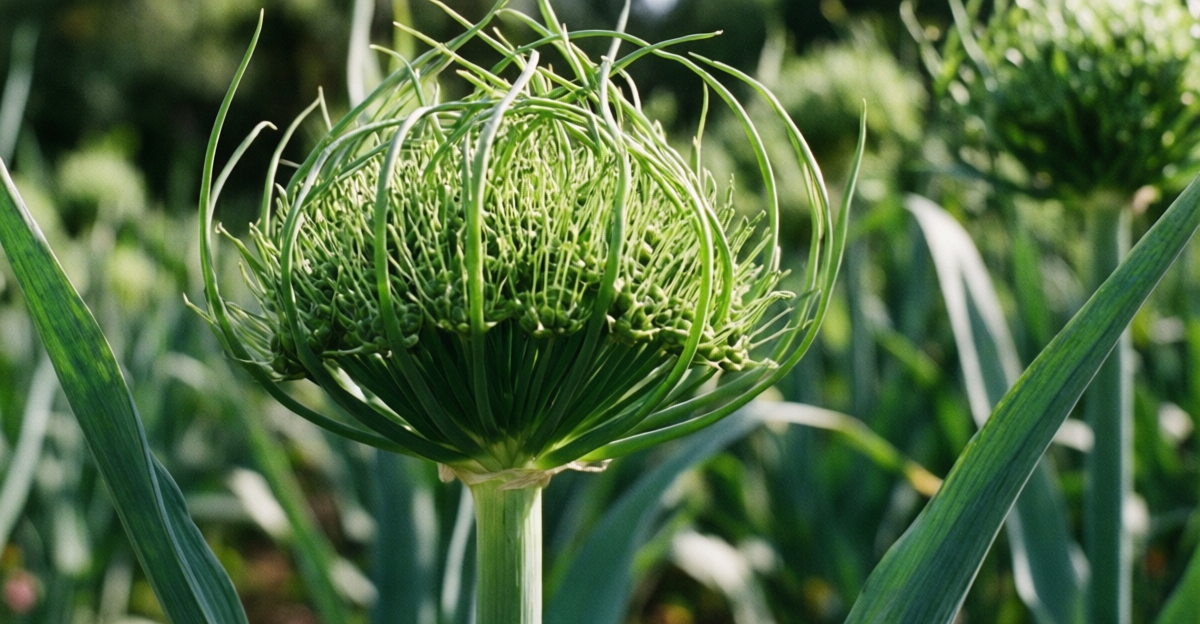
Have you ever wondered if those curly, vibrant green shoots emerging from your garlic plants are a secret superpower or just a garden enigma? Many gardeners, from seasoned homesteaders to urban balcony plant parents, often ponder the purpose of these intriguing tendrils. The truth is, understanding what are garlic scapes isn’t just about identifying a part of the plant; it’s about unlocking a crucial secret to maximizing your garlic harvest and elevating your culinary adventures. But why are these delicious, often underutilized, parts of the garlic plant typically removed, and what magic do they hold for your garden and kitchen?
Table of Contents
Tools & Soil Requirements
Successfully growing garlic and harvesting those prized scapes starts with the right foundation. You’ll need basic gardening tools: a hand trowel or digging fork for soil preparation, gardening gloves to protect your hands, and pruning shears or a sharp knife for scape removal. For soil, garlic thrives in loose, loamy, well-draining soil with a pH between 6.0 and 7.0. Think of it as a rich, crumbly chocolate cake for your plants—it allows for excellent root development and proper water drainage, preventing common issues like rot. A soil test kit is highly recommended to ensure your soil meets these ideal conditions, perhaps even revealing a nutrient deficiency you weren’t aware of. For instance, soil that’s too heavy and clay-like often benefits from the incorporation of organic matter like compost or aged manure, which can improve drainage by up to 30%.
Best Planting Season & Timing
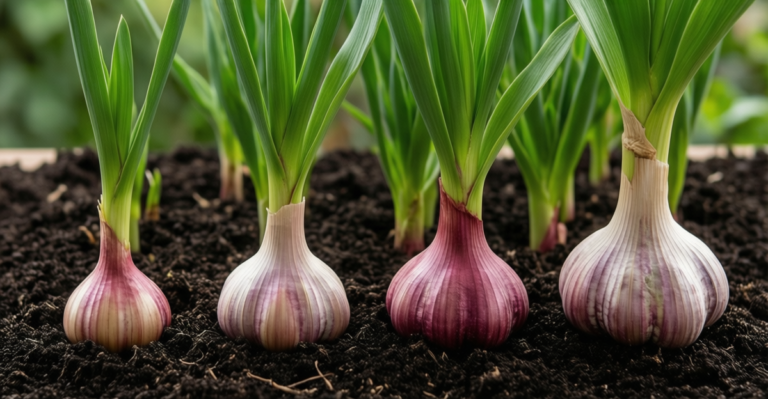
The sweet spot for planting hardneck garlic, the type that produces scapes, is typically in the fall, about 4-6 weeks before the first hard frost. This timing allows the roots to establish well before winter sets in. While germination can occur in 7-10 days under ideal conditions, the cloves won’t produce substantial top growth until spring. The garlic scapes themselves tend to emerge in late spring to early summer, usually around May or June, depending on your climate. Hardneck garlic matures in approximately 90-120 days from planting, but the scapes appear earlier, offering an exciting interim harvest. This early harvesting offers a delicious preview of the main event!
Step-by-Step Planting Instructions
1. Prepare Your Garden Bed: Dig down about 8-10 inches and amend your soil with 2-4 inches of compost. This creates that loamy, nutrient-rich environment garlic adores. Consider a raised bed if your natural soil drainage is poor to avoid soggy roots.
2. Select and Separate Cloves: Choose large, healthy, unblemished garlic cloves from a reputable seed garlic supplier (not grocery store garlic, which is often treated to inhibit sprouting). Gently separate the cloves, keeping their papery skin intact. Each clove is a potential new plant!
3. Plant Your Cloves: Plant each clove root-side down (the wide, flat end) about 4-6 inches deep and 6 inches apart. If planting in rows, space rows 12-18 inches apart. This spacing is crucial for air circulation and preventing fungal diseases.
4. Mulch Generously: Apply a 4-6 inch layer of straw, shredded leaves, or wood chips over your planted garlic bed. This mulch insulates the soil, suppresses weeds, and maintains consistent moisture, helping your garlic overwinter successfully.
5. Water After Planting: Give your newly planted garlic a good, deep watering immediately after mulching. This helps settle the soil around the cloves and kickstarts root development.
6. Winter Protection (Optional): In extremely cold climates (USDA zones 4 and below), an additional layer of row cover can provide extra insulation, though a thick layer of mulch usually suffices for hardneck garlic.
Plant Care Essentials
Garlic, once established, is relatively low-maintenance. It requires consistent moisture, especially during spring growth and bulb development, but absolutely detests “wet feet.” Aim for about 1 inch of water per week, either from rainfall or irrigation. Reduce watering as the bulbs mature (usually late June/early July) to prevent rot and encourage curing. Sunlight is paramount; garlic needs at least 6-8 hours of full sun daily. In terms of temperature, hardneck varieties are quite hardy, thriving in zones 3-8. They need a cold stratification period (a minimum of 40 days below 40°F/4°C) to properly trigger bulb formation. Fertilize in early spring with a balanced organic fertilizer or a nitrogen-rich compost tea to support leaf growth. A soil pH of 6.0-7.0 is ideal for nutrient absorption.
Best Varieties & Companion Plants
For robust what are garlic scapes production, stick to hardneck varieties. Popular choices include ‘Music’, known for its large cloves and vigorous scapes, ‘German Red’, praised for its spicy flavor, and ‘Chesnok Red’, a favorite for baking. These varieties consistently produce well-formed scapes.
Experiment with companion planting to naturally deter pests and enhance growth. Consider planting:
- Chamomile & Dill: Attract beneficial insects like hoverflies and ladybugs, which prey on aphids.
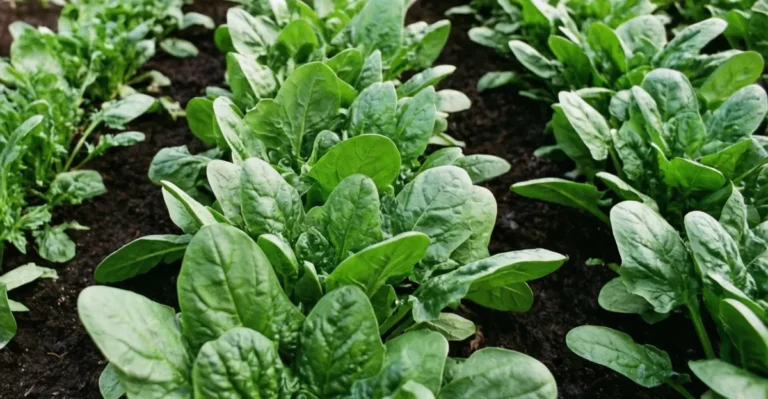
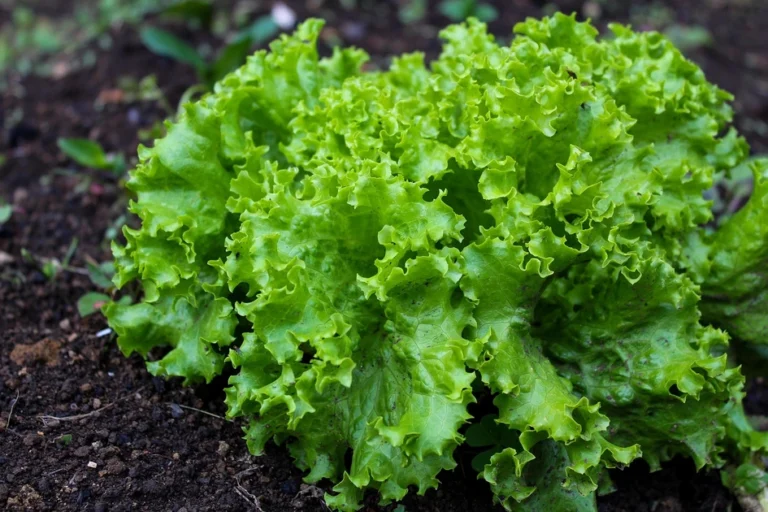
- Spinach & Lettuce: These low-growing greens don’t compete for nutrients and keep the soil shaded and cool.
- Roses: Garlic is rumored to intensify the fragrance of roses and deter common rose pests.
Conversely, avoid planting garlic near beans or peas, as it can inhibit their growth.
Landscape Uses & Harvest Tips
Garlic plants, especially with their emerging scapes, can add architectural interest to your edible landscape. Plant them in rows along a sunny path, intersperse them with ornamental edibles like kale, or create an herb spiral featuring garlic as a central element. Now, about harvesting those scapes! The key to maximizing your main garlic bulb size is to remove the scape as soon as it emerges and forms a full curl (usually a loop or two). If you let the scape mature and flower, the plant directs energy into seed production rather than bulb growth, significantly reducing your bulb yield. To harvest, use clean, sharp pruning shears and snip the scape just above the top leaf. Don’t pull them, as this can damage the main plant.
garlic scapes benefits,what do garlic scapes taste like,garlic scapes flower: These culinary powerhouses offer a milder, sweeter garlic flavor with a hint of green onion or chive. They can be enjoyed raw in salads, stir-fried, roasted, grilled, or blended into pesto. Some research indicates potential antioxidant properties and antimicrobial benefits.
Common Pests & Diseases to Avoid
Garlic is generally robust, but vigilance is key. The most common foe is the onion thrips, tiny insects that suck sap from leaves, causing silvery streaks. Combat them organically by using insecticidal soap or introducing predatory lacewings. Another occasional issue is white rot, a fungal disease favored by cool, wet conditions, which causes the base of the plant to rot. Prevention is the best defense: ensure good soil drainage, practice crop rotation (avoid planting alliums in the same spot for at least 3 years), and plant certified disease-free cloves. Keep an eye out for rust, characterized by orange spots on leaves; proper air circulation and avoiding overhead watering can help mitigate this.
Seasonal Maintenance & Overwintering
Beyond planting, consistent weeding is crucial, especially in spring, as garlic competes poorly with weeds. Maintain that protective mulch layer to suppress them. As late spring approaches, closely monitor for scapes. Once they appear, harvest them promptly to encourage larger bulbs, as discussed.
For overwintering, your fall planting and generous mulching largely handle this. The cold period is essential for vernalization, triggering the plant’s reproductive cycle. After harvesting your main garlic bulbs in mid-summer, allow the bed to rest or consider a cover crop like clover to replenish soil nutrients for the next cycle.
Conclusion
From understanding what are garlic scapes to mastering their removal and culinary potential, growing garlic is a deeply rewarding experience. These often-overlooked parts of the plant offer not only a delightful early harvest with unique flavors and potential garlic scapes benefits but also play a vital role in ensuring your main garlic bulbs reach their full, glorious potential. Don’t let another season pass without harnessing the magic of the scape! Are you ready to dive into the wonderful world of garlic gardening? Share your garlic scape recipes or gardening triumphs with us! What will you create with your first harvest of these delicious green treasures? Explore our other posts on edible gardening for more inspiration!
FAQs
Q1: Can I eat the garlic scape flower if I let it bloom?
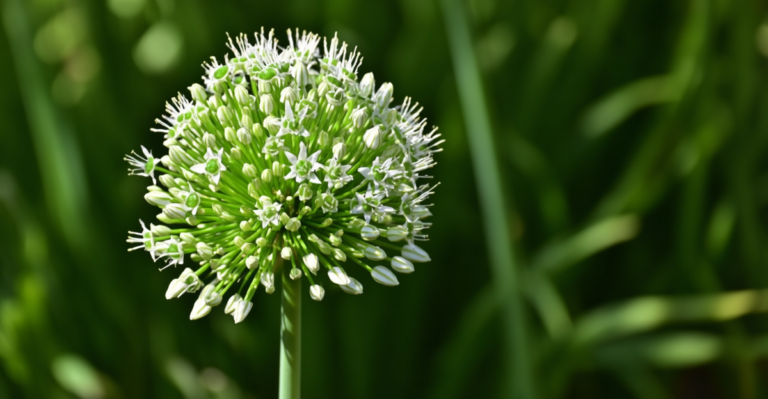
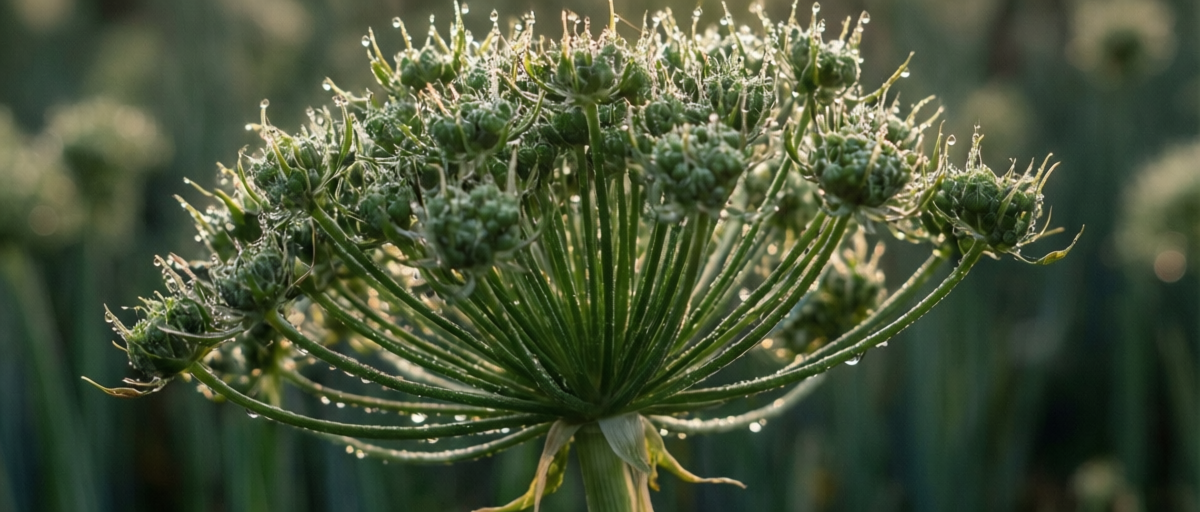
A1: While the tiny flowers (bulbils) on a mature garlic scape are technically edible, they are very small and often past their prime for culinary delight once they fully bloom. Their primary purpose at that stage is to produce seeds. It’s best to harvest scapes before they fully flower for the best flavor and texture.
Q2: Will my garlic still produce a good bulb if I don’t remove the scapes?
A2: Yes, it will produce a bulb, but it will likely be significantly smaller (often 30-50% smaller) and may have a shorter storage life. The plant diverts energy to the scape’s flower production when left on, at the expense of bulb growth.
Q3: what do garlic scapes taste like?
A3: Garlic scapes have a delightful, milder garlic flavor, often described as a cross between garlic and chives or green onions. They are slightly sweet, with a crisp, tender texture when fresh. Their flavor mellows even further when cooked.
Q4: How long can I store harvested garlic scapes?
A4: Fresh garlic scapes can be stored in the refrigerator, loosely wrapped in a plastic bag or damp paper towel, for up to 2-3 weeks. For longer storage, they can be chopped and frozen for several months, or made into pesto.
Q5: Are all garlic varieties produce scapes?
A5: No, only hardneck garlic varieties produce scapes. Softneck garlic varieties, which are typically grown in warmer climates and are known for their braiding ability, do not produce a flowering stem or scapes.