How to Care for the Red Ginger Plant
The red ginger plant is a stunning addition to any garden, known for its vibrant flowers and lush foliage. To keep this beauty thriving, understanding its basic needs is crucial.
Caring for your red ginger plant involves providing the right conditions for growth. This includes the right amount of light, water, and nutrients. By following these essential steps, you can enjoy a healthy and flourishing plant.
This article will guide you through the necessary steps to care for your red ginger plant, ensuring it remains a vibrant part of your garden. With the right care, your plant will continue to thrive.
Table of Contents
Understanding the Red Ginger Plant
To truly appreciate the red ginger plant, it’s essential to understand its origins and natural characteristics. This knowledge will help you provide the best conditions for your plant to thrive.
Origin and Natural Habitat
The red ginger plant is native to tropical regions, where it grows in warm, humid climates. Understanding its natural habitat is crucial for replicating the right conditions in your garden.
Native Regions and Climate
Red ginger plants are predominantly found in Southeast Asia and the Pacific Islands. They thrive in environments with high humidity and temperatures between 70°F to 90°F (21°C to 32°C).
Growth in the Wild
In their natural habitat, red ginger plants grow in clusters, often near water sources or in shaded areas. They can reach significant heights, making them a striking feature of the tropical landscape.
Physical Characteristics
The red ginger plant is known for its striking foliage and vibrant flowers. Its physical characteristics make it a popular choice for ornamental purposes.
Foliage and Flowers
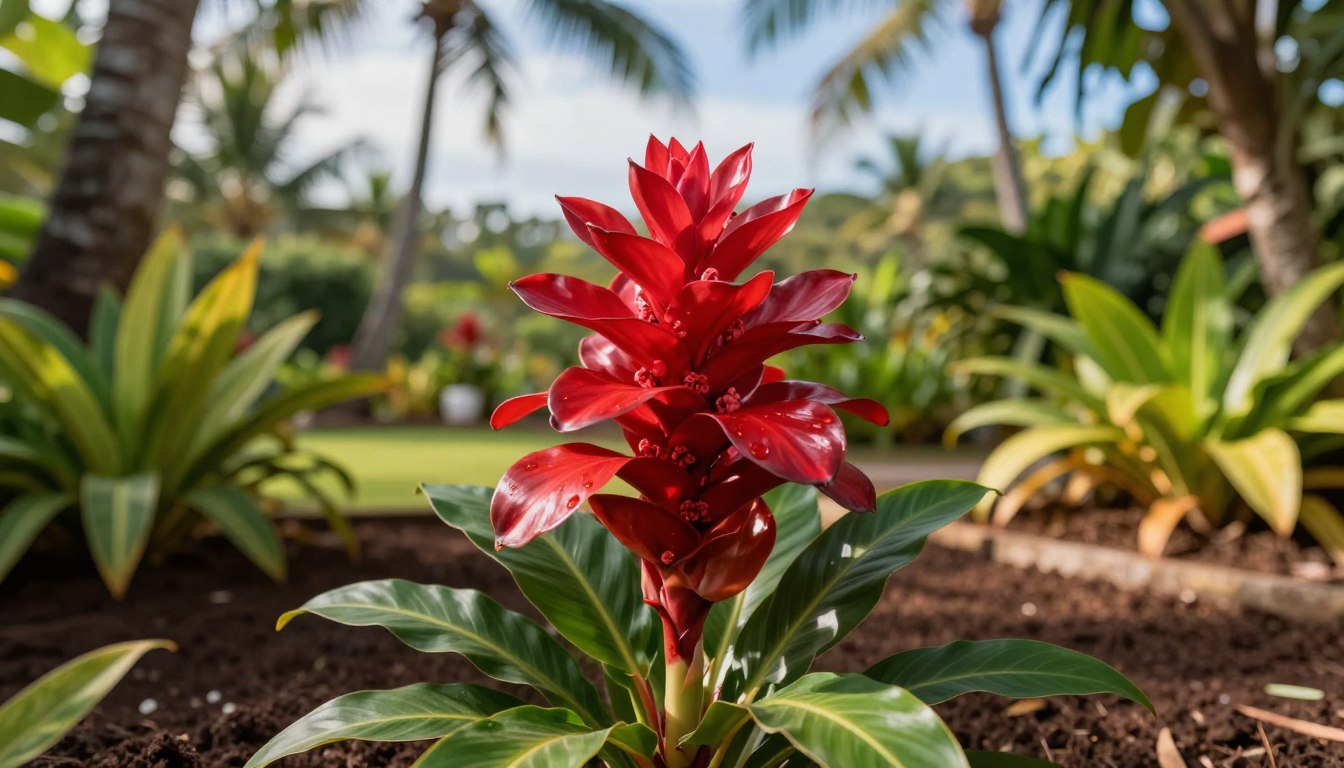
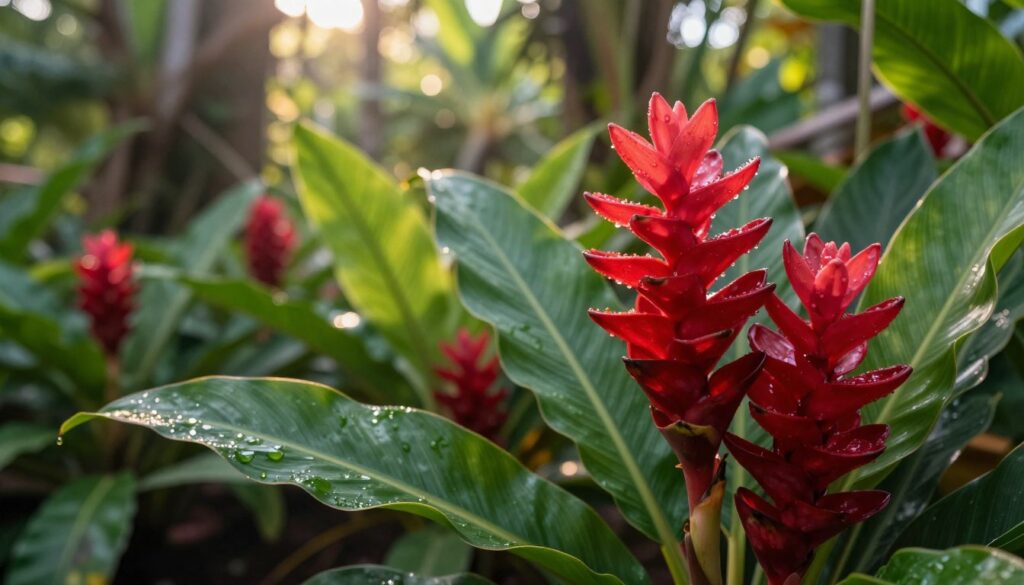
The plant has long, lance-shaped leaves and produces conical inflorescences with bright red bracts. The actual flowers are small and white, emerging from between the bracts.
Size and Growth Patterns
Red ginger plants can grow quite tall, typically between 6 to 12 feet (1.8 to 3.6 meters) in height. They have a clumping growth habit, with new shoots emerging from the base of the plant.
Popular Red Ginger Varieties
There are several varieties of red ginger plants, each with its unique features. Alpinia purpurata, or Common Red Ginger, is one of the most popular varieties, known for its bright red inflorescences.
Other Notable Cultivars
Other notable cultivars include Alpinia malaccensis and Alpinia galanga, which offer different flower colors and growth habits, providing options for various landscaping needs.
Benefits of Growing Red Ginger Plants
With their striking appearance and multiple benefits, red ginger plants are a great option for gardeners looking to enhance their outdoor spaces. Growing red ginger plants can be a rewarding experience, offering numerous advantages that make them a valuable addition to any garden.
Ornamental Value
Red ginger plants are highly valued for their ornamental qualities. They add a vibrant touch to gardens, making them more visually appealing.
Visual Appeal in Gardens
Their tall, upright inflorescences create a dramatic display, adding a tropical feel to your garden. This makes them an excellent choice for gardeners looking to create a lush, exotic landscape.
Use as Cut Flowers
Red ginger flowers are also popular as cut flowers, providing a long-lasting and striking addition to floral arrangements. Their unique shape and color make them a favorite among florists.
Environmental Benefits
In addition to their aesthetic appeal, red ginger plants offer several environmental benefits. They play a crucial role in supporting local ecosystems.
Attracting Pollinators
These plants attract various pollinators, including bees and butterflies, which are essential for the reproduction of many plant species. By attracting pollinators, red ginger plants contribute to the overall health of your garden.
Contribution to Biodiversity
By incorporating red ginger plants into your garden, you are supporting local biodiversity. They provide habitat and food for various species, enhancing the ecological balance.
Traditional and Medicinal Uses
Beyond their ornamental and environmental benefits, red ginger plants have been used in traditional medicine for centuries. They are valued for their potential health benefits.
Ideal Growing Conditions for Red Ginger Plants
Creating an optimal growing environment is vital for red ginger plants to thrive. This involves understanding the plant’s climate requirements, sunlight needs, and temperature and humidity considerations.
Climate Requirements
The red ginger plant thrives in specific USDA Hardiness Zones. Understanding these zones is crucial for determining whether your area is suitable for growing this plant.
USDA Hardiness Zones
Red ginger plants are typically hardy in USDA zones 9-11. If you live outside these zones, you can still grow the plant in a container that can be moved indoors during colder months.
Microclimate Considerations
Creating a microclimate that mimics the plant’s natural habitat can significantly improve its growth. This can involve providing shelter from harsh winds and frost.
Sunlight Needs
Red ginger plants require specific sunlight conditions to grow well.
Light Intensity and Duration
They prefer bright, indirect light. Direct sunlight can cause leaf scorch, so it’s essential to filter the sunlight, especially in warmer climates.
Shade Requirements
In hotter climates, providing some shade, especially during the peak sun hours, can help prevent damage to the leaves.
Temperature and Humidity Considerations
Maintaining the right temperature and humidity levels is crucial for the health of your red ginger plant.
Optimal Temperature Range
The ideal temperature range for red ginger plants is between 65°F to 85°F (18°C to 30°C).
Humidity Management Techniques
These plants thrive in humid environments, typically above 50% relative humidity. You can increase humidity around your plant by misting it regularly or using a humidifier.
| Condition | Ideal Range |
| USDA Hardiness Zones | 9-11 |
| Temperature | 65°F – 85°F (18°C – 30°C) |
| Humidity | Above 50% |
By understanding and providing the ideal growing conditions, you can enjoy a healthy and thriving red ginger plant in your garden.
Soil Requirements and Preparation
To ensure your red ginger plant thrives, it’s crucial to understand its soil requirements. The right soil conditions play a significant role in the health and growth of your plant.
Optimal Soil Type and pH
The ideal soil for red ginger plants is rich, well-draining, and slightly acidic. A pH range between 5.5 and 6.5 is considered optimal.
Soil Composition
A mix of organic matter like compost, peat moss, and perlite can create a well-balanced soil composition. This blend ensures good drainage and aeration.
Testing and Adjusting pH
You can test your soil pH using a soil testing kit. If your soil is too alkaline, add elemental sulfur or peat moss to lower the pH. To raise the pH, use lime.
Drainage Considerations
Proper drainage is essential to prevent waterlogged soil, which can lead to root rot.
Preventing Waterlogged Soil
Ensure your pot or garden bed has adequate drainage holes. Avoid overwatering, as this can exacerbate drainage issues.
Creating Proper Drainage
Mixing in organic matter like compost can improve soil structure and drainage. Consider raising your planting bed to enhance drainage.
Soil Amendments for Red Ginger
Adding the right amendments can significantly improve soil quality and support healthy plant growth.
Organic Matter Additions
Incorporating compost or well-rotted manure can enrich the soil and improve its water-holding capacity.
Mulching Techniques
Apply a layer of organic mulch around your red ginger plant to retain moisture and suppress weeds.
- Use a 2-3 inch layer of mulch.
- Keep the mulch a few inches away from the plant base.
- Replenish the mulch as needed.
By following these guidelines, you can create an ideal soil environment for your red ginger plant, supporting its overall health and vitality.
Watering Your Red Ginger Plant Properly
To keep your red ginger plant thriving, understanding the right watering techniques is essential. Proper watering ensures the plant’s health and vibrancy, supporting its growth and flowering.
Watering Frequency and Amount
Establishing a consistent watering schedule is crucial. Water your red ginger plant when the top inch of soil feels dry to the touch.
Establishing a Watering Schedule
Create a routine based on your plant’s needs and environment. Check the soil moisture regularly.
Deep Watering Techniques
Water thoroughly until you see water draining out of the pot’s bottom holes. This encourages deep root growth.
Signs of Improper Watering
Be aware of the signs of overwatering and underwatering to adjust your watering routine accordingly.
Overwatering Symptoms
- Yellowing leaves
- Soft, mushy stems
- Water pooling around the plant
Underwatering Indicators
- Dry, crispy leaves
- Slow growth
- Wilting
Seasonal Watering Adjustments
Adjust your watering schedule according to the season to ensure your red ginger plant receives the right amount of moisture.
Summer Water Requirements
In the summer, your red ginger plant may need more frequent watering due to higher temperatures.
Winter Water Reduction
During the winter, reduce watering as the plant’s growth slows down.
Fertilization Guidelines for Red Ginger Plants
Proper fertilization is crucial for the healthy growth of your Red Ginger Plant. Fertilizers provide essential nutrients that support the plant’s development, enhance its flowering, and maintain its overall health.
Types of Fertilizers
When it comes to fertilizing your Red Ginger Plant, you have several options to consider. The key is to choose a fertilizer that provides a balanced mix of nutrients.
Balanced NPK Ratios
A balanced fertilizer with an NPK ratio of 10-10-10 or 20-20-20 is ideal. This balance ensures that your Red Ginger Plant receives equal amounts of nitrogen, phosphorus, and potassium, supporting leaf growth, flowering, and overall plant health.
Slow-Release Options
Slow-release fertilizers are particularly beneficial as they provide nutrients to the plant over an extended period, reducing the need for frequent applications and minimizing the risk of over-fertilization.
Fertilization Schedule
The fertilization schedule for your Red Ginger Plant should be adjusted based on its growth phase.
Growing Season Applications
During the growing season, typically in spring and summer, apply fertilizer every 4-6 weeks. This frequent application supports the plant’s active growth and flowering.
Dormant Period Considerations
In the dormant season, usually fall and winter, reduce fertilization to once every 2-3 months. The plant’s growth slows down during this period, requiring fewer nutrients.
Organic vs. Synthetic Options
Both organic and synthetic fertilizers can be effective for Red Ginger Plants. The choice between them depends on your preference for natural versus chemical-based products.
Compost and Natural Amendments
Organic options like compost and natural amendments provide a slow release of nutrients and improve soil health. They are environmentally friendly and promote sustainable gardening practices.
Commercial Fertilizer Recommendations
If you prefer synthetic fertilizers, look for commercial products specifically formulated for flowering plants or tropical species like Red Ginger. Always follow the manufacturer’s instructions for application rates.
Pruning and Maintenance Techniques
To keep your red ginger plant thriving, regular pruning and maintenance are essential. Proper care ensures the plant remains healthy and continues to produce vibrant blooms.
When and How to Prune
Pruning your red ginger plant is crucial for maintaining its shape and promoting new growth. The right tools and timing are key to effective pruning.
Tools and Equipment
Use sharp, clean pruning shears or scissors to prevent spreading diseases. Sterilize your tools before and after pruning to protect your plant.
Pruning Timing
The best time to prune your red ginger plant is after it finishes blooming. Remove spent flower stalks and any dead or damaged leaves to encourage new growth.
Removing Dead Foliage and Flowers
Regularly inspect your plant for dead or dying foliage and flowers. Removing these helps maintain the plant’s appearance and prevents disease.
Identifying Spent Blooms
Spend blooms are typically wilted or discolored. Cut these off at the base to encourage the plant to produce new flowers.
Proper Cutting Techniques
Make clean cuts just above a node (where a leaf meets the stem) to minimize damage and promote healing.
Maintaining Plant Shape and Health
Regular maintenance involves more than just pruning. It includes thinning overcrowded clumps and supporting tall stems.
Thinning Overcrowded Clumps
Overcrowding can lead to reduced air circulation and increased disease risk. Thin out your plant to maintain healthy growth.
Supporting Tall Stems
Tall stems may need staking to prevent them from breaking under the weight of blooms or in strong winds.
| Maintenance Task | Frequency | Purpose |
| Pruning | After blooming | Promote new growth, maintain shape |
| Removing dead foliage | Regularly | Prevent disease, improve appearance |
| Thinning clumps | As needed | Improve air circulation, reduce disease risk |
Propagating Red Ginger Plants
Red ginger plants can be easily propagated using a couple of effective methods. This process allows you to multiply your plants, share them with others, and expand your garden’s beauty.
Division Method
The division method involves separating the rhizomes of a mature red ginger plant. This technique is best performed during the spring or early summer when the plant is actively growing.
When to Divide Plants
It’s essential to divide your red ginger plant when it becomes pot-bound or when you notice the rhizomes growing over the edges of the container. This is usually a sign that the plant needs more space to continue thriving.
Step-by-Step Division Process
To divide your red ginger plant, follow these steps:
- Carefully remove the plant from its container.
- Gently separate the rhizomes, making sure each section has at least one growing eye.
- Trim any damaged or rotting rhizomes to prevent disease.
- Replant the divided rhizomes in well-draining soil, and water thoroughly.
Rhizome Cutting Technique
Another effective method for propagating red ginger plants is through rhizome cuttings. This technique involves cutting sections of rhizome and planting them to grow new plants.
Selecting Healthy Rhizomes
Choose rhizomes with visible growing eyes and minimal damage. Healthy rhizomes are firm and have a vibrant color.
Preparing and Planting Cuttings
To prepare rhizome cuttings:
- Cut the rhizome into sections, ensuring each has at least one growing eye.
- Allow the cut ends to dry for a few hours to form a callus.
- Plant the cuttings in a moist, well-draining potting mix.
- Keep the soil consistently moist until new growth appears.
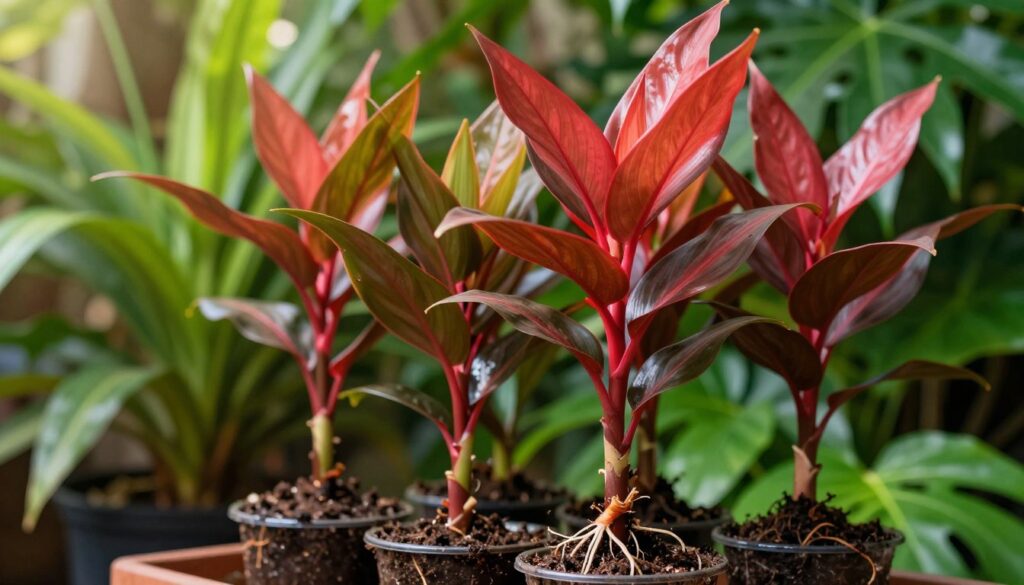
Caring for New Propagations
After propagating your red ginger plants, it’s crucial to provide the right care to ensure they establish themselves successfully.
Post-Planting Care
Keep the soil consistently moist but not waterlogged. Provide bright, indirect light, and maintain a warm, humid environment.
Troubleshooting Common Propagation Issues
Common issues include rotting rhizomes due to overwatering and failure to establish due to insufficient humidity. Monitor your plants closely and adjust their care accordingly.
| Issue | Cause | Solution |
| Rotting Rhizomes | Overwatering | Reduce watering frequency |
| Failure to Establish | Insufficient Humidity | Increase humidity around the plant |
Troubleshooting Common Red Ginger Plant Problems
Maintaining a healthy Red Ginger Plant requires vigilance and the ability to identify and solve potential issues. Despite proper care, these plants can sometimes encounter problems that affect their growth and appearance.
Identifying Common Pests
Red Ginger Plants can be susceptible to various pests. Regular inspection is crucial to catch any infestations early.
Aphids, Mealybugs, and Scale Insects
- Aphids are small, soft-bodied insects that feed on plant sap, causing curled or distorted leaves.
- Mealybugs appear as white, cottony patches on leaves and stems, weakening the plant by sucking sap.
- Scale insects attach themselves to stems and leaves, feeding on sap and potentially transmitting diseases.
Spider Mites and Thrips
- Spider mites cause yellowing or bronzing of leaves by sucking plant sap, often producing fine webbing.
- Thrips are tiny insects that feed on plant sap, causing stippling, discoloration, and distorted growth.
Disease Prevention and Treatment
Diseases can significantly impact the health of your Red Ginger Plant. Understanding how to prevent and treat these issues is crucial.
Fungal Issues (Root Rot, Powdery Mildew)
Fungal diseases such as root rot and powdery mildew can be devastating. Root rot is often caused by overwatering, while powdery mildew thrives in humid conditions.
Bacterial Problems
Bacterial infections can cause lesions or blight on leaves. Ensuring good air circulation and removing infected parts can help manage these issues.
Environmental Stress Factors
Environmental stresses, including extreme temperatures, can affect your Red Ginger Plant’s health.
Cold Damage Symptoms and Recovery
Cold damage can cause leaves to become discolored or droopy. Protecting your plant from frost and gradually acclimating it to cooler temperatures can help prevent damage.
Heat Stress Management
High temperatures can cause scorching or wilting. Providing shade during the hottest part of the day and maintaining adequate moisture can mitigate heat stress.
Nutrient Deficiencies
Nutrient deficiencies can impact the overall health and appearance of your Red Ginger Plant.
Identifying Deficiency Symptoms
Yellowing leaves may indicate a lack of nitrogen, while purpling can be a sign of phosphorus deficiency.
Corrective Measures
Using a balanced fertilizer can help address nutrient deficiencies. Soil testing can provide insights into specific nutrient needs.
By understanding and addressing these common problems, you can keep your Red Ginger Plant healthy and thriving. Regular monitoring and appropriate interventions are key to successful plant care.
Landscaping Ideas with Red Ginger Plants
Red ginger plants can transform your outdoor or indoor area into a lush, tropical paradise. Their vibrant inflorescences and lush foliage make them an ideal choice for adding a touch of exotic beauty to your landscape.
Companion Planting Suggestions
When planting red ginger, consider pairing it with other tropical plants that complement its beauty and growth requirements.
Compatible Tropical Plants
Some excellent companions for red ginger include heliconias, bird of paradise, and various ferns. These plants thrive in similar conditions and create a stunning tropical display.
Color and Texture Combinations
Mixing different textures and colors can enhance the visual appeal of your garden. For example, the bright red of the ginger flowers pairs well with the softer hues of ferns and the vibrant colors of other tropical blooms.
Design Ideas for Gardens
Red ginger plants can be used in various garden designs, from tropical borders to focal points.
Tropical Garden Layouts
Create a lush, tropical garden by planting red ginger among other tropical species. This can help to create a dense, vibrant landscape.
Focal Point Placements
Use red ginger as a focal point in your garden by planting it in a prominent location, such as near an entrance or along a pathway.
Container and Indoor Growing Options
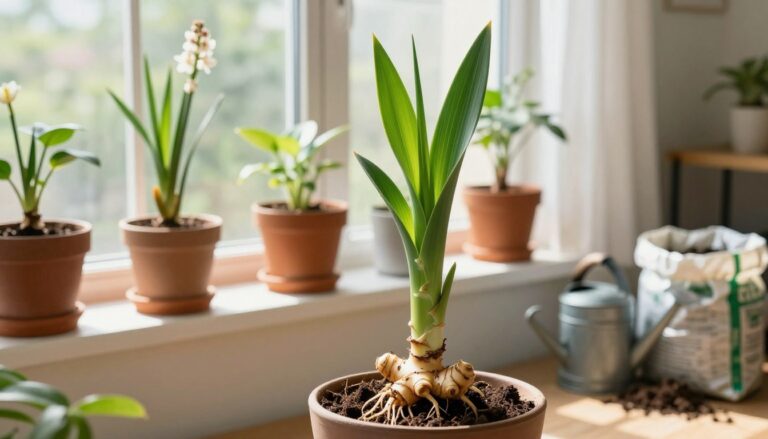
Red ginger can also thrive in containers or indoors, offering flexibility in your landscaping design.
Container Selection and Preparation
Choose a container that is well-draining and sufficiently large to accommodate the ginger’s root system. Use a rich, organic potting mix to support healthy growth.
Indoor Care Adjustments
When growing indoors, ensure your red ginger receives bright, indirect light and maintain a humid environment to mimic its natural habitat.
| Landscaping Idea | Description | Benefits |
| Tropical Garden | Plant red ginger among other tropical plants. | Lush, vibrant landscape. |
| Focal Point | Use red ginger as a central feature. | Draws attention, creates visual interest. |
| Container Gardening | Grow red ginger in pots or containers. | Flexibility, can be moved indoors. |
Conclusion
By now, you understand that growing a thriving red ginger plant involves several key factors. Providing the right growing conditions, soil, watering, fertilization, and maintenance are crucial for its health and beauty.
To recap, red ginger plant care involves ensuring optimal climate, sunlight, temperature, and humidity. Soil preparation is also vital, with a focus on optimal soil type, pH, and drainage. Regular watering and fertilization will promote healthy growth, while pruning and maintenance techniques will keep your plant looking its best.
By following these red ginger plant growing tips, you can enjoy the vibrant beauty and benefits of this tropical plant in your garden or indoor space. Whether you’re a seasoned gardener or just starting out, the red ginger plant is a great choice for adding a touch of tropical elegance to your surroundings.
FAQ
What is the ideal climate for growing red ginger plants?
Red ginger plants thrive in warm, humid climates, typically found in USDA hardiness zones 9-11. They can be grown in containers and brought indoors during colder months in cooler zones.
How often should I water my red ginger plant?
Watering frequency depends on the climate and soil conditions. Generally, you should water your red ginger plant when the top inch of soil feels dry to the touch, aiming for about 1-2 inches of water per week.
What type of fertilizer is best for red ginger plants?
A balanced fertilizer with an NPK ratio of 10-10-10 or 20-20-20 is suitable for red ginger plants. You can also use slow-release fertilizers or organic options like compost.
How do I propagate red ginger plants?
Red ginger plants can be propagated through division or rhizome cutting. Division involves separating the roots, while rhizome cutting requires cutting sections of the rhizome and planting them.
What are common pests that affect red ginger plants?
Common pests that affect red ginger plants include aphids, mealybugs, scale insects, spider mites, and thrips. Regularly inspect your plants and treat infestations promptly.
Can I grow red ginger plants indoors?
Yes, you can grow red ginger plants indoors in containers. Ensure they receive bright, indirect light, and maintain a humid environment with temperatures between 65-75°F (18-24°C).
How do I maintain the shape and health of my red ginger plant?
Regular pruning and maintenance are essential. Remove dead foliage and flowers, thin overcrowded clumps, and support tall stems to maintain the plant’s shape and promote healthy growth.
What are some landscaping ideas using red ginger plants?
Red ginger plants can be used as a focal point in tropical garden layouts, paired with other compatible plants like heliconias or bromeliads, or grown in containers to add a pop of color to indoor or outdoor spaces.