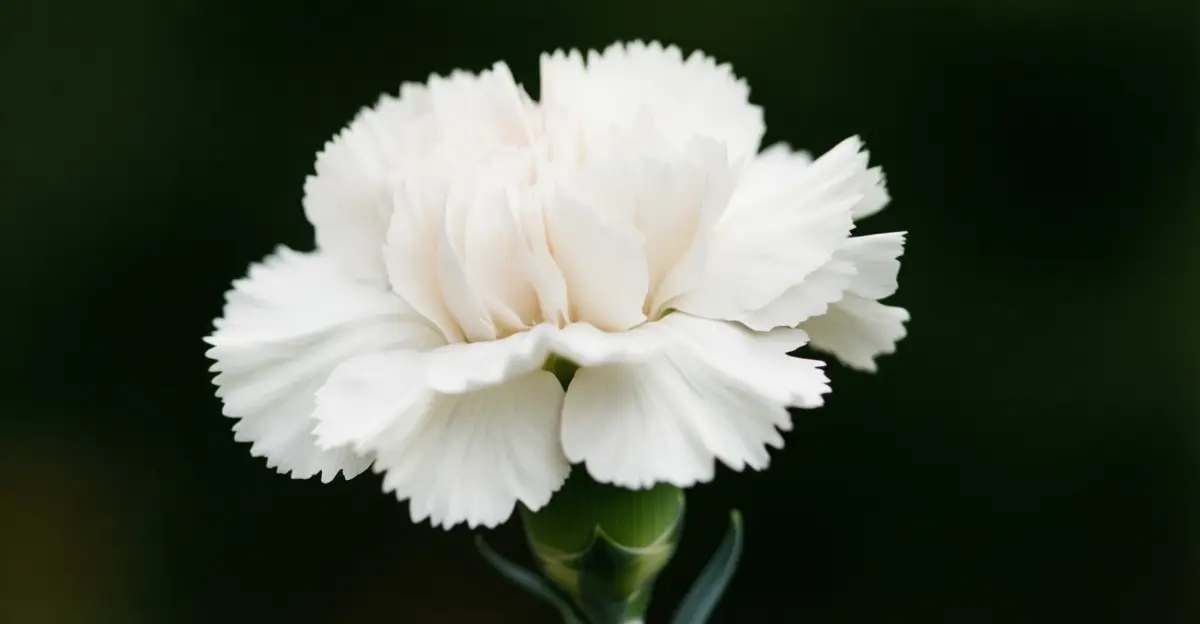
Understanding White Carnation Symbolism and Uses
Have you ever wondered if the delicate beauty of a white carnation holds a deeper meaning beyond its pristine petals? Can a single flower truly embody a spectrum of human emotions, influencing everything from solemn occasions to joyous celebrations? While many flowers dazzle with vibrant hues, the subtle elegance of white carnations often belies a rich tapestry of cultural and emotional significance. Today, we’re diving deep into the fascinating world of white carnation symbolism, exploring not just its aesthetic appeal but also its practical applications in gardening and beyond.
Table of Contents
Tools & Soil Requirements
Before embarking on your journey with these elegant blooms, let’s gather the right provisions. To cultivate thriving white carnations, you’ll need standard gardening tools: a hand trowel, pruning shears, a watering can or hose, and gardening gloves. When it comes to soil, white carnations are not overly demanding, but they certainly have preferences. Aim for a loamy, well-draining soil with a pH level between 6.7 and 7.0 (neutral to slightly alkaline). This optimal range ensures nutrient availability and prevents waterlogging, which can be detrimental to their delicate root systems. Adding organic compost enhances soil fertility and structure, making it a welcoming home for young plants. In terms of climate, white carnations thrive in USDA Hardiness Zones 5-9, preferring moderate temperatures and plenty of sunshine. They appreciate cool nights and warm, sunny days without extreme heat.
Best Planting Season & Timing
Timing is everything when cultivating healthy white carnations. The ideal window for planting is in the spring after the last frost has passed, or in early fall in warmer climates. When sown from seed, white carnations typically germinate within 7-14 days. For comparison, this is a relatively quick turnaround for perennials, often 15-20% faster than many other popular garden flowers. From germination to full bloom, you can expect glorious white carnations to grace your garden in approximately 4-6 months. Planting established seedlings can shave off a few weeks, allowing you to enjoy their pristine beauty even sooner.
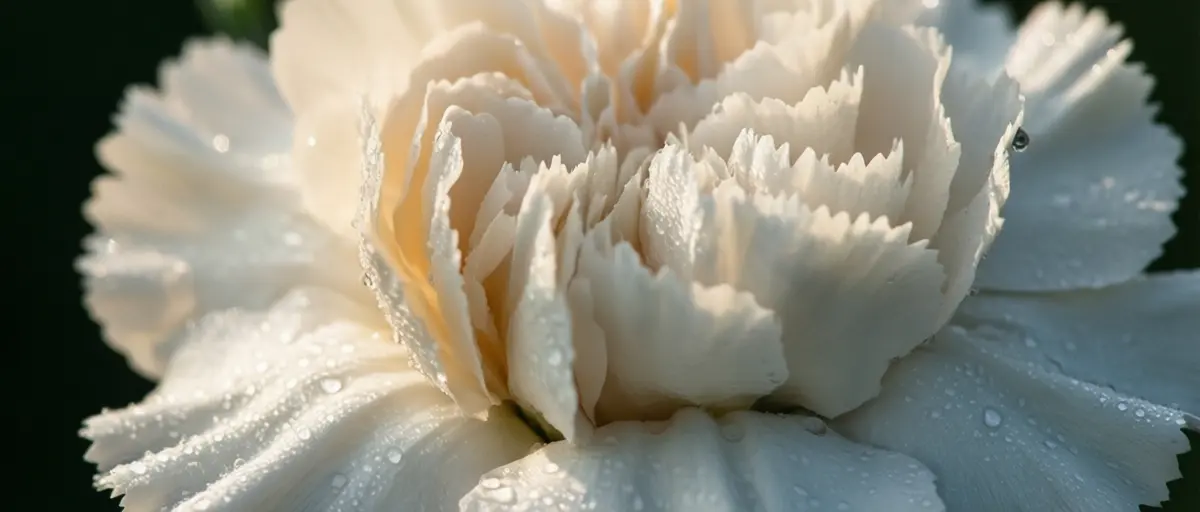
Step-by-Step Planting Instructions
Cultivating magnificent white carnations is a rewarding experience, whether you’re a seasoned gardener or just starting out. Let’s make it easy with these personalized steps:
1. Choose Your Spot Wisely:
Think like a sun worshipper! Select a location in your garden that receives at least 6 hours of direct sunlight daily. Good air circulation is also key to preventing fungal issues, so avoid overly crowded areas.
2. Prepare the Soil Bed:
Your white carnations will thank you for well-prepared soil. Dig down about 10-12 inches, breaking up any compacted earth. Incorporate a 2-3 inch layer of organic compost to enrich the soil. If you have heavy clay soil, consider adding some sand to improve drainage.
3. Planting Seeds or Seedlings:
If planting seeds, sow them about 1/8 inch deep and 6-12 inches apart. Lightly cover them with soil. For seedlings, dig a hole slightly larger than the root ball, gently place the plant, and backfill with soil, patting gently around the base. Ensure the plant is at the same depth as it was in its nursery pot.
4. The First Drink:
After planting, water thoroughly to help settle the soil around the roots. This is critical for initial establishment. Think of it as a comforting welcome drink for your new plant.
5. Mulch for Moisture & Moderation:
Apply a 1-2 inch layer of organic mulch (like straw or shredded bark) around the base of the plants. This helps retain soil moisture, suppress weeds, and regulate soil temperature – essential for consistent growth.
Plant Care Essentials
Consistent care is the secret to a spectacular display of white carnations. These resilient flowers thrive with proper attention.
Water Needs: While established plants are somewhat drought-tolerant, consistent moisture is crucial, especially during dry spells and the blooming period. Water deeply once or twice a week, allowing the soil to dry slightly between waterings. Avoid overhead watering to prevent fungal diseases; instead, water at the base of the plant.
Sunlight Requirements: White carnations are sun-loving beauties, requiring a minimum of 6 hours of direct sunlight per day to produce abundant blooms. In hotter climates, a little afternoon shade can be beneficial to prevent scorching.
Temperature Tolerance: These plants are remarkably hardy, enduring temperatures from 20°F to 90°F. Their comfort zone is typically between 50°F and 75°F. They generally thrive in USDA Hardiness Zones 5-9.
Fertilization: Feed your white carnations every 4-6 weeks during the growing season with a balanced, all-purpose liquid fertilizer, or a slow-release granular fertilizer. Reduce feeding frequency as blooming slows.
Best Varieties & Companion Plants
For robust growth and stunning blooms, consider classic white carnation varieties like ‘Laced Romeo’ for its intricate petal edges or ‘White Rhapsody’ known for its prolific blossoms. If you’re looking for something disease-resistant, ‘Grenadin White’ is a fantastic choice, offering sturdy stems and long-lasting flowers.
Companion planting can elevate your garden’s health and beauty. White carnations pair wonderfully with plants that enjoy similar growing conditions. Try planting them alongside lavender, which not only looks beautiful but also repels common pests like aphids. Marigolds are another excellent choice, releasing compounds that deter nematodes and other soil-borne pests. For a striking visual contrast and to attract beneficial pollinators, plant them near delphiniums or salvias. This creates a vibrant, biodiverse ecosystem, supporting your meaning of flowers carnations with natural defenses.
Landscape Uses & Harvest Tips
White carnations are incredibly versatile, offering elegant charm to various garden designs. Use them to create stunning borders, providing a continuous wave of pristine white along pathways or flower beds. Their upright habit makes them excellent candidates for containers, adding a touch of sophistication to patios and balconies. Imagine a row of potted white carnations framing your garden entrance, or a mixed container display with trailing lobelia creating a cottage-garden feel.
For those who love fresh cut flowers, white carnations are a dream. Harvest them when the buds are just starting to unfurl, revealing a hint of color. Cut the stems at an angle in the morning after the dew has dried, ensuring minimal stress on the plant. Immediately place them in water, and they’ll brighten your home for weeks. Changing the water every other day and trimming the stems periodically will further extend their vase life.
Common Pests & Diseases to Avoid
Even the most beautiful plants can face challenges. White carnations are generally hardy, but keep an eye out for a few common culprits:
- Aphids: These tiny sap-sucking insects can cluster on new growth. A strong spray of water or an organic insecticidal soap can effectively remove them.
- Spider Mites: Indicated by fine webbing and speckled leaves, spider mites thrive in dry, hot conditions. Increase humidity and use neem oil for control.
- Fungal Diseases (e.g., Rust, Powdery Mildew): These often appear as discolored spots or white powdery growth on leaves. Good air circulation is your best defense. Remove affected foliage and apply organic fungicides if necessary.
- Stem Rot: Usually a result of overwatering or poor drainage. Ensure your soil allows water to drain freely to prevent this.
Regular inspection is key to early detection and treatment, keeping your white carnations healthy and vibrant.
Seasonal Maintenance & Overwintering
Maintaining your white carnations throughout the seasons ensures their longevity and continuous bloom.
Spring: As new growth emerges, begin fertilizing and ensure consistent watering. Deadhead spent flowers to encourage more blooms and prevent the plant from self-seeding.
Summer: Continue deadheading regularly. Monitor for pests and diseases, especially during hot, humid spells. Provide consistent water, especially if rainfall is scarce.
Fall: In colder zones, prepare for winter. White carnations are generally perennial, but a layer of mulch (2-4 inches) around the base can provide extra insulation for the roots, protecting them from harsh freezes. You can also lightly prune back spent foliage.
Winter: In very cold climates, consider bringing potted carnations indoors to a bright, cool spot. For garden plants, the mulch layer will do most of the work. Avoid heavy pruning in winter, as it can stress the plant.
Conclusion
From their symbolic representation of pure love and good luck to their remarkable resilience in the garden, white carnation symbolism truly offers a rich narrative. By understanding their specific needs—from well-draining soil and ample sunlight to timely planting and vigilant care—you can cultivate stunning displays that not only elevate your garden’s aesthetic but also infuse it with profound meaning. Now, it’s your turn! Embrace the elegance of white carnations. Share your gardening successes, planting tips, or even photos of your beautiful blooms in the comments below. Let’s grow beautiful gardens together!
FAQs
Q1: What does a white carnation specifically symbolize?
A1: White carnations traditionally symbolize pure love, innocence, good luck, and remembrance. They are often used in weddings, funerals, and as expressions of deep admiration.
Q2: Are white carnations difficult to grow for beginners?
A2: Not at all! White carnations are quite resilient and relatively easy to grow, making them an excellent choice for both novice and experienced gardeners. Just ensure they get enough sunlight and well-draining soil.
Q3: How often should I fertilize my white carnations?
A3: During the active growing season (spring through early fall), fertilize every 4-6 weeks with a balanced liquid fertilizer. Reduce or stop fertilizing during the colder months.
Q4: Can white carnations be grown in containers?
A4: Absolutely! White carnations thrive in containers, provided the pots have adequate drainage holes and are large enough to accommodate their root system. This is a great option for patios and balconies.
Q5: What’s the best way to encourage more blooms?
A5: Regular deadheading (removing spent flowers) is crucial! This signals to the plant to produce more flowers rather than expending energy on seed production. Ample sunlight and consistent feeding also contribute to prolific blooming.