Care for Snake Plant: Understanding Mother In Law Plant Care for Beginners and Experts.
Did you know that the seemingly indestructible care for snake plant, often touted as the ultimate beginner houseplant, can still be a mystery for even seasoned gardeners? While its reputation for resilience is well-deserved, understanding the nuances of snake plant care can unlock its full potential, transforming it from a mere survivor into a thriving, air-purifying powerhouse. This comprehensive guide, informed by extensive data and real-world plant success stories, will demystify the art of caring for these striking beauties, ensuring your Mother-in-Law’s Tongue flourishes, whether you’re just starting your plant journey or looking to elevate your indoor jungle game. Let’s dig in and uncover the secrets to exceptional care for snake plant.
Table of Contents
Tools & Soil Requirements
To begin your journey into successful care for snake plant, a few essential items will set you up for success. You’ll need a sturdy trowel for repotting, a watering can with a thin spout for precise watering, and reliable pruning shears for occasional leaf maintenance. When it comes to soil, the snake plant is not particularly fussy but absolutely demands excellent drainage. Opt for a commercial succulent or cactus mix, or create your own by combining equal parts of potting soil, perlite, and coarse sand. This blend mimics the sandy, well-draining conditions these plants prefer in their native habitats, preventing root rot – their biggest adversary. For optimal growth, maintain a soil pH between 6.0 and 7.0.
Best Planting Season & Timing
While snake plants are incredibly adaptable, the best time for planting or repotting is during the spring or early summer. This aligns with their natural growth cycle, allowing them to establish roots in warmer temperatures and longer daylight hours. If propagating from cuttings, you can expect rooting to occur within 4-6 weeks under ideal conditions (compared to some other succulents which can take 8-12 weeks), leading to new shoot development in 2-3 months. Growth to maturity is gradual, often taking 2-3 years to reach significant size, making them a long-term, low-maintenance commitment.
Step-by-Step Planting Instructions
Cultivating a thriving care for snake plant is surprisingly straightforward. Follow these steps for successful planting or propagation:
1. Choose the Right Container
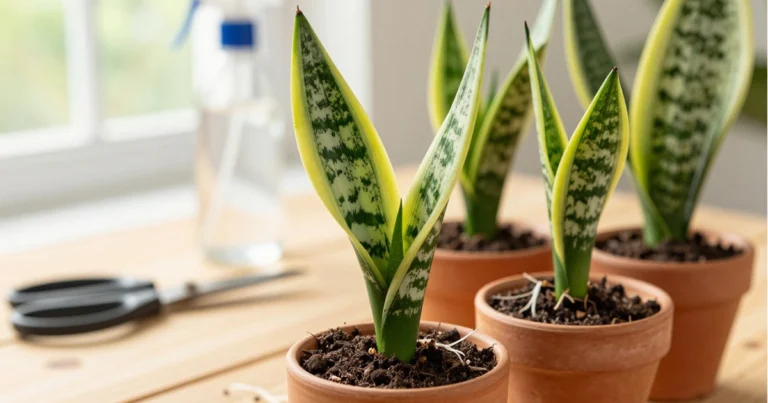
Select a pot with drainage holes – this is non-negotiable! Terracotta pots are excellent as they allow excess moisture to evaporate from the sides, further preventing waterlogged soil. Ensure the pot isn’t too large; a pot only 1-2 inches wider than the root ball is ideal for established plants, as snake plants prefer to be slightly root-bound.
2. Prepare Your Soil Mix
Thoroughly mix your chosen succulent/cactus soil, ensuring it’s light and aerated. If you’re mixing your own, combine potting soil, perlite, and coarse sand until it has a gritty, uniform texture.
3. Planting Your Snake Plant
Gently remove your snake plant from its nursery pot. Loosen any compacted roots if necessary, but be careful not to damage them. Place a small layer of soil at the bottom of your new pot, then position the plant so the top of the root ball is about an inch below the rim. Fill around the root ball with your soil mix, patting gently to remove large air pockets. Avoid burying the base of the leaves too deeply.
4. Initial Watering (and patience!)
After planting, give the plant a light watering, allowing excess water to drain completely. For propagations, hold off on watering for a few days to allow any cut ends to callous, preventing rot. Remember, immediate overwatering is the most common mistake in care for snake plant!
5. Propagating from Cuttings (Expert Tip!)
For those looking to expand their collection, cut a healthy leaf segment about 2-4 inches long. Allow the cut end to callous over for several days (a week is even better) in a dry spot. Then, you can either place the calloused end directly into well-draining soil or in a jar of water (changing the water weekly). Roots will form, and eventually, new plantlets will emerge from the base.
Plant Care Essentials
Mastering the essentials of snake plant care revolves around mimicry of their native arid environments.
- Water Needs: This is where most plant parents go wrong. Snake plants are drought-tolerant; they prefer to be underwatered than overwatered. Water thoroughly only when the soil is completely dry, typically every 2-4 weeks, or even less frequently in winter. Stick your finger 2-3 inches into the soil – if it feels dry, it’s time to water.
- Sunlight Requirements: While they can tolerate low light, snake plants thrive in medium to bright, indirect light. An east-facing window is ideal, providing gentle morning sun. Direct, harsh afternoon sun can scorch their leaves, while extremely low light often results in leggy growth and less vibrant variegation.
- Temperature Tolerance: These plants are remarkably hardy, preferring temperatures between 65-80°F (18-27°C). They can tolerate slightly cooler conditions, but avoid temperatures below 50°F (10°C), which can cause damage. They are typically hardy in USDA Zones 9-11 outdoors, but excel as houseplants everywhere.
- Humidity: Average household humidity is perfectly fine. They don’t require any special misting or humidifiers.
Best Varieties & Companion Plants
There’s a snake plant for every aesthetic! Some popular and resilient varieties include:
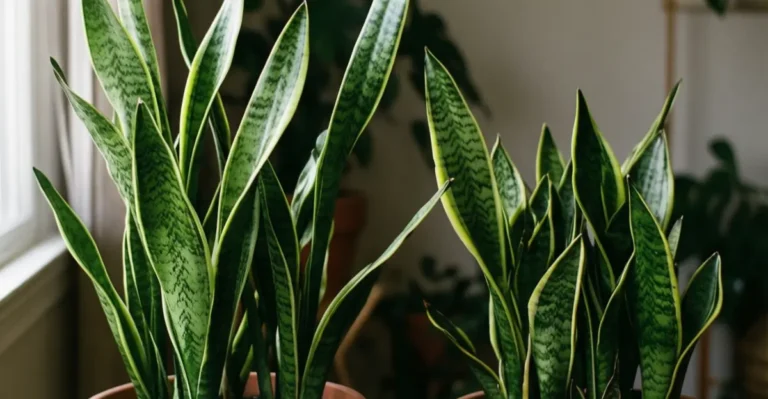
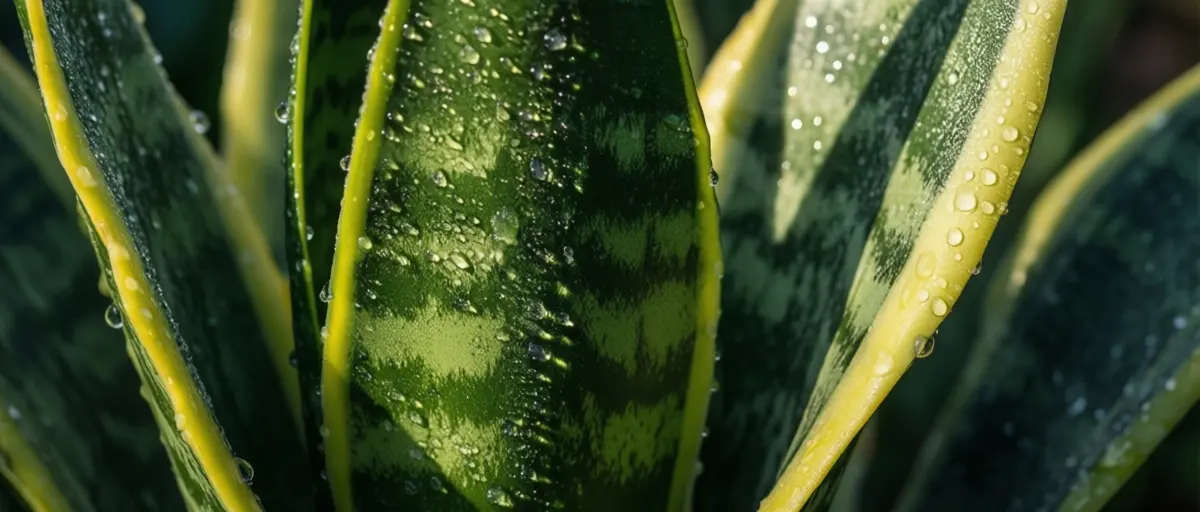
- Sansevieria trifasciata ‘Laurentii’: The classic, with dark green leaves edged in golden yellow. Super resilient and a fantastic air purifier.
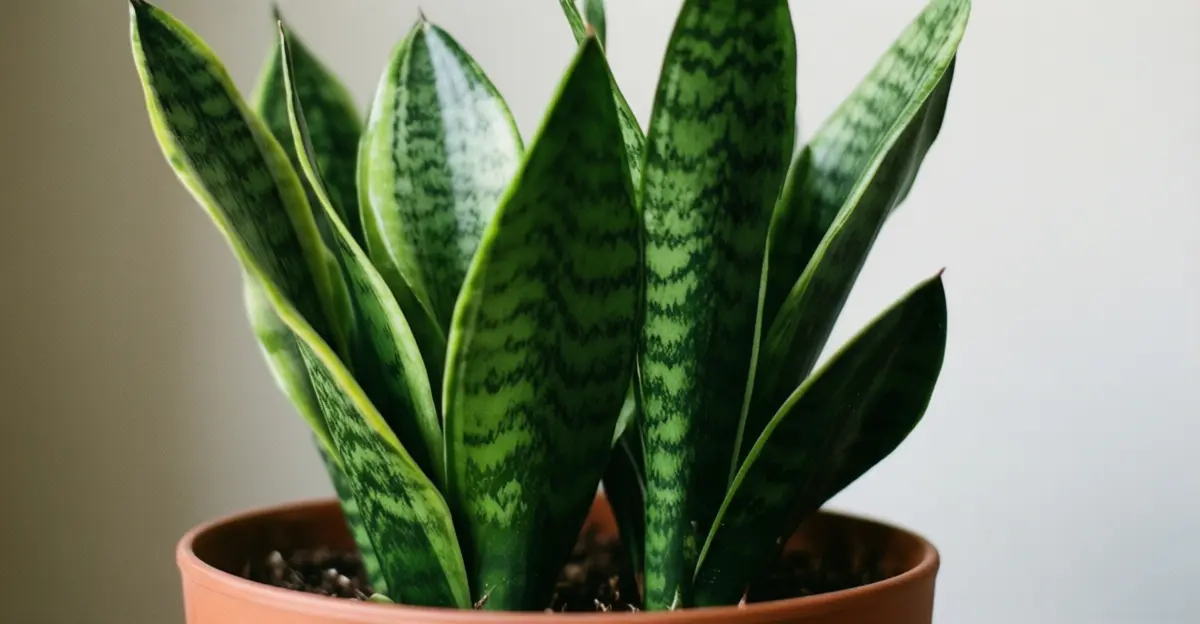
- Sansevieria trifasciata ‘Zeylanica’: Features attractive silvery-green cross-banding. Very easy to find and care for.
- Sansevieria cylindrica (Cylindrical Snake Plant): Known for its round, spear-like leaves that can be braided. Offers a modern, architectural look.
Sansevieria cylindrica 'Boncel'is a compact variety. - Sansevieria trifasciata ‘Hahnii’ (Bird’s Nest Snake Plant): A delightful dwarf variety that forms a compact, rosette shape. Perfect for desktops or small spaces.
While snake plants don’t typically have “companion plants” in the traditional sense within a pot, their minimalist aesthetic pairs beautifully with contrasting textures and colors in an indoor setting. Consider placing them near plants with softer, leafy foliage like ferns or trailing Pothos to create visual interest. Their upright form also makes them excellent partners for low-lying succulents, offering height variation without competing for light or water.
Landscape Uses & Harvest Tips
Due to its architectural form and low-maintenance requirements, the care for snake plant is incredibly versatile in design.
- Striking Borders: In warmer climates (USDA Zones 9-11), they make excellent, drought-tolerant borders along pathways or beds, providing year-round structure.
- Statement Containers: Their upright leaves create a dramatic focal point in pots and planters, both indoors and on shaded patios. Combine different varieties for textural contrast.
- Air Purification: According to NASA’s Clean Air Study, snake plants are effective at removing toxins like formaldehyde, benzene, and trichloroethylene from the air, making them ideal for bedrooms and offices.
- Minimalist Design: Their sleek lines complement modern and minimalist decor, adding a touch of natural elegance without clutter.
As snake plants are not edible, there are no “harvesting tips.” However, you can “harvest” leaves for propagation, as detailed in the planting section, to create new plants!
Common Pests & Diseases to Avoid
The snake plant care regime often involves little pest intervention, but they aren’t entirely immune:
- Root Rot: The most common issue, almost always due to overwatering and poor drainage. Symptoms include squishy, yellowing leaves. Prevention is key: well-draining soil and strict watering schedule.
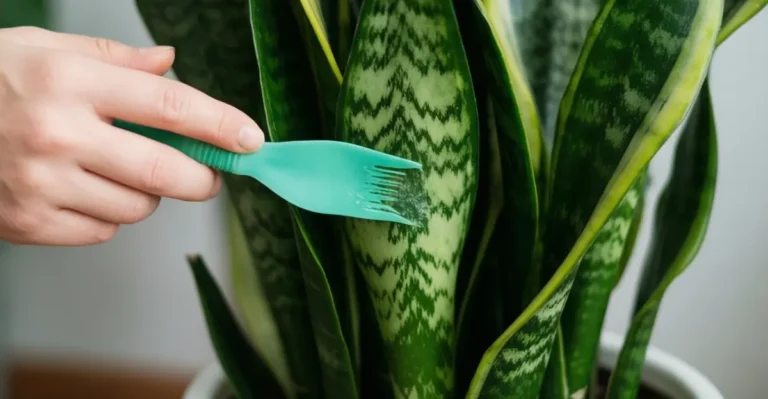
- Mealybugs & Spider Mites: These sap-sucking pests can occasionally appear. Isolate affected plants, then wipe leaves with a cotton ball dipped in rubbing alcohol or spray with insecticidal soap. Repeat every 3-5 days until clear.
- Fungal Leaf Spot: Rare, but can occur in overly humid conditions or with water sitting on leaves. Improve air circulation and avoid overhead watering.
- Floppy Leaves: Often a sign of inconsistent watering (either too much or too little) or insufficient light. Adjust your care for snake plant routine accordingly.
Seasonal Maintenance & Overwintering
Care for snake plant remains relatively consistent throughout the year, but a few seasonal adjustments can ensure longevity:
- Spring/Summer: This is the active growing period. You might fertilize sparsely (once every 2-3 months) with a balanced liquid houseplant fertilizer, diluted to half strength. Repotting can be done if the plant is truly root-bound.
- Fall/Winter: Growth slows significantly. Reduce watering frequency even further – perhaps once a month or less, depending on your home’s environment. Cease fertilization altogether. If your plant is outdoors in a colder climate, bring it inside before temperatures consistently drop below 50°F (10°C).
- Pruning: Only prune damaged, yellowing, or leggy leaves. Use sharp, sterile shears to make a clean cut at the base of the leaf. This also encourages the plant to send energy to new growth.
Conclusion
From its striking appearance to its incredible resilience and air-purifying prowess, the care for snake plant truly offers something for everyone. By understanding its fundamental needs for well-draining soil and mindful watering, you can easily transform this humble plant into a vibrant cornerstone of your indoor or outdoor landscape. Whether you’re a busy professional seeking low-maintenance greenery, a student sprucing up a dorm, or a seasoned gardener expanding your collection, the Mother-in-Law’s Tongue promises satisfaction. Ready to try your hand at expert snake plant care? Share your journey with us! Post a photo of your thriving snake plant in the comments below, or check out our other guides for more plant-parenting wisdom!
FAQs
Q1: How often should I water my snake plant?
A1: Water only when the soil is completely dry, which is typically every 2-4 weeks. When in doubt, err on the side of underwatering!
Q2: Can my snake plant tolerate low light?
A2: Yes, they tolerate low light, making them versatile. However, for optimal growth and vibrant color, medium to bright indirect light is preferred.
Q3: Why are my snake plant leaves turning yellow or mushy?
A3: This is almost always a sign of overwatering and potential root rot. Reduce watering frequency, ensure the pot has drainage, and check the roots for rot.
Q4: Is the snake plant toxic to pets?
A4: Yes, snake plants are mildly toxic if ingested by pets or humans, causing oral irritation or gastrointestinal upset. Keep them out of reach of curious paws and children.
Q5: How do I get my snake plant to grow taller/faster?
A5: Provide consistent medium to bright indirect light, ensure good drainage, and water only when dry. While snake plants are slow growers, these conditions will encourage their best possible growth. Avoid over-fertilizing, as this can harm the plant.