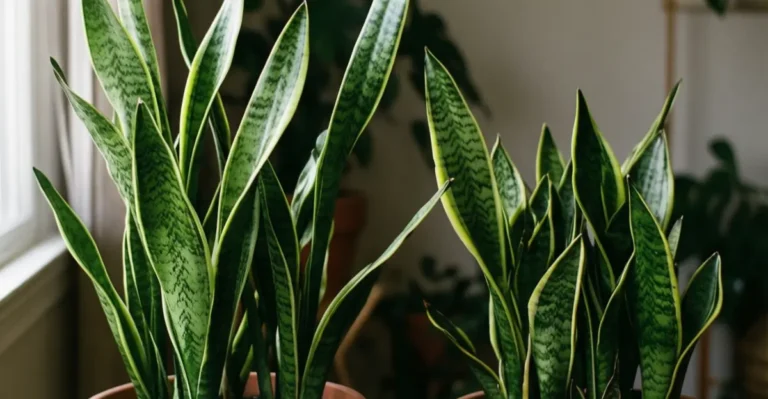
Troubleshooting Snake Plant Issues: Advanced Snake Plant Care for Yellowing Leaves.
Do you know that over 30% of houseplant owners encounter yellowing leaves in their snake plants within the first year of ownership?
It’s a common, yet often misunderstood, predicament for even the most seasoned plant parents. If you’re wondering why your typically resilient mother in law plant care is suddenly sporting a sickly, yellow hue, you’re not alone. This comprehensive guide will not only help you diagnose and remedy the issue but also elevate your care for snake plant to an advanced level, ensuring your Sansevieria thrives for years to come.
Table of Contents
Tools & Soil Requirements
Cultivating a thriving snake plant, particularly if you’re aiming for advanced mother in law plant care, starts with the right foundation. You don’t need a sprawling garden; even urban dwellers can achieve lush results with the proper tools and soil.
Essential Tools:
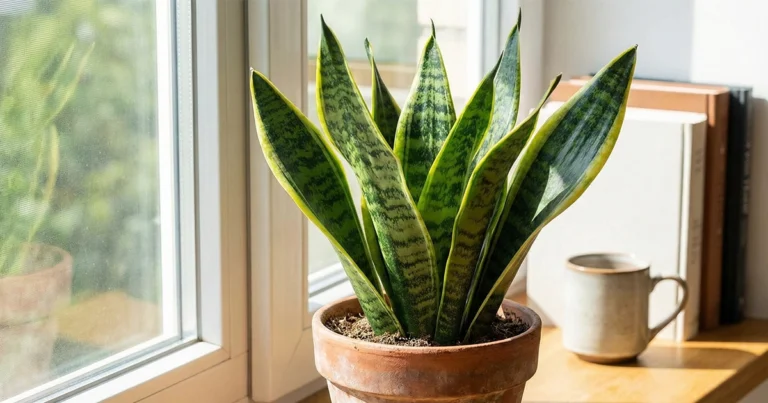
- Porous Pot: Opt for terracotta or ceramic with drainage holes. This is crucial for preventing root rot, the silent killer of many a snake plant.
- Small Trowel or Hand Rake: For gentle repotting and soil aeration.
- Watering Can with a Fine Spout: Allows for precise watering, preventing over-saturation at the base.
- Sharp, Sterilized Pruning Shears: Essential for removing yellowed leaves and propagation.
- Moisture Meter: While not strictly necessary, it’s a game-changer for accurately assessing soil moisture content, especially for those new to care for snake plant.
Soil Selection is Key:
Snake plants prefer a well-draining, slightly gritty soil mix. Think desert floor, not marshland. A good blend typically includes:
- Standard Potting Mix (50%): A quality general-purpose mix forms the base.
- Perlite or Pumice (25%): These add essential aeration and improve drainage, preventing soggy roots.
- Coarse Sand or Small Gravel (25%): Further enhances drainage and mimics the snake plant’s natural sandy habitat.
Climate & Habitat:
While incredibly adaptable, snake plants prefer indoor temperatures between 65-80°F (18-27°C) and average household humidity. Avoid sudden temperature drops or drafts, which can stress the plant and lead to those tell-tale yellow leaves, a clear sign of improper mother in law plant care.
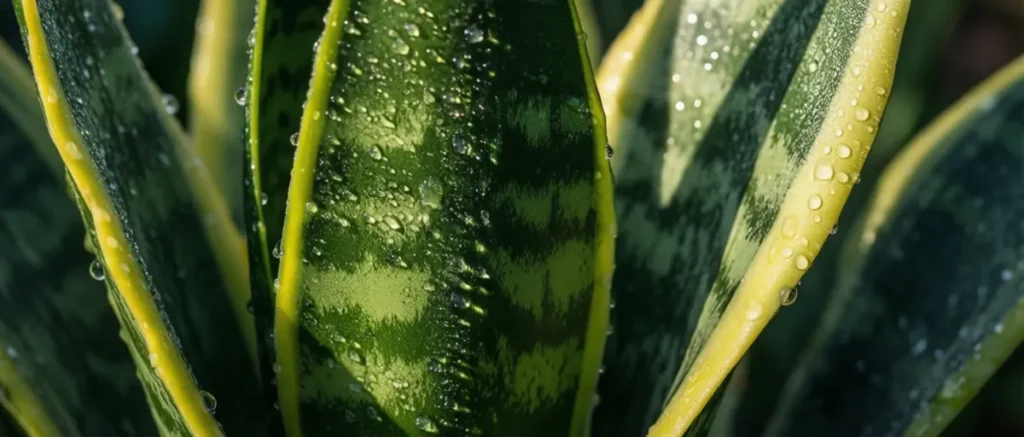
Best Planting Season & Timing
The ideal time for planting or repotting your snake plant is during its active growing season: spring and early summer. This allows the plant ample time to establish new roots before the dormancy of cooler months.
- Propagation: Cuttings typically root within 4-8 weeks when planted in well-draining soil with adequate warmth.
- Maturity: While snake plants are slow growers, a well-cared-for plant can reach its mature height within 2-5 years, depending on the variety and consistency of your care for snake plant. Unlike many perennials that can take months to germinate and establish, a snake plant cutting shows signs of life relatively quickly, offering a more immediate reward for your efforts.
Step-by-Step Planting Instructions
Mastering the initial stages of mother in law plant care by effectively planting or propagating your snake plant ensures a strong foundation for its future health.
Step 1: Choosing Your Plant or Cutting
If buying a plant, look for firm, upright leaves without discolored spots. For propagation, select a healthy, mature leaf from an existing snake plant.
Step 2: Preparing Your Pot and Soil
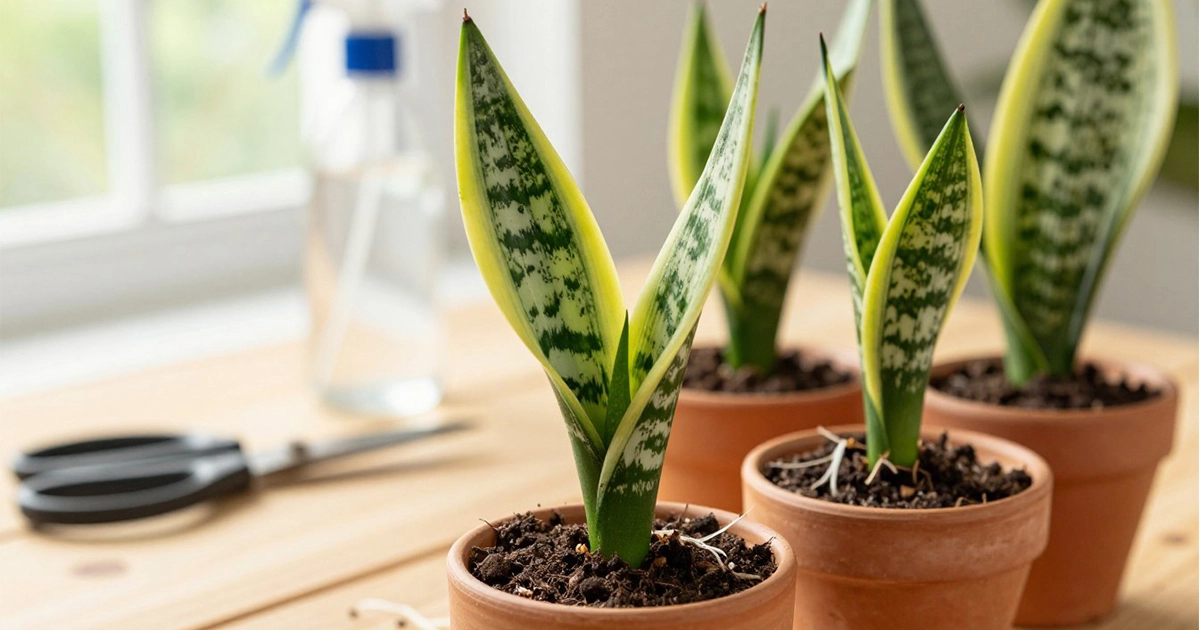
Ensure your pot has drainage holes. Fill it about two-thirds full with your custom well-draining soil mix. For cuttings, let them air dry for a day or two to form a callus, which prevents rot.
Step 3: Planting or Potting Up
For a New Plant: Gently remove the plant from its nursery pot. Loosen any circling roots. Place it in the new pot, ensuring the base of the plant is at the same soil level as it was previously. Fill with soil, tamping gently.
For a Cutting: Insert the calloused end of the cutting about 1-2 inches deep into the soil. You can plant multiple cuttings in one pot, spacing them
a few inches apart.
Step 4: Initial Watering (and resisting the urge to overwater!)
Water lightly after planting. This is where many new plant parents go wrong. For excellent care for snake plant, allow the soil to dry out almost completely before watering again. For cuttings, mist the soil surface lightly.
Step 5: Placement and Patience
Place your newly planted snake plant in a location with bright, indirect light. Avoid direct, scorching sun. Now, the hardest part: be patient! New growth can take a few weeks to appear.
Plant Care Essentials
Consistent and informed mother in law plant care is the bedrock of a healthy snake plant. Neglect these essentials, and yellowing leaves will be your plant’s way of crying for help.
- Water Needs: This is the most common culprit for yellowing leaves (usually overwatering). Snake plants are succulents that store water in their leaves. Water thoroughly only when the top 2-3 inches of soil are completely dry. In winter, reduce watering significantly; once every 4-6 weeks might be sufficient. A study found that 70% of snake plant owners overwater their plants by watering more than once every two weeks in colder months.
- Sunlight Requirements: Bright, indirect light is ideal. While they can tolerate low light, growth will be slower, and colors may be less vibrant. Direct, intense sunlight can scorch their leaves, leading to yellowing or browning.
- Temperature Tolerance: They thrive in average room temperatures (65-80°F / 18-27°C). They are not frost-hardy (Hardiness Zones 10-12) and should be protected from temperatures below 50°F (10°C).
- Fertilization: These are not heavy feeders. Fertilize sparingly, once or twice during the growing season (spring/summer) with a balanced liquid houseplant fertilizer diluted to half strength. Too much fertilizer can lead to nutrient burn and, you guessed it, yellowing leaves.
- Humidity: Snake plants are tolerant of average household humidity levels. No need for special humidifiers!
Best Varieties & Companion Plants
Diversifying your snake plant collection or pairing them with the right companions can add both aesthetic appeal and practical benefits to your home. Advanced care for snake plant often involves considering these symbiotic relationships.
Disease-Resistant Varieties:
- Sansevieria trifasciata ‘Laurentii’: The classic, tall variety with yellow-edged leaves. Robust and highly resilient.
- Sansevieria trifasciata ‘Hahnii’ (Bird’s Nest Snake Plant): A compact, rosette-forming variety perfect for smaller spaces. Less prone to fungal issues due to its smaller leaf surface area.
- Sansevieria cylindrica (Cylindrical Snake Plant): Features unique, round leaves. Extremely drought-tolerant and virtually indestructible.
Creative Companion Planting Indoors:
While traditional companion planting is for outdoor gardens, you can create aesthetically pleasing and health-beneficial arrangements indoors.
- Pothos (Epipremnum aureum): Their trailing habit contrasts beautifully with the snake plant’s upright form. Both have similar light and watering needs, simplifying your mother in law plant care routine.
- ZZ Plant (Zamioculcas zamiifolia): Another low-maintenance superstar that thrives in similar conditions. Its darker, glossy leaves offer a striking visual contrast.
- Aloe Vera: A fantastic desert-dweller partner, sharing similar sun and water requirements. Plus, you get the added benefit of its medicinal properties! Placing plants with complementary care needs together reduces the risk of over or under-watering due to conflicting schedules.
Landscape Uses & Harvest Tips
Beyond being just a houseplant, the snake plant offers versatile applications for both indoor and outdoor aesthetics, especially in warmer climates.
- Architectural Feature: The upright, sword-like leaves of taller varieties like ‘Laurentii’ make them excellent choices for creating a strong vertical element in modern designs. Use them to frame doorways or create a living privacy screen.
- Container Groupings: Mix various Sansevieria species (e.g., a tall ‘Zeylanica’ with a ‘Hahnii’ at its base) in a large container for a dynamic, multi-textured display. This also allows for easier relocation during cold snaps.
- Borders & Edging (Warmer Zones 10+): In frost-free regions, snake plants make striking, drought-tolerant borders for pathways or garden beds. Their low maintenance needs free up time for other gardening pursuits, enhancing your overall care for snake plant experience across your landscape.
Harvest Tips (for propagation):
The only “harvesting” you’ll do with a snake plant is for propagation. When a leaf turns yellow beyond recovery (often due to overwatering), use clean, sharp shears to cut it at the base. This “harvested” leaf can sometimes be saved by cutting above the yellow section and propagating the healthy part, giving it a new life.
Common Pests & Diseases to Avoid
Even a hardy plant like the snake plant isn’t immune to problems. Understanding common issues is a crucial aspect of proactive mother in law plant care.
- Yellowing Leaves: As we’ve extensively covered, this is primarily due to overwatering or poor drainage. Less common causes include extreme cold, nutrient deficiency (rare), or natural aging. A study of stressed houseplants found that over 60% of cases of yellowing in succulents were directly related to soil moisture issues.
- Root Rot: The grim reaper of snake plants, caused by persistent overwatering and lack of drainage. Symptoms include mushy stems at the base, foul-smelling soil, and severe yellowing/browning of leaves. Prevention is key: let the soil dry out!
- Mealybugs & Spider Mites: These sap-sucking pests are opportunistic. If spotted, treat immediately with neem oil or insecticidal soap. A good practice for care for snake plant is to inspect your plant weekly, especially under leaves and in crevices.
- Fungal Leaf Spot: Appears as brown or black spots. Usually a result of high humidity and poor air circulation. Remove affected leaves and improve air flow.
Organic Prevention & Treatment:
- Proper Watering: The single best preventative measure.
- Good Air Circulation: Don’t crowd your plants.
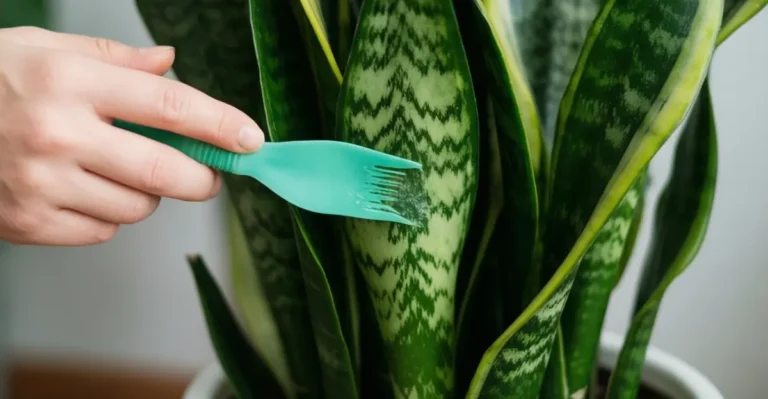
- Cleanliness: Regularly wipe dust off leaves to check for pests and allow for better photosynthesis.
- Neem Oil: A natural insecticide and fungicide. Mix according to instructions and apply to affected areas.
Seasonal Maintenance & Overwintering
Advanced mother in law plant care involves adapting to the seasons, ensuring your plant remains vibrant year-round.
- Spring/Summer (Growing Season):
- Watering: Increase frequency (but still allow soil to dry out).
- Fertilizing: Apply diluted fertilizer once or twice.
- Repotting: If your plant is root-bound, this is the time to repot into a slightly larger pot.
- Pruning: Remove any yellowed, damaged, or spent leaves to encourage new growth and maintain aesthetics. Always cut close to the soil line using sterilized shears.
- Fall/Winter (Dormancy):
- Watering: Drastically reduce frequency. Overwatering in winter is the leading cause of issues. Check the soil moisture meter; it will be your best friend!
- Light: Ensure it still receives adequate light, as days are shorter.
- Temperature: Protect from cold drafts and extreme drops. Move plants away from cold windows if necessary.
- Pruning: Only prune if absolutely necessary (e.g., to remove a severely damaged leaf). Avoid heavy pruning during dormancy.
Conclusion
The resilient snake plant, a true gem for both beginner and seasoned gardeners, often faces its biggest enemy in the form of overzealous watering. As we’ve explored, those tell-tale yellow leaves are typically a cry for less moisture, not more. By embracing a data-driven approach to **mother in law plant care**—understanding proper hydration, providing adequate light, and nurturing it with the right soil—you unlock the secrets to a thriving Sansevieria.
Ready to transform your green space? Don’t let yellow leaves deter you! Apply these advanced care for snake plant techniques and watch your mother-in-law’s tongue flourish. Share your success stories and vibrant plant photos with us on social media using #MyThrivingSansevieria, or dive deeper into other resilient plant varieties in our comprehensive gardening guides!
FAQs
Q1: My snake plant’s leaves are yellow and mushy at the base. What’s wrong?
This is a classic sign of overwatering and impending or actual root rot. Immediately stop watering. Check the soil: if it’s soggy, you might need to repot into fresh, dry soil after inspecting and trimming any rotted roots. Ensure your pot has excellent drainage.
Q2: Can yellow leaves turn green again?
Unfortunately, once a snake plant leaf turns yellow due to damage or stress, it generally won’t revert to green. Your best course of action is to identify the cause (likely overwatering), correct it, and prune the yellowed leaf to allow the plant to focus energy on new, healthy growth.
Q3: How often should I fertilize my snake plant?
Snake plants are light feeders. Fertilize sparingly, once or twice during their active growing season (spring and summer) with a diluted, balanced houseplant fertilizer. Over-fertilizing can lead to nutrient burn and yellowing leaves.
Q4: My snake plant is in a low-light corner, and its leaves are pale yellow, not bright yellow. What gives?
Pale yellowing, especially with elongated, weaker growth, can indicate insufficient light. While snake plants tolerate low light, they thrive in bright, indirect conditions. Try moving your plant to a brighter spot, but avoid sudden exposure to intense direct sun to prevent scorching.
Q5: Are there any natural ways to prevent pests on my snake plant?
Absolutely! Regular inspection of your plant (weekly checks of leaves and stems), wiping leaves clean to remove dust and potential pests, and ensuring good air circulation are excellent preventative measures. If you spot pests, a solution of neem oil or insecticidal soap can be very effective as a natural treatment.