A Gardener’s Guide to Co-Planting: What Vegetables Grow Well Together with Tomatoes.
Have you ever wondered if your tomato plants could be doing even better, yielding more fruit, or fending off pests with less effort? Many gardeners diligently tend to their tomato patches, yet often overlook one of the most impactful strategies for success: companion planting. This ancient technique, now backed by modern science, can revolutionize your tomato harvest. So, are you ready to discover what to plant next to tomatoes to unlock their full potential? Forget the conventional wisdom of simply spaced-out rows; the right plant neighbors can bolster growth, deter unwelcome guests, and even enhance flavor. Let’s dig into the data-driven world of tomato plant companions and transform your gardening game.
Table of Contents
Tools & Soil Requirements
Before diving into companion choices, ensure your tomato haven is perfectly prepared. For robust growth, you’ll need a few essential tools and a prime soil environment.
- Trowel & Spade: Indispensable for planting and working the soil.
- Gardening Gloves: Protect your hands from thorns and soil irritants.
- Stakes or Cages: Tomatoes are vine-like and need support to prevent stem breakage and improve air circulation.
- Watering Can or Soaker Hose: Consistent, deep watering is crucial.
- Soil pH Test Kit: To ensure your soil hits that sweet spot.
Tomatoes thrive in loamy, well-draining soil, rich in organic matter. A pH level between 6.0 and 6.8 is ideal, mimicking their native conditions and ensuring optimal nutrient absorption. For urban growers, consider raised beds or large containers (at least 15-20 gallons) filled with a high-quality potting mix blended with compost. This ensures good drainage and provides a nutrient-dense start for your plants.
Best Planting Season & Timing
Timing is everything when it comes to a bountiful tomato harvest. The best time to plant indeterminate and determinate tomato varieties is after all danger of frost has passed in your region, typically late spring to early summer.
- Germination Time: If starting from seed, expect germination in 7-10 days, a relatively quick process compared to some slower-growing perennials.
- Time to Maturity: Most standard tomato varieties mature in 60-85 days from transplanting. Early varieties can be ready in as little as 50 days, while some heirloom types might take up to 90 days. For example, a “Celebrity” tomato might yield fruit in 70 days, whereas a “Brandywine” heirloom often takes closer to 85 days. Always check your specific variety’s recommendations.
Step-by-Step Planting Instructions
Ready to get your hands dirty? Follow these steps for successful tomato planting, ensuring an excellent foundation for your what to plant next to tomatoes decisions.
Step 1: Choose Your Spot Wisely
Select a location that receives at least 6-8 hours of direct sunlight daily. This is non-negotiable for sun-loving tomatoes!
Step 2: Prepare the Soil
Amend your soil with 2-4 inches of well-aged compost and a balanced organic fertilizer. Mix it thoroughly into the top 6-8 inches of soil. For container growers, use a high-quality, sterile potting mix.
Step 3: Dig the Hole Deep
Tomatoes are unique because they can root along their stems. Dig a hole deep enough to bury two-thirds of the plant, removing the lower leaves. This encourages a stronger root system.
Step 4: Plant and Water
Carefully place the seedling in the hole, gently backfilling with soil. Water immediately and deeply to settle the soil around the roots.
Step 5: Provide Support
Install stakes, cages, or trellises at planting time. Doing it now prevents disturbing the root system later.
Step 6: Initial Companion Planting
This is where your strategy for what to plant next to tomatoes truly begins. Consider planting basil or calendula nearby from day one to establish beneficial relationships.
Plant Care Essentials
Consistent care is the secret to a thriving tomato patch.
- Water Needs: Tomatoes require consistent moisture, about 1-1.5 inches of water per week, especially during fruiting. Irregular watering leads to blossom end rot. Deep watering encourages root growth.
- Sunlight Requirements: As mentioned, 6-8+ hours of direct sunlight daily. Less sun means fewer fruits.
- Temperature Tolerance: Tomatoes prefer temperatures between 65-85°F (18-29°C). They are not frost-tolerant (Hardiness Zones 3-11, depending on protection). Temperatures below 55°F (13°C) or above 90°F (32°C) can inhibit fruit set.
- Fertilization: Beyond initial soil amendments, feed your plants every 3-4 weeks with a balanced organic fertilizer, especially once fruits begin to set. Data shows that a gradual feeding approach leads to higher yields compared to a single early application.
Best Varieties & Companion Plants
Choosing the right varieties and neighboring plants can significantly boost your success.
Recommended Tomato Varieties:
- ‘Early Girl’: Reliable, early producer, good for shorter growing seasons.
- ‘San Marzano’: Excellent for sauces, determinate variety.
- ‘Cherokee Purple’: Heirloom, rich flavor, excellent for slicing.
- ‘Sungold’: Sweet, prolific cherry tomato, great for snacking.
Creative Companion Planting Ideas for what to plant next to tomatoes:
- Basil: A classic choice! Not only does it repel tomato hornworms and flies, but many gardeners swear it enhances tomato flavor. Plant basil directly at the base of your tomato plants.
- Marigolds (Tagetes spp.): French marigolds are particularly effective at deterring nematodes that attack tomato roots. Their vibrant blooms also attract beneficial insects.
- Beneficial Herbs (beyond Basil):
- Mint (in containers): Its strong scent deters pests, but plant in containers to prevent aggressive spreading.
- Parsley: Attracts parasitic wasps and hoverflies, natural predators of many pests.
- Borage: Attracts pollinators like bees and deters tomato hornworms. It’s also believed to improve tomato flavor and vigor.
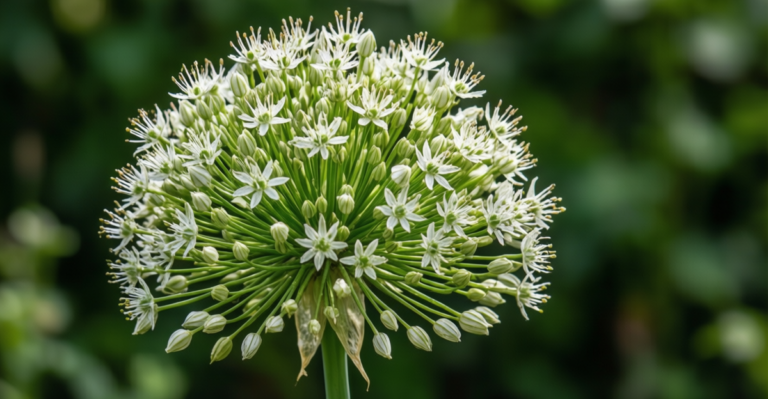
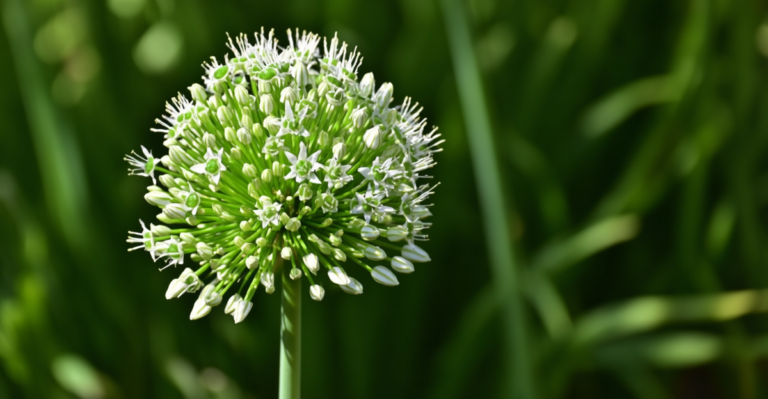
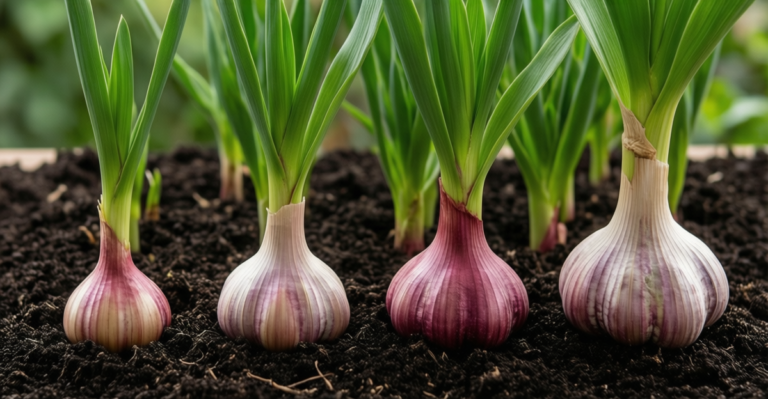
- Alliums (Onions, Chives, Garlic): These can deter aphids, mites, and even some rodents.
- Nasturtiums: Act as a trap crop for aphids, drawing them away from your tomatoes. They’re also edible and add a peppery flavor to salads.
- Carrots: Loose soil and shade provided by tomatoes can benefit carrot growth.
These tomato plant companions work synergistically, creating a more resilient and productive garden ecosystem.
Landscape Uses & Harvest Tips
Tomatoes aren’t just for vegetable patches!
- Container Gardening: Many bush or dwarf varieties thrive in large pots on patios or balconies, making them accessible even for urban gardeners. Imagine a ‘Micro Tom’ cherry tomato cascading from a hanging basket!
- Edible Borders: Integrate smaller tomato plants with herbs and flowers to create attractive, edible borders in your landscape.
- Vertical Gardening: Utilize trellises or a sturdy garden wall to grow indeterminate tomatoes upwards, maximizing space.
Harvesting Tips:
Harvest tomatoes when they are fully colored and firm. Gently twist them off the vine, leaving a little bit of stem attached to prolong freshness. Avoid pulling, which can damage the plant. For the best flavor, allow them to ripen on the vine as much as possible.
Common Pests & Diseases to Avoid
Even with the best companion planting and care, a few adversaries might appear.
- Tomato Hornworms: Large, green caterpillars that can defoliate a plant quickly. Hand-pick them off (they glow under a blacklight at night!) or encourage parasitic wasps. Quick data insight: A single hornworm can consume up to four times its weight in leaves daily!
- Aphids: Small, soft-bodied insects that suck plant sap. Blast them off with water or introduce ladybugs (a natural predator).
- Blossom End Rot: Not a disease, but a calcium deficiency often caused by inconsistent watering. Ensure consistent moisture.
- Early Blight/Late Blight: Fungal diseases causing brown spots on leaves. Ensure good air circulation, water at the base of the plant, and remove infected foliage immediately. Data indicates that proper spacing and pruning can reduce blight incidence by 30-40%.
Organic solutions like neem oil and insecticidal soaps can be effective for pest control, always following product instructions.
Seasonal Maintenance & Overwintering
Tomatoes are typically annuals in most climates, meaning they die back after the first hard frost.
- Pruning: For indeterminate varieties, ‘suckers’ (shoots that grow in the crotch between the main stem and a leaf branch) should be pinched off to direct energy into fruit production. This can increase fruit size and yield by 10-20%.
- End of Season: Once the first frost hits, remove dead or dying tomato plants and dispose of them to prevent disease carryover.
- Soil Renewal: In preparation for next season, amend your garden beds with fresh compost and cover crops to enrich the soil naturally.
Conclusion
Mastering the art of growing tomatoes, especially understanding what to plant next to tomatoes, is a journey of discovery and reward. By leveraging smart companion planting strategies, providing optimal care, and being proactive against pests, you can enjoy a season filled with delicious, homegrown tomatoes. These tomato plant companions aren’t just folklore; they’re a scientifically-backed approach to a healthier, more productive garden. So, what are you waiting for? Embrace the wisdom of companion planting and watch your garden flourish like never before! Share your tomato-growing triumphs and garden photos in the comments below, or explore our other guides on organic pest control and soil health!
FAQs
Q1: Can I plant all types of beans next to tomatoes?
A1: While many legumes, like bush beans, are tomato plant companions, pole beans might compete too much for sunlight and nutrients. Stick to bush beans for best results.
Q2: What should I absolutely NOT plant next to tomatoes?
A2: Keep brassicas (broccoli, cabbage, kale, etc.) and corn away from tomatoes as they can stunt tomato growth. Also, avoid planting walnuts nearby, as they release a compound toxic to tomatoes.
Q3: How close can companion plants be to my tomatoes?
A3: Generally, companion plants can be nestled quite close, typically within 6-12 inches of the tomato plant’s base. However, ensure they don’t shade out your tomatoes or compete excessively for water and nutrients.
Q4: Will companion planting really improve the flavor of my tomatoes?
A4: While scientific evidence is still emerging, many anecdotal reports and traditional gardening practices suggest that companions like basil can indeed enhance tomato flavor, possibly due to shared aromatic compounds or improved plant health.
Q5: Is it safe to use chemical pesticides if I’m companion planting?
A5: It’s best to avoid chemical pesticides when companion planting, especially when attracting beneficial insects. Chemicals can harm these helpful predators and pollinators, negating the benefits of your companion planting strategy. Opt for organic solutions instead.