Discover the history, varieties, and culinary uses of nasturtiums.
Nasturtiums, with their vibrant colors and peppery flavor, have become a favorite among gardeners and chefs alike. These edible flowers add a unique twist to various dishes, from salads to desserts.
The history of nasturtiums dates back to the 16th century when they were first cultivated in Europe. Over time, they have evolved into numerous varieties, each with its unique characteristics and uses in cuisine.
Culinary enthusiasts appreciate nasturtiums for their versatility and flavor. Whether used as a garnish or a main ingredient, they bring a distinctive taste and visual appeal to any dish. Exploring the world of nasturtiums opens up new possibilities for creative cooking and gardening.
Table of Contents
The Colorful World of Nasturtiums
The nasturtium plant, known for its colorful blooms and edible parts, is a versatile addition to any garden or kitchen. With its unique appearance and multiple uses, it’s no wonder that nasturtiums have gained popularity among gardeners and chefs.
Origin of the Name and Botanical Classification
The name “nasturtium” has its roots in Latin. Understanding the etymology and botanical classification provides insight into the plant’s characteristics.
Latin Roots and Meaning
The term “nasturtium” is derived from the Latin words “nasus tortus,” meaning “twisted nose.” This refers to the plant’s pungent aroma, which can cause a facial contortion or “twisted nose.”
Taxonomy and Related Species
Nasturtiums belong to the family Tropaeolaceae. They are related to other plants known for their ornamental and culinary value. Some key characteristics include:
- Annual or perennial growth habit
- Distinctive leaf and flower structure
- Edible flowers, leaves, and seeds
Key Characteristics of the Nasturtium Plant
Nasturtiums are recognized by their striking appearance and versatile uses. The plant’s leaves and flowers are not only beautiful but also edible, adding a peppery flavor to various dishes.
Distinctive Leaf and Flower Structure
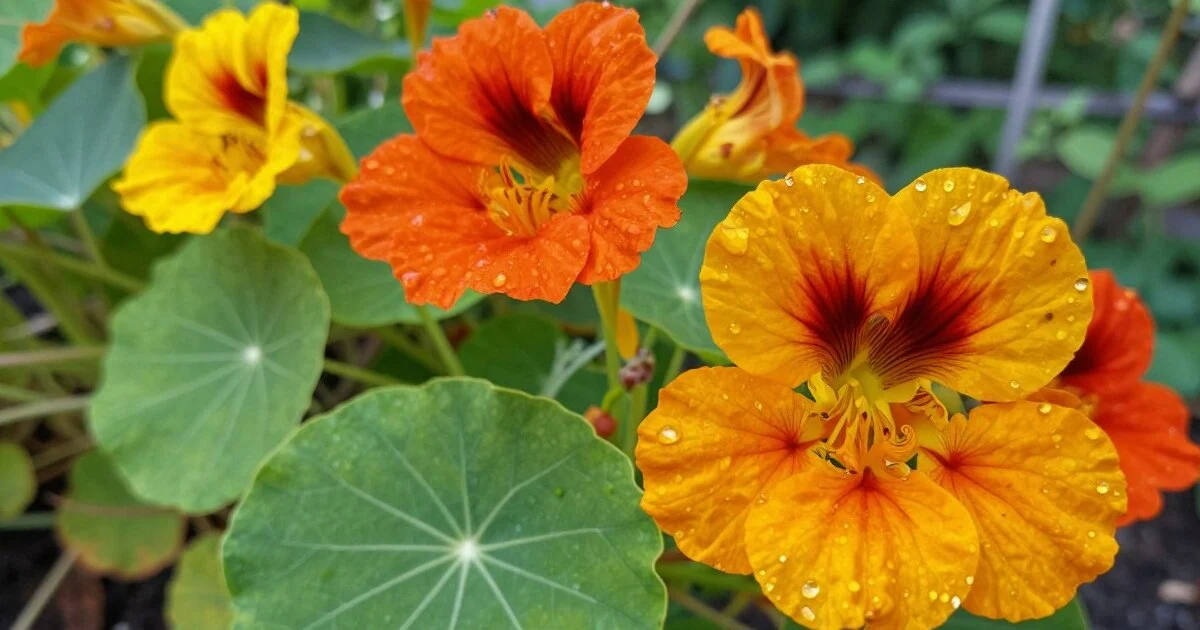
Nasturtium leaves are typically round or shield-shaped, with a waxy texture. The flowers are showy, with five petals, and come in a variety of colors including yellow, orange, red, and cream.
Growth Habits and Life Cycle
Nasturtiums can be either climbing or bushy, depending on the variety. They thrive in well-drained soil and full sun, making them a great choice for gardens and containers. Their life cycle typically spans a single growing season, although some varieties can be perennial in mild climates.
Historical Journey of Nasturtiums
The nasturtium’s journey began long before it graced European gardens, tracing back to the rich cultural heritage of pre-Columbian South America. These flowers were not just admired for their beauty but also held significant cultural and culinary importance.
Nasturtiums in Pre-Columbian South America
In the Andean regions, nasturtiums were a staple in the daily lives of indigenous peoples. They were used not only as a food source but also for their medicinal properties.
Indigenous Uses in Peru and Bolivia
In Peru and Bolivia, nasturtiums were consumed for their peppery flavor, adding a unique twist to traditional dishes. The leaves and flowers were used in salads, while the seeds were pickled as a caper substitute.
Cultural Significance to Incan Civilization
Nasturtiums held a special place in Incan culture, often being used in rituals and ceremonies. Their vibrant colors were symbolic, representing the richness of the land and the community’s connection to nature.
Introduction to European Gardens
The arrival of nasturtiums in Europe marked a significant turning point in their history, as they quickly gained popularity among gardeners and chefs alike.
Spanish Explorers and Plant Collection
Spanish explorers played a crucial role in introducing nasturtiums to Europe. They collected the plants during their voyages to South America, bringing back not only the flowers but also knowledge of their uses.
Rise to Popularity in Victorian Gardens
By the Victorian era, nasturtiums had become a favorite in English gardens. Their ease of cultivation and striking appearance made them a staple among gardeners. As one gardener noted,
“Nasturtiums bring a touch of the exotic to our gardens, with their bright flowers and peppery leaves.”
The historical journey of nasturtiums is a testament to their enduring appeal and versatility. From their origins in South America to their popularity in European gardens, nasturtiums continue to captivate people with their beauty and utility.
Popular Varieties of Nasturtiums for Your Garden
From climbing varieties to compact cultivars, nasturtiums provide a multitude of choices for adding color and interest to gardens. With such a wide range of nasturtium varieties available, gardeners can select the perfect types to suit their garden’s style and needs.
Climbing Nasturtium Varieties
Climbing nasturtiums are perfect for trellises, arbors, or other supports, adding a vertical element to garden designs. These varieties can grow quite vigorously, so proper support is essential.
Tropaeolum majus Varieties
Tropaeolum majus is one of the most common climbing nasturtium species, known for its bright flowers and robust growth. It’s an excellent choice for gardeners looking to create a dramatic display.
Support Systems for Climbing Types
To make the most of climbing nasturtiums, gardeners should provide a sturdy support system. This can be a trellis, a fence, or even a living wall. The key is to ensure the structure is strong enough to hold the weight of the plants.
Dwarf and Bushy Cultivars
For those with smaller gardens or containers, dwarf and bushy nasturtium cultivars are ideal. They offer the same vibrant colors without the need for extensive support.
Compact Varieties for Containers
Compact nasturtium varieties are perfect for container gardening. They are relatively low maintenance and can add a pop of color to balconies, patios, or small gardens.
Mounding Habits and Space Requirements
When planting dwarf or bushy nasturtiums, it’s essential to consider their mounding habits and space requirements. Most varieties need good air circulation to prevent disease, so adequate spacing is crucial.
Unique Color Variations
Nasturtiums are renowned for their stunning flowers, which come in a variety of colors and patterns. From single-color blooms to bi-color and even rare, unusual cultivars, there’s a nasturtium to suit every taste.
Single and Bi-color Flower Options
Gardeners can choose between single-color nasturtiums for a uniform look or bi-color varieties for added visual interest. Both types are sure to enhance the garden’s aesthetic appeal.
Rare and Unusual Nasturtium Cultivars
For the more adventurous gardeners, there are rare and unusual nasturtium cultivars available. These unique varieties can add an exotic touch to garden displays.
Growing Nasturtiums: A Beginner’s Guide
Nasturtiums are one of the most straightforward flowers to cultivate, making them perfect for beginners. Their vibrant colors and easy growth habit make them an excellent addition to any garden.
Ideal Growing Conditions
To grow nasturtiums successfully, it’s essential to understand their ideal growing conditions. This includes soil preferences, light requirements, and temperature tolerance.
Soil Preferences and Preparation
Nasturtiums prefer well-draining soil that is not too rich in nutrients. In fact, overly fertile soil can lead to more foliage and fewer flowers. Preparing the soil by loosening it to a depth of about 8 inches and mixing in some organic matter can help achieve the right conditions.
Light and Temperature Requirements
Nasturtiums thrive in full sun to partial shade. They prefer temperatures between 60°F and 70°F (15°C and 21°C). Avoid planting in areas with extreme temperatures or where frost is likely.
Planting Nasturtium Seeds
Planting nasturtium seeds is a straightforward process that can be done directly in the garden or started indoors.
Direct Sowing Techniques
For direct sowing, plant seeds about 1 inch deep and 8-12 inches apart after the last frost. Water gently but thoroughly.
Starting Seeds Indoors
If starting indoors, plant seeds in biodegradable pots to avoid disturbing the roots when transplanting. Sow seeds about 4-6 weeks before the last expected frost.
Container vs. Garden Bed Cultivation
Nasturtiums can thrive in both containers and garden beds. The choice depends on your space and preference.
Container Size and Material Recommendations
For containers, choose ones that are at least 6-8 inches deep to accommodate the root system. Terracotta or ceramic pots are good options as they allow for good drainage.
Garden Spacing and Companion Planting
When planting in garden beds, space nasturtiums about 8-12 inches apart. They can be companion-planted with vegetables like cabbage and kale to deter pests.
| Growing Condition | Ideal Requirement |
| Soil Type | Well-draining, not overly fertile |
| Light Exposure | Full sun to partial shade |
| Temperature | 60°F – 70°F (15°C – 21°C) |
| Spacing | 8-12 inches apart |
Nasturtium Plant Care and Maintenance
Maintaining healthy nasturtiums involves a combination of proper watering, fertilizing, and pest management. To keep these plants thriving, it’s essential to understand their specific needs throughout the growing season.
Watering and Fertilizing Requirements
Nasturtiums require careful watering to prevent over-moisturizing, which can lead to root rot. Water them sparingly, allowing the soil to dry slightly between waterings.
Moisture Needs Throughout the Season
During hot summer months, nasturtiums may need more frequent watering. However, it’s crucial to avoid waterlogging the soil.
Low-Fertility Benefits and Feeding Guidelines
Nasturtiums thrive in poor soil, making them ideal for low-fertility gardens. If you must fertilize, use a balanced, water-soluble fertilizer at half the recommended strength.
Managing Common Pests and Diseases
Nasturtiums can be susceptible to aphids and fungal diseases. Monitor your plants regularly to catch any issues early.
Aphid Prevention and Control
Use organic pest control methods like neem oil to manage aphid infestations. Encourage beneficial insects that prey on aphids.
Fungal Issues in Humid Conditions
To prevent fungal diseases, ensure good air circulation around your nasturtiums and avoid overhead watering.
Pruning and Training Techniques
Pruning and training can help maintain the shape and health of your nasturtiums. Pinch off spent flowers to encourage more blooms.
Maintaining Bushy Growth
For bushy varieties, pinch off the tips of stems to promote branching.
Directing Climbing Varieties
Provide a trellis or other support for climbing nasturtiums, gently twining the stems around the structure.
The Nutritional Profile of Nasturtiums
The nutritional profile of nasturtiums reveals a rich source of vitamins and minerals, contributing to their potential health benefits. Nasturtiums are not just a feast for the eyes with their vibrant colors and delicate petals, but they are also a nutrient-dense edible flower that can add both flavor and nutrition to various dishes.
Vitamins and Minerals in Nasturtium Flowers and Leaves
Nasturtium flowers and leaves are rich in vitamins and minerals, making them a healthy addition to salads, sandwiches, and other culinary creations. The leaves are particularly high in vitamin C, a powerful antioxidant that plays a crucial role in immune function and overall health.
Vitamin C and Antioxidant Content
Nasturtiums are an excellent source of vitamin C, with their leaves and flowers containing significant amounts of this essential nutrient. Vitamin C is known for its antioxidant properties, helping to protect cells from damage and supporting the body’s natural defense mechanisms.
Mineral Composition Analysis
In addition to vitamin C, nasturtiums contain a range of minerals, including potassium, iron, and manganese. These minerals are important for various bodily functions, such as maintaining healthy blood pressure, supporting bone health, and facilitating metabolism.
| Mineral | Amount per 100g | Health Benefit |
| Potassium | 450 mg | Supports healthy blood pressure |
| Iron | 2.5 mg | Essential for healthy red blood cells |
| Manganese | 0.7 mg | Plays a role in bone health and metabolism |
Medicinal Properties and Traditional Uses
Beyond their nutritional value, nasturtiums have been used in traditional medicine for their antimicrobial and anti-inflammatory properties. The plant has been utilized in various cultures to treat a range of health issues, from skin conditions to respiratory infections.
Antimicrobial and Anti-inflammatory Benefits
The antimicrobial properties of nasturtiums make them effective against certain bacteria and fungi, potentially aiding in the prevention and treatment of infections. Additionally, their anti-inflammatory properties may help in reducing inflammation and promoting healing.
Historical Medicinal Applications
Historically, nasturtiums have been used in herbal medicine to treat various ailments. The plant’s leaves, flowers, and seeds have been employed in different preparations, such as infusions and poultices, to address health concerns.
Culinary Applications of Nasturtiums
Nasturtiums are not just a feast for the eyes; their flowers, leaves, and seeds are edible and add a unique flavor to various dishes. These versatile plants can be incorporated into a variety of culinary creations, from salads and garnishes to cooked meals.
Using Nasturtium Flowers in Salads and Garnishes
Nasturtium flowers bring a burst of color and a peppery flavor to salads, making them a popular choice for adding visual appeal and zest.
Flavor Profile and Peppery Notes
The flowers have a distinct peppery taste, similar to watercress, which complements a wide range of salad ingredients.
Presentation and Aesthetic Value
With their vibrant colors, nasturtium flowers can be used as a garnish to add a pop of color to any dish, enhancing its presentation.
Cooking with Nasturtium Leaves
Nasturtium leaves are another edible part of the plant that can be used in cooking, offering a similar peppery flavor to the flowers.
Texture and Taste Considerations
The leaves can be used raw or cooked, and their texture and flavor hold up well in a variety of dishes, from salads to sautés.
Substituting for Other Greens
Nasturtium leaves can be used as a substitute for other greens like spinach or arugula, adding a unique twist to familiar recipes.
Nasturtium Seeds as Capers
Nasturtium seeds can be harvested and pickled to create a caper-like condiment, adding a tangy flavor to dishes.
Harvesting and Pickling Methods
The seeds are harvested when mature and then pickled in vinegar or brine, similar to traditional capers.
Culinary Uses for Pickled Nasturtium Seeds
Pickled nasturtium seeds can be used as a topping or ingredient in various dishes, from salads to pasta sauces, adding a burst of flavor.
By incorporating nasturtiums into your cooking, you can add a unique flavor and visual appeal to your dishes, making them stand out.
Creative Nasturtium Recipes to Try at Home
Elevate your cooking with the peppery flavor of nasturtiums. These versatile edible flowers can add a unique twist to various dishes, from salads to desserts. In this section, we’ll explore some creative ways to incorporate nasturtiums into your culinary repertoire.
Nasturtium Butter and Infused Vinegars
Nasturtium flowers and leaves can be used to create delicious compound butters and infused vinegars. These condiments are perfect for adding a burst of flavor to your meals.
Compound Butter Preparation
To make nasturtium butter, simply blend softened butter with chopped nasturtium leaves and flowers. Use a ratio of 1:1 for butter to nasturtium mixture. You can then shape the mixture into a log, chill it, and slice it as needed.
Vinegar Infusion Techniques
For infused vinegar, fill a jar with nasturtium flowers and leaves, then cover them with vinegar. Let it steep for a few weeks to allow the flavors to meld. Strain the mixture before transferring it to a clean bottle.
Nasturtium Pesto and Sauces
Nasturtiums can be used to make a delicious and healthy pesto sauce. Simply blend nasturtium leaves with olive oil, garlic, and your choice of nuts or seeds.
Basic Nasturtium Pesto Recipe
Combine nasturtium leaves, garlic, pine nuts, Parmesan cheese, and olive oil in a blender. Blend until smooth, then season with salt and pepper to taste.
Sauce Variations and Pairings
You can modify the basic pesto recipe by adding other ingredients like lemon juice or zest. Try pairing it with pasta, pizza, or as a dip for a flavorful treat.
Desserts and Drinks Featuring Nasturtiums
Nasturtiums can also be used in sweet dishes and beverages. Their flowers can be candied or used to infuse syrups and cocktails.
Candied Flowers and Sweet Applications
To candy nasturtium flowers, coat them in a mixture of egg white and sugar, then dry them. Use them as a garnish for cakes, salads, or other desserts.
Nasturtium-Infused Cocktails and Teas
You can infuse nasturtium flowers in spirits or hot water to create unique cocktails and teas. Experiment with different combinations to find your favorite flavors.
Ecological Benefits of Growing Nasturtiums
The ecological benefits of nasturtiums make them an excellent choice for gardeners looking to create a more sustainable and balanced ecosystem. These plants offer multiple advantages, from serving as companion plants to attracting beneficial pollinators.
Nasturtiums as Companion Plants
Nasturtiums can be used as companion plants to enhance the health and productivity of other plants in the garden. They have natural properties that can deter pests and improve soil health.
Trap Cropping for Pest Management
Nasturtiums can be used as trap crops to lure aphids and other pests away from more valuable crops, reducing the need for pesticides.
Beneficial Plant Associations in the Garden
By planting nasturtiums alongside other vegetables and flowers, gardeners can create beneficial associations that improve overall garden health.
Attracting Beneficial Pollinators to Your Garden
Nasturtiums are known to attract a variety of beneficial pollinators, including bees and butterflies, which are essential for a healthy garden ecosystem.
Butterfly and Bee Attraction
The bright flowers of nasturtiums are particularly attractive to butterflies and bees, providing them with nectar and pollen.
Creating Pollinator-Friendly Habitats
By incorporating nasturtiums into your garden, you can help create a pollinator-friendly habitat that supports local biodiversity.
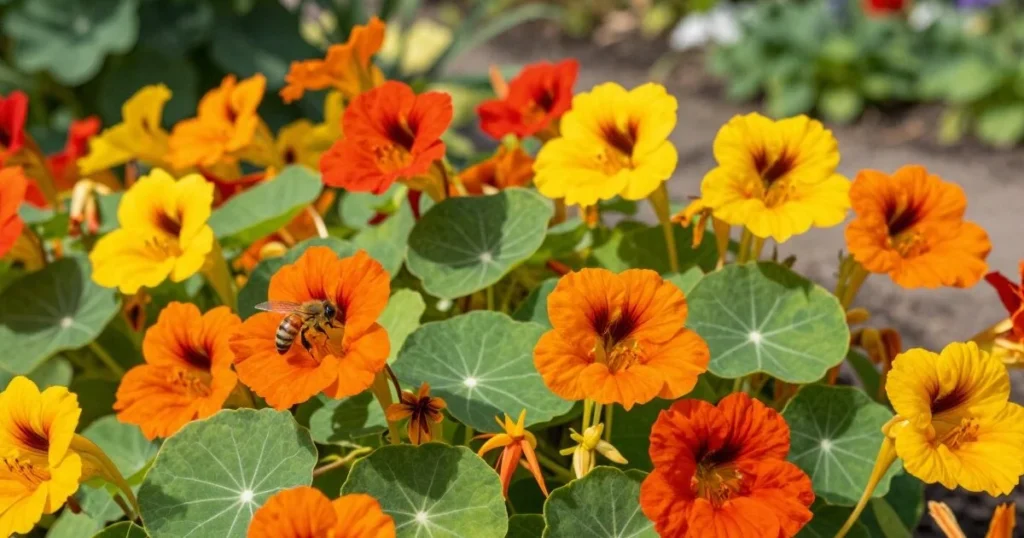
| Ecological Benefit | Description |
| Companion Planting | Nasturtiums deter pests and improve soil health |
| Pollinator Attraction | Nasturtiums attract bees and butterflies |
| Trap Cropping | Nasturtiums lure aphids away from other crops |
Conclusion: Embracing the Versatility of Nasturtiums
Nasturtiums offer a multitude of benefits, from their vibrant colors and diverse varieties to their culinary and ecological advantages. With a rich history dating back to pre-Columbian South America, these flowers have become a staple in many gardens worldwide.
The Tropaeolum genus, to which nasturtiums belong, encompasses a range of species that can be used in various ways. Their edible flowers and leaves are not only a delight to the palate but also provide a nutritious addition to salads and other dishes. The nasturtium benefits extend to their ability to attract beneficial pollinators and serve as companion plants, enhancing the overall health of the garden.
By incorporating nasturtiums into your garden and cooking, you can experience the many rewards of this versatile plant. Whether you’re looking to add a pop of color to your garden or explore new culinary possibilities with edible flowers, nasturtiums are an excellent choice. Their unique flavor and numerous benefits make them a valuable addition to any garden or kitchen.
FAQ
What are the ideal growing conditions for nasturtiums?
Nasturtiums prefer well-draining soil and full sun to partial shade. They thrive in temperatures between 65°F and 75°F (18°C and 24°C).
How do I plant nasturtium seeds?
Sow nasturtium seeds directly in the garden after the last frost, or start them indoors 2-3 weeks before the last frost. Plant seeds 1-2 inches deep and 6-12 inches apart.
Can I use nasturtiums as a companion plant?
Yes, nasturtiums can be used as a companion plant to repel pests, attract beneficial insects, and improve soil health.
Are nasturtium flowers and leaves edible?
Yes, nasturtium flowers and leaves are edible and can be used in salads, as garnishes, and in cooked dishes. They have a peppery flavor and are rich in vitamins and minerals.
How do I care for nasturtium plants?
Water nasturtiums regularly, but avoid overwatering. Fertilize lightly, as high fertility can reduce flowering. Prune or train the plants to maintain shape and encourage blooming.
Can I grow nasturtiums in containers?
Yes, nasturtiums can be grown in containers. Choose a container that is at least 6-8 inches deep and has good drainage. Use a well-draining potting mix and provide adequate sunlight.
What are some common pests and diseases that affect nasturtiums?
Nasturtiums can be susceptible to aphids, whiteflies, and fungal diseases. Use organic pest control methods and maintain good garden hygiene to prevent infestations.
How do I harvest nasturtium seeds for use as capers?
Allow the seed pods to dry on the plant, then harvest and pickle them in vinegar or salt. Use the pickled seeds as a caper substitute in recipes.
Are nasturtiums beneficial for pollinators?
Yes, nasturtiums are a valuable source of nectar and pollen for bees, butterflies, and other beneficial pollinators. They can help attract these beneficial insects to your garden.
Can I use nasturtiums in desserts and drinks?
Yes, nasturtium flowers can be candied or used as a garnish for desserts and drinks. They can also be infused in teas, cocktails, and other beverages for added flavor and nutrition.