Snake Plant Care 101: The Ultimate Guide to Care for Snake Plant Success.
Are you looking to bring some greenery into your home or office? Low-maintenance plants like the snake plant are perfect for busy individuals or those new to plant care.
Nurturing a snake plant can be a rewarding experience, and with the right guidance, you can enjoy the benefits of having this beautiful, air-purifying indoor plant.
In this ultimate guide, we’ll walk you through the essential steps to care for your snake plant, from lighting and watering to soil and propagation. By the end of this article, you’ll be equipped with the knowledge to help your snake plant thrive.
Table of Contents
Meet the Snake Plant: Nature’s Resilient Beauty
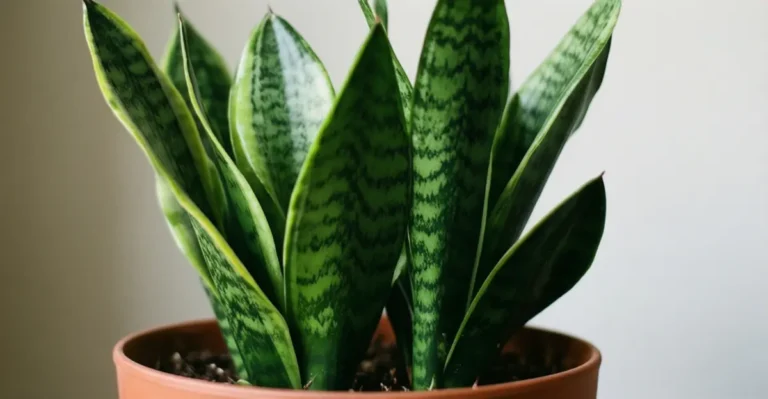
Discover the unique charm of snake plants, known for their striking appearance and robust nature. These plants have become a staple in many homes due to their ability to thrive in a variety of conditions.
Origin and Natural Habitat
Snake plants are native to West Africa, where they can be found growing in the tropical regions. They have adapted to survive in environments with limited light and water, making them highly resilient.
Why Snake Plants Are Popular Houseplants
Snake plants are popular houseplants due to their low-maintenance requirements and numerous benefits. They are known to purify the air, improve mental health, and add a touch of elegance to any room. Some of the key benefits of having a snake plant include:
- Air purification
- Low maintenance
- Aesthetic appeal
Most Common Snake Plant Varieties
There are several varieties of snake plants, each with its unique characteristics. Some of the most common varieties include:
Sansevieria Trifasciata (Mother-in-Law’s Tongue)
This variety is known for its upright, sword-shaped leaves with yellow edges. It is a popular choice for indoor gardening due to its striking appearance.
Sansevieria Cylindrica (Cylindrical Snake Plant)
Sansevieria Cylindrica has cylindrical leaves that grow upright, giving it a unique appearance. It is a great choice for those looking for a different look from the traditional snake plant.
Other Popular Varieties
Other popular varieties of snake plants include Sansevieria Moonshine, Sansevieria Laurentii, and Sansevieria Fernwood. Each variety has its unique features, making them a great addition to any home.
The Remarkable Benefits of Snake Plants
Snake plants are not just visually appealing; they also offer numerous benefits for your home and health. These versatile houseplants have gained popularity not only for their low-maintenance requirements but also for their ability to purify the air, promote well-being, and enhance home decor.
Air Purification Properties
One of the most significant advantages of snake plants is their ability to purify the air. They are known to remove toxins such as formaldehyde and benzene from the air, improving indoor air quality. This makes them an excellent choice for bedrooms and living rooms.
Air Purification Benefits:
- Removes formaldehyde and benzene
- Improves indoor air quality
- Enhances respiratory health
Health and Wellness Advantages
Beyond air purification, snake plants contribute to overall health and wellness. They are believed to reduce stress and promote a sense of calm, making them a great addition to any room. Studies have shown that being around plants can boost mood and productivity.
Aesthetic Appeal in Home Decor
Snake plants are not only beneficial for health; they also add a touch of elegance to home decor. Their striking, upright leaves can complement a variety of interior styles, from modern to traditional. They can be placed in corners, on shelves, or in decorative pots to enhance the visual appeal of any room.
| Decorative Idea | Benefits |
| Corner Placement | Utilizes otherwise wasted space |
| Shelf Display | Adds a natural touch to shelves |
| Decorative Pots | Enhances the visual appeal of the plant |
Essential Snake Plant Care Requirements
Creating an optimal environment for your snake plant involves understanding its needs. To ensure your snake plant thrives, you’ll need to consider several key factors, including lighting, temperature, soil, and container choice.
Light Requirements and Placement
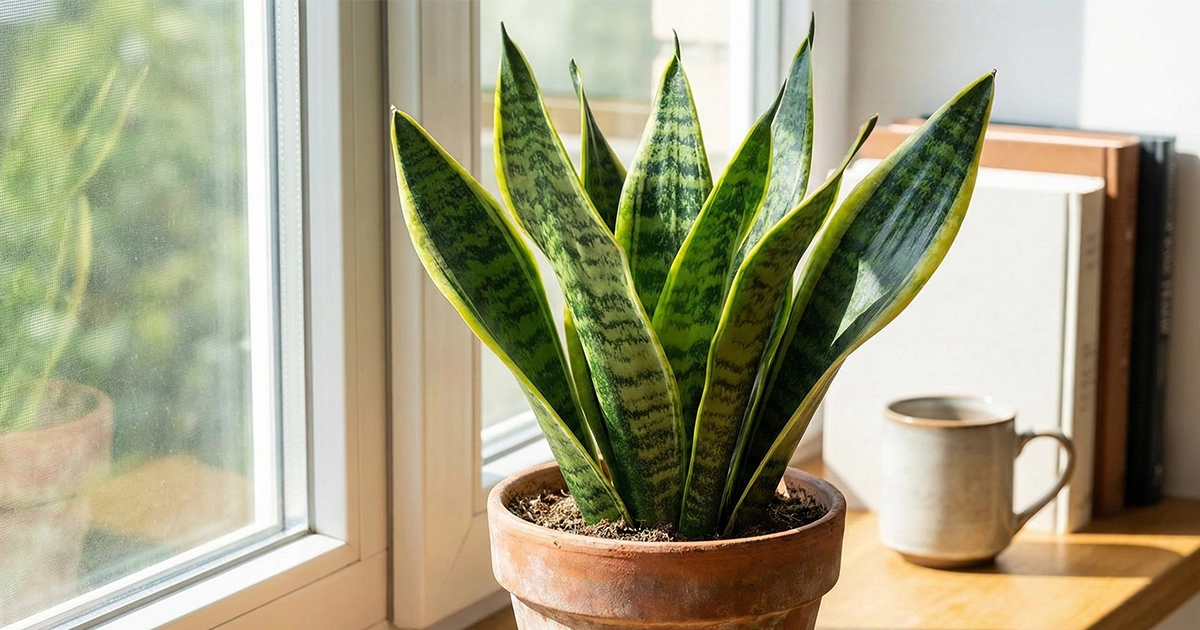
Snake plants are versatile and can thrive in a variety of lighting conditions. They can tolerate low light, making them ideal for rooms with limited natural light, but they also do well in bright, indirect light. However, direct sunlight should be avoided as it can cause the leaves to become scorched. Placing your snake plant near an east- or west-facing window is ideal.
Temperature and Humidity Needs
Snake plants prefer temperatures between 65°F to 75°F (18°C to 24°C), which is typical for most indoor environments. They can tolerate a range of humidity levels but prefer a relatively low humidity environment, around 40-50%. Avoid placing your snake plant near heating or cooling vents to maintain a stable temperature.
Soil Requirements and Potting Mix
A well-draining potting mix is essential for snake plants to prevent waterlogged soil. A mix designed for cacti and succulents works well, as it allows for good drainage and aeration. You can also create your own mix by combining potting soil with perlite or sand. The key is to ensure that the soil doesn’t retain too much water.
- Use a pot with drainage holes.
- Mix potting soil with perlite or sand for better drainage.
- Avoid using regular potting soil alone, as it can retain too much water.
Choosing the Right Container
The container you choose for your snake plant should have drainage holes to prevent water from accumulating in the soil. The size of the container should be proportional to the size of the plant; a pot that is too large can cause the soil to become too wet. Terracotta pots are a good choice because they are breathable and can help prevent waterlogged soil.
Mastering Snake Plant Watering Techniques
Mastering the art of watering is essential for snake plant care. Proper watering techniques ensure your snake plant remains healthy and thrives.
Seasonal Watering Schedule
Adjusting your watering schedule according to the season is crucial. During the spring and summer, snake plants are more active and require more frequent watering. In contrast, during the fall and winter, they are dormant, and watering should be less frequent.
You should water your snake plant every 7-10 days during the growing season and once every 4-6 weeks during the dormant season.
Recognizing Signs of Improper Watering
It’s vital to recognize the signs of overwatering and underwatering to adjust your watering schedule accordingly.
Overwatering Symptoms
Overwatering can lead to root rot and other issues. Signs include yellowing leaves, soft or mushy stems, and a generally weak appearance.
Underwatering Symptoms
Underwatering can cause the leaves to become dry and brittle. If your snake plant is underwatered, you may notice wrinkled or shriveled leaves.
Step-by-Step Watering Guide
Watering your snake plant correctly involves a few simple steps. First, check the soil moisture by inserting your finger into the soil up to the first knuckle. If the soil feels dry, it’s time to water.
Water thoroughly until you see water draining out of the bottom of the pot. Ensure that the pot has good drainage holes to prevent waterlogged soil.
Fertilizing Your Snake Plant for Optimal Growth
To keep your snake plant thriving, understanding when and how to fertilize it is essential. Fertilization provides your snake plant with the necessary nutrients for healthy growth and development.
When to Fertilize Snake Plants
Fertilizing your snake plant during its growing season, typically in spring and summer, promotes healthy growth. Avoid fertilizing during the fall and winter when the plant is dormant.
| Season | Fertilization Frequency |
| Spring & Summer | Once a month |
| Fall & Winter | Avoid fertilizing |
Selecting the Ideal Fertilizer
Choosing the right fertilizer is crucial for your snake plant’s health. A balanced, water-soluble fertilizer with a 20-20-20 formula is ideal. Consider a fertilizer with micronutrients for enhanced plant health.
“A well-fertilized snake plant is not just about providing nutrients; it’s about creating a thriving environment for your plant to flourish.”
Application Methods and Frequency
Proper application of fertilizer is as important as choosing the right type. Dilute the fertilizer to half the recommended strength to avoid burning the roots. Apply it once a month during the growing season.
By following these guidelines, you can ensure your snake plant receives the nutrients it needs to thrive. Remember, over-fertilization can be harmful, so it’s crucial to stick to the recommended schedule.
Step-by-Step Snake Plant Propagation
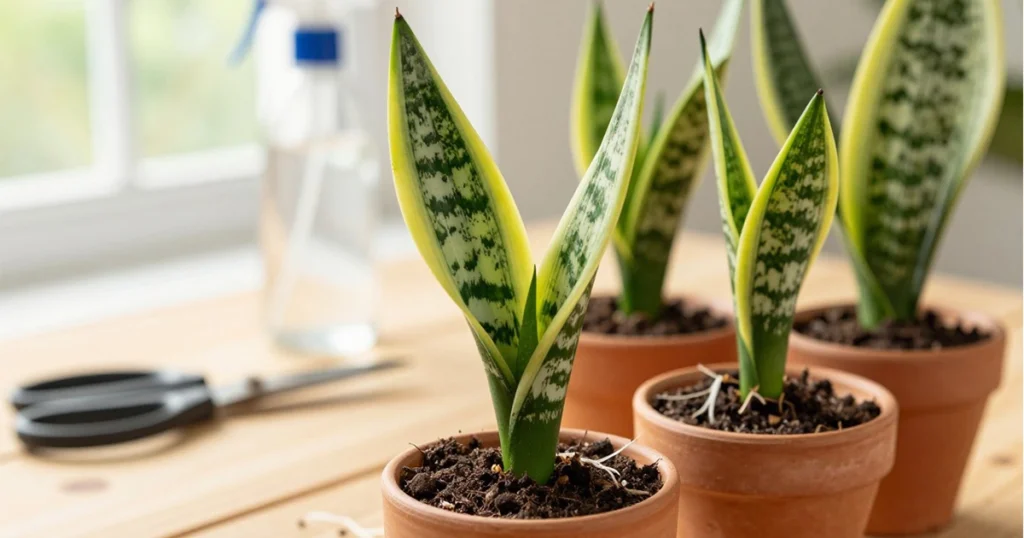
With a few simple steps, you can successfully propagate snake plants using different techniques. Snake plant propagation is a great way to share plants with friends and family or to expand your own collection. In this section, we will explore three effective methods: leaf cutting, division, and water propagation.
Leaf Cutting Propagation Method
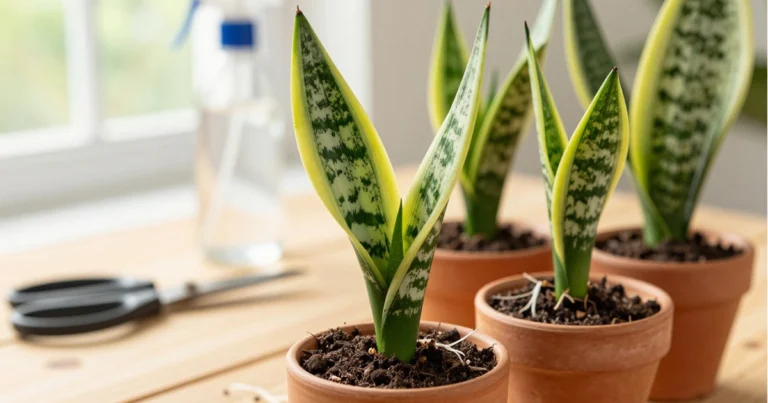
The leaf cutting method is a popular choice for snake plant propagation. It involves cutting a healthy leaf into sections and planting them to grow new roots.
Materials Needed
- Healthy snake plant leaves
- A sharp, clean knife or cutting tool
- Potting mix
- Water
- A container for planting
Step-by-Step Instructions
- Cut a healthy leaf from the mother plant near the base.
- Cut the leaf into 2-3 inch sections.
- Allow the cut ends to dry for a few days to prevent rot.
- Plant the cut sections in moist potting mix.
- Water sparingly until roots develop.
Division Propagation Technique
Division is another effective method for propagating snake plants, especially for mature plants with multiple rhizomes.
When to Divide Your Plant
The best time to divide a snake plant is during repotting, when the plant is pot-bound. This is usually every 2-3 years.
Division Process
Carefully remove the plant from its pot and separate the rhizomes. Re-pot the separated sections in fresh potting mix, water thoroughly, and provide adequate light.
Water Propagation for Beginners
Water propagation is a simple method that involves rooting cut leaf sections in water.
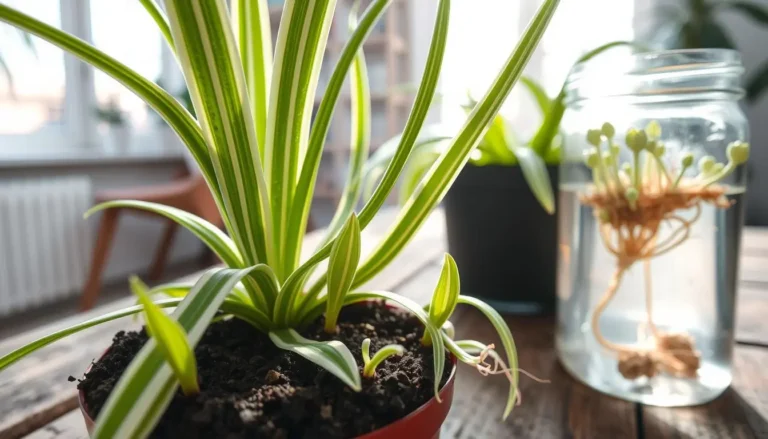
Place the cut end of a leaf section in a glass of water. Roots should develop within a few weeks. Once roots are visible, transfer the new plant to a pot with well-draining soil.
| Propagation Method | Difficulty Level | Success Rate |
| Leaf Cutting | Easy | High |
| Division | Moderate | Very High |
| Water Propagation | Easy | High |
Troubleshooting Common Snake Plant Problems
Despite their low-maintenance requirements, snake plants can occasionally suffer from pests, diseases, or growth problems. Understanding how to identify and address these issues is crucial for maintaining a healthy and thriving plant.
Identifying and Treating Pests
Snake plants can be susceptible to various pests, including spider mites, mealybugs, and scale insects. Regularly inspecting your plant is key to catching any infestations early.
Spider Mites
Spider mites are tiny, spider-like insects that can cause yellowing or bronzing of the leaves. To treat spider mites, gently wipe the leaves with a damp cloth and increase the humidity around your plant.
Mealybugs
Mealybugs are small, white, cottony insects that can be found on the leaves and stems. To get rid of mealybugs, use insecticidal soap or neem oil, making sure to cover all affected areas.
Scale Insects
Scale insects are small, armored insects that feed on the plant’s sap. To treat scale, gently scrub the affected areas with a soft-bristled brush and apply insecticidal soap.
Disease Prevention and Management
Diseases in snake plants are often related to overwatering, which can lead to root rot. Ensuring good drainage and allowing the soil to dry between waterings can help prevent disease.
| Disease | Cause | Prevention |
| Root Rot | Overwatering | Allow soil to dry between waterings |
| Leaf Spot | Overwatering, poor air circulation | Improve air circulation, avoid getting leaves wet |
Fixing Growth and Appearance Issues
Sometimes, snake plants may experience growth or appearance issues, such as yellowing leaves or leggy growth. Adjusting the plant’s environment can often resolve these problems.
For example, if your snake plant is getting too leggy, consider pruning it to encourage bushier growth. If the leaves are yellowing, check the soil moisture and adjust your watering schedule accordingly.
Seasonal Snake Plant Care Calendar
To keep your snake plant healthy and thriving, it’s essential to adjust your care routine seasonally. Different times of the year bring different challenges and opportunities for your plant’s growth.
Spring and Summer Growth Care
During the spring and summer, your snake plant is in its active growth phase. Increase watering as the plant grows more rapidly, but ensure not to overwater. Fertilize your snake plant during this period to promote healthy growth.
- Water your snake plant when the top inch of soil feels dry.
- Provide bright, indirect light.
- Maintain a temperature between 65-75°F (18-24°C).
Fall and Winter Maintenance Tips
In the fall and winter, your snake plant’s growth slows down. Reduce watering to once a month, as the plant requires less moisture. Protect your snake plant from cold drafts and maintain a consistent temperature.
“Snake plants are forgiving and can thrive in a variety of conditions, making them perfect for busy people or those new to plant care.”
Repotting Guidelines and Schedule
Snake plants typically need to be repotted every 2-3 years as their roots outgrow the container. Choose a pot that is only slightly larger than the previous one to prevent the soil from becoming too wet.
| Season | Watering Frequency | Care Tips |
| Spring/Summer | More frequent | Fertilize, bright indirect light |
| Fall/Winter | Less frequent | Reduce watering, protect from drafts |
Conclusion
Nurturing a snake plant is a rewarding experience, and with the right care, it can thrive for years. By understanding its needs and adapting your care routine, you can enjoy the many benefits this resilient plant has to offer.
As you’ve learned, snake plants are low-maintenance and versatile, making them perfect for any home or office. Proper lighting, watering, and fertilization are crucial for optimal growth. By following the guidelines outlined in this article, you can create an ideal environment for your snake plant to flourish.
Whether you’re a seasoned plant parent or just starting out, the snake plant is an excellent choice. Its air-purifying properties and aesthetic appeal make it a valuable addition to any space. By applying the knowledge you’ve gained, you’ll be well on your way to becoming a snake plant expert, enjoying the many rewards that come with nurturing this incredible plant.
FAQ
How often should I water my snake plant?
The frequency of watering your snake plant depends on the season and the environment it’s in. Generally, you should water your snake plant when the top inch of soil feels dry to the touch. In the spring and summer, this might be every 7-10 days, while in the fall and winter, it could be less often, such as every 4-6 weeks.
Can snake plants grow in low-light conditions?
Yes, snake plants are known for their ability to thrive in low-light conditions, making them a great choice for rooms with limited natural light. However, they will still benefit from some indirect sunlight, so it’s not recommended to keep them in completely dark spaces.
How do I propagate a snake plant?
You can propagate a snake plant using leaf cuttings, division, or water propagation. For leaf cuttings, cut a healthy leaf into sections, allow the cut ends to dry, and then plant them in well-draining soil. For division, separate the roots of a mature plant and re-pot the separated sections. Water propagation involves placing cut leaves in water until roots develop.
What are the benefits of having a snake plant?
Snake plants are known for their air-purifying properties, removing toxins such as formaldehyde and benzene from the air. They also contribute to a healthier indoor environment, promote well-being, and add aesthetic appeal to your home decor.
Why is my snake plant turning yellow?
If your snake plant is turning yellow, it could be due to overwatering, too much direct sunlight, or root bound conditions. Check your watering schedule and adjust as necessary, ensure it’s not getting too much direct sunlight, and consider repotting the plant into a larger container if it’s been a while since it was last repotted.
Can I fertilize my snake plant?
Yes, you can fertilize your snake plant to promote healthy growth. Use a balanced, water-soluble fertilizer during the growing season (spring and summer), and follow the manufacturer’s instructions for application rates and frequency.
How do I care for my snake plant during the winter?
During the winter, reduce watering to once every 4-6 weeks, as the plant is dormant. Keep it away from drafts and maintain a consistent temperature between 65-75°F (18-24°C). Avoid fertilizing during this time, as the plant is not actively growing.