Beginner’s guide: how to grow lettuce in containers or beds.
Growing your own lettuce can be a rewarding experience, providing you with fresh, delicious greens right in your own backyard or even on your windowsill. Whether you’re a seasoned gardener or just starting out, cultivating lettuce is a great way to enjoy a continuous harvest of your favorite varieties.
This guide will walk you through growing lettuce in containers or garden beds, covering the benefits, different types, and step-by-step instructions for a successful harvest. By following these simple steps, you’ll be able to enjoy a bountiful crop of fresh, crisp lettuce all season long.
Table of Contents
Why Growing Your Own Lettuce Is Worth It
By growing your own lettuce, you can enjoy a continuous supply of fresh, healthy greens while saving money on your grocery expenses. This practice not only enhances your diet with fresh, organic produce but also offers economic benefits.
Health Benefits of Home-Grown Lettuce
Growing your own lettuce ensures that your greens are free from pesticides and other harmful chemicals, making them a healthier choice for you and your family. Home-grown lettuce is rich in vitamins and minerals, contributing to a balanced diet. Moreover, having a steady supply of fresh lettuce encourages you to incorporate more greens into your meals, promoting healthier eating habits.
Economic Advantages of Growing Lettuce
Growing lettuce at home can significantly reduce your grocery bills. By having a continuous harvest, you minimize the need to purchase lettuce from stores, thereby saving money. Additionally, growing your own lettuce reduces reliance on industrial farming practices, which can be costly and environmentally taxing. With lettuce growing tips and proper care for lettuce plants, you can maximize your yield and enjoy the economic benefits of growing organic lettuce.
Understanding Different Lettuce Varieties
When it comes to growing lettuce, understanding the different varieties is crucial for a successful harvest. Lettuce cultivation can be a rewarding experience, and knowing the various types to grow can enhance your lettuce farming journey.
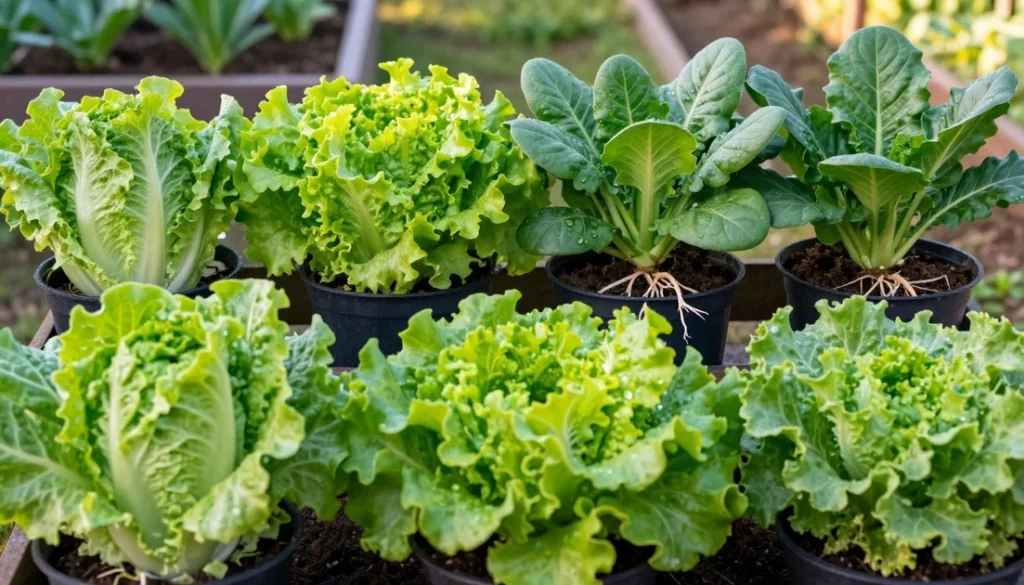
You can choose from several lettuce varieties, each with its unique characteristics and growing requirements. Let’s explore some of the most popular types.
Loose-Leaf Varieties
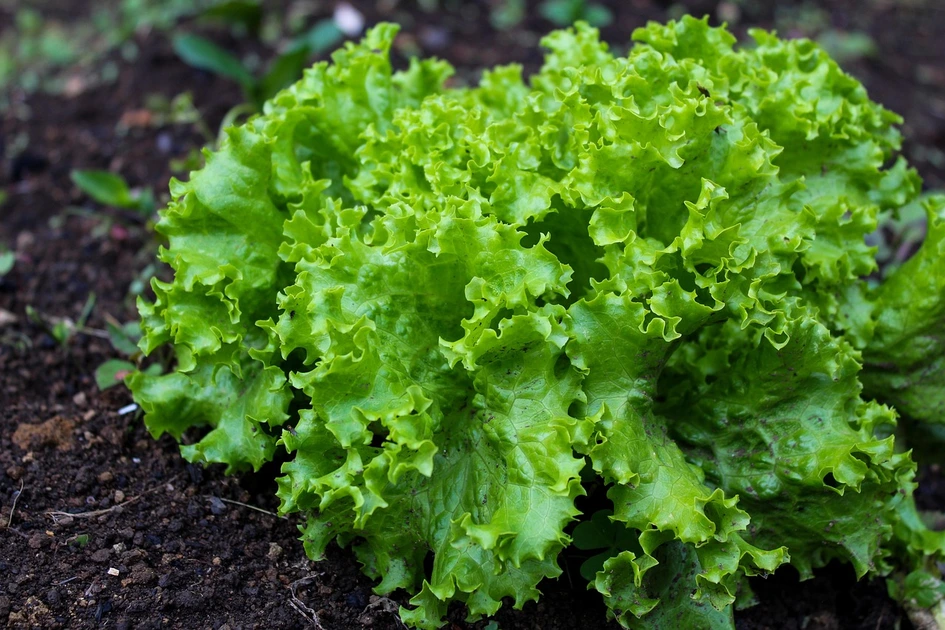
Loose-leaf lettuce is easy to grow and can be harvested in as little as 20 days. This variety is perfect for continuous harvesting, as you can pick individual leaves as needed.
Butterhead Lettuce Types
Butterhead lettuce has a tender, buttery head that’s a delight to salads. It’s relatively easy to grow and requires minimal care.
Romaine and Cos Lettuce
Romaine and Cos lettuce are known for their crisp, crunchy texture, making them a favorite for salads and sandwiches. They require a bit more care than loose-leaf varieties but are worth the extra effort.
Crisphead (Iceberg) Varieties
Crisphead or Iceberg lettuce is a popular variety that’s perfect for salads and sandwiches. It requires more care and attention than other varieties but yields a crunchy, delicious harvest.
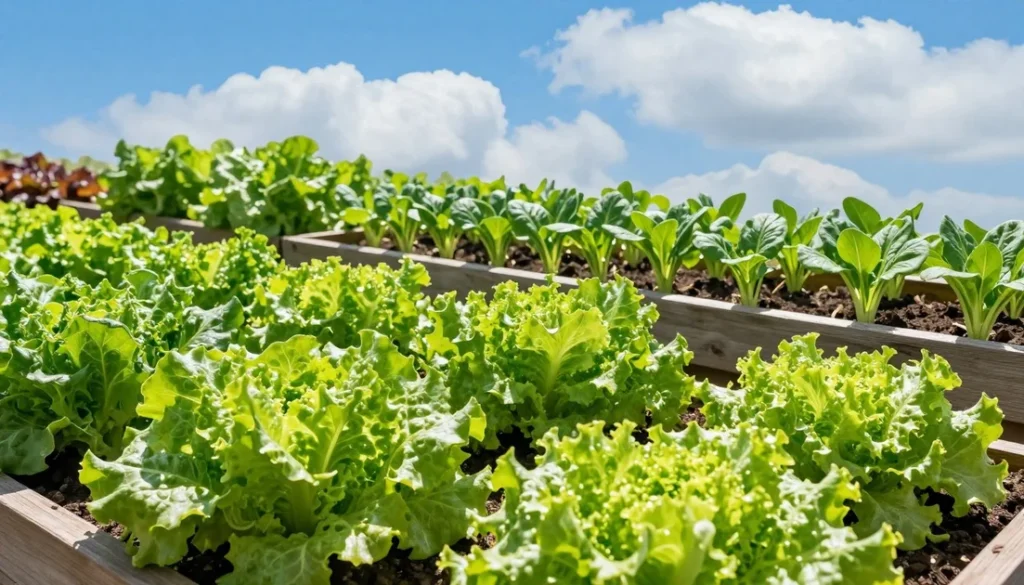
| Lettuce Variety | Days to Harvest | Texture | Usage |
| Loose-Leaf | 20-30 | Tender, loose leaves | Salads, sandwiches |
| Butterhead | 30-40 | Buttery, tender head | Salads, garnishes |
| Romaine/Cos | 40-50 | Crisp, crunchy | Salads, Caesar salads |
| Crisphead (Iceberg) | 50-60 | Crunchy, crisp head | Salads, sandwiches |
By understanding the different lettuce varieties, you can choose the best type for your needs and preferences, making your lettuce farming experience more enjoyable and rewarding.
Essential Growing Requirements for Lettuce
Creating an optimal environment for lettuce involves understanding its basic needs. Lettuce is a cool-season crop that thrives in specific conditions.
Ideal Temperature Conditions
Lettuce grows best in temperatures between 40°F and 70°F (4°C and 21°C). Temperatures that are too high can cause lettuce to bolt, or go to seed, making it bitter and unpalatable. Cooler temperatures promote healthy leaf development.
Sunlight Requirements
Lettuce requires partial shade to full sun, depending on the variety. Most lettuce types prefer partial shade, especially in warmer climates, to prevent bolting. However, some varieties can tolerate full sun if the temperature remains cool.
Water and Humidity Needs
Consistent moisture is crucial for lettuce. The soil should be kept moist but not waterlogged, as this can lead to root rot. Lettuce prefers a relatively low humidity environment, but consistent watering helps to maintain the right conditions.
| Growing Condition | Ideal Range |
| Temperature | 40°F – 70°F (4°C – 21°C) |
| Sunlight | Partial shade to full sun |
| Water/Humidity | Consistent moisture, low humidity |
By understanding and meeting these essential growing requirements, you can successfully grow delicious and healthy lettuce in either containers or garden beds.
Getting Started: Seeds and Seedlings
To begin your lettuce-growing journey, you’ll need to decide whether to start from seeds or purchase seedlings. Both methods have their advantages, and the choice largely depends on your personal preference and gardening experience.
Starting Lettuce from Seeds
Starting lettuce from seeds gives you more control over the growing process. You can choose from a wide variety of lettuce types and ensure that your plants are free from pests and diseases that might be present in nursery-bought seedlings. To start, sow your lettuce seeds about 1/8 inch deep and 1-2 inches apart in a good quality potting mix. Keep the soil consistently moist until germination, which usually takes 7-10 days.
As your seedlings grow, you’ll need to thin them out to about 4-6 inches apart to give them enough space to mature. This process involves carefully removing weaker seedlings to allow the stronger ones to thrive.
Buying and Transplanting Seedlings
If you’re short on time or prefer a head start, buying seedlings from a nursery can be a convenient option. When selecting seedlings, look for those with healthy, vibrant leaves and a robust root system. Transplant them into your garden or container, making sure to space them about 4-6 inches apart. Water them well after transplanting and keep the soil consistently moist.
Tip: Harden off your seedlings by gradually exposing them to outdoor conditions over the course of 7-10 days before transplanting. This helps prevent shock and ensures a smoother transition.
As you care for your lettuce plants, remember that consistent watering and adequate spacing are key to healthy growth. With these lettuce growing tips, you’ll be on your way to enjoying a bountiful harvest.
How to Grow Lettuce in Containers: Step-by-Step Guide
Growing lettuce in containers is a fantastic way to enjoy fresh greens even with limited space. This method allows you to have better control over the growing conditions, ensuring a healthy and productive crop.
Selecting the Right Containers
When choosing containers for growing lettuce, it’s essential to select ones that are at least 6-8 inches deep to accommodate the roots. Ensure that your containers have good drainage holes to prevent waterlogged soil, which can lead to root rot. You can use plastic, clay, or wooden containers, provided they have drainage holes.
Preparing Container Soil Mix
A well-draining potting mix is crucial for container-grown lettuce. You can either purchase a commercial potting mix or create your own by mixing equal parts of peat moss, vermiculite, and perlite. Avoid using garden soil from your yard, as it can compact and prevent proper drainage.
Planting and Spacing in Containers
Sow lettuce seeds about 1/4 inch deep and 2-4 inches apart, depending on the variety. You can also transplant seedlings into containers, spacing them about 4-6 inches apart. Follow the specific instructions on the seed package for the best results. Thin the seedlings as they grow to prevent overcrowding.
| Lettuce Variety | Spacing | Days to Harvest |
| Loose-Leaf | 2-4 inches | 20-30 days |
| Romaine | 4-6 inches | 30-40 days |
| Butterhead | 4-6 inches | 30-40 days |
Indoor Container Growing Techniques
Growing lettuce indoors requires careful attention to lighting, temperature, and watering. Ensure your containers receive at least 4-6 hours of direct sunlight or use grow lights. Maintain a consistent temperature between 60-70°F (15-21°C) and keep the soil moist but not waterlogged.
“The key to successful container gardening is maintaining the right balance of moisture and light. Lettuce is a hardy crop that can thrive in containers with proper care.”
By following these steps and tips, you can enjoy a continuous harvest of fresh lettuce from your containers.
Growing Lettuce in Garden Beds: Complete Instructions
Growing lettuce in garden beds can be a rewarding experience, providing you with fresh, crisp greens right in your own backyard. To get started, you’ll need to prepare your garden bed properly, decide whether to sow seeds directly or transplant seedlings, and ensure proper spacing for optimal growth.
Preparing Your Garden Bed
Before planting lettuce, your garden bed should be well-prepared. Start by loosening the soil to a depth of about 8 inches. Mix in compost or well-rotted manure to improve soil fertility and drainage. Lettuce prefers a slightly acidic to neutral soil pH, between 6.0 and 7.0. Remove any debris and weeds to prevent competition for nutrients.
Direct Sowing vs. Transplanting
You can grow lettuce either by directly sowing seeds into the garden bed or by transplanting seedlings. Direct sowing is cost-effective and allows for more control over spacing. However, it can be challenging to maintain consistent moisture levels. Transplanting seedlings gives you a head start on the growing season and can lead to faster harvests.
Spacing and Planting Depth
Proper spacing is crucial for healthy lettuce growth. For loose-leaf varieties, sow seeds about 2-4 inches apart. For romaine or crisphead types, space them about 6-12 inches apart. Plant seeds ¼ inch deep and cover with a thin layer of soil. As seedlings grow, thin them to the recommended spacing to prevent overcrowding.
| Lettuce Variety | Spacing | Planting Depth |
| Loose-Leaf | 2-4 inches | ¼ inch |
| Romaine/Cos | 6-8 inches | ¼ inch |
| Crisphead/Iceberg | 12 inches | ¼ inch |
Organic Lettuce Growing Methods
Growing organic lettuce is a rewarding experience that allows you to enjoy fresh, healthy greens right in your own backyard. Organic growing methods focus on creating a balanced ecosystem that promotes healthy plant growth without the use of synthetic chemicals.
Natural Fertilizers and Amendments
To grow organic lettuce, you’ll need to use natural fertilizers and amendments. Compost is an excellent choice as it is rich in nutrients and improves soil structure. You can also use well-rotted manure or fish emulsion to provide essential nutrients. These natural amendments will help promote healthy growth and development in your lettuce plants.
- Compost: Rich in nutrients and improves soil structure
- Well-rotted manure: Provides essential nutrients
- Fish emulsion: Rich in nutrients, especially nitrogen
Organic Pest Control Solutions
Organic pest control is crucial for maintaining a healthy lettuce crop. You can use neem oil to control a wide range of pests, including aphids and whiteflies. Diatomaceous earth is another effective solution that works by dehydrating pests, causing them to die. These methods are safe for your plants and the environment.
Companion Planting for Lettuce
Companion planting is a useful technique for improving growth and reducing pests in your lettuce crop. Planting radishes or marigolds alongside your lettuce can help deter pests and improve soil health. Additionally, basil and lettuce have a symbiotic relationship that can enhance the flavor and growth of your lettuce.
- Radishes: Deter pests and improve soil health
- Marigolds: Repel nematodes and other pests
- Basil: Enhances flavor and growth of lettuce
Lettuce Care and Maintenance Tips
To ensure a bountiful harvest of lettuce, proper care and maintenance are essential. Lettuce cultivation requires attention to several key factors, including watering, fertilizing, mulching, and pruning. By following these care tips, you can enjoy a healthy and productive lettuce crop.
Watering Techniques
Proper watering is crucial for lettuce growth. Lettuce needs consistent moisture, especially when it’s producing leaves. Water your lettuce plants in the morning to minimize evaporation and reduce the risk of fungal diseases. Aim for about 1-2 inches of water per week, either from rainfall or irrigation. You can check the soil moisture by inserting your finger into the soil up to the knuckle; if it feels dry, it’s time to water.
Fertilizing Schedule
Fertilizing is another critical aspect of lettuce care. Lettuce is a heavy feeder and benefits from regular fertilization. Use a balanced fertilizer (such as a 10-10-10 NPK formula) once a month. You can also side-dress with a high-nitrogen fertilizer to promote leaf growth. However, avoid over-fertilizing, as this can lead to weak and leggy growth.
Mulching Benefits
Mulching around your lettuce plants can help retain moisture, suppress weeds, and regulate soil temperature. Organic mulches like straw or grass clippings work well. Apply a 2-3 inch layer of mulch around your plants, keeping it a few inches away from the base to prevent rot.
Thinning and Pruning
Thinning and pruning are essential for promoting healthy lettuce growth. Thin your lettuce seedlings to about 2-4 inches apart, depending on the variety. This allows for proper air circulation and prevents overcrowding. For leaf lettuce, you can harvest individual leaves as needed, while for heading varieties, remove any damaged or diseased leaves to prevent the spread of disease.
| Care Tip | Benefit |
| Proper Watering | Promotes healthy leaf growth |
| Regular Fertilizing | Encourages robust and productive plants |
| Mulching | Retains moisture and suppresses weeds |
| Thinning and Pruning | Prevents overcrowding and disease spread |
By following these lettuce care and maintenance tips, you’ll be well on your way to growing delicious and healthy lettuce. Remember, consistent care and attention to your plants’ needs are key to a successful harvest.
Season-by-Season Lettuce Growing Guide
To enjoy a continuous harvest of lettuce, it’s essential to understand the seasonal nuances. Growing lettuce can be adapted to various climates and times of the year, making it a versatile crop for gardeners.
Spring Planting Tips
Spring is an ideal time to start growing lettuce, as the cooler temperatures promote healthy leaf production. Plant lettuce seeds as soon as the soil can be worked in the spring, typically 4-6 weeks before the last frost date. You can also start lettuce indoors 2-3 weeks before transplanting outside.
Summer Heat Management
During the summer, lettuce can bolt due to high temperatures. To manage this, provide shade for your lettuce plants during the hottest part of the day, or use varieties that are resistant to bolting. Regular watering is also crucial to prevent stress.
Fall Growing Advantages
Fall is another excellent season for growing lettuce, as the cooler temperatures return. Plant lettuce in late summer or early fall, about 8 weeks before the first frost date. This allows the lettuce to mature during the cooler fall weather.
Winter Growing Options
For winter growing, you can use indoor lettuce growing techniques such as hydroponics or container gardening under grow lights. Alternatively, use cold frames or hoop houses to extend the growing season outdoors.
| Season | Growing Tips | Key Considerations |
| Spring | Plant seeds early, start indoors | Cooler temperatures, last frost date |
| Summer | Provide shade, use bolt-resistant varieties | High temperatures, regular watering |
| Fall | Plant in late summer or early fall | Cooler temperatures, first frost date |
| Winter | Use indoor growing techniques or cold frames | Low light, cold protection |
Common Lettuce Growing Problems and Solutions
When growing lettuce, it’s essential to be aware of the common problems that can arise and know how to address them effectively. Lettuce is a relatively delicate crop that can be affected by various factors, including pests, diseases, and environmental stress.
Pest Management
Pests can be a significant issue when growing lettuce. Common pests include aphids, slugs, and snails. To manage these pests, you can use organic methods such as introducing beneficial insects or using neem oil. Keeping your garden clean and removing weeds can also help reduce the risk of pest infestations.
Disease Prevention
Diseases such as fungal infections and bacterial leaf spot can also affect lettuce. To prevent these diseases, ensure good air circulation around your plants and avoid overhead watering, which can splash water onto the leaves. Removing infected plants can also help prevent the spread of disease.
Environmental Stress Issues
Environmental stressors such as extreme temperatures, drought, and excessive moisture can also impact lettuce growth. To mitigate these issues, ensure your lettuce is grown in well-draining soil and provide shade during hot weather. Consistent watering can also help reduce stress on the plants.
By being aware of these common problems and taking steps to prevent or manage them, you can enjoy a healthy and productive lettuce crop.
Conclusion
Growing your own lettuce is a simple and rewarding experience that can provide you with fresh, delicious greens right in your own backyard or container garden. By following the tips and techniques outlined in this guide, you’ll be well on your way to becoming a successful lettuce grower.
As you’ve learned, growing lettuce requires attention to detail, from understanding the different lettuce varieties to providing the right growing conditions. With the right knowledge, you can enjoy a bountiful harvest of crisp, flavorful lettuce throughout the growing season.
Whether you’re a seasoned gardener or just starting out, we hope this guide has inspired you to give lettuce cultivation a try. With a little practice and patience, you’ll be enjoying fresh, homegrown lettuce in no time. So why not get started today and discover the joy of how to grow lettuce?
FAQ
What is the ideal temperature for growing lettuce?
The ideal temperature for growing lettuce is between 40°F and 70°F (4°C and 21°C).
How often should I water my lettuce plants?
Lettuce needs consistent moisture, so water your plants when the top inch of soil feels dry to the touch.
Can I grow lettuce in containers indoors?
Yes, you can grow lettuce in containers indoors using indoor container growing techniques.
How do I prevent bolting in lettuce?
To prevent bolting, keep your lettuce plants consistently moist, and provide them with partial shade to full sun, depending on the variety.
What are some common pests that affect lettuce, and how can I control them?
Common pests that affect lettuce include aphids, slugs, and snails. Use organic pest control solutions like neem oil and diatomaceous earth to control them.
How do I fertilize my lettuce plants?
Use natural fertilizers and amendments like compost and manure to promote healthy growth.
Can I grow lettuce year-round?
Yes, you can grow lettuce year-round by using season-by-season growing techniques, such as indoor containers or cold frames in the winter.
How do I thin and prune my lettuce plants?
Thin your lettuce plants to prevent overcrowding, and prune them to promote healthy growth and prevent bolting.
What are the benefits of companion planting for lettuce?
Companion planting can help improve growth, reduce pests, and promote healthy soil.
How do I prepare my garden bed for growing lettuce?
Prepare your garden bed by loosening the soil, adding organic matter, and sowing seeds or transplanting seedlings according to the package instructions.