Lettuce Bolting: Why Your Salad is Flowering and What to Do About It
There’s nothing quite as frustrating as walking into your garden, expecting to harvest crisp, beautiful lettuce for tonight’s salad, only to discover your plants have transformed into tall, flowering stalks. If you’ve experienced this disappointment, you’re not alone. Lettuce bolting is one of the most common challenges home gardeners face, but understanding why it happens and how to prevent it can save your future harvests.
Table of Contents
Diagnosis: What Does Bolting Look Like?
Before we dive into solutions, let’s make sure we’re identifying the problem correctly. Bolting has distinct visual markers that are hard to miss once you know what to look for.
Visual Symptoms
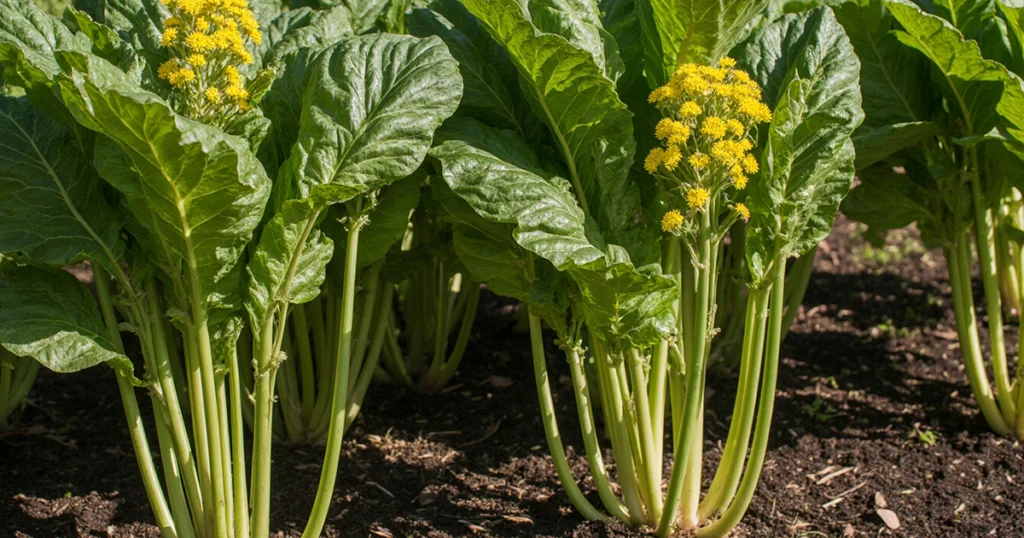
The transformation from a plump, perfectly formed lettuce head to an elongated, flowering lettuce can happen surprisingly fast—sometimes within just a few days. Your once-compact rosette of leaves suddenly shoots upward, developing a thick central stem that reaches toward the sky. Small yellow flowers begin to appear at the top of this stem, signaling that your lettuce has entered its final life stage.
Growth Pattern Changes
When lettuce bolts, the entire growth pattern shifts dramatically. The plant begins to grow upwards rapidly, sometimes gaining several inches in height overnight. At the same time, it produces fewer and smaller leaves because its energy is now redirected toward reproduction rather than the leafy growth we gardeners desire. The leaves that do form tend to be smaller, more widely spaced along the stem, and often have a different texture than the tender leaves produced earlier.
Understanding the Biological Stages
To truly grasp what’s happening, it helps to understand lettuce biology. Like all plants, lettuce goes through distinct life phases. During the vegetative stage, the plant focuses entirely on leaf growth—this is exactly what we want for salad greens. However, when certain triggers occur, the plant switches to the generative stage, where reproduction becomes the priority. This biological shift is hardwired into the plant’s DNA as a survival mechanism to ensure the species continues through seed production.
The “Why”: Triggers for Premature Flowering
Understanding what causes bolting is the key to preventing it. Several factors can flip the switch from vegetative to generative growth.
Daylight: The Primary Culprit
The most significant trigger for lettuce bolting is daylight duration. Many lettuce varieties are classified as long-day plants, which means they’re genetically programmed to automatically start bolting when exposed to more than 14 hours of daylight. This makes perfect sense from an evolutionary perspective—longer days signal that summer is progressing, and the plant “knows” it needs to produce seeds before the growing season ends.
This is why lettuce planted in early summer often bolts quickly. As we approach the summer solstice, days stretch longer, and your lettuce receives the signal to reproduce. It’s not a failure on your part; it’s simply the plant following its biological programming.
Environmental Stress Factors
While daylight is the main trigger, premature bolting often results from environmental stress. Think of stress as an emergency signal that tells the plant, “Conditions are becoming unfavorable—reproduce now before it’s too late!” Several stressors can trigger this response:
Heat stress is particularly problematic for lettuce, which evolved as a cool-season crop. When temperatures consistently climb above 75°F (24°C), lettuce interprets this as a threat and may bolt prematurely. Conversely, unexpected cold snaps can also stress the plant into flowering.
Drought creates another powerful stress signal. When water becomes scarce, lettuce prioritizes survival of the species over individual plant growth. Even brief periods of dry soil can accelerate bolting, especially when combined with heat.
Pest infestations and diseases add additional stress layers. A plant under attack from aphids or suffering from fungal issues may bolt as a last-ditch effort to produce seeds before it succumbs to the problem.
The Natural Cycle
It’s important to remember that bolting isn’t inherently bad—it’s actually a normal part of the plant’s development to ensure reproduction via seeds. In nature, every lettuce plant would eventually bolt, flower, and produce seeds. The challenge for gardeners is delaying this natural progression long enough to harvest plenty of tender leaves first.
Prevention: How to Stop Lettuce from Going to Seed
Now for the good news: with proper planning and care, you can significantly delay or prevent premature bolting. Success comes down to three key strategies.
Variety Selection Cheat Sheet
Choosing the right lettuce variety for your planting time is perhaps the single most effective prevention strategy. Different varieties have been bred with varying levels of bolt resistance, and timing your plantings to match seasonal conditions makes all the difference.
For spring and early summer planting, Iceberg and Romaine lettuce varieties grow beautifully and produce excellent heads. However, be aware that these varieties may bolt early if they’re still in the ground during mid-summer’s longest days and hottest temperatures. Plan to harvest these varieties by late June in most climates.
When planting from May onwards into the warmer months, switch to heat-tolerant varieties. Cos lettuce (Lactuca s. var. longifolia) has been specifically bred to tolerate high temperatures without bolting quickly. Lamb’s lettuce (Lactuca s. var. crispa) is another excellent warm-season option that maintains quality even as summer temperatures rise.
For autumn and winter gardens, consider branching out beyond traditional lettuce entirely. Endives, chicory, and crisp winter lettuce varieties are specifically bred for cooler temperatures and shorter day lengths, making them naturally bolt-resistant during these seasons.
Location and Soil Management
Where and how you plant lettuce significantly impacts its tendency to bolt.
During late spring or summer, resist the temptation to plant lettuce in full sun. Instead, choose locations that receive partial shade, especially during the hottest afternoon hours. The dappled shade beneath taller plants or a location on the east side of structures works perfectly, providing morning light while offering relief from intense afternoon heat.
If you’re growing lettuce in a greenhouse, ventilation becomes critical. Greenhouses can quickly become heat traps, with temperatures building to levels that trigger immediate bolting. Open vents and doors regularly to maintain air circulation and prevent temperature spikes.
Soil quality plays an often-overlooked role in bolt prevention. Light, sandy soils drain quickly, leading to drought stress that can trigger bolting. Improve water retention by working in quality potting compost—something like Plantura Organic Tomato & Vegetable Compost enriches the soil structure while helping it hold moisture more consistently. This simple improvement can make the difference between lettuce that bolts at the first sign of heat and plants that remain productive for weeks longer.
Essential Maintenance Habits
Even with the right variety and perfect location, consistent care is essential.
Water regularly to avoid drought stress. Lettuce has relatively shallow roots and needs consistent moisture. During warm weather, this might mean watering every day or even twice daily. The goal is keeping soil evenly moist—not waterlogged, but never completely dry.
Avoid overcrowding your lettuce bed. When plants are jammed together, they compete for nutrients, water, and light. This competition creates stress that can trigger premature bolting. Follow spacing recommendations on seed packets, and thin seedlings ruthlessly to ensure each plant has adequate room to thrive.
The Big Question: Can You Eat Bolted Lettuce?
So you’ve discovered bolted lettuce in your garden. Before you pull it all out in frustration, let’s address whether it’s still useful.
The Safety Verdict
Good news first: bolted lettuce is completely non-toxic and remains technically edible. You won’t harm yourself by eating it, so there’s no food safety concern here.
The Taste Test Reality
However, edibility and palatability are two different things. Once lettuce bolts, the leaves undergo chemical changes that make them significantly less appealing. They typically become tougher in texture, losing that crisp, tender quality that makes fresh lettuce so enjoyable. More problematically, bolted lettuce becomes noticeably more bitter.
This bitterness isn’t random—it’s a deliberate defensive strategy. The plant builds up bitter substances to deter predators (including us) from eating it while it’s trying to reproduce. These compounds won’t hurt you, but they certainly don’t enhance your salad experience.
My Recommendation
Before tossing bolted lettuce on the compost pile, perform a quick taste test. Pick a young leaf from near the growing tip and sample it. Sometimes, especially with varieties like lamb’s lettuce, even flowering plants produce leaves that remain surprisingly edible. You might find the outer, older leaves too bitter to enjoy, while newer growth at the top is still acceptable for cooking into soups or wilting into stir-fries where other flavors can mask the bitterness.
Silver Lining: Harvesting Seeds
When life gives you bolted lettuce, make seeds! This natural process can actually become an advantage for forward-thinking gardeners.
How to Harvest Seeds Properly
If your lettuce has already bolted, consider letting it complete its life cycle. Allow the flowers to fully mature and dry on the plant. Once the flower heads turn brown and papery, cut them off and place them in a paper bag. Shake the bag gently, and tiny lettuce seeds will fall to the bottom. These seeds can be saved for future plantings, giving you a free seed supply.
The Selection Rule
Here’s where quality control becomes crucial: only harvest seeds from the largest, best looking heads in your garden. These superior plants have demonstrated desirable genetics that you want to perpetuate in future crops. Their seeds will likely produce offspring with similar excellent characteristics.
An Important Warning
Conversely, avoid saving seeds from plants that bolted prematurely when they were still small, stressed, or poorly formed. These plants have shown undesirable traits—likely a genetic tendency toward early bolting. Seeds from these plants will probably yield future crops with the same frustrating characteristics, perpetuating the very problem you’re trying to avoid.
By understanding lettuce bolting—recognizing its signs, knowing its triggers, and implementing smart prevention strategies—you can enjoy consistent harvests of crisp, delicious lettuce throughout the growing season. And when bolting does occur despite your best efforts, you’ll know exactly how to turn that disappointment into next year’s opportunity.