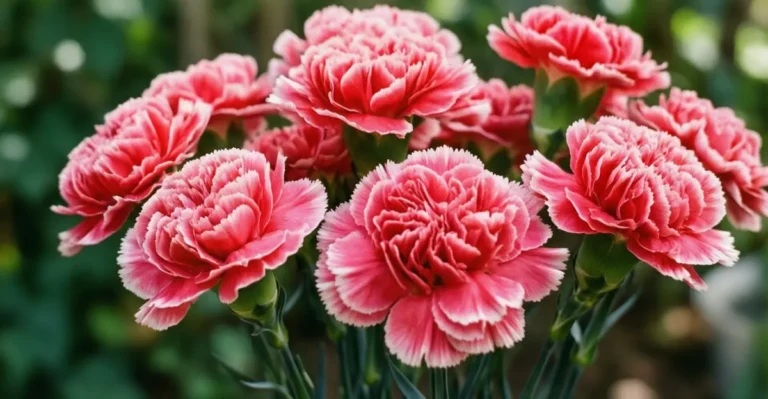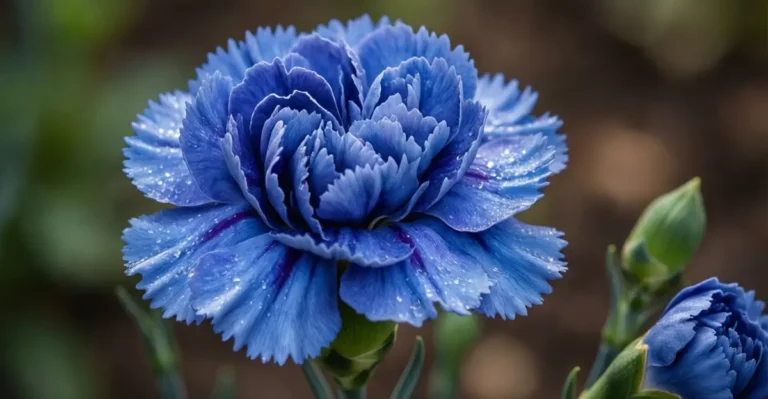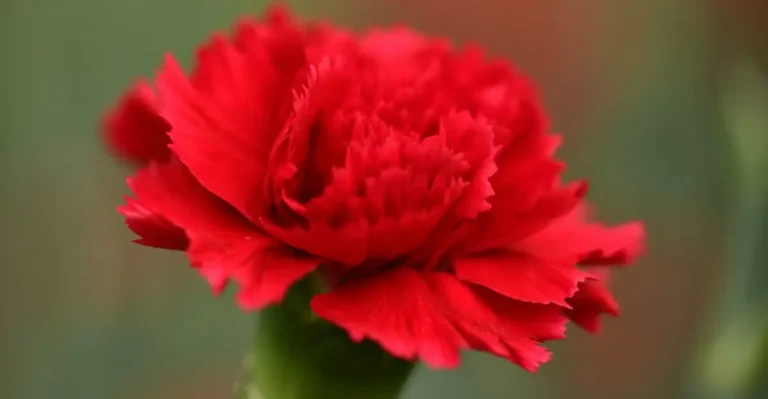
Meaning and Occasions for Red White Carnations
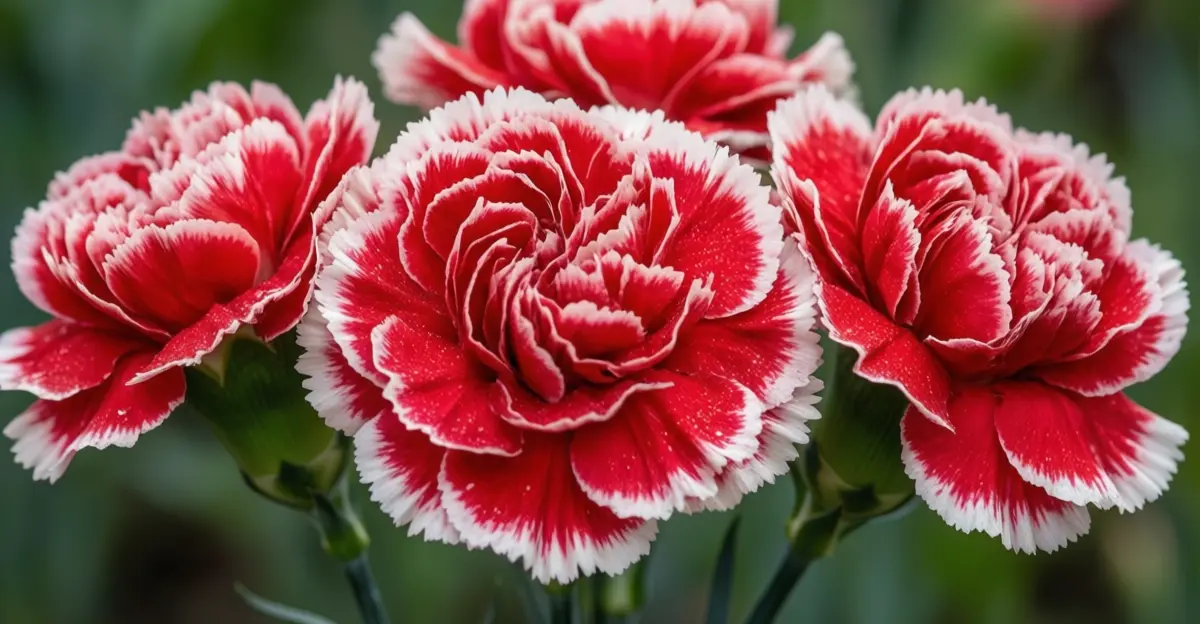
Have you ever wondered if the vibrant, dual-toned beauty of red white carnations holds a deeper secret than merely their aesthetic appeal? Is it truly challenging to cultivate these stunning blooms, or are common gardening beliefs holding us back from experiencing their full glory? As an SEO specialist and gardening enthusiast, I’m here to demystify the cultivation of red white carnations, revealing how easy and rewarding it can be to grow these symbolic flowers right in your own garden or even a small urban space. We’ll dive into their rich symbolism, discover the optimal conditions for their growth, and explore how to nurture them from tiny seeds to magnificent, full-blown blossoms that add a touch of elegance and meaning to any occasion.
Table of Contents
Tools & Soil Requirements
Cultivating stunning red white carnations starts with the right foundation. For these resilient beauties, you won’t need a professional greenhouse, but a few essential tools and the perfect soil blend will make all the difference.
Essential Tools:
- Hand Trowel: For precise digging and transplanting.
- Gardening Gloves: To protect your hands from soil and thorns.
- Watering Can or Hose with a Gentle Sprayer: For even and controlled hydration.
- Pruning Shears/Snips: To encourage bushier growth and deadhead spent blooms.
- Soil pH Testing Kit: To ensure your soil is in the ideal range.
- Seed Trays or Small Pots: If starting from seed indoors.
Soil & Climate Conditions:
Red white carnations thrive in a specific soil profile that ensures proper drainage and nutrient availability. Aim for a loamy, well-draining soil with a pH level between 6.0 and 7.5. This slightly acidic to neutral range is crucial for optimal nutrient absorption. Avoid heavy clay soils that can become waterlogged, leading to root rot. If your soil is too heavy, amend it with organic matter like compost, peat moss, or sand to improve drainage and aeration.
In terms of climate, these vibrant flowers appreciate a temperate environment. They are hardy in USDA Zones 5-9, preferring mild temperatures between 50°F and 65°F (10°C to 18°C). While they can tolerate some heat, extreme temperatures or prolonged exposure to scorching sun can stress the plants.
Best Planting Season & Timing
Timing is everything when it comes to planting red white carnations for a spectacular display. The optimal time for planting depends on your local climate and whether you’re starting from seeds or purchasing young plants.
- Spring (After the last frost): This is generally the best time to plant young carnation plants outdoors. The warming soil and increasing daylight hours encourage strong root development and vigorous growth.
- Late Summer/Early Fall: In milder climates, you can also plant red white carnations in late summer or early fall, allowing them to establish a robust root system before winter.
Germination & Maturity:
If starting from seed, carnation seeds typically germinate in 7-10 days when kept consistently moist and at a temperature around 70°F (21°C). This is about 20% faster than some other common perennials, making them a rewarding choice for keen seed-starters. From seed to first bloom, red white carnations usually take 4-6 months, so plan accordingly if you’re aiming for blooms by a specific season.
Step-by-Step Planting Instructions
Ready to get your hands dirty and bring some red white carnations into your life? Follow these personalized, actionable steps for a successful planting experience!
Step 1: Prepare Your Planting Site
Before planting, ensure your chosen location receives at least 6 hours of direct sunlight daily. Clear the area of weeds and debris. Amend the soil with a 2-3 inch layer of well-rotted compost, working it into the top 6-8 inches of soil. This organic matter will enrich the soil, improve drainage, and provide essential nutrients for your developing plants. If you’re using containers, select pots with drainage holes at least 8-10 inches deep.
Step 2: Plant Your Carnations
If planting young plants, carefully remove them from their nursery pots, being mindful not to disturb the root ball too much. Dig a hole twice as wide as the root ball and just as deep. Place the plant in the hole, ensuring the top of the root ball is level with the surrounding soil. For container planting, use a high-quality potting mix formulated for flowering plants. If starting from seed, sow seeds thinly about 1/8 inch deep and cover lightly with soil.
Step 3: Water Thoroughly
Immediately after planting, water your red white carnations deeply. This helps settle the soil around the roots and eliminates any air pockets. For seeds, a gentle misting is usually sufficient to avoid dislodging them. Maintain consistent moisture, especially in the initial weeks, but avoid overwatering, as this can lead to fungal issues.
Step 4: Mulch for Success
Apply a 1-2 inch layer of organic mulch, such as wood chips or straw, around the base of your newly planted carnations. This helps retain soil moisture, suppress weeds, and regulate soil temperature, providing a more stable environment for your growing plants. Just be sure to keep the mulch a few inches away from the plant’s stem to prevent rot.
Plant Care Essentials
Nurturing your red white carnations to their full potential is a rewarding journey. Here’s how to provide them with the best care:
Water Needs: Water deeply and regularly, especially during dry spells. Allow the top inch of soil to dry out between waterings. Overwatering is a common culprit for carnation woes, leading to root rot. A good rule of thumb: when the leaves start to look slightly droopy, it’s usually time to water.
Sunlight Requirements: Red white carnations are sun-lovers and require at least 6 hours of direct sunlight per day to produce abundant blooms. In hotter climates (USDA Zones 8-9), some afternoon shade can be beneficial to protect them from intense heat.
Temperature Tolerance: These elegant flowers thrive in moderate temperatures, ideally between 50°F and 65°F (10°C to 18°C). They can tolerate light frost, but prolonged freezing temperatures can damage them. Their hardiness in zones 5-9 highlights their adaptability, but providing winter protection in colder zones is advisable.
Fertilization: Feed your red white carnations with a balanced liquid fertilizer (e.g., 5-10-5 or 10-10-10) every 4-6 weeks during their active growing season (spring and summer). Reduce fertilization in fall and winter. For container-grown plants, a slow-release granular fertilizer can also be effective.
Best Varieties & Companion Plants
Choosing the right varieties and companions can elevate your red white carnations display and enhance your garden’s overall health.
Recommended Varieties:
- ‘Grenadin Scarlet’: Known for its vibrant red petals.
- ‘Dianthus caryophyllus Chabaud Mix’: Offers a stunning array of colors, including reds and whites, and is relatively easy to grow from seed.
- ‘Pot Carnations’: Bred for compact growth, perfect for containers and smaller spaces, often featuring beautiful bicolored blooms.
Creative Companion Planting:
Pairing your red white carnations with suitable companion plants can create a visually appealing and healthy garden ecosystem.
- Lavender: Its calming fragrance helps deter aphids and whiteflies, while its purple blooms beautifully complement the reds and whites.
- Marigolds: Known for their pest-repelling properties, particularly against nematodes, and their cheerful yellow and orange hues provide a striking contrast.
- Baby’s Breath (Gypsophila): Its delicate white flowers create a soft, airy backdrop, enhancing the elegance of the carnations.
- Parsley: A beneficial herb that attracts beneficial insects like hoverflies, which prey on aphids.
Landscape Uses & Harvest Tips
The versatility of red white carnations allows them to shine in various garden settings, and knowing how to harvest them correctly will extend their beauty.
Creative Landscape Uses:
- Borders & Edging: Their upright growth habit and continuous bloom make them excellent choices for defining garden beds or pathways.
- Containers & Window Boxes: Compact varieties flourish in pots, adding a burst of color to patios, balconies, or windowsills. Imagine a terracotta pot overflowing with red white carnations by your front door!
- Cutting Gardens: With their long-lasting blooms, they are perfect for creating stunning floral arrangements indoors.
- Rock Gardens: Certain dwarf varieties can thrive in the well-draining conditions of a rock garden, adding a touch of vibrant color.
Harvesting Tips:
For optimal vase life, cut red white carnations in the early morning when the blooms are just starting to unfurl but still have a firm center. Use sharp pruning shears to make a clean cut at an angle, just above a leaf node, which encourages new growth. Immediately place the cut stems in a bucket of water. Change the vase water every 1-2 days and re-trim the stems to keep your arrangements fresh for up to two weeks.
Common Pests & Diseases to Avoid
Even the most beautiful gardens can encounter challenges. Being proactive about common pests and diseases will keep your red white carnations healthy and thriving.
Pests:
- Aphids: Small, soft-bodied insects that cluster on new growth. Control them with strong blasts of water or insecticidal soap.
- Spider Mites: Tiny arachnids that cause stippling on leaves and fine webbing. Increase humidity and use neem oil for organic control.
- Thrips: Slender insects that feed on flower petals, causing discoloration. Introduce beneficial insects like lacewings or use sticky traps.
Diseases:
- Fusarium Wilt: A fungal disease that causes wilting and yellowing of foliage. Prevention is key: ensure good drainage and avoid overwatering.
- Rust: Manifests as orange-brown pustules on leaves. Improve air circulation and remove affected leaves promptly.
- Botrytis Blight: A grey mold that appears in humid conditions. Ensure good air circulation and avoid overhead watering.
Prevention is key: Choose disease-resistant varieties, maintain proper spacing for good air circulation (at least 8-12 inches between plants), avoid overhead watering, and keep your garden free of debris. A healthy plant is more resistant to pests and diseases. An ounce of prevention is truly worth a pound of cure (and a lot of beautiful blooms)!
Seasonal Maintenance & Overwintering
Keeping your red white carnations vibrant throughout the year requires a bit of seasonal TLC.
Spring:
- Clean-up: Remove any dead or damaged foliage from winter.
- Fertilize: Begin regular feeding as new growth appears.
- Pinch Back: Pinch off the growing tips of young plants to encourage bushier growth and more blooms.
Summer:
- Deadhead: Regularly remove spent flowers (deadheading) to encourage continuous blooming. This redirects the plant’s energy from seed production to producing more flowers.
- Watering: Increase watering during hot, dry periods.
- Support: Taller varieties may benefit from staking to prevent them from flopping over.
Fall:
- Reduce Watering: As temperatures drop, gradually reduce watering.
- Prepare for Winter (Colder Zones – USDA 5-7): In colder regions, apply a thick layer (4-6 inches) of mulch (straw, leaves) around the base of the plant once the ground freezes. This insulates the roots and protects them from extreme cold.
- Container Plants: Move container-grown red white carnations indoors to a cool, bright location.
Winter (Colder Zones):
- Dormancy: Carnations typically enter a semi-dormant state.
- Minimal Water: Water sparingly, just enough to prevent the soil from completely drying out.
By adhering to these seasonal practices, you ensure your carnations remain robust, producing a dazzling display of blooms year after year.
Conclusion
From vibrant symbolism to practical cultivation, we’ve journeyed through the enchanting world of red white carnations. We’ve uncovered their specific needs, from well-draining soil and ample sunlight to timely planting and diligent care. With the right tools, knowledge of varieties, and a sprinkle of passion, you can easily cultivate these stunning flowers, adding not just beauty but also profound meaning to your garden and home. So, why wait? Embrace the rewarding experience of growing your own red white carnations! Share your garden triumphs with us, tag your photos with #MyCarnationGarden, or explore our other guides on transforming your outdoor space into a blooming paradise.
FAQs
Q1: What does the red and white combination of carnations symbolize?
A: Red white carnations combine the deep love and admiration of red with the purity and good luck of white. They often symbolize true love, remembrance, and congratulations, making them perfect for celebrating significant milestones like anniversaries, engagements, or heartfelt expressions of gratitude.
Q2: Can I grow red white carnations indoors?
A: Yes, you certainly can! Choose compact varieties (often labeled as “pot carnations”) and provide them with at least 6 hours of bright, direct sunlight daily. A south-facing window is ideal. Ensure good drainage and rotate the pot regularly for even growth.
Q3: How often should I fertilize my carnations?
A: During their active growing season (spring and summer), fertilize outdoor carnations every 4-6 weeks with a balanced liquid fertilizer. For indoor or container plants, you might opt for a slow-release granular fertilizer that provides nutrients over a longer period, or a half-strength liquid feed every 2-3 weeks.
Q4: My carnations are looking leggy. What should I do?
A: Legginess often indicates insufficient sunlight or a need for pinching. Ensure your red white carnations are receiving enough direct sun. To encourage a bushier plant, pinch back the growing tips when the plant is young, and continue to deadhead spent blooms throughout the season.
Q5: Are red white carnations deer resistant?
A: While no plant is entirely deer-proof, carnations are often considered deer-resistant or deer-tolerant due to their slightly bitter taste and fragrant foliage. Deer tend to prefer other options before feasting on red carnation flower. However, if deer pressure is high in your area, consider additional protective measures like fencing or repellents.