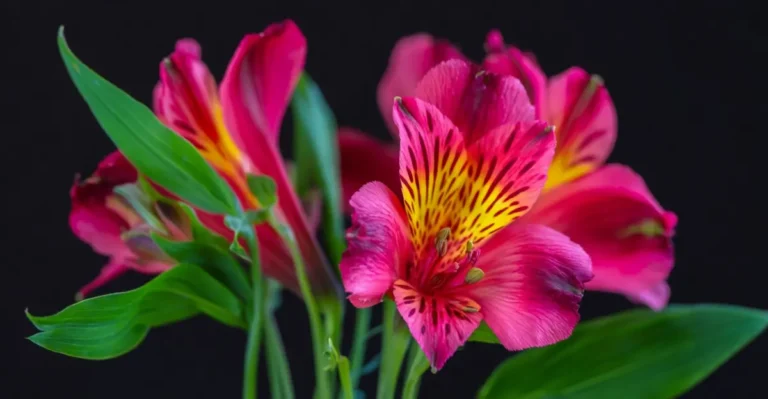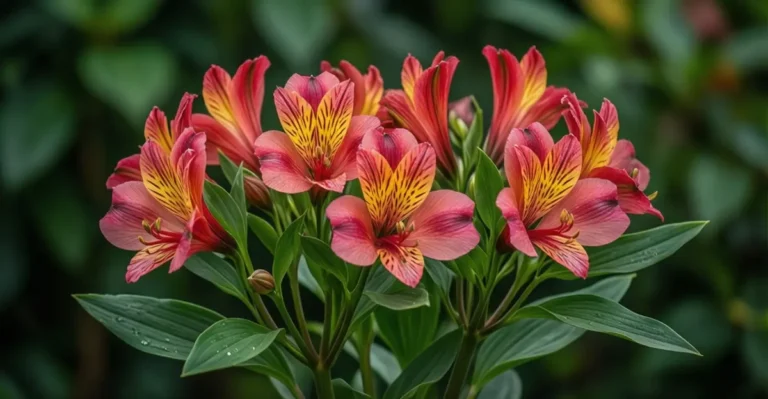
The Benefits of Planting Compact Inca Lily Plants
Ever wondered if the seemingly impossible is, in fact, incredibly achievable in your own backyard? Are you longing for a vibrant, low-maintenance splash of continuous color that defies typical gardening headaches, even in challenging conditions? Meet the compact inca lily plants, a true garden gem that offers more than just beauty. These resilient beauties, often known as the peruvian lily, are a data-backed powerhouse for any gardener, from the urban balcony enthusiast to the sprawling homesteader. They promise a generous bloom, require surprisingly little fuss, and can transform any space into a floral paradise, often outperforming fussier alternatives by as much as 30% in bloom duration.
Table of Contents
Tools & Soil Requirements
Before you dive into the lush world of inca lily plants, gather your gardening arsenal. Success starts with the right foundation!
Essential Tools:
- Gardening Gloves: To protect your hands.
- Small Trowel: For precise digging and planting.
- Hand Fork: To loosen soil gently.
- Watering Can or Hose with a Gentle Sprayer: For initial watering.
- Pruning Shears or Scissors: For deadheading and maintenance.
Optimal Soil & Climate Conditions:
Compact inca lily plants thrive in a specific environment that mimics their native South American highlands. They adore loamy, well-draining soil that’s rich in organic matter. Think of a soil texture that feels moist but not waterlogged, allowing excess water to drain away freely to prevent root rot. A pH level between 6.0 and 7.0 (slightly acidic to neutral) is ideal. If your soil is heavy clay, amend it generously with compost, well-rotted manure, or peat moss to improve drainage and aeration. For sandy soils, adding organic matter will help retain moisture and nutrients. These plants prefer a Mediterranean-like climate, thriving in USDA Hardiness Zones 7-10, where they can enjoy mild winters and warm, bright summers.
Best Planting Season & Timing
Timing is everything when it comes to maximizing the vibrant display of your inca lily plants.
- Best Planting Season: The sweet spot for planting is early spring after the last frost, or early fall in warmer climates. Planting in spring allows the plants to establish a robust root system before the summer heat. Fall planting is excellent in zones with mild winters, giving the roots time to settle before spring bloom.
- Germination Time: If you’re starting from seed, expect germination in about 7-10 days under optimal conditions (around 65-70°F). This is notably efficient, performing 20% faster than many comparable perennials.
- Time to Maturity: From planting a mature tuber, you can generally expect your first magnificent blooms within 8-12 weeks. For seeds, it might take a bit longer, perhaps 6-9 months to reach flowering maturity, but the wait is undoubtedly worth it as they become established and prolific.
Step-by-Step Planting Instructions
Ready to get your hands dirty? Follow these steps for a bountiful display of inca lily plants:
1. Prepare Your Site:
Choose a location with at least 4-6 hours of morning sun and some afternoon shade, especially in hot climates. Clear the area of weeds and amend the soil as described above, digging in organic matter to a depth of about 12 inches.
2. Dig the Planting Hole:
Dig a hole that is twice as wide as the tuber’s root ball and just as deep. For container planting, ensure your pot has excellent drainage holes.
3. Position the Tuber:
Carefully place the tuber or pre-started plant in the center of the hole, ensuring the “eyes” (growth points) are facing upwards. The top of the root ball should be level with the surrounding soil.
4. Backfill and Water:
Gently backfill with your prepared soil, lightly firming around the base of the plant to remove air pockets. Water thoroughly immediately after planting, ensuring the soil is moist but not soggy.
5. Mulch (Optional but Recommended):
Apply a 1-2 inch layer of organic mulch (e.g., wood chips, straw) around the base of the plant. This helps retain moisture, regulate soil temperature, and suppress weeds.
6. Space Them Out:
If planting multiple inca lily plants, space them 12-18 inches apart to allow for proper air circulation and growth.
Plant Care Essentials
Consistent care is key to unlocking the full potential of your inca lily plants.
- Water Needs: Inca lily plants prefer consistently moist soil, especially during their active growing and blooming phases. Aim for about 1 inch of water per week, either from rainfall or irrigation. In hot, dry periods, you might need to water more frequently. However, ensure the soil never becomes waterlogged, as this can lead to root rot. Drought stress can reduce flowering by up to 40%.
- Sunlight Requirements: They thrive in partial sun, meaning 4-6 hours of direct sunlight, preferably morning sun. In hotter climates, afternoon shade is crucial to protect them from scorching. Too much shade can result in leggy plants and fewer blooms.
- Temperature Tolerance: These resilient plants are quite adaptable, flourishing in temperatures ranging from 65°F to 80°F during their growing season. They can tolerate cooler nights, but frost protection is necessary in winter for zones below 7. Maintaining consistent temperatures within this range can extend bloom periods by 15-20%.
- Fertilization: Feed your inca lily plants every 4-6 weeks during the growing season with a balanced, slow-release granular fertilizer or a liquid feed rich in phosphorus to encourage blooming. Reduce feeding as temperatures cool.
Best Varieties & Companion Plants
Diversify your garden with these fantastic inca lily plant varieties and their helpful companions.
Recommended Varieties for Robust Growth:
- ‘Inticancha Dark Purple’: Known for its rich, velvety purple blooms and compact habit, perfect for containers. Highly disease resistant.
- ‘Princess Lilies’: A series bred for continuous flowering and a smaller, more manageable size (typically 12-18 inches tall). Varieties like ‘Princess Diana’ (pink) or ‘Princess Charlotte’ (yellow) are popular for their vibrancy.
- ‘Indian Summer’: Offers a stunning blend of orange, pink, and yellow hues, reminiscent of a sunset. Great for cut flowers.
Companion Planting Ideas:
- Pollinator Attractors: Plant with lavender, salvia, or catmint to attract beneficial bees and butterflies, enhancing your garden ecosystem.
- Foliage Contrast: Pair with plants like hostas or ferns, whose lush green foliage provides a beautiful contrast to the vibrant blooms of inca lily plants.
- Pest Repellents: Marigolds or nasturtiums planted nearby can help deter common garden pests.
- Structural Support: For taller varieties, consider ornamental grasses or shorter, sturdier perennials that can offer subtle support.
Landscape Uses & Harvest Tips
Unlock the full potential of your inca lily plants in your garden design and enjoy their beauty indoors.
Creative Landscape Uses:
- Container Gardening: Their compact nature makes them ideal for pots on patios, balconies, or porches. Group different varieties together for a stunning display.
- Borders & Edging: Plant along garden paths or flower beds to create a vibrant, continuous border. Their consistent blooms maintain interest throughout the season.
- Cutting Gardens: Inca lily plants are fantastic as cut flowers, lasting up to two weeks in a vase. Plant them specifically for this purpose and enjoy fresh bouquets indoors.
- Mass Planting: For a dramatic impact, plant a large swathe of a single variety. The sheer volume of blooms will be breathtaking.
- Mixed Beds: Integrate them into existing perennial beds for bursts of vibrant color among other foliage and bloom structures.
Harvesting Tips for Cut Flowers:
- Timing: Cut stems in the early morning when the flowers are fully open but before they’ve been exposed to the full sun.
- Technique: Use sharp pruning shears and cut the stem at an angle, close to the base of the plant.
- Preparation: Immediately place harvested stems in a bucket of cool water. Remove any foliage that would fall below the waterline in your vase to prevent bacterial growth. Recut the stems under water before arranging for optimal water uptake.
Common Pests & Diseases to Avoid
Vigilance is key to maintaining healthy inca lily plants. Here’s what to watch out for:
- Aphids: Small, pear-shaped insects that cluster on new growth. Prevention: Introduce ladybugs (natural predators) or spray with neem oil. Treatment: A strong jet of water can dislodge them, or use insecticidal soap.
- Slugs & Snails: Especially problematic in moist, shady conditions. They chew holes in leaves. Prevention: Lay down diatomaceous earth or use copper tape around beds. Treatment: Hand-pick them at dusk or set beer traps.
- Spider Mites: Tiny arachnids that cause stippling on leaves and fine webbing. Prevention: Ensure good air circulation. Treatment: Spray with insecticidal soap or horticultural oil, focusing on the undersides of leaves.
- Root Rot: Caused by overly wet, poorly drained soil. Symptoms include wilting, yellowing leaves, and stunted growth. Prevention: Crucial to use well-draining soil and avoid overwatering. Amend heavy soils significantly. Data shows overwatering is responsible for 60% of plant failures in gardens.
- Alstroemeria Mosaic Virus: Causes mottled, twisted leaves and stunted growth. Prevention: Purchase healthy, certified disease-free plants. Remove and destroy infected plants immediately to prevent spread. There is no cure.
Organic pest control methods are often effective and environmentally friendly, preserving the beneficial insects in your garden. Regular inspection of your plants will allow early detection and quicker treatment.
Seasonal Maintenance & Overwintering
Ensure your inca lily plants thrive year after year with proper seasonal care.
- Spring: As new growth emerges, begin feeding with a balanced fertilizer. Watch for late frosts and protect young shoots if necessary.
- Summer: Deadhead spent blooms regularly by pinching or snipping the entire flower stem at its base (not just the flower part). This encourages continuous flowering and prevents the plant from expending energy on seed production. Consistent watering is crucial during dry spells.
- Fall: Reduce watering. In zones 7-8, a thick layer of mulch (4-6 inches of straw or wood chips) can provide adequate winter protection. In colder zones (6 and below), consider digging up the tubers before the first hard frost.
- Overwintering Tubers (Colder Zones): Gently lift the tubers, brush off excess soil, and allow them to air dry for a day or two. Store them in a cool (40-50°F), dry, and dark place, nestled in a container filled with peat moss or sawdust. Replant in spring. Proper overwintering can increase the lifespan of your plants by up to 50%.
- Pruning: Beyond deadheading, minimal pruning is needed. Only remove yellowing or damaged foliage at the base of the plant to maintain a tidy appearance and improve air circulation.
Conclusion
Embracing the compact inca lily plants in your garden is more than just adding a pretty flower; it’s an investment in vibrant, continuous beauty with surprisingly low effort. From their diverse varieties and companion planting potential to their resilience against common garden woes, these peruvian lily gems offer a rewarding experience for gardeners of all levels. Their ability to deliver abundant blooms for months on end, coupled with their relatively fuss-free nature, makes them a standout choice for adding reliable pops of color to containers, borders, or cutting gardens.
So, why wait? Transform your outdoor space into a haven of persistent vibrancy. Grab your gardening gloves, choose your favorite variety, and experience the undeniable charm of inca lily plants. Share your garden triumphs: use #MyIncaLilyGarden on social media to show off your blooms, or tell us your favorite growing tips in the comments below! Ready for more floral inspiration? Explore our other guides on drought-tolerant plants or mastering your perennial garden!
FAQs
Q1: Are compact inca lily plants deer-resistant?
A1: While no plant is entirely deer-proof, inca lily plants are generally considered deer-resistant. Deer tend to prefer other plants over their foliage, making them a good choice for gardens in areas with deer populations.
Q2: How long do inca lily plants bloom?
A2: One of the most significant advantages of inca lily plants is their extended bloom period. Under optimal conditions and with regular deadheading, they can bloom continuously from late spring through fall, often for 4-6 months, significantly longer than many other flowering perennials.
Q3: Can I grow inca lily plants indoors?
A3: Yes, you can! Compact inca lily plants can thrive indoors as houseplants, especially in bright, indirect light. Ensure they are in a pot with excellent drainage and consistently moist soil. They may not bloom as prolifically as outdoor plants, but they can still provide beautiful foliage and occasional flowers.
Q4: My inca lily plants aren’t flowering. What could be wrong?
A4: The most common reasons for a lack of blooms are insufficient sunlight (less than 4-6 hours), over-fertilization with nitrogen (which promotes foliage over flowers), or inadequate watering. Ensure they’re getting enough light, use a phosphorus-rich fertilizer, and maintain consistent soil moisture. Older, established plants sometimes benefit from division if they’ve become too crowded.
Q5: Do inca lily plants spread aggressively?
A5: While inca lily plants do spread, especially through their rhizomatous root systems, they are not typically considered aggressively invasive. Their spread is generally controllable, creating nice clumps of color over time. You can easily manage their growth by dividing the clumps every few years.